
Elena bought olive oil at Whole Foods. She paid $28 for a bottle because she’d read that extra-virgin olive oil was healthy, and the expensive-looking bottle with the Italian flag seemed more authentic than the $8 version next to it. What she didn’t know — what most olive oil buyers don’t know — is that approximately 50-75% of olive oil labeled “extra-virgin” sold in the United States fails authenticity standards when independently tested. She might have been buying adulterated oil. She might have been paying premium prices for refined soybean oil with a tiny bit of real olive oil mixed in for color and flavor. The $28 bottle was not a guarantee of anything.
The olive oil adulteration problem is not conspiracy theory. It’s documented by UC Davis research, by the North American Olive Oil Association’s own testing program, and by multiple independent academic investigations. Understanding it — and understanding what authentic extra-virgin olive oil actually does for your health through its polyphenol content — matters because the health benefits that have made olive oil famous are specifically concentrated in the polyphenol fraction, and adulterated or low-quality olive oil may have almost none of them.
What Extra-Virgin Olive Oil Actually Is
The legal definition of extra-virgin olive oil (EVOO) requires: mechanical extraction only (no chemical solvents), acidity below 0.8% (expressed as free oleic acid), peroxide value below 20 mEq/kg (a measure of oxidative damage), and passing a panel of sensory tests by trained tasters. These standards are set by the International Olive Council (IOC) and adopted by the EU; the US FDA has its own voluntary standards that are somewhat less stringent.
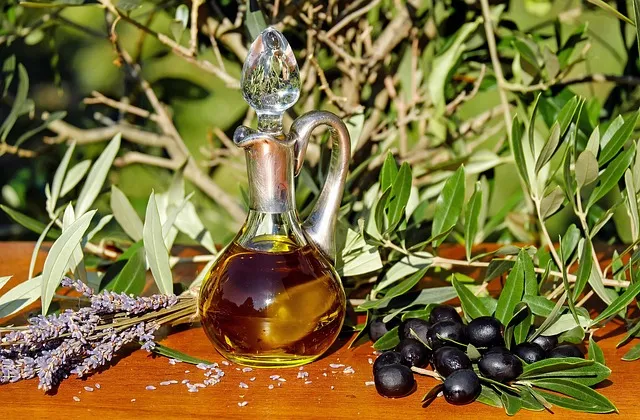
High polyphenol content is associated with specific sensory characteristics: pungency (a peppery, throat-catching sensation caused by oleocanthal — the same throat bite felt from ibuprofen, because oleocanthal inhibits the same COX enzymes) and bitterness (from oleuropein). Olive oil that tastes bland, buttery, or inoffensive typically has low polyphenol content. The “best” olive oil for health purposes is often the most initially challenging to consume for people accustomed to neutral-tasting refined oils. Elena’s palatably pleasant $28 bottle was probably not high-polyphenol EVOO.
The PREDIMED Trial: 30% Cardiovascular Risk Reduction
The PREDIMED trial (Prevención con Dieta Mediterránea) is the largest and most important dietary intervention study for cardiovascular outcomes ever conducted. Published in the New England Journal of Medicine in 2013 (with corrections and republication in 2018), it randomized 7,447 high-cardiovascular-risk adults to one of three dietary patterns: Mediterranean diet supplemented with extra-virgin olive oil (approximately 4 tablespoons daily), Mediterranean diet supplemented with mixed nuts, or low-fat diet control.
The EVOO group showed 31% relative risk reduction in the primary composite cardiovascular endpoint (myocardial infarction, stroke, or cardiovascular death) compared to the control diet. The nuts group showed 28% relative risk reduction. Both Mediterranean diet arms dramatically outperformed the low-fat control. These are effect sizes comparable to statin therapy — achieved through dietary change rather than medication.
PREDIMED established several critical findings: that olive oil’s cardiovascular protection is real and clinically significant; that the dose used (approximately 50ml/day of EVOO) is substantially higher than average Western olive oil consumption; that the fat-reduction approach to cardiovascular prevention is misguided and counterproductive when it replaces beneficial fats with refined carbohydrates; and that the Mediterranean dietary pattern as a complete food environment — not any single olive oil compound — is what produces the benefit, with EVOO as a foundation ingredient rather than a sole mechanism.
The EVOO used in PREDIMED was supplied by the Fundación Patrimonio Comunal Olivarero (Spain) — known high-polyphenol Spanish EVOO with documented polyphenol profiles. This is an important distinction: PREDIMED was not testing generic olive oil purchased at a grocery store. The cardiovascular benefit observed may be concentrated in high-polyphenol EVOO and less applicable to the low-polyphenol versions that dominate retail markets.
Oleocanthal: The Natural Ibuprofen in Olive Oil
Oleocanthal is one of the most pharmacologically interesting dietary compounds yet identified. It was first characterized by biologist Gary Beauchamp in 2005, who noticed that fresh high-quality olive oil produced the same throat-irritating sensation as liquid ibuprofen — and correctly hypothesized that an olive oil compound might be inhibiting COX-1 and COX-2, the prostaglandin-synthesizing enzymes that ibuprofen inhibits.
The pharmacology turned out to be exactly right. Oleocanthal inhibits COX-1 and COX-2 through non-covalent binding to the same sites targeted by NSAIDs like ibuprofen. The analgesic and anti-inflammatory dose in 50ml of high-oleocanthal EVOO is approximately equivalent to 10% of an adult ibuprofen dose — not enough to treat acute pain, but potentially meaningful for chronic low-grade inflammation when consumed daily over years.
The Alzheimer’s disease research on oleocanthal is particularly exciting. Multiple studies have found that oleocanthal promotes the clearance of tau protein and beta-amyloid from the brain — the protein aggregates that characterize Alzheimer’s disease neuropathology. A 2013 study by Abuznait et al. found that oleocanthal increased the expression of the blood-brain barrier transport proteins that pump beta-amyloid out of the brain, and enhanced autophagy processes that clear intracellular protein aggregates. In animal models, oleocanthal supplementation significantly reduced brain amyloid burden. Human trials are ongoing, but the mechanistic data is compelling.
The anti-cancer properties of oleocanthal are similarly well-documented at the cellular level. A 2015 study found that oleocanthal induced rapid apoptosis in cancer cells (within 30 minutes in vitro) through a lysosomal membrane disruption mechanism not seen in normal cells — a remarkable cancer cell selectivity. The primary mechanism: oleocanthal disrupts lysosomal membranes in cancer cells, releasing lysosomal enzymes (cathepsins) that trigger rapid programmed cell death, while normal cells appear protected. This selectivity suggests oleocanthal may have genuine chemopreventive properties in vivo, though this requires clinical validation beyond the in vitro data.
Hydroxytyrosol: Antioxidant Potency and Cardiovascular Protection
Hydroxytyrosol is arguably the most potent natural antioxidant yet identified on a per-weight basis. Its oxygen radical absorbance capacity (ORAC value) exceeds that of resveratrol, EGCG, and vitamin C. It protects LDL cholesterol from oxidation (preventing the conversion of LDL to its atherogenic oxidized form), reduces endothelial oxidative stress, and has documented anti-platelet and vasodilatory effects.
The European Food Safety Authority (EFSA) in 2011 approved a health claim for olive oil polyphenols (primarily hydroxytyrosol and its derivatives) protecting LDL cholesterol from oxidative damage — specifically requiring that the olive oil contain at least 5mg of hydroxytyrosol per 20g serving (250 mg/kg polyphenol minimum). This EFSA claim is notable because European food regulators are among the most stringent in the world for health claims, and approving an LDL oxidation protection claim for a specific olive oil compound represents a significant acknowledgment of the evidence quality.
Hydroxytyrosol has additional mitochondrial protective effects that have attracted significant recent research attention. It activates PGC-1α — the master regulator of mitochondrial biogenesis — and promotes mitochondrial autophagy (mitophagy), the selective degradation of damaged mitochondria that declines with aging and contributes to cellular energy decline. By activating mitochondrial quality control pathways, hydroxytyrosol potentially supports the cellular energy metabolism that underlies vitality and resilience against aging-related decline.
The Adulteration Problem: How to Buy Authentic EVOO
The UC Davis Olive Center published its landmark report on California and imported EVOO in 2011, testing 186 samples and finding that 69% of imported samples labeled as “extra-virgin” did not meet EVOO standards, primarily due to oxidative degradation, adulteration with refined oils, or incorrect sensory profiles. A 2012 follow-up study found similar results. The problem is systemic: the supply chain for olive oil involves multiple intermediaries with financial incentives to dilute expensive genuine EVOO with cheap refined oils, and the testing infrastructure for detecting adulteration is not uniformly applied.
Common adulterants include: refined olive oil (mechanically extracted then chemically refined to neutralize rancidity, then relabeled as EVOO), sunflower oil, soybean oil, canola oil, and hazelnut oil (which has a similar fatty acid profile to olive oil and is harder to detect chemically). Some operations add chlorophyll to refined oils to achieve the green color consumers associate with quality EVOO.
How to identify genuine high-polyphenol EVOO: look for harvest date (not just “best by” — look for the actual harvest year, ideally from the current or previous year; polyphenols degrade with age); look for producer and region of origin specificity (generic “Product of Italy” or “Mediterranean blend” with multiple countries of origin is a red flag; genuine quality EVOO specifies the estate, producer, and growing region); look for cultivar specification (specific olive varieties like Coratina, Koroneiki, Picual are associated with high polyphenol content); look for third-party quality certification (California Olive Oil Council, UNAPROL, or similar seals indicate independent testing); and apply the sensory test — taste it straight. If it’s not pungent and slightly bitter with a distinct olive fruitiness, it’s likely not high-polyphenol EVOO regardless of what the label says.
Specific reliable purchasing sources: California-grown and -certified EVOO (the COOC certification requires lab testing, not just producer self-reporting); Greek EVOOs from specific estates (Greece produces some of the highest-polyphenol EVOOs globally, particularly from Koroneiki cultivar); Spanish EVOOs from specific Andalusian estates (Picual and Hojiblanca cultivars grown in high-altitude regions produce excellent polyphenol profiles). Online retailers specializing in authentic EVOO (Kosterina, Exau, California Olive Ranch Premium, Cobram Estate) offer better authentication documentation than generic grocery store offerings.
The Olive Oil Quality Protocol
- Purchase by harvest date: Buy EVOO from the current or immediately previous harvest year. Polyphenol content declines with time — oil more than 18-24 months from harvest date has lost significant polyphenol potency even if it’s not rancid. Never buy EVOO in clear glass (light degrades polyphenols) or in large containers that will be open and exposed to air for months.
- The pungency test: Pour 1-2 tablespoons of the oil and swallow. High-polyphenol EVOO should produce a distinct peppery, throat-catching sensation (oleocanthal’s COX inhibition). If the oil goes down smoothly with no throat sensation, it’s either low-polyphenol or adulterated regardless of label. This test is reliable — it can be performed in a grocery store aisle on any oil that can be opened.
- Therapeutic dose: The PREDIMED trial used approximately 4 tablespoons (50ml) daily. More than typical Western EVOO use. Using EVOO liberally — for cooking at low-to-medium heat, as a finishing drizzle on vegetables, in salad dressings, and on bread instead of butter — can realistically reach 3-4 tablespoons daily without effort.
- Storage: Store in a dark glass bottle away from heat. Kitchen countertop next to the stove is the worst possible storage — heat and light are the two primary polyphenol-degrading factors. A dark pantry shelf, away from the oven, extends the polyphenol half-life substantially. Buy in smaller bottles used within 2-3 months of opening rather than large containers that sit open for 6+ months.
- Cooking temperature considerations: EVOO’s smoke point (approximately 375-405°F for authentic high-quality EVOO) is adequate for most sautéing and roasting. Its polyphenol content provides oxidative stability that extends beyond what smoke point alone predicts. For very high-temperature applications (above 400°F), avocado oil or refined coconut oil are better choices; for everything else, EVOO is both appropriate and preferable.
What Happened to Elena
Elena tested her $28 Whole Foods olive oil using the throat sensation test. No pepper. No bite. No identifiable fruitiness. It went down smooth as a neutral cooking oil. She bought a bottle of California Olive Ranch Premium (a COOC-certified California EVOO) from the same store. It hit the back of her throat immediately — a clear, unmistakable peppery burn that she recognized instantly as oleocanthal at work. The two bottles, both labeled “extra-virgin olive oil,” were demonstrably different products.
She switched her daily cooking oil to the California-certified version and started looking at harvest dates when buying imported EVOO. She found a local importer of Greek Koroneiki EVOO that sold 500ml dark bottles with harvest year, estate name, and polyphenol assay on the label. She started using approximately 3-4 tablespoons daily. At her next checkup, her CRP (C-reactive protein) had dropped from 2.8 to 1.6 mg/L — into the low-risk cardiovascular range. Her LDL oxidation marker was also lower. She’d been using “olive oil” for years without getting the benefits of olive oil. Understanding what she was actually buying changed the outcome.
Olive Oil Quality: Your Questions Answered
Q: Is the refrigerator test reliable for checking olive oil authenticity?
No. The “refrigerator test” — that genuine olive oil solidifies in the refrigerator while adulterated oil stays liquid — is a persistent myth. Olive oil solidifies in the refrigerator based on its fatty acid composition (oleic acid has a relatively high melting point), but this property is shared by many other oils. Some genuine EVOOs don’t solidify at refrigerator temperatures, and some adulterated oils do. The refrigerator test tells you about the fatty acid profile, not authenticity. The pungency/bitterness sensory test and harvest date verification are more reliable quality indicators.
Q: Does cooking destroy olive oil’s polyphenols?
Partially, yes. Polyphenols are heat-sensitive — temperatures above 300°F begin degrading them. However, studies have found that significant polyphenol content survives typical home cooking temperatures. The key variable is temperature, not merely whether the oil is heated. Drizzling EVOO over food after cooking (as a finishing oil) preserves more polyphenols than cooking with it at high heat. Using EVOO for low-to-medium heat cooking and reserving higher-polyphenol oil for cold applications and finishing gets the most benefit from both cooking stability and polyphenol preservation.
Q: How much olive oil per day is enough to get the PREDIMED cardiovascular benefit?
The PREDIMED supplementation dose was approximately 50ml (4 tablespoons) of EVOO daily above baseline Mediterranean diet consumption. Most researchers interpret the cardiovascular benefit as applying to roughly 3-5 tablespoons daily for primary prevention. More than typical American olive oil use. Building olive oil use to this level through cooking, finishing, and dressing applications is achievable without effort once the target is understood.
Q: Is there such a thing as too much olive oil?
In the context of a healthy overall caloric intake, olive oil at PREDIMED doses (4 tablespoons = approximately 480 calories) is associated with better weight management outcomes than equivalent calories from refined carbohydrates or other fats, likely due to oleic acid’s satiety effects and the anti-inflammatory polyphenol actions. Some people eating high-EVOO Mediterranean diets consume substantially more than this without adverse effects. Caloric balance still matters — adding 4 tablespoons of olive oil daily to an otherwise unchanged diet without reducing something else adds approximately 480 calories that will affect body weight over time. The PREDIMED participants were advised on the Mediterranean diet comprehensively, not just told to add olive oil to an unchanged baseline diet.
Q: What’s the difference between “light” olive oil and regular olive oil?
“Light” olive oil is a marketing term for refined olive oil — heavily processed to remove flavor, color, and most polyphenols, producing a neutral-tasting oil with little health benefit beyond its oleic acid content. It has no cardiovascular benefits compared to genuine EVOO and should generally be avoided in favor of authentic EVOO. The “light” designation refers to flavor and color, not caloric content — it has the same caloric density as any other oil.
Olive Oil and Longevity: What the Mediterranean Diet Data Actually Shows

The EPIC cohort study — a pan-European prospective study with over 500,000 participants across 10 countries and 15+ years of follow-up — found that olive oil consumption was associated with 23% lower all-cause mortality in Spain (a Mediterranean country) and showed dose-response reductions in cardiovascular mortality across multiple European cohorts. The Spanish cohort data is particularly compelling because Spain has the highest per-capita EVOO consumption globally and consistently shows one of the lowest rates of cardiovascular disease in Europe despite high fat intake from olive oil.
A 2020 prospective cohort study by Guash-Ferré et al. published in the Journal of the American College of Cardiology followed 90,000 US adults for 28 years and found that replacing 10g/day of margarine, butter, mayonnaise, or dairy fat with the equivalent amount of olive oil was associated with 8-34% lower risk of cardiovascular, cancer, respiratory, and neurodegenerative disease mortality. Replacing those other fats with olive oil specifically was associated with 19% lower cardiovascular mortality — a meaningful effect size that extended the PREDIMED Mediterranean context findings to a US population context with diverse dietary backgrounds.
These associations are likely driven by multiple overlapping mechanisms. Oleic acid (the primary monounsaturated fatty acid in olive oil) is anti-inflammatory, reduces LDL oxidation susceptibility, and maintains membrane fluidity in ways associated with improved insulin signaling. The polyphenols (oleocanthal, hydroxytyrosol, oleuropein) provide COX inhibition, Nrf2 activation, LDL antioxidant protection, and the multiple other mechanisms discussed throughout this article. Together, these mechanisms create a cardiovascular and anti-inflammatory environment that reduces the risk of the chronic diseases that drive most mortality in Western populations.
What makes EVOO particularly powerful in the longevity context is not any single compound but the convergence of multiple protective mechanisms in a single food: it’s anti-inflammatory through multiple pathways, cardiovascular protective through multiple mechanisms, neuroprotective through oleocanthal’s amyloid-clearing effects, cancer-protective through multiple cell-level pathways, and metabolically favorable for insulin sensitivity and gut health. Very few foods produce this breadth of protective effects simultaneously. The Greek islanders of Ikaria, the Sardinian centenarians of Ogliastra, the Seventh-Day Adventists of Loma Linda — each of the world’s “Blue Zone” longevity populations that uses olive oil uses it at doses that parallel the PREDIMED supplementation amount. This convergence across independent cultural contexts, consistent with mechanistic and RCT evidence, makes EVOO one of the strongest cases in nutrition science for a specific food genuinely extending healthy lifespan.
Monounsaturated Fat vs. Polyunsaturated Fat: The Oil Hierarchy
To properly position olive oil in the broader landscape of dietary fats, it helps to understand where it sits relative to the main alternatives. The dietary fat landscape for health purposes can be loosely ranked: extra-virgin olive oil (high monounsaturated fat + polyphenols) > avocado oil (high monounsaturated, minimal polyphenols) > unrefined seed oils with high omega-3 (flaxseed, walnut) > refined monounsaturated oils (light olive oil, refined avocado) > refined polyunsaturated oils (canola, sunflower — fine at cool temperatures but unstable at heat) > refined seed oils high in omega-6 (soybean oil, corn oil, cottonseed oil — the dominant oils in processed food) > partially hydrogenated oils/trans fats (virtually eliminated from food supply through regulation).
Refined polyunsaturated vegetable oils — soybean oil, corn oil, sunflower oil — dominate the American food supply, appearing in virtually all processed food, commercial restaurant cooking, and most cheap cooking oil products. They are dramatically less nutritious than EVOO (no polyphenols), less thermally stable (more aldehydes and lipid peroxides at cooking temperatures), and contribute to the omega-6 excess that characterizes Western dietary patterns. The shift from lard, butter, and olive oil to these refined industrial seed oils in American cooking (occurring roughly 1970-1990 as a consequence of saturated fat dietary guidelines) is considered by many researchers to be a major contributor to the inflammation-driven disease burden of the following decades.
Elena’s $28 olive oil, if adulterated with soybean oil or refined canola (as the UC Davis data suggests many retail EVOOs are), was actually contributing to this exact pattern — she was paying a premium price and getting an omega-6-dominant oil with minimal polyphenol content. The intervention that made her CRP drop and her LDL oxidation markers improve wasn’t simply “using olive oil” — it was using authentic high-polyphenol EVOO rather than an ersatz version. The difference between genuine EVOO and adulterated “olive oil” at the cellular level is likely the difference between an anti-inflammatory food and a pro-inflammatory one. Getting this distinction right is not a luxury-tier consideration. It’s the entire point of why EVOO has the health reputation it has — and why cheap, low-quality alternatives undermine that reputation for everyone who can’t tell the difference.
Olive Oil and Brain Health: The Neuroprotection Evidence
Beyond cardiovascular protection, olive oil has an emerging neuroprotective story that’s particularly relevant given the rising prevalence of cognitive decline and Alzheimer’s disease. The Mediterranean diet’s consistent association with lower Alzheimer’s risk has driven investigation into which components of the diet carry this neuroprotective effect, and EVOO’s polyphenols — particularly oleocanthal — have emerged as prime candidates.
Oleocanthal’s role in promoting beta-amyloid clearance was described earlier. The related research on tau protein is equally relevant. Alzheimer’s disease involves both amyloid plaques (extracellular aggregates of beta-amyloid) and neurofibrillary tangles (intracellular aggregates of hyperphosphorylated tau protein). Oleocanthal has been shown to prevent tau protein aggregation in cell culture models and to enhance the autophagy-mediated clearance of tau aggregates. A compound that addresses both hallmarks of Alzheimer’s neuropathology through independent mechanisms is unusual and clinically significant.
A 2017 study by Lauretti et al. published in Annals of Clinical and Translational Neurology found that mice fed oleocanthal-supplemented diets showed significantly reduced brain amyloid burden, improved synaptic integrity, and better performance on spatial memory tasks compared to control animals. The researchers noted that “these effects were observed at dietary oleocanthal doses achievable through consumption of high-polyphenol EVOO” — suggesting that the neuroprotective effects in their animal model may translate to human dietary patterns.
Hydroxytyrosol independently has neuroprotective effects through its mitochondrial protective properties. Mitochondrial dysfunction in neurons — manifesting as reduced energy production, increased reactive oxygen species, and impaired mitophagy — is an early event in the Alzheimer’s disease cascade that precedes amyloid accumulation by years. Hydroxytyrosol’s activation of PGC-1α (mitochondrial biogenesis) and promotion of mitophagy (removal of damaged mitochondria) directly addresses this early pathological process. The convergence of oleocanthal’s amyloid/tau effects and hydroxytyrosol’s mitochondrial effects in a single food source positions high-polyphenol EVOO as potentially the single most evidence-supported dietary neuroprotective food available.
This is speculative in that direct RCT evidence from human clinical trials showing that EVOO prevents Alzheimer’s disease is lacking. What exists is mechanistic research of high quality pointing toward relevant mechanisms, animal model evidence supporting the hypothesis, and large-scale observational data showing Mediterranean diet patterns consistently associated with lower cognitive decline risk. The precautionary principle here is clear: given the mechanistic plausibility, the strength of observational associations, and the absence of any downside risk from consuming high-quality EVOO in therapeutic amounts, the evidence strongly favors making it a dietary foundation rather than awaiting a definitive RCT that may be decades away.
The Olive Oil Phenolic Content Guide
For anyone who wants to specifically choose high-polyphenol EVOO rather than guessing based on sensory cues alone, here is the practical phenolic content reference:
Cultivars associated with highest polyphenol content (>500 mg/kg in good harvest years): Coratina (Southern Italy), Koroneiki (Greece), Picual (Spain), Moraiolo (Tuscany), Manzanilla Cacereña (Extremadura, Spain). These cultivars are “naturally high polyphenol” producers when grown in appropriate conditions and harvested at optimal ripeness (early harvest, when olives are transitioning from green to beginning to show color).
Harvest timing: Early-harvest EVOO (olives picked when green to semi-ripe, typically October-November in Northern Hemisphere Mediterranean regions) has substantially higher polyphenol content than late-harvest oil from fully ripe olives. Late-harvest oil is milder in flavor, lower in polyphenols, and often less expensive. Look for labels specifying “early harvest,” “Novembre” (Italian), or “cosecha temprana” (Spanish) — these terms reliably indicate higher polyphenol production.
New certification systems: The International Olive Council has proposed a “high-polyphenol” certification standard requiring minimum 250 mg/kg total polyphenols (as measured by EFSA’s specific protocol). Some producers in Spain, Greece, and California are now publishing polyphenol assay certificates with their oil batches. Olive oils with documented polyphenol content above 400 mg/kg are in the genuinely therapeutic range. Those below 100 mg/kg provide primarily oleic acid benefits without the polyphenol-specific effects.
Elena’s post-investigation oil routine: she buys a high-polyphenol Spanish Picual EVOO from a certified estate (polyphenol content printed on the back label) for daily culinary use, and a premium Greek Koroneiki oil for finishing and raw applications. Her monthly olive oil spending is approximately the same as her old undifferentiated Whole Foods purchase — but she now knows what she’s buying and why it matters. The benefits follow from that knowledge. They don’t follow from the label or the price. They follow from the actual polyphenol content of the oil, measured by the only reliable method available to a consumer: sensory evaluation plus harvest date plus certification evidence. The knowledge is the intervention. The olive oil is just the vehicle.
Integrating Olive Oil: Practical Daily Use
The gap between understanding olive oil’s benefits and actually consuming 3-4 tablespoons daily is primarily a behavioral design problem, not a knowledge problem. Most people use olive oil occasionally, as a cooking fat or salad dressing base, reaching perhaps 1-2 tablespoons on active cooking days and less on others. Reaching the PREDIMED therapeutic dose requires deliberately integrating olive oil into more daily habits than cooking alone.
Practical integration strategies: use olive oil as a bread dip instead of butter (traditional Mediterranean style — a small bowl of EVOO with fresh herbs for bread at meals). Use EVOO as a finishing drizzle on cooked vegetables, grains, soups, and proteins before serving — the finishing application preserves more polyphenols than high-heat cooking use. Build salad dressings around EVOO as the base (3 parts olive oil: 1 part acid, with herbs) rather than commercial dressings that typically use refined seed oils. Use EVOO for low-heat egg cooking and sautéing rather than butter or neutral oils. Drizzle on hummus, bean dishes, and other Mediterranean staples as a flavor and nutrition enhancer.
The shift from butter and neutral cooking oils to EVOO as the primary fat across these applications naturally accumulates to 3-4 tablespoons daily without requiring any specific “supplementation” mindset. This is how EVOO is actually consumed in Mediterranean cultures — not as a health supplement taken by the tablespoon, but as the omnipresent cooking and finishing fat that touches nearly every meal. Adopting this culinary philosophy, with the knowledge of why polyphenol content matters for choosing the specific oil, is the complete implementation. Not complex. Not expensive, once the value proposition is understood. Just requiring the knowledge that makes the choice purposeful rather than arbitrary — which is exactly the knowledge this article was written to provide.
Tracking progress with olive oil optimization: CRP (C-reactive protein) is a reasonable marker for the anti-inflammatory effect over 12 weeks of consistent high-polyphenol EVOO use at therapeutic doses. LDL oxidation (where accessible) and LDL particle size distribution are more specific markers of olive oil’s lipid-protective effects. Most people won’t have access to specialized lipid testing. CRP, which is increasingly included in comprehensive metabolic panels and cardiovascular risk assessments, is the most practical monitoring marker for the anti-inflammatory trajectory. Elena’s CRP drop from 2.8 to 1.6 mg/L over three months of authentic high-polyphenol EVOO use at 3-4 tablespoons daily is representative of what the research would predict. Not a dramatic or immediate effect — a gradual recalibration of the baseline inflammatory environment that chronic, consistent exposure to therapeutic amounts of the right food produces. The mechanism is real. The dose needs to be real. And the oil needs to be real — not the label version, but the polyphenol-verified, pungency-confirmed, harvest-date-current version that delivers what the research was actually studying when the remarkable PREDIMED results were recorded. Start there, and the benefit follows.
The scientific literature on extra-virgin olive oil has been building for 40+ years across multiple independent research groups, multiple countries, multiple study designs (from cell biology to animal models to human RCTs to large-scale prospective cohorts), and multiple outcome measures. It is one of the most thoroughly investigated single food items in nutritional science. The convergence is unusual: the mechanistic evidence explains the epidemiological associations, which are confirmed by the PREDIMED randomized controlled trial, which is replicated by subsequent cohort studies in different populations. This kind of convergence across independent evidence streams is what genuine nutritional science looks like when it’s working correctly. EVOO is not a wellness trend. It’s one of the most evidence-supported foods in human health research. The only catch: buying the real thing. Now, at least, there’s a way to know how.
No other food in the Western diet can claim an equivalent evidence base spanning cardiovascular mortality prevention, cognitive decline reduction, anti-inflammatory effects, cancer cell inhibition, and longevity association across multiple independent population studies. The evidence, taken in its totality, is extraordinary. The implementation is simple. The barrier is purely knowing what to look for when picking up a bottle, which requires about 10 minutes of education that most olive oil buyers never receive. That’s the information gap this article addresses. Close that gap, apply the sensory test, check the harvest date, and use olive oil in the quantities the evidence supports. The health outcomes that follow have been documented across decades and continents. They’re waiting to be accessed — one properly authenticated bottle at a time.
The Practical Framework: Applying Olive Oil Quality Benefits In Real Life
References
Editorial StandardsCorrectionsMedical DisclaimerAbout Our ContentAffiliate DisclosureSite Map