
David spent $600 on a gut microbiome test. He got back a 47-page PDF with colorful charts, a “diversity score,” warnings about low Akkermansia levels, and a personalized food recommendation list telling him to eat more blueberries and less red meat. He read the whole report twice. He changed his diet accordingly. Four months later, he felt the same. He went back to the company’s website and found that his second test — recommended, naturally, at $600 — would track his “progress.” He felt, in his words, “scientifically scammed.”
David’s experience isn’t unusual. The gut microbiome testing industry has grown from essentially zero in 2012 to a multi-hundred-million-dollar market, driven by genuine scientific advances in sequencing technology, extraordinary consumer appetite for personalized health data, and — frankly — marketing that has significantly outpaced the science.
The science of the gut microbiome is genuinely fascinating and genuinely important. The science of commercial microbiome testing as a clinical tool is considerably more complicated. There are tests worth taking for specific purposes. There are tests that are little more than expensive lifestyle accessories. Knowing the difference requires understanding what each test actually measures, what it can tell you, and — critically — what it can’t.
The Fundamental Question: What Do You Actually Need to Know?
Before evaluating any test, answer the question most people skip: what am I trying to find out, and what would I actually do with the answer?
Not a trivial question. The gut microbiome has somewhere between 500 and 1,000 bacterial species, trillions of individual organisms, and a level of functional complexity that even the world’s leading microbiome researchers describe as “incompletely understood.” Tests that claim to translate this complexity into actionable dietary advice are making a scientific leap current research doesn’t fully support.
If you’re investigating a specific gut complaint — symptoms suggesting infection, overgrowth, inflammation, or pathogen presence — you need a clinically validated test built to detect specific pathogens and abnormalities. Different goal than “understanding my microbiome.” Different testing entirely.
If you’re pursuing general health optimization and want a look at your gut microbiome composition, a consumer microbiome test is a reasonable option — but you need to understand what these tests can and can’t tell you, and you shouldn’t expect the clinical specificity they often imply.
The Test Selection Decision Tree — the framework this article builds toward — helps work through that question systematically. First, though, the testing technologies themselves.
The Testing Technologies: What Each One Actually Does
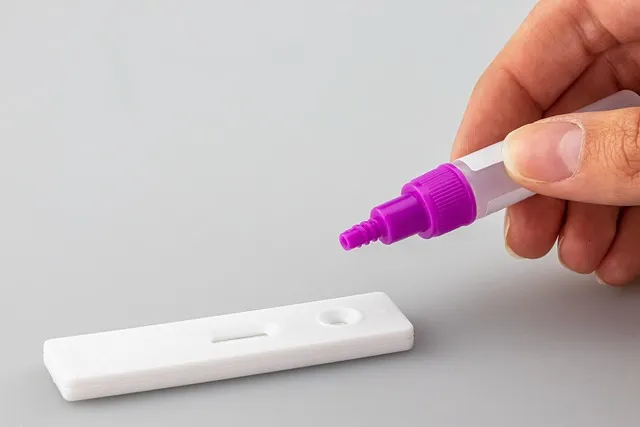
All gut microbiome tests start with a stool sample. Beyond that starting point, the technologies diverge significantly, and the differences matter enormously for what conclusions you can actually draw from the results.
16S rRNA sequencing targets a specific gene — the 16S ribosomal RNA gene — present in all bacteria and containing regions that vary enough between species to allow identification. By amplifying and sequencing this gene from all bacteria in a stool sample, 16S testing can identify which bacteria are present and in what relative proportions. This is the technology behind consumer services like Thryve, American Gut, Gut Zoomer (partial), and the now-defunct uBiome.
The advantages of 16S: relatively inexpensive, technically strong, broad taxonomic identification across hundreds of bacterial species. The limitations are significant: 16S typically identifies bacteria only to the genus level, not species or strain. It can’t identify fungi, viruses, parasites, or archaea. It measures relative abundance (what percentage of the sample is each type), not absolute abundance (how many actual bacteria per gram of stool). And it tells you what organisms are present, not what they’re actually doing metabolically.
Shotgun metagenomics sequences all DNA in the stool sample — not just the 16S gene, but all genetic material from all organisms including bacteria, fungi, viruses, and other microorganisms. This provides species-level identification (rather than genus-level), can detect functional gene sequences (giving information about metabolic capacity), and identifies non-bacterial components of the microbiome. Most comprehensive sequencing-based approach available. Also significantly more expensive and technically complex to interpret. The Gut Zoomer from Vibrant Wellness and some research-grade platforms use this approach.
PCR-based quantitative testing doesn’t attempt to survey all microorganisms. Instead it looks for specific organisms using targeted DNA probes, and it provides quantitative data — actual counts rather than relative proportions. Used by the GI-MAP (Diagnostic Solutions) and Genova GI Effects. Less comprehensive in organism coverage, but dramatically more sensitive for detecting specific pathogens and clinically significant organisms at low levels — and the quantitative data is more clinically interpretable than relative abundance percentages.
Metatranscriptomics sequences RNA rather than DNA. Significant, because RNA represents active gene expression — what organisms are actually doing right now, not just what’s present. Viome uses this technology and claims, on that basis, that their test tells you about the functional activity of your microbiome rather than just its composition. The scientific validity of the claim is real — transcriptomics does provide different and potentially more functionally relevant data than DNA sequencing. Whether Viome’s interpretation and recommendations translate that data into actionable guidance is considerably more contested.
GI-MAP: The Clinical Workhorse
- Bacterial pathogens: Campylobacter, Clostridioides difficile (including toxin genes A/B), enterotoxigenic E. coli (ETEC), Salmonella, Shigella/EIEC, Yersinia, and several others.
- Parasites: Cryptosporidium, Entamoeba histolytica, Giardia, and several helminth species.
- Viral pathogens: Adenovirus 40/41, Norovirus GI/GII.
- Candida species (as previously discussed) — detected by DNA quantification, considerably more sensitive than standard culture for gut Candida.
- H. pylori with virulence factor detection (CagA, VacA, DupA, OipA) — allowing risk stratification beyond mere presence/absence.
- Opportunistic bacteria: Klebsiella, Pseudomonas, Proteus, and others that can cause problems when overgrown.
- Commensal bacteria: Major beneficial species including Lactobacillus spp., Bifidobacterium spp., and Faecalibacterium prausnitzii (a key butyrate producer).
- Digestive and immune markers: Secretory IgA (immune function indicator), Elastase-1 (pancreatic enzyme function), steatocrit (fat malabsorption), Calprotectin (intestinal inflammation marker).
- Intestinal health markers: Beta-glucuronidase (estrogen detoxification capacity), Occult blood.
The GI-MAP (Gastrointestinal Microbial Assay Plus) from Diagnostic Solutions Laboratory is, for people with active gut symptoms and clinical investigations, the most useful test available to consumers. It’s not a microbiome diversity survey — it’s a targeted clinical diagnostic tool. Understanding that distinction is essential for using it appropriately.
The GI-MAP uses quantitative PCR to detect and quantify specific organisms in stool. Its clinical coverage includes:
What makes the GI-MAP practically useful is the combination of pathogen detection with quantitative data. You’re not just told “H. pylori detected” — you’re told how many copies per sample (colonization burden) and which virulence factors are present (how aggressively that strain can cause damage). You’re not just told “Candida present” — you get a quantitative level that, in context, helps distinguish normal commensal presence from clinically significant overgrowth.
The limitation of the GI-MAP is that it covers a relatively small number of organisms. Excellent clinical test for what it tests. Not a comprehensive microbiome survey. The organisms it doesn’t test — thousands of them — include many whose roles in health and disease are still being worked out. For comprehensive pathogen investigation with clinical symptoms, the GI-MAP is the right tool. For broad microbiome characterization, it’s insufficient alone.
Cost: approximately $360-$450 through most direct-to-consumer labs, or covered by insurance when ordered through a physician for specific clinical indications.
Viome: The Transcriptomics Play
Viome is the most technologically sophisticated consumer microbiome test in terms of underlying science. Metatranscriptomics — sequencing active RNA expression from gut microorganisms — provides genuinely different information than DNA-based approaches. When organisms are present but metabolically dormant, their DNA gets detected but their RNA doesn’t. When organisms are actively metabolizing and producing compounds, their RNA expression opens a window onto what’s actually happening in the gut, functionally.
Viome’s technology lets them identify not just which organisms are present, but which metabolic pathways are active. In principle, this could tell you whether your gut bacteria are producing butyrate (beneficial short-chain fatty acid), trimethylamine N-oxide (TMAO, associated with cardiovascular risk), indole-3-propionic acid (gut barrier supportive), or other metabolites that standard sequencing approaches can only infer from genomic data.
The scientific credibility of the underlying technology is real. The gap between that technology and the consumer-facing recommendations is where skepticism is warranted.
Viome translates its transcriptomic analysis into food “superfood,” “enjoy,” “minimize,” and “avoid” categories — highly personalized lists supposedly reflecting each individual’s unique metabolic activity. The marketing is compelling. The validation of these specific recommendations is sparse. No large-scale clinical trials demonstrate that following Viome’s dietary recommendations produces better health outcomes than alternative approaches. The food recommendations often look reasonable — eat more fiber, reduce sugar — in ways that could reflect general nutritional wisdom more than specific transcriptomic analysis.
The “Precision Supplements” offering — personalized supplement stacks generated by their algorithm — has been criticized by researchers for lacking the clinical validation that would justify supplement prescriptions based on transcriptomic data. Sound idea. Execution ahead of the validation.
Honest verdict: Viome is the most scientifically interesting consumer test available. Its recommendations should be treated as hypothesis-generating rather than prescriptive. Genuinely curious about the functional state of your gut microbiome, and comfortable with the current limitations of translating that data into specific lifestyle recommendations? Worth the $149-$300. Want actionable clinical information about specific pathogens or conditions instead? The GI-MAP is the better tool.
Thryve (Now Ombre): The 16S Consumer Test

Thryve/Ombre is also notable for integrating its microbiome analysis with a personalized probiotic subscription service — results that conveniently indicate which bacterial genera you’re low in, followed by a recommended probiotic product tailored to those results. Worth acknowledging this vertical integration between testing and product sales as a potential conflict of interest that may color how results get interpreted and communicated to consumers.
The 16S technology is real and produces genuine data about bacterial composition. The limitations are the standard 16S limitations: genus-level rather than species-level identification, relative rather than absolute abundance, no fungal or viral data, no functional/metabolic information.
What Thryve does reasonably well is provide accessible, readable results for consumers who want a general overview of their gut bacteria composition and aren’t pursuing a specific clinical investigation. As an educational and awareness-building tool, $99 is defensible. As a clinical diagnostic tool, it isn’t appropriate.
uBiome: A Cautionary Tale
uBiome deserves inclusion in any honest discussion of gut microbiome testing because its story reveals what happens when marketing ambition outruns scientific validation.
uBiome launched in 2012 as a citizen science project, grew into a $600 million company, and collapsed in 2019 amid federal investigation for insurance fraud. The company’s clinical tests — marketed to physicians and patients for diagnosing conditions including bacterial vaginosis, sexually transmitted infections, and irritable bowel syndrome — were used to bill insurance companies for expensive laboratory testing despite lacking FDA clearance for the clinical claims being made.
The uBiome story isn’t just about corporate fraud. It’s about the broader problem of microbiome testing companies making clinical claims the underlying science doesn’t yet support, packaged in the language of precision medicine to justify prices reflecting aspirational future utility rather than current scientific validation. The company sold the promise of the gut microbiome field — real, exciting — while delivering products scientifically premature for the claims attached to them.
When evaluating any gut microbiome test, the questions worth asking: What specifically does this test claim to tell me? What’s the clinical validation for those claims? What peer-reviewed research supports the interpretive framework generating the recommendations? Vague answers, or citations pointing to proprietary research unavailable for independent review — healthy skepticism is warranted.
Specialty Tests Worth Knowing About
Beyond the major consumer platforms, several specialty tests address specific aspects of gut health with strong clinical validation.
SIBO breath testing — hydrogen and methane breath tests after lactulose or glucose challenge — remains the standard diagnostic approach for small intestinal bacterial overgrowth. Functional tests measuring the gases produced by bacterial fermentation in the small intestine. Lactulose breath testing has sensitivity of approximately 52-80% and specificity of 83-86% for SIBO diagnosis. Imperfect, but the best available non-invasive diagnostic tool for SIBO. See our guide to SIBO symptoms and treatment for complete testing and treatment details.
Organic Acids Testing (OAT) — as discussed in the context of Candida (with arabinose as the Candida marker) — provides a broader window into metabolic function, mitochondrial health, neurotransmitter metabolism, and bacterial/fungal overgrowth markers simultaneously. For people with complex, multi-system symptoms that include gut issues alongside fatigue, brain fog, and mood changes, the OAT from Great Plains Laboratory or equivalent is often more informative per dollar spent than microbiome sequencing tests.
Comprehensive Stool Analysis from Genova Diagnostics combines culture-based and PCR-based approaches with digestive and immune marker panels. Among the most clinically comprehensive stool tests available, though its cost ($400+) and the need for physician ordering in most cases limits accessibility.
Lactulose-mannitol ratio testing for intestinal permeability — the functional measure of “leaky gut” — involves drinking a solution of both sugars and measuring their urinary recovery ratio. A high ratio (proportionally more lactulose recovered relative to mannitol) indicates increased intestinal permeability. Not widely available commercially, but offered by some functional medicine labs, and it provides the most direct functional measure of gut barrier integrity available outside of invasive biopsy.
The Test Selection Decision Tree
The framework for choosing the right gut test depends on three questions: What symptoms do you have? What are you trying to diagnose or rule out? What will you actually do with the information?
- Specific symptoms suggesting pathogen or infection: diarrhea, bloody stool, fever, recent travel, onset after eating, acute GI distress → Start with GI-MAP. Targeted PCR-based detection is the appropriate tool for identifying specific pathogens. The GI-MAP covers the most clinically relevant organisms with quantitative precision.
- Chronic gut symptoms suggesting dysbiosis/overgrowth: bloating, fatigue, brain fog, sugar cravings, recurrent yeast infections, slow motility → GI-MAP plus Organic Acids Test. The combination covers bacterial and fungal overgrowth, pathogen presence, digestive function markers, and metabolic indicators simultaneously.
- Symptoms suggesting SIBO specifically: bloating that worsens with fiber and fermented foods, hydrogen sulfide symptoms (egg smell gas, loose stools), belching → Lactulose breath test for SIBO diagnosis before any stool testing.
- General gut health optimization, no specific symptoms: Viome or Thryve/Ombre, with appropriate expectations. These are educational and hypothesis-generating tools, not clinical diagnostic tests. Use results as one input among many, not a prescription.
- Tracking gut health change over time: The same test platform used consistently is more useful than switching platforms. Microbiome composition has significant test-retest variability even within the same platform — comparing results across different platforms isn’t scientifically meaningful.
“A test without a clinical question is just an expensive data collection exercise. Know what you’re asking before you pay for the answer.”
What No Test Can Tell You (Yet)

No test can reliably predict your disease risk from microbiome composition alone. Correlations exist between certain microbiome profiles and disease states (low Akkermansia and metabolic syndrome, high Proteobacteria and inflammatory bowel disease), but these are population-level correlations with limited individual predictive value. Your specific risk depends on genetics, diet, lifestyle, exposures, and microbiome factors in a complex interaction that can’t be reduced to a sequencing readout.
No test can tell you with precision which specific foods you should eat. The personalized dietary recommendations generated by consumer microbiome tests are extrapolated from population research — finding that, say, people with high Bifidobacterium populations eat more fiber, then recommending fiber to people with low Bifidobacterium. Plausible logic. Claimed precision, not validated precision. Nobody has demonstrated in a controlled trial that following a test’s personalized dietary recommendations produces better health outcomes than following general evidence-based dietary guidelines.
A single test is a snapshot, not a movie. Gut microbiome composition changes with meals, stress, travel, illness, medications, and sleep quality. A single stool sample on one day captures a moment in a dynamic system. The variability within the same individual across different days can be as large as the variation between individuals. That biological reality limits what any single-point test can conclude about your “baseline” microbiome.
Stool is not the gut. Stool samples reflect the organisms that shed into the lumen of the large intestine. The mucosa-associated microbiome — organisms living in and on the gut wall itself — is known to differ significantly from the luminal microbiome and plays a potentially more important role in gut health. All current stool-based tests miss this population entirely.
These limitations don’t make gut microbiome testing useless. They make intellectual honesty about what it delivers essential. Tests that openly acknowledge these limitations deserve more credibility, not less. Tests claiming to answer questions the underlying science can’t yet answer deserve exactly the skepticism that characterizes intelligent consumer behavior in any market.
Getting the Most From Your Test Results
If you decide to test, a few practical guidelines maximize the value of the investment.
Have a question before you test. If testing for symptoms, write down the specific symptoms, their duration, severity, and pattern. This lets you — and any practitioner helping you interpret results — connect test findings to clinical context rather than generating free-floating anxiety about low diversity scores or high Proteobacteria percentages that may have no relevance to your actual health situation.
Collect the sample under standard conditions. Most protocols recommend avoiding probiotics for 2-4 weeks before testing, avoiding antibiotics for at least 4 weeks, and collecting the sample on a typical dietary day rather than after an unusual meal or during illness. Deviations from these conditions compromise how representative the results actually are.
Work with a practitioner for clinical tests. The GI-MAP and Genova Comprehensive Stool Analysis are clinical tests whose results are most meaningful in the context of symptom history, prior testing, and clinical judgment. Consumer platforms are designed to be self-interpreted, but even for these, functional medicine practitioners trained in microbiome interpretation can extract considerably more actionable guidance than self-reading alone.
Don’t test repeatedly without clinical reason. The microbiome industry benefits from frequent retesting. Your bank account does not. Retesting to confirm improvement after a therapeutic intervention (3-6 months after starting treatment) is clinically justified. Retesting every few months to “track progress” with dietary changes generates primarily invoice income for the testing company.
For more on the gut health conditions testing can help diagnose and guide, see the complete gut health guide and the detailed breakdown of SIBO symptoms and treatment.
Reader Questions About Gut Microbiome Testing
Is the GI-MAP available without a doctor’s order?
Yes, in most US states. Several direct-to-consumer functional medicine labs offer the GI-MAP without a physician order, typically for $360-$450. You collect the sample at home and mail it in. In some states (New York, New Jersey, Rhode Island), laboratory testing laws require physician ordering. If you want professional interpretation of the results, a functional medicine physician, naturopathic doctor, or clinical nutritionist experienced in GI-MAP interpretation is worth consulting — especially if pathogen markers come back elevated.
How do I know if my “low diversity” score is actually a problem?
Low microbiome diversity is associated with multiple health conditions at a population level. But the relationship isn’t linear or universal. Some hunter-gatherer populations show lower diversity than some Westernized populations in specific studies. What matters more than a diversity score is the functional adequacy of the species present — whether the organisms you have are producing the metabolites and performing the functions that support gut health. A high diversity score loaded with pathogenic or inflammatory species isn’t better than lower diversity with a functionally healthy community. Diversity scores from consumer tests are better treated as one input rather than a definitive health verdict.
Can I improve my microbiome without testing first?
Absolutely. The general evidence-based practices for supporting gut microbiome health — high fiber intake from diverse plant sources, fermented foods, elimination of gut-damaging foods, adequate sleep, stress management, probiotic supplementation — are beneficial regardless of your specific microbial composition. Testing provides targeted information about specific issues, but it isn’t a prerequisite for pursuing gut health. Plenty of people make dramatic gut health improvements without any testing at all, simply by changing diet and lifestyle. Testing is most valuable once general improvements have been made and specific, persistent problems remain unexplained.
What’s the difference between stool DNA testing and stool culture?
Standard stool culture — what most conventional labs perform — involves placing stool sample material on various growth media and waiting to see what organisms grow. Limited by which organisms can grow under laboratory conditions (many can’t), by the minimum number of organisms required for detection, and by the time required. DNA-based testing (PCR and sequencing) detects organisms from their genetic material regardless of whether they could grow in a lab environment, and it’s considerably more sensitive — particularly for organisms present at low levels, that require anaerobic conditions, or that don’t culture well. For clinical gut investigations, DNA-based approaches consistently outperform culture for sensitivity.
Should I test before starting a gut health protocol or after?
Testing before is ideal — it gives you a baseline against which to measure improvement and may reveal specific issues (pathogen presence, significant overgrowth) that should influence your protocol choice. If cost is a constraint, a single test at the beginning with a follow-up only if symptoms persist after three to six months is a reasonable approach. Testing only after a protocol is less useful, since you can’t distinguish what changed from what was there originally.
Is the Viome Gut Intelligence test worth the money?
At $149-$179, worth the investment for someone genuinely curious about the functional state of their microbiome who understands the current scientific limitations of translating transcriptomic data into specific recommendations. Not worth it for someone looking for specific clinical diagnostic information about pathogens or conditions — the GI-MAP is more appropriate there. Definitely not worth it for their premium subscription models that include frequent retesting and personalized supplement stacks, which have poor value-to-evidence ratios.
Can a gut microbiome test tell me what probiotic to take?
This is among the more oversold features of consumer microbiome testing. The commercial logic is clear: show a customer their low Lactobacillus levels, then sell them a Lactobacillus probiotic. The science is considerably more detailed. Whether a specific probiotic strain actually colonizes the gut (most don’t, in most people), whether increasing a depleted genus improves health outcomes, and whether the supplement product you’re being sold actually contains what it claims in viable form — none of these questions are answered by a sequencing test. Evidence-based probiotic selection for specific conditions (Saccharomyces boulardii for C. difficile-associated diarrhea, Lactobacillus rhamnosus GG for antibiotic-associated diarrhea, multi-strain probiotics for general dysbiosis) is driven by clinical trial evidence, not microbiome testing results.
The Future of Gut Testing: What’s Coming
It would be dishonest to end this guide without acknowledging that the field is advancing rapidly and that some of the current limitations are being actively addressed by research.
Multi-omics integration — combining metagenomics, metatranscriptomics, metaproteomics (protein expression), and metabolomics (metabolite production) — is producing increasingly comprehensive pictures of the gut ecosystem. When researchers can simultaneously see which organisms are present, which genes they’re expressing, which proteins they’re producing, and which metabolites are in the gut environment, the resulting picture has considerably higher clinical relevance than any single-dimension snapshot. Stanford’s Human Performance Lab and several other research centers are producing multi-omics gut data that’s genuinely beginning to generate reliable individual-level predictions about dietary response, drug metabolism, and health outcomes.
Wearable and continuous sampling approaches — including ingestible capsules with sensors that measure gut environment parameters continuously through the GI tract — are moving from research tools to early commercial products. These approaches can capture the spatial dimension of gut health (which part of the gut is affected) alongside the temporal dimension (how things change over time) in ways single-point stool samples cannot.
Machine learning applied to large population-level microbiome datasets is beginning to produce predictive models — for example, predicting which individuals will develop type 2 diabetes 5+ years in advance from microbiome data, or predicting which cancer patients will respond to immunotherapy. Early findings, significant uncertainties, but they point toward a future in which gut microbiome data has genuine clinical predictive utility that justifies the testing investment.
The honest position in 2026: early days in a genuinely transformative field, current consumer testing captures a useful but limited slice of the available information, and the gap between what the science could eventually tell us and what today’s tests actually deliver is where most of the misleading marketing operates. Buying today’s tests with today’s expectations is the rational approach. Buying them with tomorrow’s expectations — precision health optimization, disease prediction, personalized supplement prescriptions — is paying for promises that haven’t been kept yet.
For the full context of gut health optimization beyond testing, see the comprehensive gut health guide. For specific guidance on one of the conditions most commonly found on GI-MAP testing, see the detailed SIBO symptoms and treatment guide.
Reading Your Results Without Spiraling
One underappreciated aspect of gut microbiome testing is the psychological dimension. People who receive test results indicating low diversity, elevated pathogen markers, or warnings about specific bacterial imbalances frequently experience something resembling health anxiety — a preoccupation with their “broken” gut that can itself, through stress-mediated cortisol elevation, worsen gut health.
A useful frame for interpreting results: your gut microbiome is a dynamic, responsive, and remarkably resilient ecosystem. The snapshot a test provides represents one moment in a system continuously changing based on what you eat, how you sleep, how you move, and what you’re exposed to. Elevated pathogens on a GI-MAP are not a permanent condemnation of your gut health — they’re a target for treatment. Low diversity on a sequencing test is not a disease diagnosis — it’s information suggesting specific dietary changes that research supports.
The goal of testing is to reduce uncertainty, not create anxiety. If a test result generates questions rather than answers, that means you need either better interpretation (from a practitioner with relevant expertise) or more context (additional testing to complete the clinical picture). What it doesn’t mean is that your gut health is irreparably damaged or your situation uniquely dire. The gut’s regenerative capacity is genuinely extraordinary. The research on dietary and lifestyle interventions’ ability to measurably improve microbiome composition is unambiguous. The biology is on your side — the test just tells you where specifically to direct the effort.
David — the man who spent $600 and felt scammed — later took a GI-MAP after developing specific symptoms pointing toward something more concrete. He had elevated H. pylori with the CagA virulence factor — a finding that explained his persistent dyspepsia and was entirely treatable with a specific antibiotic protocol. The targeted test answered a specific clinical question. The broad microbiome survey had generated data without context. The difference wasn’t the technology. It was the alignment of the test with the clinical question actually being asked.
Test smart. Interpret honestly. Act on what’s actionable. That’s the entire decision framework, applied consistently.
Interpreting Common Findings: A Quick Reference
For people who’ve already received test results, a practical breakdown of how to interpret the most commonly flagged findings.
Low Faecalibacterium prausnitzii: The most commonly depleted butyrate producer in people with gut inflammatory conditions. A strict anaerobe, extremely sensitive to oxygen exposure and antibiotic treatment. Low F. prausnitzii shows up in high proportions of IBS, IBD, and post-antibiotic dysbiosis cases. The intervention is a high-fiber diet — particularly fermentable fibers like inulin, FOS, and resistant starch that specifically feed F. prausnitzii. No commercially available F. prausnitzii probiotic exists; diet is the primary tool.
Low Akkermansia muciniphila: Akkermansia is a mucolytic bacterium that resides in the mucus layer and plays a role in gut barrier integrity and metabolic regulation. Lower in people with obesity, type 2 diabetes, and metabolic syndrome. Akkermansia levels respond to polyphenol-rich foods (berries, pomegranate, cranberries), omega-3 fatty acids, and caloric restriction. Pasteurized Akkermansia is now available as a commercial probiotic supplement (Pendulum) — one of the few microbiome-derived probiotics with clinical trial data behind it.
Elevated Klebsiella pneumoniae: Klebsiella is an opportunistic pathogen that can expand under conditions of dysbiosis. Elevated levels are associated with autoimmune conditions including ankylosing spondylitis. Klebsiella is highly sensitive to dietary starch restriction (it ferments starch preferentially). A low-starch diet is the primary dietary intervention, combined with broad-spectrum prebiotic fiber to support competitive exclusion by beneficial bacteria.
Elevated calprotectin: Calprotectin is a protein released by white blood cells during intestinal inflammation. Elevated calprotectin on a stool test is a nonspecific marker of gut inflammation and warrants follow-up investigation to determine the cause — which could range from IBD to infection to NSAID use to food sensitivity-driven inflammation. An important finding, not background noise.
Low secretory IgA (sIgA): Secretory IgA is the primary antibody in gut mucosal secretions, providing immune surveillance along the intestinal lining. Low sIgA indicates impaired mucosal immune function, which increases susceptibility to both pathogens and dysbiosis. sIgA levels respond to adequate sleep, stress reduction, vitamin D optimization, and specific probiotic supplementation (particularly Lactobacillus rhamnosus and Bifidobacterium longum strains).
These interpretations are general frameworks, not individual prescriptions. The clinical significance of any finding depends on the clinical context — what symptoms you have, what other findings accompany it, what your overall health picture looks like. Which is why working with a practitioner familiar with functional GI testing consistently produces better outcomes than self-interpretation alone, particularly for the more complex multi-finding cases that are the norm rather than the exception.
FROM THE LIBRARY ›
References
Editorial StandardsCorrectionsMedical DisclaimerAbout Our ContentAffiliate DisclosureSite Map