

The relationship between mold exposure and human health is one of the more contested areas in environmental medicine. The mainstream medical consensus acknowledges mold as a trigger for allergies, asthma exacerbations, and respiratory irritation. A more expansive — and increasingly evidence-supported — view recognizes that certain mold species produce mycotoxins that can produce a broader range of systemic symptoms in susceptible individuals. The disagreement is not about whether mold causes health problems; it’s about how significant those problems are and which populations are most at risk.
What’s not in dispute: water damage in buildings creates conditions for mold growth. Mold growth in buildings increases health symptom burden for occupants. Remediation of mold improves health outcomes. These three facts are established by enough research that they warrant treating mold assessment as a legitimate and important part of maintaining a healthy home environment.
How Mold Grows: The Biology to Understand
Mold is a fungus — specifically, the collective term for multicellular fungi that grow as branching filaments called hyphae. Mold reproduces by releasing spores, which are microscopic and ubiquitous — mold spores are present in virtually every indoor and outdoor air sample ever collected. Having mold spores in a home is normal and unavoidable. Having active mold growth is the problem.
Mold requires four things to grow: a food source such as organic material including wood, drywall paper, fabric, and dust; moisture; oxygen; and warmth. Temperature and oxygen are available everywhere in occupied buildings. The limiting factor is almost always moisture. This is why moisture control is the single most important mold prevention strategy, and why all mold remediation begins with identifying and eliminating the moisture source.
Active mold growth requires materials to have water activity above approximately 0.80, equivalent to roughly 80% equilibrium relative humidity. Paper-faced drywall, wood framing, and other cellulosic materials can sustain this moisture level after water intrusion in as little as 24-48 hours. This is why flood and leak response within the first 24-48 hours — before mold becomes established — is critical. After 48 hours, mold will almost certainly be growing on any water-saturated organic materials.
The most common molds found in indoor water-damaged buildings include Cladosporium, Penicillium, Aspergillus, and Stachybotrys chartarum — the infamous “black mold.” The concept of toxic black mold has been both exaggerated and dismissed in public discourse. Stachybotrys is genuinely problematic — it produces trichothecene mycotoxins with documented toxic effects in animal studies and human case reports — but it requires very high moisture for a prolonged period to grow, is less common than Aspergillus and Penicillium, and its color is actually dark greenish-black rather than distinctly black. Any mold species growing actively in sufficient quantities warrants remediation, regardless of color or reputation.
Understanding the growth requirements also helps explain why certain areas of buildings are higher risk. Crawl spaces with vapor intrusion problems, bathrooms without adequate exhaust ventilation, basements with groundwater seepage, attics with roof leaks or improperly vented bathroom exhaust fans, and areas around leaking windows or plumbing are the most common mold locations. These aren’t exotic problems — they’re the normal consequence of moisture management failures that happen in millions of homes.
Signs of Mold: Beyond the Visible Patch
The visible mold patch on the bathroom ceiling is the easy case. The more important question is what to look for when mold may be present but not visible.
Musty odor is the most reliable non-visual indicator of active mold growth. Mold produces microbial volatile organic compounds as metabolic byproducts — these are the compounds responsible for the characteristic musty or earthy smell. A persistent musty odor in any room that doesn’t resolve with ventilation points most likely to active mold growth. MVOCs can diffuse through walls from hidden mold growth to create odor in living spaces without any visible sign of contamination.
Symptom patterns that improve when leaving the home are one of the most important diagnostic signals. Fatigue, congestion, headaches, or respiratory symptoms that reliably improve after spending time away from home — vacations, business trips — and worsen upon return suggest strongly that the home environment is contributing. This pattern is more diagnostically meaningful than symptom presence alone. Cases exist where this pattern resolved completely after thorough mold remediation, after physicians had spent months attributing the symptoms to everything else.
Water damage history is perhaps the strongest predictor of mold risk. Any flooding, roof leak, plumbing leak, or known water intrusion — current or historical — creates mold risk, particularly if remediation within the first 48 hours was incomplete. Even decades-old water damage can harbor persistent mold colonies in wall cavities if the moisture source wasn’t fully addressed and materials weren’t replaced.
Condensation patterns reveal moisture vulnerabilities. Persistent window condensation, especially at the corners and on opaque surfaces, indicates that surface temperatures are dropping below dewpoint — the same conditions that promote mold growth in wall assemblies. Cold spots on walls and ceilings, detectable with a thermal camera or infrared thermometer, can reveal moisture accumulation behind the surface that isn’t yet visible from the living space side.
Staining on walls, ceilings, or floors — brown water staining, white mineral efflorescence (salts left by evaporated water), or discoloration that doesn’t respond to surface cleaning — indicates moisture intrusion. These are often present without visible mold because the mold is growing on the non-painted side of drywall paper or on wood framing within the wall cavity.
Testing Methods: From DIY to Professional
Mold testing ranges from inexpensive consumer products of limited value to professional assessments that provide genuinely actionable information. Understanding the hierarchy helps direct the investment appropriately.
Consumer petri dish test kits costing $10-30 collect air samples by leaving a dish open for a defined period. The fundamental problem: mold spores are present in virtually all indoor air. Positive growth in the petri dish shows that mold spores exist in the air — which is true everywhere — but provides no information about quantity, species, or whether the concentration is unusual. These tests are largely useless for clinical decision-making.
Consumer surface tests at $15-50 use swab or tape-lift samples sent to a laboratory for species identification. More useful than petri dish tests when applied to visible suspected mold — can confirm that a visible substance is actually mold and identify the species. Limited utility for assessing overall indoor air quality or hidden mold because they only detect what’s present on sampled surfaces.
ERMI testing at $200-300 is a dust-based sampling method developed by the EPA that collects settled dust from home surfaces, extracts DNA, and uses quantitative PCR to identify and quantify 36 mold species relative to a national reference database. The resulting score indicates whether mold levels are higher than typical US homes. ERMI is one of the most cost-effective professional-quality testing methods available directly to homeowners. Limitations: ERMI reflects historical mold presence in settled dust and may reflect mold from months ago rather than current active growth.
HERTSMI-2 is a subset of the ERMI test scoring only the 5 most clinically significant water damage indicator species: Wallemia sebi, Aspergillus penicillioides, Chaetomium globosum, Stachybotrys chartarum, and Aspergillus ochraceus. HERTSMI-2 scores above 11 are considered concerning by practitioners working in the building-related illness field. Scores below 11 are generally considered acceptable.
Professional air sampling with spore trap analysis at $300-700 for assessment plus laboratory work involves a certified industrial hygienist collecting air samples at multiple locations inside the home and one outdoor sample for comparison. Samples are analyzed for spore species and concentration. This method directly measures current airborne mold levels and species. Limitations: air sampling captures a moment in time — concentrations fluctuate with HVAC operation, occupant activity, and humidity.
Comprehensive professional inspection at $500-2,000 allows a certified industrial hygienist or mold inspector to identify moisture sources, visible mold, and suspect areas using moisture meters, thermal cameras, and borescope cameras for wall cavity inspection. Professional inspections are most valuable when symptoms are present and consumer testing hasn’t identified a clear source.
Understanding Results: When Is Mold Actually a Problem?

The comparative approach — indoor versus outdoor — is the standard framework for professional mold assessment. Indoor spore levels should generally be lower than or comparable to outdoor levels, and species composition should be similar. Indoor levels significantly higher than outdoor, particularly for water-damage indicator species, or species present indoors that are absent or rare outdoors, indicate indoor mold growth.
Water damage indicator species deserve special weight regardless of comparative levels. Stachybotrys, Chaetomium, Wallemia, and some Aspergillus and Penicillium species are consistently associated with building water damage rather than outdoor environmental sources. Their presence at any significant level indoors suggests active or historical water damage and warrants investigation, even if overall spore counts are not elevated.
ERMI scores above 2 are generally considered elevated; scores above 5 warrant investigation and likely remediation. Scores below 2 are considered typical for US homes. However, different practitioners use different cutoffs, and clinical context — are occupants symptomatic? — matters as much as the number. A score of 3 in a household where no one has symptoms warrants monitoring; a score of 3 in a household where three people have persistent respiratory symptoms warrants action.
Remediation: Doing It Right
Mold remediation must follow a strict protocol that prevents cross-contamination, addresses the moisture source, and removes all affected materials. Improper remediation — painting over mold, bleaching surfaces without removing affected materials, disturbing mold without containment — disperses spores and mycotoxins throughout the building, making the contamination worse.
The EPA’s guidelines for mold remediation distinguish by area of visible mold. Areas under 10 square feet — about the size of a small bathroom ceiling patch — can be addressed by homeowners using appropriate precautions including an N95 respirator, gloves, eye protection, containment of the work area with plastic sheeting, and proper disposal of affected materials in sealed bags. Areas over 10 square feet warrant professional remediation.
The first and most critical step is always fixing the moisture source. Remediating mold without eliminating the moisture that caused it guarantees recurrence — often within weeks. This sometimes requires significant work: repairing roofs, replacing plumbing, improving drainage, adding vapor barriers, or improving ventilation. No cosmetic or surface remediation is permanent without addressing the water source.
For water-damaged porous materials including drywall, insulation, carpet, and wood with active mold growth, the standard approach is removal and replacement. Bleach and surface disinfection do not remove mold from within porous materials — they may kill surface mold while leaving mycotoxins and dead mold fragments, which can still trigger allergic and inflammatory responses, in the material. The only reliable remediation of significantly contaminated porous materials is physical removal.
HVAC systems require specific attention because they can distribute mold spores throughout a building. If mold is found in ductwork or on HVAC components, professional cleaning using negative air pressure and HEPA vacuuming is required. Standard HVAC service doesn’t address mold contamination — mold remediation must be specified explicitly, with documentation of post-remediation verification testing.
Post-remediation verification testing — typically air sampling and/or ERMI testing 48-72 hours after remediation is complete — confirms that the work was successful and that mold levels have returned to normal background levels. A remediation contractor’s verbal confirmation isn’t sufficient on its own — verification testing by an independent party provides objective evidence that the problem was resolved.
Professional remediation certification matters. Look for contractors certified by the Institute of Inspection, Cleaning and Restoration Certification (IICRC) with the Applied Microbial Remediation Technician (AMRT) credential, or the American Council for Accredited Certification (ACAC) with the Certified Mold Remediator credential. Uncertified contractors may offer lower prices but lack the technical training to follow proper containment and remediation protocols, and improper remediation can be worse than no remediation by dispersing contamination throughout the building.
Mold remediation disputes between building owners and contractors, or between tenants and landlords, can be contentious. Documentation at every stage — pre-remediation testing, remediation scope of work, and post-remediation verification — provides the objective evidence base needed to resolve disagreements. This documentation is also valuable for insurance purposes: homeowners insurance may cover mold remediation depending on the policy terms and the cause of the moisture intrusion. Sudden and accidental water damage from pipe failures is typically covered; gradual moisture intrusion from deferred maintenance typically isn’t.
Mold and Health: What the Research Shows
The health effects of indoor mold exposure are well-established for respiratory and allergic effects and increasingly recognized for broader systemic effects. The full clinical picture remains an active area of research and legitimate scientific debate.
Established health effects include respiratory symptoms such as cough, wheeze, and shortness of breath; aggravation of asthma, which makes mold one of the most potent asthma triggers identified; upper respiratory symptoms including nasal congestion, rhinitis, and sinusitis; and ocular irritation. These effects are recognized by the CDC, EPA, WHO, and major medical organizations without controversy.
More contested is the clinical entity of chronic inflammatory response syndrome proposed by physician Ritchie Shoemaker. This describes a pattern of multi-system symptoms in genetically susceptible individuals with HLA-DR haplotypes that impair biotoxin clearance, exposed to water-damaged buildings. CIRS remains outside mainstream medicine’s diagnostic frameworks, but a growing body of clinical case series and mechanistic research suggests that a subset of mold-exposed individuals experience neuroinflammatory, hormonal, and immunological dysfunction that responds to removal from the mold environment.
What’s practical: occupants of a home experiencing symptom clusters that improve upon leaving the building warrant thorough environmental assessment regardless of where the professional consensus on CIRS ultimately settles. The precautionary principle is particularly appropriate here — the downside of thorough assessment and remediation if mold is found is modest. The downside of dismissing building-related illness in affected individuals is substantial and can extend for years of unnecessary suffering.
Mycotoxins — the toxic metabolites produced by certain mold species — represent a distinct mechanism of mold health effects beyond the allergic and inflammatory responses. Trichothecene mycotoxins from Stachybotrys, ochratoxin from Aspergillus ochraceus, and aflatoxins from certain Aspergillus species have documented cytotoxic, immunosuppressive, and carcinogenic properties in animal studies. The extent to which typical indoor mold exposures produce clinically meaningful mycotoxin-related harm in humans is the specific area of greatest scientific uncertainty, but the mechanistic basis for concern is well-established at higher exposure levels.
Prevention: The Architecture of Mold Avoidance
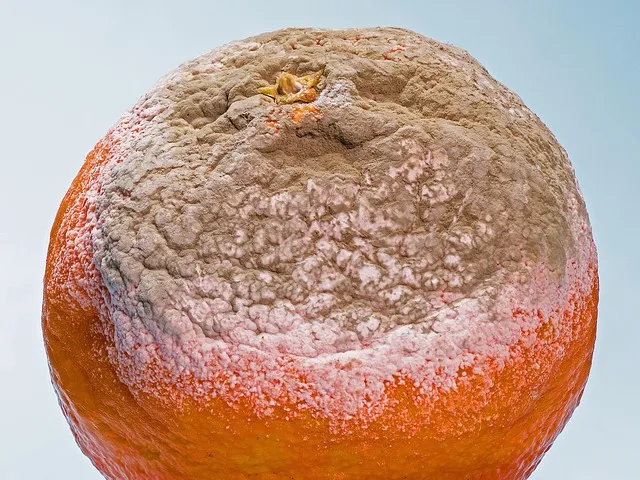
Respond to water damage immediately. The 24-48 hour window before mold establishes is real and critical. Any water intrusion — pipe burst, roof leak, flooding — requires immediate drying using fans, dehumidifiers, and professional water mitigation if the area is larger than a few square feet. Delay is expensive; mold grows rapidly once established and remediation costs grow exponentially with the extent of contamination.
Maintain indoor humidity between 40-55%. This range prevents both mold growth, which requires above 60% relative humidity, and dust mite proliferation, which favors above 50%. Monitor with a hygrometer costing $15-30 at hardware stores. Use exhaust fans in bathrooms and kitchens consistently, running them during and for 15-20 minutes after showering or cooking. Address condensation promptly — it indicates moisture conditions favorable for mold.
Inspect and maintain the building envelope regularly. Check caulking around tubs, showers, and windows annually. Inspect roof condition and attic spaces for evidence of moisture. Ensure bathroom and kitchen exhaust fans vent to the outside and not into attic spaces — a shockingly common construction defect that creates attic mold problems. Clean gutters and ensure downspouts direct water away from the foundation.
Grade soil away from the foundation. The ground immediately adjacent to a home’s foundation should slope away from the building at a rate of at least 6 inches over 10 feet. Flat or inward-sloping ground channels rainfall toward the foundation, promoting basement moisture intrusion and crawl space mold. This is one of the simplest and most impactful moisture control measures for basement-related mold problems.
Bathroom ventilation deserves special emphasis because it’s one of the most common mold-genesis locations in homes and one of the most preventable. Every bathroom should have a mechanical exhaust fan rated for the room size — typically 1 CFM per square foot of floor area as a minimum — that vents to the exterior. Run the fan during and for at least 15 minutes after showering. A bathroom fan that vents into the attic rather than to the exterior is both a building code violation in most jurisdictions and a significant mold risk to the attic structure — correct it proactively before a problem develops.
Crawl spaces deserve particular attention because they’re the least monitored and most moisture-vulnerable area of many homes. Unconditioned crawl spaces with bare soil floors allow ground moisture to evaporate into the crawl space air, creating persistently high humidity conditions that promote mold growth on wood framing. Installing a vapor barrier over the crawl space floor and conditioning the crawl space with supply air significantly reduces moisture and mold risk. This is one of the higher-value investments for homes with persistent moisture and air quality concerns.
Mold in HVAC Systems: The Distribution Problem
HVAC systems are both a mold risk factor and a mold distribution mechanism. When mold colonizes ductwork, air handler components, coils, or drain pans, every cycle of the HVAC system disperses spores and mycotoxins throughout the entire occupied space. A mold problem in the basement HVAC closet becomes a whole-house air quality problem within hours of the system running.
Drain pans beneath air handler units are among the most common mold locations in residential HVAC systems. These pans collect condensate from the cooling coil — warm humid air passing over a cold coil drops moisture that must drain away. When drain lines are partially blocked or the pan isn’t properly pitched to drain completely, standing water accumulates and supports microbial growth including mold and bacteria. Regular drain pan inspection and cleaning during annual HVAC maintenance prevents this common contamination source.
Cooling coils — the refrigerant-cooled fins that dehumidify and cool air — are another common mold site. The combination of moisture from condensation, accumulated organic debris from air passing through, and the temperature differential at the coil surface creates ideal mold conditions. Dirty coils that aren’t cleaned during regular maintenance can develop significant mold and bacterial biofilms that compromise both system efficiency and air quality.
Flexible ductwork in attics and crawl spaces is particularly vulnerable to moisture problems. Thermal bridges, inadequate insulation, and high outdoor humidity can cause moisture condensation on or within duct surfaces, creating conditions for mold growth within the duct liner. Flex duct with mold contamination typically requires replacement — mold grows into the duct liner material in ways that cleaning cannot fully address.
UV germicidal irradiation systems installed in HVAC air handlers — UV-C lights that kill microorganisms on coil surfaces and in passing air — are an evidence-backed preventive technology for HVAC system contamination. Research has shown that in-duct UV-C systems significantly reduce microbial colonization of cooling coils and air handler components. For homes with persistent mold or IAQ concerns, HVAC UV is a legitimate preventive investment that addresses the distribution risk at its source.
Susceptibility: Why Some People Suffer More
One of the confusing aspects of building-related mold illness is that the same home can make one occupant very sick while another shows minimal symptoms. This variability isn’t imaginary — it reflects genuine biological differences in mold susceptibility that have become increasingly understood in recent years.
Genetic susceptibility plays a significant role. Certain HLA-DR (Human Leukocyte Antigen) haplotypes — genetic variants of immune system proteins responsible for recognizing and presenting foreign antigens — appear to impair the body’s ability to clear mycotoxins effectively. Research by Ritchie Shoemaker has identified specific HLA-DR variants that predict susceptibility to building-related illness. An estimated 24% of the population carries a susceptibility haplotype. This is why in families sharing the same water-damaged home, one member may be profoundly ill while another is symptomatic but functional and another shows no symptoms at all.
Pre-existing atopy — the genetic tendency toward allergic sensitization — increases mold sensitization risk. Individuals with atopic dermatitis, hay fever, or allergic asthma are more likely to become sensitized to indoor mold allergens and to experience more severe allergic responses to mold exposure. Sensitization testing through specific IgE testing or skin prick testing can identify which mold species an individual has been sensitized to, helping guide both exposure reduction and treatment decisions.
Immunocompromised individuals face a different and more severe risk from certain mold species. Aspergillus species can cause invasive aspergillosis — a serious and potentially fatal infection — in individuals with severely compromised immune function including those receiving chemotherapy, organ transplant recipients, and those with advanced HIV. For immunocompromised individuals, mold exposure standards should be more stringent and should prioritize avoidance of even brief high-spore exposures.
Prior mold sensitization from past exposure can lower the threshold for symptomatic response to future exposures. Someone who developed mold sensitivity in a previous water-damaged home may react to mold levels that wouldn’t trouble a non-sensitized individual. This history of prior exposure is important context when evaluating symptoms and setting remediation standards — sensitized individuals may need lower mold levels to be comfortable than population-average standards would suggest.
The Cost of Inaction
Mold remediation is expensive — ranging from a few hundred dollars for small contained areas to tens of thousands for significant structural contamination. But the cost of inaction is often higher, and it’s measured in currency that doesn’t appear on contractor invoices.
Real estate value is directly affected by mold contamination. Disclosure requirements in most states require sellers to disclose known mold problems. Buyers who discover undisclosed mold can pursue legal remedies. Properties with documented mold histories sell at discounts that typically far exceed the cost of proper remediation. Addressing mold problems promptly preserves both health and property value.
Health costs from unaddressed mold exposure compound over years. Chronic respiratory symptoms lead to medical visits, medications, and specialty consultations. Time lost to illness — reduced productivity, reduced quality of life, medical appointments — has economic value that isn’t captured in the immediate comparison of remediation cost versus ignoring the problem. Cases exist where years of expensive allergy and respiratory treatment were resolved by mold remediation that cost a fraction of what had already been spent managing symptoms.
Structural deterioration from unaddressed moisture problems accelerates dramatically once mold growth begins. Mold secretes enzymes that break down wood cellulose — the same process that decomposes fallen trees in forests also deteriorates the wooden structural elements of buildings. A small leak left unaddressed for a few years can progress from a simple pipe repair to structural wood replacement, drywall removal, and insulation replacement at orders of magnitude higher cost.
The mold you can see isn’t necessarily the problem. The mold you can smell in a room with no visible growth is the one that keeps you up at night — and should prompt you to find out what’s hiding in your walls.
Mold assessment is one of the most neglected aspects of home health, and one of the most valuable when a problem exists. The combination of biological invisibility, symptom overlap with other conditions, and medical skepticism creates a situation where real building-related illness goes unrecognized for months or years. The tools for finding the problem exist and are accessible. Use them proactively, especially after any water damage event, and before dismissing chronic symptoms that don’t respond to conventional treatment.
The broader lesson here applies across environmental medicine: people are better at managing what they can see than what they can’t. Mold behind walls, mycotoxins in dust, spores in circulating air — these invisible threats demand proactive investigation rather than reactive response to crisis. The investigative framework outlined here — ERMI testing as baseline, professional inspection when symptoms are present or ERMI is elevated, targeted remediation with post-remediation verification, and systematic moisture management to prevent recurrence — provides a complete approach that addresses both the acute problem and the long-term risk.
Anyone living in a home that has experienced water damage, that has musty odors, or where an occupant has chronic symptoms that don’t respond to conventional treatment should take the first step. Order an ERMI test. It costs around $200 and can tell you definitively whether the home’s mold burden is elevated. The worst outcome is confirming the home is fine and moving on. The best outcome is catching a problem that’s been silently compromising someone’s health — and fixing it.
Mold Biology Q&A: Your Questions Answered
- If I can’t see mold but have a musty smell, should I test? Yes — musty odor without visible mold is a strong indicator of hidden mold growth. Start with ERMI dust testing as the most cost-effective first step, and if elevated, proceed to professional inspection to locate the source before remediation. Don’t wait for the smell to go away; it won’t unless the underlying mold growth is addressed.
- Is black mold (Stachybotrys) the only dangerous mold? No — multiple mold species produce mycotoxins and cause health effects. Aspergillus, Penicillium, and Chaetomium species are more commonly found in water-damaged buildings than Stachybotrys and warrant remediation when found in significant quantities. The toxic black mold framing has both overstated the unique danger of Stachybotrys and understated the relevance of other species.
- Should I test before buying a home? Yes — particularly for homes with any history of water damage, flooding, or roof issues, or homes that have been vacant where reduced ventilation promotes mold growth. Add a mold contingency to real estate purchase contracts and have a professional inspection conducted before closing. The cost of testing at $300-700 is trivial compared to the potential remediation cost of a significant mold problem or the years of health effects from occupying a mold-contaminated building.
- Can air purifiers help with mold exposure? HEPA air purifiers capture mold spores effectively and can reduce airborne spore concentrations. They cannot address mycotoxins on surfaces, mold fragments embedded in materials, or the underlying moisture problem driving mold growth. Air purifiers are a useful adjunct to remediation — and a temporary protective measure during the remediation process — but not a substitute for actually fixing the problem.
- A contractor says the mold test kit from the hardware store showed mold. Does that mean there’s a problem? Consumer petri dish tests reliably detect mold because mold spores are everywhere. A positive result means almost nothing without quantification and outdoor baseline comparison. Don’t let a positive consumer test kit result drive expensive remediation decisions — ERMI or professional air sampling provides interpretable data before spending significant money. Conversely, a negative consumer test doesn’t mean a home is mold-free; the test’s limitations mean false negatives are common for hidden mold growth.
- Is bleach effective for mold remediation? Bleach kills surface mold on non-porous surfaces and is appropriate for small surface areas on tile, glass, or metal where the mold is purely on the surface. It is not effective for porous materials like drywall, wood, or grout where mold has penetrated into the material. Applying bleach to contaminated drywall may remove the visible surface color while leaving live mold and mycotoxins within the material. The EPA guidance recommends physical removal of contaminated porous materials rather than surface chemical treatment for significant mold problems.
- How can symptoms be distinguished as mold-related versus allergies or another environmental cause? The most useful diagnostic test is observation of the pattern: do symptoms improve significantly after several days away from home? Do they return reliably within 24-48 hours of coming home? This home-specific pattern is the strongest indicator of building-related illness. Allergen-specific IgE testing for common mold species can identify specific mold sensitivities that support the diagnosis. Objective improvement of symptoms following occupancy of a different environment — staying elsewhere for a week — is often more diagnostically useful than any laboratory test in identifying building-related illness.
The Practical Framework: Applying Mold Grows Biology Need In Real Life
References
Editorial StandardsCorrectionsMedical DisclaimerAbout Our ContentAffiliate DisclosureSite Map