

No visible mold. No obvious musty smell — they’d attributed the occasional earthy scent to the Pacific Northwest climate generally. Nothing that looked remotely like the dramatic black mold pictures they found on internet searches. A professional inspector, when they finally called one, found significant Stachybotrys chartarum behind the bathroom wall and Penicillium throughout the HVAC system.
The house had been making the children sick for two years while the family operated on the assumption that invisible meant safe.
Mold is a biological contaminant with well-documented health effects ranging from mild respiratory irritation to serious chronic illness, and it’s profoundly misunderstood by most homeowners. The misunderstanding runs in both directions: dramatic overconcern about trace mold presence representing normal background levels, and dangerous underconcern about significant hidden growth precisely because it isn’t visible on surfaces.
Developing an accurate understanding of mold biology, health risk, testing methods, and remediation decisions is one of the most practically important environmental health skills a homeowner or renter can develop.
What follows covers what mold actually is, how it grows, what health effects are and are not scientifically established, how to test for mold (and which tests are worth doing), how to interpret results, and when professional remediation is warranted versus when DIY intervention is appropriate. The goal is replacing anxiety and confusion with competent, evidence-based action.
Mold Biology: What You Are Actually Dealing With
Mold is a colloquial term for a diverse group of multicellular fungi that grow in filamentous structures called hyphae and reproduce through spores. Tens of thousands of identified mold species exist, of which a relatively small number are clinically relevant as indoor health concerns. Understanding the biology of mold growth — what it requires, how it spreads, what it produces — is foundational to both preventing and detecting it.
Mold requires four conditions to grow: a carbon-based substrate (virtually any organic material — wood, drywall paper, fabric, insulation, food), moisture (relative humidity above 60 to 70 percent at the surface, or liquid water contact), oxygen, and a suitable temperature range (most indoor molds grow optimally between 50 and 95 degrees Fahrenheit, with maximum growth near 70 to 80 degrees).
Of these, moisture is the controllable rate-limiting factor in nearly all indoor mold situations — the others are invariably present in habitable buildings. Controlling moisture is therefore the single most important action in mold prevention, full stop.
Mold colonizes surfaces through spore deposition and germination. Spores are ubiquitous in outdoor and indoor air — there’s no such thing as a spore-free environment, and the presence of mold spores in indoor air at low concentrations is normal, not a health concern in itself. The problem arises when spores land on a surface providing adequate substrate and moisture for germination and hyphal growth. Under favorable conditions, visible mold colonies can establish within twenty-four to forty-eight hours.
Under persistently moist conditions, colonies grow laterally and through substrate materials, eventually penetrating structural components and making remediation progressively more difficult and expensive.
The clinically most concerning indoor mold genera include Stachybotrys (the “black mold” of popular concern), Aspergillus, Penicillium, Cladosporium, and Alternaria. Stachybotrys chartarum requires very high sustained moisture levels (chronically wet materials) and produces mycotoxins — secondary metabolites with documented toxicological effects — when growing on cellulose-rich substrates. But the vilification of Stachybotrys as uniquely dangerous has been overstated: other mold genera, particularly some Aspergillus species, pose serious health risks in immunocompromised individuals that are arguably greater than Stachybotrys.
The health impact of mold depends on species, spore concentration, individual susceptibility, and duration of exposure — not on which genus happens to be present.
Health Effects of Mold Exposure: What Science Actually Supports
The public discourse about mold health effects is polarized between alarmist claims (mold causes everything from autism to dementia) and dismissive responses (mold is a normal part of the environment and healthy people have nothing to worry about). Both extremes misrepresent the evidence. Understanding what is and isn’t scientifically supported helps calibrate appropriate concern.
Well-established mold-related health effects in normal, immunocompetent individuals include: allergic rhinitis (nasal congestion, sneezing, nasal itching, postnasal drip), allergic asthma (exacerbation of existing asthma and, in some cases, new-onset asthma), hypersensitivity pneumonitis (an inflammatory lung condition triggered by immune response to inhaled organic dust including mold spores), and skin and mucous membrane irritation from direct contact.
These effects are most pronounced in individuals with pre-existing atopy (allergic conditions) and in children, whose developing immune systems react more strongly to environmental antigens.
A landmark 2004 report by the Institute of Medicine (now the National Academy of Medicine), “Damp Indoor Spaces and Health,” found “sufficient evidence of an association” between damp or moldy indoor environments and upper respiratory tract symptoms, cough, wheeze, and asthma symptoms in otherwise healthy people. The report found “sufficient evidence of a causal relationship” between damp indoor environments and new cases of asthma in children.
These findings have been replicated in multiple subsequent systematic reviews and represent the most rigorous consensus on indoor mold health effects currently available.
More contested is the question of mycotoxin-related systemic illness — sometimes labeled “toxic mold syndrome” — in occupants of mold-contaminated buildings. A 2004 CDC review found insufficient evidence to support a causal relationship between exposure to mycotoxins from Stachybotrys and systemic illness in otherwise healthy individuals at the concentrations encountered in indoor environments.
This conclusion has been debated, though, and more recent research has found detectable mycotoxins in the urine of occupants of mold-contaminated buildings at concentrations suggesting biologically relevant exposure. The causal chain between detected mycotoxins and specific clinical outcomes remains incompletely established, but the biological plausibility of harm is sufficient to take contamination seriously even absent definitive epidemiological proof.
In immunocompromised individuals (chemotherapy patients, organ transplant recipients, HIV-positive individuals, those on long-term corticosteroids), certain mold species — particularly Aspergillus fumigatus and closely related species — are capable of causing invasive fungal infection (invasive aspergillosis), carrying a case fatality rate of 30 to 90 percent despite antifungal treatment. For immunocompromised individuals, avoidance of mold-contaminated environments is not precautionary. It’s essential.
Visual Inspection: The First Assessment Step
Any mold assessment begins with thorough visual inspection, which requires understanding both what to look for and where to look. Visual inspection is free, immediate, and provides information guiding all subsequent testing and remediation decisions. It’s also inherently limited — mold often grows in locations not visible to routine inspection, and the absence of visible mold doesn’t rule out significant hidden growth.
Visible mold presents as discoloration on surfaces, typically in patterns ranging from spots to patches to extensive coverage. Colors vary by species and growth stage: white, gray, green, black, and orange are all possible, and the commonly emphasized black color of Stachybotrys is not a reliable visual discriminator — many non-toxic molds are dark-colored, and some potentially harmful molds are white or green. Surface appearance alone cannot identify mold species; laboratory analysis is required for that.
Locations requiring particular attention during visual inspection include: all bathroom surfaces (grout, caulking, shower pan, window frames, below sinks), kitchen areas (under sinks, behind appliances, around refrigerator drip pans), basement and crawlspace surfaces (floor joists, wall framing, insulation), attic surfaces (roof sheathing, rafters, insulation), HVAC system components (air handler, ductwork visible at registers), around all windows (window sills, frames, and the wall beneath leaking windows), and any areas of known or suspected water intrusion or flooding history.
A moisture meter (capacitance-based, available for $30 to $100) can identify elevated moisture in structural materials that may indicate active or recent water intrusion even absent visible mold. A reading above the “wet” threshold in wall framing, floor joists, or subfloor indicates moisture levels that support mold growth and should trigger investigation for the moisture source, regardless of surface appearance.
An infrared thermometer or thermal imaging camera (the latter standard equipment for professional inspectors) can identify thermal anomalies indicating water infiltration, evaporative cooling from wet materials, or insulation gaps creating condensation surfaces — all precursors to mold growth.
Air Sampling: When It Is Useful and When It Is Not

Spore trap air sampling uses a calibrated air pump to draw a known volume of air through an adhesive substrate, capturing spores that then get microscopically analyzed in a laboratory. Results report spore types and concentrations in the sampled air.
The most common and well-validated interpretation framework compares indoor spore concentrations to simultaneously collected outdoor samples: indoor spore levels significantly elevated above outdoor baseline, particularly of species typically low in outdoor air (like Stachybotrys, which is primarily an indoor mold with very low outdoor spore counts), suggest indoor mold amplification.
The limitations of spore trap sampling are significant: it captures only spores actively airborne at the moment of sampling. Mold growing behind walls or in HVAC systems may not be releasing spores into room air at the time of sampling. Conversely, disturbing a mold-contaminated surface immediately before sampling (during cleaning or renovation) can produce artificially elevated spore counts. Single-point sampling on a single day provides a snapshot, not a representative average.
A clean air sample does not rule out hidden mold with high confidence.
PCR-based air sampling (quantitative PCR or qPCR, marketed under various brand names including ERMI and HERTSMI-2) analyzes settled dust from carpets and surfaces rather than instantaneous air samples, providing a time-averaged measure of what’s settled from the air over weeks to months. The ERMI (Environmental Relative Moldiness Index) is a validated index developed by EPA researchers, calculating a score based on the ratio of water-indicator mold species to common outdoor mold species in the sample.
Research by Vesper and colleagues has found ERMI scores above 5 associated with increased asthma risk in children. HERTSMI-2 is a simplified five-species scoring tool with similar validation. These dust-based PCR methods provide more temporally representative information than instantaneous air sampling and are particularly useful for characterizing HVAC-distributed mold exposure.
Limitations of PCR-based methods include high cost ($200 to $500 for ERMI analysis), sensitivity to vacuum technique and sample location, and the challenge of interpreting results absent comparison to an established baseline for a given building type and climate. Consumer ERMI test kits are available for self-collected samples sent to certified laboratories — result quality depends substantially on sampling technique, and interpretation requires some familiarity with the research literature on ERMI score ranges.
Surface Sampling: Swab, Tape, and Bulk Testing
Surface sampling methods collect mold material directly from visible or suspected contaminated surfaces for laboratory analysis. More targeted than air sampling, and they provide more reliable identification of specific mold genera and species when contamination is suspected at a specific location.
Tape lift sampling uses clear adhesive tape pressed onto a surface, collected, and submitted to a laboratory for microscopic examination. Provides species identification and relative abundance from the sampled surface at very low cost ($5 to $15 per sample, plus laboratory fees of $25 to $50 per sample). Most appropriate for visible surface growth needing species identification, or for identifying whether a discoloration is mold versus other organic growth (algae, dirt, efflorescence).
Swab sampling uses a sterile swab rubbed across a surface, then cultured in a laboratory to grow and identify mold colonies. Culture-based analysis identifies viable (living) mold, provides species identification, and in some cases allows mold subspecies characterization relevant to specific health concerns. Culture results take longer (seven to fourteen days) than direct microscopy of tape lifts (twenty-four to forty-eight hours).
The combination of tape lift (total spore count including dead spores) and culture (viable mold identification) provides the most complete surface contamination characterization available.
Bulk sampling involves collecting a physical piece of suspect material (drywall, insulation, wood) and submitting it for laboratory analysis. Provides the most comprehensive characterization of contamination within a material, including growth below the surface that surface sampling methods miss entirely. Bulk sampling is most useful when assessing whether structural materials in a water-damaged area have been colonized to a degree requiring replacement versus cleaning and treatment.
Interpreting Mold Test Results: What Numbers Mean
Mold test results are reported in units often confusing to non-specialists. Understanding what the numbers mean and how to interpret them in context is essential for rational remediation decisions rather than anxiety-driven responses to any positive result.
Air sample results are typically reported as spore counts per cubic meter of air (spores/m3). There’s no universally agreed “safe” threshold for total spore counts — significance depends on species composition and the outdoor comparison sample. A total indoor count of 3,000 spores/m3 composed primarily of Cladosporium and Penicillium, with an outdoor count of 4,000 spores/m3 of similar composition, represents normal indoor air quality.
A total indoor count of 800 spores/m3 that includes 200 spores/m3 of Stachybotrys (which typically has near-zero outdoor counts) indicates significant indoor amplification even at a low total count.
The general principle for air sample interpretation: indoor samples should show lower total spore counts than simultaneously collected outdoor samples, and shouldn’t show high concentrations of species uncommon in outdoor air. Any Stachybotrys in indoor samples at counts above background (more than 1 to 2 spores per sample) is considered significant, because this species has essentially no outdoor presence. Elevated counts of any single indicator species substantially exceeding outdoor comparison levels warrants investigation for the source.
ERMI scores above 5 have been associated in research studies with increased asthma risk in children; scores above 12 have been associated with more severe respiratory effects and greater likelihood of significant mold contamination. ERMI score validation has been primarily conducted in specific geographic regions and housing types, though, and application in different contexts requires calibration. An ERMI score below 5 does not guarantee absence of health-relevant mold exposure, particularly for highly susceptible individuals.
Remediation Decision-Making: DIY Versus Professional

The EPA’s Mold Remediation in Schools and Commercial Buildings guidance (also widely applied to residential settings) provides the most widely cited size-based decision framework. Contamination covering less than 10 square feet (roughly 3 feet by 3 feet) of non-HVAC surface area is generally appropriate for DIY remediation if the underlying moisture source can be identified and corrected. Contamination between 10 and 100 square feet should involve an experienced remediator or professional inspection before proceeding.
Contamination covering more than 100 square feet, any contamination within the HVAC system, and any situation where the moisture source isn’t clearly identifiable warrant professional remediation with appropriate containment protocols.
The critical prerequisite for any remediation is identifying and correcting the moisture source. Removing mold without eliminating the moisture that sustains it guarantees regrowth. Moisture sources requiring professional assessment include roof leaks (which may be distant from visible interior damage), foundation water infiltration, plumbing leaks within walls, HVAC condensation or drainage issues, and vapor drive through building assemblies. Identifying the true moisture source often requires more investigation than surface observation reveals.
Professional remediation involves: containment of the work area (polyethylene sheeting, negative pressure to prevent cross-contamination), proper personal protective equipment (P100 respirators, disposable Tyvek suits, gloves), removal of contaminated porous materials (drywall, insulation, carpet) that cannot be cleaned, HEPA vacuuming and physical cleaning of remaining surfaces, and clearance testing after remediation to confirm successful removal. The Institute of Inspection Cleaning and Restoration Certification (IICRC) S520 Standard for Professional Mold Remediation provides the technical framework most professional remediators follow.
Prevention: Stopping Mold Before It Starts
Preventing mold is dramatically cheaper and more effective than remediating it after establishment. The prevention framework focuses on the single controllable factor in mold growth: moisture.
Bathroom and kitchen ventilation is the first line of defense against humidity-driven mold. Bathroom exhaust fans should run during and for thirty minutes after showering (smart ventilation fans with built-in humidity sensors that run until relative humidity drops below 60 percent are now widely available for $50 to $150 and automate this requirement). Kitchen range hoods that vent outdoors (not recirculating) remove cooking moisture before it deposits on surfaces.
These two interventions alone eliminate the vast majority of residential mold conditions developing from normal occupant activities.
Water intrusion events (flooding, roof leaks, plumbing failures) require rapid response. The twenty-four to forty-eight hour establishment window for mold means thorough drying within this timeframe prevents mold growth in most cases. Professional water damage restoration companies using industrial dehumidifiers and air movers can dry structural materials far faster than consumer equipment — calling for professional drying within the first twelve to twenty-four hours of a water intrusion event is the appropriate response for anything beyond trivial spills.
Building envelope maintenance — sealing foundation cracks, maintaining proper window and door seals, ensuring adequate roof drainage, and inspecting flashing and roof penetrations annually — addresses the structural moisture pathways that allow chronic low-level water infiltration, creating the sustained moist conditions most conducive to mold colonization. These maintenance activities are unglamorous and easily deferred, but they’re far cheaper than the remediation costs they prevent.
Mold Biology Actually: Your Questions Answered
Q: Is black mold uniquely dangerous compared to other molds?
No. “Black mold” as a category isn’t scientifically meaningful — many different mold species are black, and the color of mold growth doesn’t reliably indicate health risk. Stachybotrys chartarum, commonly called black mold and genuinely a concerning species associated with significant moisture intrusion, requires specific conditions (chronically wet cellulose-based materials) that limit its prevalence.
Aspergillus species, which can be green, yellow, or white, pose serious health risks in immunocompromised individuals that are arguably greater than typical Stachybotrys exposure in a damp residential building. Health risk depends on species identity (requiring laboratory analysis), concentration, and individual susceptibility — not the visual appearance of growth color.
Q: Can I test for mold myself without professional help?
Consumer mold test kits (petri dishes with growth medium, or tape lift kits sent to laboratories) are available for $20 to $100 and provide legitimate information about mold presence and species in some situations. Their limitations are significant, though: they don’t quantify air concentrations meaningfully, they depend heavily on user technique, and they don’t provide the outdoor comparison samples needed to interpret indoor results in context.
For initial screening of suspected surface mold, a consumer tape lift kit sent to a certified laboratory provides reasonable information at low cost. For characterizing air quality or hidden contamination, professional sampling with simultaneous outdoor comparison and expert interpretation provides substantially more reliable and actionable information.
Q: My landlord says the mold is not their problem. What are my rights?
Landlord obligations for mold in rental properties vary by state, but the underlying legal framework in most jurisdictions is the implied warranty of habitability: landlords are legally required to maintain rental units in habitable condition, and significant mold contamination threatening occupant health violates this warranty. Some states (including California, Indiana, Texas, and Maryland) have explicit mold-specific statutes.
Regardless of explicit mold statutes, tenants in most jurisdictions have the right to withhold rent, repair and deduct, or pursue lease termination remedies when habitability is compromised. Documenting mold conditions with photographs, professional testing, and written communication with the landlord (always in writing, with records kept) is essential for protecting tenant rights.
Q: Are mold-resistant building materials worth the cost?
In moisture-prone locations (bathrooms, basements, around windows), mold-resistant products provide genuine and significant value. Mold-resistant drywall (paperless drywall using fiberglass or other non-organic facings instead of paper) eliminates the primary substrate for Stachybotrys and significantly impedes growth of other mold genera compared to paper-faced drywall. The cost premium over standard drywall is modest ($0.10 to $0.20 per square foot), and the reduction in mold risk in bathroom walls, basement walls, and any area with moisture exposure history is substantial.
Similarly, mold-resistant grout, caulk, and paint products provide meaningful protection in high-humidity surfaces, though no material is completely mold-proof if moisture conditions are severe enough.
Q: How much does professional mold remediation typically cost, and does insurance cover it?
Professional mold remediation costs vary enormously by contamination extent, materials affected, and labor costs in different markets. Small-area remediation (under 10 square feet, single room) typically costs $500 to $2,000. Moderate remediation (multiple rooms or materials requiring structural repair) runs $3,000 to $10,000. Extensive remediation involving structural components, HVAC systems, or whole-house contamination can exceed $20,000 to $50,000.
Insurance coverage depends on the cause: mold resulting from a sudden covered event (burst pipe, roof leak from a covered storm) may be covered as a consequential loss; mold from long-term moisture intrusion, flooding, or owner neglect is typically not covered under standard homeowner’s policies. Water backup riders and mold endorsements are available in some markets and are worth reviewing with an insurer.
Mold is not a monster that appears randomly to destroy your home. It is a predictable biological system that responds to moisture. Understand where moisture comes from in your building, respond rapidly when it appears, maintain the envelope that keeps it out, and test when symptoms suggest exposure you cannot explain by other means. The families who suffer most from mold damage are not those with bad luck. They are those who waited too long to look.
The Petersons spent $18,000 on remediation over three months. Their daughters’ respiratory symptoms resolved within six weeks of moving back into the remediated home. Their pediatrician told them the correlation with the mold exposure was as clear as anything she’d seen in practice.
The irony was that the whole situation was preventable: the bathroom had been poorly ventilated for years before they bought the house, and a $150 humidity-sensing exhaust fan installed at move-in would likely have prevented the entire colonization event. The ten thousand dollars they spent learning this lesson is now available to anyone willing to read it for free.
Mold and HVAC Systems: The Distribution Problem
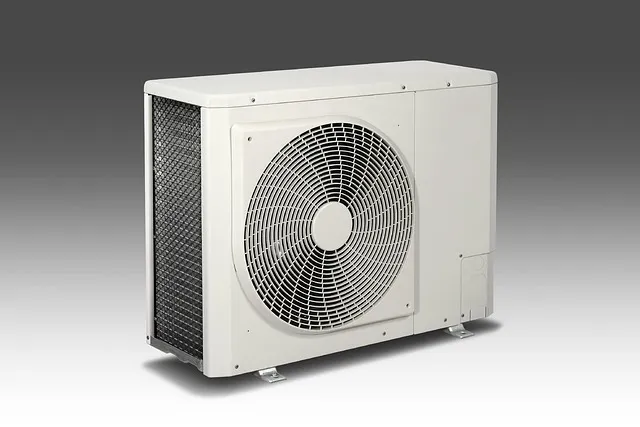
Evaporator coils in central air conditioning units operate in a continuously moist environment: cooling the coil below the dew point condenses water vapor from the air, creating a wet surface that’s an ideal mold substrate. Most residential HVAC systems have some degree of microbial growth on or near the evaporator coil, and the question is whether growth sits at background levels or is significantly amplified.
Signs of HVAC mold amplification include musty odors when the system first activates, visible discoloration around supply registers, or elevated indoor spore counts that improve when the HVAC is switched off.
HVAC mold inspection requires access to the air handler and in some cases ductwork, and it’s best performed by an HVAC technician or an indoor environmental professional familiar with HVAC systems. Remediation of HVAC mold typically involves professional cleaning of coils and drain pans, ductwork cleaning where contamination has spread, and addressing any design deficiencies (inadequate condensate drainage, air handler location in high-humidity spaces, insufficient insulation on cold supply plenums that create condensation surfaces) that allow moisture to accumulate.
UV-C germicidal lamps installed adjacent to HVAC coils are a validated technology for preventing biological growth on coil surfaces. A 2001 study published in the Journal of Allergy and Clinical Immunology found UV-C coil irradiation in a commercial HVAC system reduced airborne mold spore concentrations by 99 percent and eliminated coil-surface microbial growth over a twelve-month period.
Consumer-grade UV-C lights installed in air handlers are available for $100 to $400 and represent a cost-effective preventive measure, particularly in humid climates where HVAC coil condensation is a chronic moisture source. They must be properly sized and positioned for adequate UV dose delivery — consult installation guidelines or an HVAC professional for correct placement.
HVAC air filtration is a first line of defense against mold spore distribution through the system. Minimum MERV 11 filter rating (capturing particles down to 0.3 to 1.0 microns) provides meaningful mold spore capture in supply air; MERV 13 is recommended in high-spore environments or for occupants with mold allergies. Higher-MERV filters also increase HVAC static pressure, though, and may reduce airflow through undersized systems — compatibility with the specific system should be verified before upgrading filter rating.
Changing filters every one to three months (rather than the often-recommended three to six months) in humid climates prevents filter bypass as the filter medium becomes loaded with captured particles and moisture.
Mycotoxins: The Science Behind the Controversy
Mycotoxins are secondary metabolites produced by certain mold species under stress conditions (particularly moisture and substrate limitation), with documented toxicological effects on mammals at sufficient exposure levels. The controversy about mycotoxin illness in building occupants reflects a genuine scientific uncertainty worth understanding accurately, not dismissing outright.
The best-characterized mycotoxins include aflatoxins (produced by Aspergillus flavus and A. parasiticus, primarily in food rather than building contexts), trichothecenes (produced by Stachybotrys and Fusarium species), and ochratoxin A (produced by several Aspergillus and Penicillium species). Trichothecenes from Stachybotrys are the compounds most commonly implicated in building-related illness claims, based on laboratory studies demonstrating immunosuppressive and cytotoxic effects at relatively low concentrations in cell cultures and animal models.
The challenge for human exposure assessment is translating laboratory toxicological data to realistic building exposure concentrations. Several studies have detected trichothecenes in the urine of individuals living in Stachybotrys-contaminated buildings at concentrations suggesting absorption — research by Dennis and colleagues at Rutgers University found satratoxins (specific trichothecenes) in the urine of symptomatic occupants of water-damaged buildings.
Whether these detected levels are sufficient to cause the broad systemic symptoms sometimes attributed to “toxic mold syndrome” remains debated, with the scientific consensus concluding that current evidence is suggestive but not definitive for most systemic effects beyond respiratory inflammation.
The practical implication of this uncertainty is precautionary: exposure to Stachybotrys and other toxigenic molds should be minimized regardless of where the causal threshold for systemic effects lies. The well-established respiratory and allergenic effects alone justify prompt remediation; the additional possibility of mycotoxin-mediated effects at higher exposure levels provides further reason not to delay action.
Testing for urinary mycotoxins, while technically available through some specialty laboratories, is not currently standard practice in clinical medicine, and its clinical utility for guiding individual treatment decisions remains uncertain.
Mold Testing for Real Estate Transactions
Real estate transactions represent the highest-stakes context for mold assessment: buying a home with significant undisclosed mold contamination creates health, financial, and legal complications that can persist for years. Understanding what testing is appropriate at the due diligence stage protects buyers without unnecessarily alarming sellers over normal background mold presence.
Standard home inspections, performed by generalist home inspectors, are not designed to comprehensively assess mold risk. Inspectors observe and document conditions visible at the time of inspection but typically don’t perform moisture measurements in walls, conduct air sampling, or inspect within HVAC systems beyond basic visual checks. A “passed” home inspection doesn’t mean the home is mold-free; it means no obvious visible mold was documented during the inspection.
For properties with any of the following risk factors, specialized mold assessment before purchase is prudent: visible water staining anywhere in the structure; musty or earthy odors; history of flooding (obtain flood history from the seller’s disclosure and from FEMA flood data); basement or crawlspace with moisture indicators; HVAC system more than fifteen years old; previous mold disclosure by the seller; or buildings in climates with high ambient humidity (Gulf Coast, Pacific Northwest, Florida).
Specialized mold assessment by a certified industrial hygienist (CIH) or other indoor environmental professional is distinct from home inspection and typically costs $400 to $1,500 depending on building size and scope of assessment.
The value of pre-purchase mold testing isn’t finding mold that would be “deal-breakers” — it’s finding mold that can be remediated with appropriate cost adjustment or seller disclosure remediation before closing. A $15,000 remediation credit on a $500,000 home price accurately reflects the cost of a known condition and allows the transaction to proceed with proper financial accounting.
The alternative — discovering the condition after closing — typically involves the full cost of remediation, significant emotional stress, and complex insurance and legal questions that are far more expensive to work through than transparent pre-purchase assessment.
The Practical Framework: Applying Mold Biology Actually Dealing In Real Life
References
Editorial StandardsCorrectionsMedical DisclaimerAbout Our ContentAffiliate DisclosureSite Map