
The Week Elena Changed Her Mind About Food

Then her doctor mentioned the word “Mediterranean” and handed her a pamphlet. Elena went home, read it, and discovered she’d been running a mediocre approximation of a dietary pattern with more rigorous evidence behind it than almost anything else in nutrition research. She was eating some of the same foods but missing the structure — the olive oil, the fish, the legumes, the specific architecture that produces the documented outcomes.
She needed a plan. Specifically, a seven-day plan showing her what the Mediterranean diet actually looks like on a plate — not abstract principles, but real meals with real foods. This article provides exactly that, plus the science that makes it worth following and a shopping list that makes it actionable.
What the Mediterranean Diet Actually Is
- Olive oil as the primary fat: Not a condiment — the central cooking fat. Extra-virgin olive oil provides monounsaturated fatty acids (MUFA), polyphenols (hydroxytyrosol, oleuropein), and anti-inflammatory compounds. 3-5 tablespoons daily is typical in authentic Mediterranean eating.
- Abundant vegetables: 3-6 servings daily across multiple colors and preparation methods — raw, sautéed in olive oil, roasted, in soups. Tomatoes, eggplant, peppers, onions, garlic, leafy greens, artichokes, fennel.
- Legumes: 3-4 times per week minimum. Lentils, chickpeas, cannellini beans, fava beans. These provide plant protein, soluble fiber, and resistant starch that serve as prebiotic fuel for the gut microbiome.
- Whole grains: Not refined flour products — actual whole grain bread, farro, barley, whole grain pasta (in moderate portions). The glycemic load is moderated by fiber content and typical preparation with olive oil and vegetables.
- Fish and seafood: 2-3 times per week. Especially fatty fish (sardines, anchovies, mackerel, salmon) for EPA and DHA. Shellfish for zinc, copper, and selenium.
- Moderate poultry and eggs: Several times per week. Not the protein foundation — a complement to fish and legumes.
- Fruits: 2-4 servings daily. Fresh, seasonal, diverse. Not fruit juice. The intact fiber is part of what makes fruit’s glycemic impact manageable.
- Nuts and seeds: Daily. Walnuts, almonds, hazelnuts, pine nuts. Small handfuls as snacks or in dishes.
- Herbs and spices: Extensively. Basil, oregano, rosemary, thyme, parsley, mint, sage, za’atar. Not garnishes — polyphenol delivery vehicles.
- Red meat: Minimal — a few times per month, not weekly. When consumed, whole cuts rather than processed meat.
- Dairy: Primarily fermented — yogurt, aged cheeses like feta, pecorino, aged manchego. Not milk-as-a-beverage.
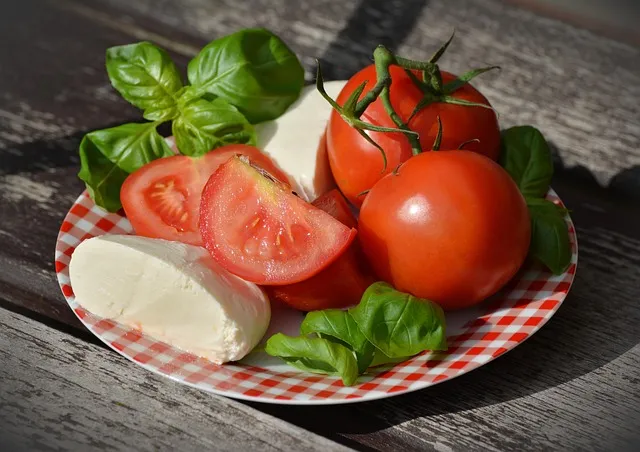
The core elements:
This dietary pattern is characterized by high consumption of polyphenol-rich plants, fiber from multiple sources, anti-inflammatory fats from olive oil and fish, and fermented dairy — plus the absence of ultra-processed food, refined sugar, and refined vegetable oils. This combination has more large-scale randomized controlled trial evidence behind it than any other dietary pattern in nutrition science. Full stop.
The Evidence That Justifies the Seven Days

The trial was stopped early. The benefit in the Mediterranean diet groups was so substantial that continuing the control group was considered unethical. At 5 years, both Mediterranean diet groups showed roughly a 30% relative risk reduction in major cardiovascular events (heart attack, stroke, cardiovascular death) compared to control. That effect size was larger than many pharmaceutical interventions in cardiovascular medicine.
The mechanistic sub-studies that came out of PREDIMED are worth a paragraph on their own, because they explain why the topline number holds up. Estruch and colleagues, publishing follow-up analyses in Circulation and Clinical Nutrition, tracked endothelial function (the ability of blood vessel walls to dilate appropriately — a strong predictor of future cardiovascular events independent of cholesterol) and found measurable improvement in the Mediterranean diet arms within one year. LDL particles also became less prone to oxidation — oxidized LDL, not raw LDL count, is the form that actually drives atherosclerotic plaque formation, and the olive oil polyphenol group showed a specific reduction in oxidized LDL that the nut-supplemented group didn’t match as strongly. Which suggests the polyphenols themselves, not just the monounsaturated fat, are doing independent work here — a detail that gets lost when the trial gets summarized as “eat more olive oil.”
PREDIMED-Plus, an updated version involving over 6,000 participants, is ongoing and has already produced data showing improvements in weight, waist circumference, blood pressure, blood glucose, and inflammatory markers.
Beyond cardiovascular disease, the evidence spans type 2 diabetes prevention (multiple meta-analyses show 20-30% risk reduction), cognitive decline prevention (the MIND diet, a Mediterranean-DASH hybrid, shows 35-54% reduced Alzheimer’s risk in observational studies), depression and mental health (multiple trials show reduced depressive symptoms), inflammatory biomarkers (consistent reductions in CRP, IL-6, and others), and all-cause mortality (a 2018 BMJ meta-analysis found 9-12% reduced all-cause mortality with Mediterranean diet adherence).

The 7-Day Mediterranean Template
Here’s Elena’s first week on the Mediterranean diet — a practical meal plan that stays true to the pattern’s principles while remaining achievable in a modern kitchen with reasonable cooking skills.
Day 1 (Monday)
Breakfast: Greek yogurt (full-fat, plain) topped with a handful of walnuts, drizzle of honey, sliced figs. Coffee or green tea.
Lunch: Large salad with romaine, cucumber, cherry tomatoes, Kalamata olives, feta cheese, chickpeas, and lemon-olive oil dressing. Whole grain pita.
Dinner: Grilled salmon with herbed olive oil, roasted asparagus with garlic, and a small portion of brown rice cooked with saffron.
Snack: Apple slices with almond butter.
Day 2 (Tuesday)
Breakfast: 2 eggs poached or fried in olive oil on whole grain toast, with half an avocado and sliced tomatoes. Fresh orange juice (small).
Lunch: Lentil soup with carrots, celery, onion, garlic, and a swirl of olive oil. Side salad with greens and lemon dressing.
Dinner: Chicken thighs baked with lemon, olives, capers, and cherry tomatoes on a bed of arugula. Roasted sweet potato.
Snack: Handful of mixed nuts (almonds, walnuts, hazelnuts).
Day 3 (Wednesday)
Breakfast: Oatmeal with olive oil (yes, olive oil — the traditional way), topped with blueberries, flaxseed, and a drizzle of tahini.
Lunch: Whole grain pasta salad with tuna, capers, olives, cherry tomatoes, and parsley in lemon-olive oil dressing.
Dinner: Baked sea bass with herbs, roasted vegetables (zucchini, peppers, eggplant), and white bean puree with garlic and olive oil.
Snack: Sliced cucumber with hummus.
Day 4 (Thursday)
Breakfast: Shakshuka — eggs poached in spiced tomato sauce with bell peppers, onion, cumin, and paprika. Whole grain bread.
Lunch: Greek salad with tuna (large portion, no filler): tomatoes, cucumber, olives, feta, red onion, olive oil, dried oregano.
Dinner: Lamb meatballs with tzatziki over roasted cauliflower. Tabouleh with parsley, mint, bulgur, tomato, and lemon.
Snack: A handful of pistachios, a few dried figs.
Day 5 (Friday)
Breakfast: Whole grain toast with ricotta, honey, sliced strawberries, and crushed pistachios. Coffee.
Lunch: Chickpea and spinach soup with olive oil, garlic, paprika, and lemon. Whole grain roll.
Dinner: Grilled sardines or mackerel with roasted broccolini and garlic, served over farro cooked with vegetable broth.
Snack: Fresh fruit plate with a small piece of dark chocolate (70%+).
Day 6 (Saturday — leisurely)
Breakfast: Spanish tortilla (eggs and potato frittata cooked in olive oil) with a simple green salad.
Lunch: Mezze spread — hummus, baba ganoush, tabbouleh, olives, feta, whole grain pita, stuffed grape leaves.
Dinner: Seafood paella with shrimp, clams, and mussels. Glass of red wine if you drink (one glass with the meal, as Mediterranean custom has it).
Snack: Seasonal fruit.
Day 7 (Sunday)
Breakfast: Sourdough toast (true sourdough, not industrial bread labeled sourdough) with smashed avocado, poached egg, cherry tomatoes, and fresh basil.
Lunch: Minestrone soup with cannellini beans, seasonal vegetables, whole grain pasta, parmesan rind, and a substantial olive oil finish.
Dinner: Slow-roasted chicken thighs with preserved lemon and herbs, braised lentils with spinach, and roasted root vegetables.
Snack: Greek yogurt with a tablespoon of good honey.
The Mediterranean Shopping List
The seven-day template requires these staples — many of which become permanent pantry and refrigerator items rather than weekly purchases:
- Pantry staples (buy once, restock as needed):
Extra-virgin olive oil (one large, high-quality bottle — this is a foundational investment; cheap EVOO is often adulterated)
Canned chickpeas, cannellini beans, lentils (dried are more economical but canned are fine)
Canned tomatoes (San Marzano if possible)
Canned sardines and tuna in olive oil
Whole grain pasta (high-quality Italian brands)
Farro, bulgur, or barley
Brown rice
Dried lentils (red and green)
Nuts (walnuts, almonds, pistachios)
Olives (Kalamata and green)
Tahini
Capers
Dried herbs: oregano, thyme, rosemary, cumin, paprika, za’atar
Dark chocolate (70%+ cacao) - Weekly fresh purchases:
Fish: salmon, sardines or mackerel, white fish (bass, cod)
Eggs (one dozen)
Greek yogurt (full-fat, plain)
Feta cheese
Vegetables: tomatoes, cucumber, peppers, eggplant, zucchini, leafy greens (spinach, arugula, kale), onions, garlic, asparagus or broccolini, seasonal root vegetables
Fruits: berries, figs, citrus, apples, seasonal stone fruit
Fresh herbs: parsley, basil, mint
Whole grain bread (sourdough or genuine whole grain) - Optional proteins:
Chicken thighs (more flavorful and cost-effective than breast)
Lamb (traditional in Greek and Middle Eastern Mediterranean meals)
Shrimp or other shellfish
Ground turkey for meatballs
Olive Oil: The Non-Negotiable Investment
The Mediterranean diet doesn’t work without good olive oil. Not a minor point.
Extra-virgin olive oil’s health benefits come primarily from its polyphenol content (hydroxytyrosol, oleuropein, oleocanthal) and its oleic acid profile. These benefits require genuine extra-virgin oil — cold-pressed without heat or chemical extraction, free oleic acid below 0.8%, with intact polyphenols that haven’t degraded from heat processing or age.
The problem: olive oil fraud is rampant. A 2010 UC Davis study found that 69% of imported olive oils labeled “extra-virgin” failed EVOO standards — lower-grade olive oil, refined olive oil, or blended with other oils (sunflower, soybean, hazelnut) and fraudulently labeled. The cheap bottles on supermarket shelves are frequently not what they claim to be.
How to identify genuine EVOO: buy oil that shows a harvest date (not just a best-by date) from a specific estate or region, in a dark glass bottle (polyphenols degrade with light exposure), with a best-by date within 18-24 months of purchase, and ideally with a seal from an independent certification body (California Olive Oil Council certification is rigorous, or look for DOP/PDO designations from European regulatory bodies). Expect to pay $15-30 for a quality 750ml bottle.
The health benefits live in the polyphenols; cheap fake EVOO delivers neither the taste nor the benefit.
There’s also a rough kitchen test that doesn’t require a lab. Genuine, polyphenol-rich EVOO should produce a peppery bite at the back of the throat — a cough or a slight burning sensation when taken straight, a spoonful at a time. That sensation comes directly from oleocanthal, the same compound responsible for the oil’s anti-inflammatory activity; the sharper the peppery bite, the higher the oleocanthal content, generally speaking. Bland, buttery-tasting olive oil with no bite at all is either an old bottle whose polyphenols have oxidized away, or wasn’t much of an EVOO to begin with. It’s not a substitute for buying from a reputable source, but it’s a fast way to sort out an obviously degraded or low-quality bottle already sitting in the pantry.
Adapting the Mediterranean Diet to Modern Constraints
Authentic Mediterranean eating involves slow meals, fresh local produce, food prepared at home, and the social ritual of eating together. These elements are increasingly hard to sustain in modern life. Here’s how to capture the nutritional essence without the full lifestyle transplant.
- Batch cooking the Mediterranean way: Mediterranean cooking lends itself naturally to batch preparation. A large pot of lentil soup lasts 4-5 days. A batch of roasted vegetables works across multiple meals. Tabbouleh made Sunday still tastes right through Wednesday. The cuisine’s emphasis on beans, grains, and cooked vegetables means leftovers improve rather than deteriorate.
- The olive oil habit: Use EVOO as the default fat for everything that doesn’t require very high heat. Dressing salads, finishing soups, drizzling on bread, sautéing vegetables at medium heat, as a dipping sauce. Target 3-4 tablespoons daily. Replace butter, margarine, and seed oils with EVOO as the primary fat.
- The fish twice-a-week rule: Eat fish twice a week, and the Mediterranean pattern for omega-3 delivery is met. Canned sardines and canned tuna (in olive oil) make this achievable at very low cost. A can of sardines on whole grain crackers with tomatoes is an authentic Mediterranean lunch that takes three minutes to prepare.
- The legume habit: Add beans, lentils, or chickpeas to at least three meals per week. Simplest method: keep canned legumes in the pantry. Add to salads, stir into soups, stir into tomato sauce, mash with olive oil as a side. Three weekly servings of legumes is achievable even for people who don’t think of themselves as cooks.
Mediterranean Meal Plan Q&A About the Mediterranean Meal Plan
Q: Is the Mediterranean diet appropriate for weight loss?
A: The Mediterranean diet wasn’t designed as a weight loss protocol, but it produces modest, sustainable weight loss for most people coming from a standard Western diet. High fiber from legumes and vegetables promotes satiety. High healthy fat content (olive oil, nuts, fatty fish) promotes sustained fullness. Minimal ultra-processed food content cuts the hyper-palatability-driven overconsumption that drives weight gain on Western diets. Multiple randomized trials show the Mediterranean diet produces comparable or slightly better weight loss than low-fat diets, while delivering superior cardiovascular and metabolic benefits.
Q: Do I need to drink wine to follow the Mediterranean diet?
A: No. Wine is a component of traditional Mediterranean eating in some regions, but it isn’t a required element. The cardiovascular benefits attributed to moderate red wine consumption are thought to come from resveratrol and other polyphenols — available from grapes, berries, and non-alcoholic grape juice without the alcohol attached. The Global Burden of Disease study concluded that the safest level of alcohol consumption is zero. Not drinking means missing nothing required in the Mediterranean diet, and the diet’s cardiovascular benefits don’t depend on alcohol consumption.
Q: How does the Mediterranean diet differ from the MIND diet?
A: The MIND (Mediterranean-DASH Intervention for Neurodegenerative Delay) diet was developed by Martha Clare Morris at Rush University specifically to target brain health and reduce Alzheimer’s risk. It combines Mediterranean and DASH elements with specific emphasis on the foods with the strongest evidence for neuroprotection: leafy greens (2+ servings/day), other vegetables (1+ serving/day), berries (2+ servings/week), nuts (5+ servings/week), olive oil as primary fat, whole grains (3+ servings/day), fish (1+ serving/week), beans (4+ servings/week), poultry (2+ servings/week). It restricts red meat (<4 servings/week), butter and margarine (<1 tbsp/day), cheese (<1 serving/week), pastries and sweets (<5 servings/week), fried or fast food (<1 serving/week). The MIND diet is essentially a Mediterranean diet with specificity about which foods matter most for brain health.
Q: Can I follow a Mediterranean diet on a limited budget?
A: Yes. The Mediterranean dietary pattern was historically a peasant diet — affordable staples like lentils, chickpeas, bread, seasonal vegetables, and small amounts of fish and meat. Expensive proteins (fresh salmon, specialty olives) are optional extras. Building the pattern around dried lentils, canned beans, canned sardines, seasonal produce, eggs, whole grain bread, and a quality bottle of olive oil is achievable for less per day than most fast food habits.
Q: How long before I notice benefits from the Mediterranean diet?
A: Different outcomes run on different timelines. Inflammatory biomarkers (CRP, IL-6) may improve within 4-8 weeks. Triglycerides and blood pressure often respond within 6-12 weeks of consistent adherence. Weight and body composition changes come gradually — expect 0.5-1 lb per week if in caloric deficit. Cardiovascular risk reduction plays out over years. Cognitive protection benefits accumulate over decades. Many people notice subjective improvements — better energy, reduced bloating, improved mood — within 2-4 weeks of transitioning from a standard Western diet.
Q: What’s the biggest mistake people make when “trying” the Mediterranean diet?
A: Not using enough olive oil. Most people who adopt a Mediterranean-“inspired” diet interpret it as “Italian food without the pasta” or “Greek food at restaurants” — picking up some elements (tomatoes, olive oil occasionally, some fish) without making olive oil the central fat, without eating legumes three times a week, without reaching 8-10 servings of vegetables and fruits daily. The health benefits come from the full pattern, not the aesthetic associations. A Mediterranean diet without 3+ tablespoons of EVOO daily, regular legumes, fatty fish twice a week, and abundant vegetables is a Mediterranean-adjacent diet — not the dietary pattern PREDIMED demonstrated reduces cardiovascular events by 30%.
Q: Does cooking with olive oil at high heat destroy its benefits?
A: Partially, and it’s a more nuanced question than the “never heat olive oil” claim that circulates online. EVOO’s smoke point runs roughly 375-410°F depending on quality and freshness — comfortably above the temperature range for sautéing, roasting, and most home cooking. Some polyphenol degradation does occur with heat exposure, but a 2018 study in Food Chemistry found that even after extended heating, olive oil’s polyphenol content remained proportionally higher than fresh seed oils, and its oxidative stability (resistance to forming harmful compounds under heat) outperforms most other cooking fats, including butter and refined vegetable oils, thanks to its high monounsaturated fat content. Reserving a portion of the bottle for raw applications — dressings, finishing drizzles, dipping — maximizes polyphenol intake, but cooking with olive oil at normal home-kitchen temperatures is not the mistake it’s sometimes made out to be. The bigger mistake is reaching for a refined seed oil out of a misplaced fear of cooking with olive oil at all.
Elena’s Sixty Days
Elena followed the seven-day plan, then just kept going. She meal-prepped on Sundays — a large pot of beans or lentils, a batch of roasted vegetables, a grain salad. She bought a quality bottle of olive oil and started using it liberally. She added sardines to her shopping list. Surprised herself by actually enjoying them.
It wasn’t uninterrupted. Week three, a work trip took her to three days of airport food and hotel breakfast buffets, and she came home annoyed at how quickly the plan fell apart under real-world friction. She didn’t restart with a clean seven-day plan. She just bought sardines and lentils again and picked back up mid-week, which turned out to matter more than the trip itself — the pattern survived a disruption instead of requiring a perfect restart.
At sixty days, routine labs from her annual checkup told the story. LDL dropped from 142 to 118. Triglycerides dropped from 168 to 122. Fasting glucose dropped from 99 to 94. Her CRP, elevated at 2.7 (she hadn’t known this was a concern), dropped to 0.9.
She hadn’t been on a weight loss diet. She’d eaten abundantly. Used olive oil freely. Eaten fish twice a week, legumes three times a week, vegetables at every meal. Never counted a calorie.
The Mediterranean diet works not because it restricts but because it replaces. Ultra-processed food with whole food. Refined oils with polyphenol-rich olive oil. Red meat with fish and legumes. The mechanism isn’t deprivation. It’s displacement. Eat the right things in abundance and there’s less room left for the wrong things — the metabolic effects speak for themselves in the blood work.
The seven-day plan is a starting template. The goal isn’t executing it perfectly — it’s establishing habits that let this way of eating hold flexibly, sustainably, for decades. That’s the actual study here. Not a week. Not a month. A life.
The Science of Mediterranean Polyphenols
The Mediterranean diet’s health benefits aren’t simply the product of what it excludes — ultra-processed food, refined oils, excessive red meat. Much of the positive signal comes from what it includes in abundance: polyphenols. Understanding polyphenol science explains why the Mediterranean pattern produces such strong outcomes across so many disease states.
Polyphenols are a large class of plant compounds — over 8,000 identified — characterized by multiple phenolic hydroxyl groups. Plants produce them as defense mechanisms against UV radiation, pathogens, and herbivores. In humans they act as antioxidants, anti-inflammatory compounds, and modulators of signaling pathways relevant to metabolic disease, cancer, and neurodegeneration.
The Mediterranean diet is exceptionally polyphenol-rich. Olive oil alone — specifically extra-virgin — contains 36+ documented polyphenol compounds. Oleocanthal, an olive phenol, inhibits COX-1 and COX-2 enzymes through a mechanism similar to ibuprofen, earning it the nickname “the natural ibuprofen.” A 2005 paper by Beauchamp et al. in Nature calculated that the oleocanthal in 50g of EVOO (about 3.5 tablespoons) produced anti-inflammatory effects equivalent to roughly 10% of the adult ibuprofen dose. At 4 tablespoons of EVOO daily, that’s a meaningful chronic anti-inflammatory effect coming from the cooking fat alone.
The herbs deserve more credit than they usually get in this conversation, since “herbs and spices” tends to get filed as a flavor note rather than a delivery mechanism. Rosemary contains carnosic acid and carnosol, compounds shown in preclinical research to activate Nrf2 — a master regulator of the body’s own antioxidant enzyme production, meaning rosemary doesn’t just add antioxidants directly, it upregulates the machinery that makes more of them. Oregano is unusually concentrated in carvacrol and thymol, with documented antimicrobial activity strong enough that oregano oil extracts have been studied as food preservatives in their own right. A teaspoon of dried oregano can carry more measurable antioxidant capacity, gram for gram, than some fruits marketed specifically for their antioxidant content. None of this is the primary driver of the Mediterranean diet’s outcomes — the volume consumed is small relative to olive oil or vegetables — but it’s one more layer in a dietary pattern where almost nothing on the plate is nutritionally inert.
Polyphenols in Mediterranean staples add up fast: resveratrol and anthocyanins in red wine and grapes; lycopene in cooked tomatoes (bioavailability actually increases with cooking and fat); quercetin and kaempferol in onions, garlic, and leafy greens; curcumin in the turmeric used in North African Mediterranean cooking; catechins in green tea; the polyphenols in legumes. The cumulative daily polyphenol load of a genuine Mediterranean diet runs orders of magnitude higher than the standard Western diet.
Polyphenols modulate the gut microbiome in particularly interesting ways. They’re preferentially fermented by beneficial bacteria — Bifidobacterium, Lactobacillus — producing secondary metabolites (urolithins from pomegranate ellagitannins, equol from soy isoflavones) with their own bioactive properties. The Mediterranean diet’s high polyphenol content may partly explain the consistent gut microbiome improvements observed in Mediterranean diet trials.
Legumes: The Undervalued Center of the Mediterranean Table
In Western nutrition discussions, the Mediterranean diet often gets reduced to “olive oil and fish.” But historically, legumes — lentils, chickpeas, beans, fava beans — were the caloric and protein foundation of Mediterranean eating for most people most of the time. Meat and fish were expensive. Legumes were the everyday protein source.
The epidemiological evidence for legume consumption is striking. The Blue Zones research by Dan Buettner and colleagues — studying the world’s longest-lived populations — found legumes to be the single food most consistently associated with longevity across cultures. Sardinia (Mediterranean), Ikaria (Greece), Okinawa (Japan), Loma Linda (California), Nicoya Peninsula (Costa Rica) — all of them ate legumes as a dietary staple. Daily intake in the longest-lived communities ran roughly one cup of beans per day.
The mechanisms for legume health benefits stack up: soluble fiber that lowers LDL cholesterol (through bile acid sequestration), resistant starch that feeds butyrate-producing gut bacteria, plant protein that substitutes for some animal protein without the heme iron and saturated fat load, a low glycemic index that moderates postprandial blood glucose spikes, and prebiotic compounds that specifically support beneficial Bifidobacterium species.
A 2017 meta-analysis in the British Journal of Nutrition found legume consumption associated with significant reductions in LDL cholesterol, total cholesterol, and fasting blood glucose. A 2022 analysis in BMC Medicine found each additional daily serving of legumes associated with a 6% reduced all-cause mortality risk.
Practical application: building the Mediterranean pattern means embracing legumes as protein anchors for meals, not side dishes. Lentil soup as a main course. Chickpeas at the center of the salad. Cannellini beans in the pasta sauce. White bean puree instead of mashed potatoes. The transition may feel culturally unfamiliar at first. The evidence for the metabolic upside is unambiguous.
The Omega-3 Architecture of Mediterranean Eating
The Mediterranean diet’s emphasis on fatty fish — sardines, anchovies, mackerel, salmon — is one of its most distinctive and important features. The omega-3 fatty acids EPA and DHA these fish provide carry a broader evidence base than most nutritional supplements ever manage.
The omega-3 to omega-6 ratio of the modern Western diet has shifted dramatically over the past century. Ancestral human diets likely ran omega-3 to omega-6 ratios near 1:1 to 1:4. Modern Western diets run 1:15 to 1:20 or higher — reflecting traditional fats getting replaced by industrial seed oils (soybean, corn, sunflower, cottonseed) rich in omega-6 linoleic acid, alongside reduced fish consumption.
That ratio imbalance matters because omega-6 and omega-3 fatty acids compete for the same enzymatic pathways. When omega-6 dominates, the downstream inflammatory eicosanoids (prostaglandins, thromboxanes) dominate over anti-inflammatory resolvins and protectins. The chronic low-grade inflammation characteristic of metabolic syndrome, cardiovascular disease, and autoimmune conditions may be partly driven by this arachidonic acid pathway dominance.
The Mediterranean diet addresses the imbalance from both ends: abundant EPA and DHA from weekly fatty fish (plus some ALA from walnuts and flaxseed, though conversion to EPA/DHA is limited), and olive oil — primarily MUFA, not omega-6 — as the primary fat rather than seed oils. The result: a dietary fatty acid profile that keeps the omega-6/omega-3 ratio closer to the ancestral range.
Practical omega-3 targets from the Mediterranean template: two servings of fatty fish per week delivers roughly 2-4g of combined EPA+DHA weekly, sufficient to maintain red blood cell omega-3 levels in the range associated with cardiovascular protection. Most cost-effective sources: canned sardines (roughly 1.8g EPA+DHA per can), canned pink salmon, mackerel. Wild-caught salmon when fresh is excellent but considerably more expensive than canned oily fish. The Mediterranean diet’s historical reliance on small oily fish, rather than large expensive fish, was economically practical — and nutritionally superior to the salmon-only view of modern health marketing.
The Mediterranean Diet and the Microbiome
One of the more compelling areas of recent Mediterranean diet research is its interaction with the gut microbiome. As microbiome composition’s importance for metabolic health, immune function, and brain health has become clearer, the mechanisms behind the Mediterranean diet’s broad health benefits have been partly traced back to its microbiome effects.
A 2021 study in Gut (the flagship gastroenterology journal) tracked gut microbiome composition in elderly adults across five European countries, randomized to either Mediterranean diet or habitual diet over 12 months. The Mediterranean diet group showed significant increases in beneficial bacteria — particularly Prevotella species associated with healthy aging, and Faecalibacterium prausnitzii, one of the most studied anti-inflammatory gut bacteria — along with increases in short-chain fatty acid production and decreases in inflammatory bacteria. These microbiome changes correlated with improvements in inflammatory markers, frailty scores, and cognitive test results.
The mechanisms: the Mediterranean diet’s abundant dietary fiber from legumes and vegetables feeds butyrate-producing Firmicutes. Its polyphenols selectively feed Bifidobacterium and other beneficial taxa. Its omega-3 fatty acids alter bile acid composition in ways that favor beneficial microbiome composition. The diverse plant foods provide diverse prebiotic substrates that support microbiome diversity — a factor consistently associated with gut health and disease resistance.
This microbiome-mediated pathway may explain some of the Mediterranean diet’s benefits that are hard to explain through traditional cardiovascular mechanisms alone — particularly the cognitive protection, the mood benefits, and the metabolic improvements that show up even in people without established cardiovascular disease.
The takeaway: the Mediterranean diet is, among other things, a prebiotic dietary pattern. Its emphasis on multiple plant food categories (each feeding different microbial species) and fermented dairy (direct microbiome inoculation) makes it one of the most microbiome-supportive dietary approaches in the evidence base. One more mechanistic layer explaining why this traditional eating pattern produces such consistently positive outcomes across seemingly unrelated health domains.
Making the Mediterranean Diet a Permanent Practice
- Keep quality EVOO on the counter. Default to it as the fat for everything. Use it liberally rather than sparingly.
- Always have canned beans, lentils, and sardines in the pantry. Not sure what’s for lunch? Beans and sardines are available without planning.
- Buy seasonal produce at the farmers market or the best-quality section of the grocery store weekly. Seasonal produce cooked simply in olive oil with garlic is the foundation of Mediterranean eating.
- Eat fish twice a week as a non-negotiable. Monday and Thursday, or whatever two days work. Schedule it the way a meeting gets scheduled.
- Make a large pot of soup or grain dish on Sunday. Lentil soup, bean soup, farro with roasted vegetables, minestrone. Easy weekday lunches and dinners without daily cooking.
A seven-day meal plan is useful for establishing the pattern and proving Mediterranean eating is delicious, achievable, and not about deprivation. The real goal is making this pattern the baseline — the default from which occasional deviation happens, rather than the exception to normal eating.
That requires building specific habits rather than following a meal plan indefinitely. The habits that, once established, essentially produce Mediterranean eating without ongoing deliberate effort:
These five habits, applied consistently, produce Mediterranean diet adherence without the cognitive overhead of following a meal plan. Adaptable to seasons, schedules, budgets, and personal taste. They work in the real world — the only world that matters for dietary sustainability.
Elena is still eating this way eighteen months later. She didn’t need a new plan after the first seven days. The pattern became familiar enough to self-perpetuate. She still makes lentil soup most Sundays. Still eats sardines most weeks. Still uses olive oil as her primary fat. Her cardiologist calls her a model patient. She calls herself someone who figured out how to eat before the damage got too advanced to reverse. Both are true.
Why the Mediterranean Diet Outperforms Low-Fat Approaches
For decades, the dominant dietary advice in Western medicine was to cut fat intake — specifically saturated fat — as the primary cardiovascular risk reduction intervention. That advice shaped food labeling, public health messaging, and clinical guidelines from the 1960s through the early 2000s. It also spawned a processed food industry dedicated to making fat-free products palatable by loading them with sugar and refined carbohydrates instead.
PREDIMED was partly designed to test that assumption directly: Mediterranean diet (high fat from olive oil and nuts) versus low-fat diet (the standard of care recommendation at the time). The result was unambiguous — the high-fat Mediterranean diet groups had 30% fewer major cardiovascular events than the low-fat control. The dietary fat reduction hypothesis was, if not refuted outright, substantially complicated by this one landmark trial.
The mechanism appears to be that dietary fat quality matters enormously while total fat quantity matters much less than once believed. The monounsaturated fat in olive oil and the omega-3s in fish carry net anti-inflammatory, cardiovascular-protective effects. Refined carbohydrates — what replaced dietary fat in low-fat processed foods — do the opposite: driving triglyceride elevation, insulin resistance, and inflammatory signaling.
This explains why the Mediterranean diet outperforms not just low-fat diets but most other dietary patterns in the cardiovascular evidence base. It optimizes fat quality (anti-inflammatory MUFA and omega-3s), carbohydrate quality (fiber-rich whole grains and legumes, not refined starch), protein sources (fish and legumes over processed meat), and polyphenol intake (from olive oil, vegetables, herbs, and wine in those who drink it) all at once. No other single dietary pattern checks all of these boxes with equal quality of evidence.
The Mediterranean Diet and Brain Health
While the Mediterranean diet’s cardiovascular benefits get the most attention — understandably, given the landmark PREDIMED trial — the emerging evidence for its effects on cognitive aging, dementia prevention, and mental health may ultimately matter just as much, or more, for quality of life. The brain is exceptionally sensitive to metabolic health, vascular health, and inflammatory status — all of which the Mediterranean diet influences profoundly.
The MIND diet — Mediterranean-DASH Intervention for Neurodegenerative Delay — was developed by nutritional epidemiologist Martha Clare Morris at Rush University by identifying the specific Mediterranean and DASH components with the strongest evidence for neuroprotection. In a 2015 observational study of over 900 older adults followed for an average of 4.5 years, high MIND diet adherence was associated with a 53% reduced risk of Alzheimer’s compared to low adherence. Even moderate adherence carried a 35% risk reduction. Strikingly large effect sizes for a dietary observation — and while the observational methodology limits causal inference, a subsequent RCT (the MIND trial, NIH-funded) with results published in 2023 confirmed that the MIND diet intervention slowed cognitive decline compared to a healthy control diet over 3 years in adults at elevated dementia risk.
The MIND diet emphasizes, specifically for brain protection: green leafy vegetables (6+ servings per week — kale, spinach, Swiss chard, arugula — rich in folate, vitamin K, and lutein), other vegetables, berries (particularly blueberries and strawberries, carrying the highest anthocyanin content associated with cognitive preservation), nuts, olive oil, whole grains, fish, beans, poultry, and wine in moderation. It restricts red meat, butter and margarine, cheese, pastries and sweets, and fried food. The overlap with standard Mediterranean diet runs roughly 80%, but the MIND diet’s specific emphasis on leafy greens and berries beyond the standard pattern reflects the neuroscience evidence base directly.
The mechanisms run multiple: DHA from fish gets incorporated into neuronal membranes and is essential for synaptic function, neurogenesis, and clearance of amyloid-beta — the protein that accumulates in Alzheimer’s disease. Polyphenols from olive oil (oleocanthal), berries (anthocyanins), and leafy greens (flavonoids) activate autophagy — the cellular cleaning mechanism that clears damaged proteins, including tau and amyloid aggregates. Olive oil’s oleocanthal has specifically been shown in preclinical research to enhance the blood-brain barrier’s amyloid-beta transport mechanisms, potentially reducing amyloid accumulation in brain tissue. Cardiovascular protection from the Mediterranean diet reduces the burden of silent cerebrovascular disease — the small-vessel damage contributing to vascular dementia and accelerating Alzheimer’s pathology.
For the typical man reading this in his 40s, the timeline matters: the dietary patterns determining Alzheimer’s risk in the 70s are being set now, in the 40s and 50s. Alzheimer’s pathology — amyloid accumulation and tau neurofibrillary tangles — begins 20-25 years before clinical symptoms show up. The interventions that slow this preclinical process require consistent application over decades, not weeks. The Mediterranean diet provides the most comprehensive, evidence-supported neurological protective dietary framework currently available. Starting it now, keeping it as a default eating pattern, and pairing it with regular aerobic exercise (which raises BDNF — brain-derived neurotrophic factor — and stimulates hippocampal neurogenesis) creates the strongest modifiable risk reduction possible given what’s currently known.
Budget Mediterranean Eating: World-Class Nutrition Without World-Class Costs
One persistent myth about Mediterranean eating is that it requires expensive ingredients — imported olive oil, fresh wild-caught fish at $25 per pound, specialty cheese, heirloom produce from farmers markets. The historical reality runs the other way entirely. The Mediterranean dietary pattern evolved in economically modest communities as an expression of how to eat excellently on limited means. Sardines, lentils, bread, olive oil, seasonal vegetables, and table wine were the foods of fishing villages and agricultural communities — not luxury items. The modern expensive version is a marketing construction bolted onto a dietary tradition that was fundamentally about making cheap, abundant, seasonal ingredients deeply satisfying.
The most cost-effective Mediterranean foods, ranked by nutritional value per dollar: canned sardines in olive oil (extraordinary omega-3, calcium, and selenium density at under $2 per can), dried lentils and beans (the cheapest source of plant protein, fiber, and micronutrients around), frozen wild-caught fish (similar nutritional profile to fresh at a fraction of the cost — freezing doesn’t degrade EPA/DHA), eggs (complete protein, choline, vitamin D, and B12 at exceptional cost-efficiency), seasonal vegetables in bulk (a 5-pound bag of carrots costs less per serving than any packaged snack while delivering far more nutrition), canned tomatoes (lycopene is actually more bioavailable from cooked tomatoes than fresh, making canned tomatoes a premium product for cardiovascular protection at low cost), and a large bottle of quality extra-virgin olive oil bought in bulk (cost-per-tablespoon drops dramatically with bottle size).
A practical weekly Mediterranean grocery list for one person, targeting under $60 with full adherence to the dietary pattern: 1 large bottle EVOO ($12 for 1L); dried lentils and canned chickpeas ($5); 4-6 cans sardines or mackerel ($8); a dozen eggs ($5); seasonal vegetables (onions, carrots, zucchini, spinach, tomatoes — $12); canned whole tomatoes ($3); whole grain bread or farro ($5); a bag of walnuts or mixed nuts ($8); Greek yogurt for the week ($5). Total: roughly $63. That’s approximately 7 breakfasts, 7 lunches, and 7 dinners built around the core Mediterranean pattern — legumes with olive oil, sardines twice, eggs several times, abundant vegetables at every meal, whole grain carbohydrates, nuts daily.
The comparison point that reframes the cost conversation: the average American spends roughly $3,500 per year on food away from home — restaurant meals, fast food, delivery. A single restaurant meal frequently costs more than a whole day of excellent Mediterranean home cooking. The premium for healthy eating is real when comparing Mediterranean food to the cheapest possible processed food diet, but it disappears — and often reverses — when compared to the actual food spending patterns of most people who insist they “can’t afford to eat healthy.” The constraint for most people is habit and culinary knowledge. Not budget.
Adapting the Mediterranean Diet to Different Goals
The Mediterranean diet is a flexible template, not a rigid protocol. Its core structure — abundant olive oil, vegetables, legumes, fish, minimal processed food — accommodates significant variation based on individual health goals, cultural preferences, and practical constraints. Understanding how to adapt the template while preserving its evidence-based core lets men with specific health objectives use the Mediterranean framework without mechanical adherence to a fixed meal plan.
For men focused on weight loss: the Mediterranean diet as traditionally practiced isn’t a caloric restriction diet — it’s a food quality diet. Research consistently shows Mediterranean-pattern eating produces better long-term weight maintenance than calorie-restricted low-fat diets, partly through greater satiety from fat and protein and partly through superior metabolic effects. For active weight loss, adapting the template means reducing bread and grain portions while increasing vegetable volume (bulk, fiber, and micronutrients without much caloric load), prioritizing fish and legumes over cheese as protein sources, and keeping olive oil to 2-3 tablespoons daily rather than the 4-5 tablespoons common in traditional Mediterranean eating. The legume emphasis is particularly valuable for weight management — the combination of protein, fiber, and resistant starch in lentils and beans delivers exceptional satiety per calorie.
For men building muscle: the standard Mediterranean template runs somewhat protein-light relative to the 1.6-2.2g/kg body weight range recommended for muscle hypertrophy. Adapting it for muscle building means adding protein quantity while keeping food quality intact — increasing fish and seafood to daily, adding eggs at multiple meals, incorporating Greek yogurt or cottage cheese as regular protein sources, and including lean poultry more often alongside the legume and fish foundation. The anti-inflammatory environment Mediterranean eating creates actually supports muscle recovery and adaptation — DHA from fish enhances the muscle protein synthesis response, olive oil polyphenols reduce exercise-induced oxidative stress, and the high vegetable intake provides the micronutrient foundation for metabolic efficiency.
For men managing type 2 diabetes or insulin resistance: the Mediterranean diet’s glycemic profile runs naturally favorable, thanks to its high fiber content (slowing glucose absorption), healthy fat content (not requiring insulin for metabolism), and emphasis on whole food carbohydrates over refined starches. Multiple meta-analyses confirm superior glycemic control with the Mediterranean diet compared to standard low-fat dietary advice. Adapting specifically for glycemic management means prioritizing lower-glycemic-index foods within the template (legumes over bread, brown rice or farro over white rice, whole fruit over fruit juice), keeping grain portions to half-plate rather than plate-dominant, and making sure protein and fat are always present alongside carbohydrate sources — the combination delays gastric emptying and blunts the glycemic response. Several studies have documented remission of type 2 diabetes with Mediterranean dietary adherence — a remarkable outcome for a disease typically managed rather than reversed through nutrition.
References
Editorial StandardsCorrectionsMedical DisclaimerAbout Our ContentAffiliate DisclosureSite Map