
The supplement industry runs on confusion, and Turmeric vs Boswellia is a textbook case. Both have legitimate uses. They are not interchangeable. Taking the wrong one for your situation wastes money and delays results — sometimes for months before anyone notices.
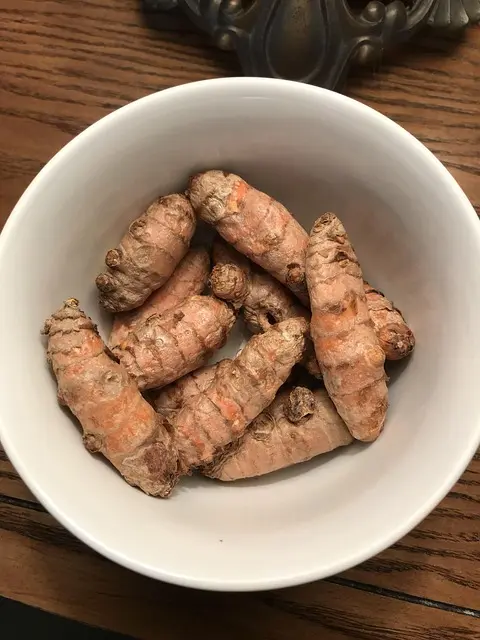
Both Turmeric and Boswellia have research behind them, but the quality and quantity of that research varies a lot. Knowing what’s well-established versus what’s preliminary is what lets you decide based on evidence instead of hype.
The supplement industry generates billions by keeping people confused about what they actually need. With Turmeric and Boswellia specifically, the confusion runs deep because both get recommended for overlapping symptoms. Cutting through it means understanding what each one does at a molecular level, which claims are backed by human trials, and which are extrapolated from test tubes and rodent studies. Here’s the breakdown.
Mechanisms of action. Strength of evidence. Bioavailability and absorption. Who benefits most from each. And the practical details that actually determine whether these supplements do anything for you at all.
Both of these predate modern pharmacology by thousands of years, which is worth sitting with for a second before getting into the biochemistry. Turmeric shows up in Ayurvedic texts dating back roughly 4,000 years, used for wound healing, digestive complaints, and joint pain long before anyone knew what NF-kB was. Boswellia — frankincense resin, tapped from the bark of Boswellia serrata trees native to India and the Horn of Africa — has an equally long history in Ayurvedic and traditional Arabic medicine, and shows up in ancient trade records as one of the most valuable commodities moving along incense routes. Neither fact proves efficacy on its own. But it does mean modern trials are testing compounds with an unusually long track record of human use to draw on, which is more than can be said for most novel supplement ingredients synthesized in the last decade.
WHAT IS TURMERIC?
Mechanistically, curcumin’s central trick is blocking IκB kinase (IKK), the enzyme responsible for activating NF-κB — a transcription factor that, once switched on, moves into the cell nucleus and turns on the genes coding for a long list of inflammatory messengers: TNF-alpha, IL-6, IL-1beta, and COX-2 itself. By interrupting that activation step upstream, curcumin dampens an entire cascade rather than blocking a single downstream enzyme the way a standard NSAID does. It also activates Nrf2, a separate transcription factor that switches on the body’s own antioxidant enzyme production — glutathione, superoxide dismutase, catalase — giving curcumin a genuine dual anti-inflammatory and antioxidant mechanism rather than just one or the other.
The bioavailability problem isn’t a minor footnote — it’s the single biggest variable determining whether a curcumin supplement does anything at all. Raw curcumin is poorly water-soluble, gets rapidly metabolized by glucuronidation and sulfation in the intestinal wall and liver, and as a result, oral bioavailability of unmodified curcumin is estimated at under 1% in some pharmacokinetic studies. Shoba and colleagues’ 1998 study in Planta Medica — one of the most cited papers in the entire curcumin literature — found that co-administering 20mg of piperine (the compound responsible for black pepper’s heat, sold commercially as BioPerine) increased curcumin bioavailability in humans by roughly 2,000%, a twentyfold jump, by inhibiting the glucuronidation enzymes that would otherwise clear it almost immediately. Two other delivery technologies have since produced comparable or better results: Meriva, a phosphatidylcholine phytosome complex studied by Cuomo and colleagues in a 2011 pharmacokinetic trial, showed roughly a 29-fold bioavailability increase over standard curcumin powder, and Theracurmin, a colloidal nanoparticle formulation, showed a roughly 27-fold increase in a 2013 study by Kanai and colleagues published in Cancer Chemotherapy and Pharmacology. Any curcumin product that doesn’t specify one of these enhancement technologies — or a comparable one — is very likely delivering a dose that never meaningfully reaches systemic circulation.
The clinical trial data, once absorption is accounted for, is genuinely strong for a natural compound. Chandran and Goel, in a 2012 Phytotherapy Research trial, directly compared curcumin against diclofenac (a standard NSAID) in patients with active rheumatoid arthritis and found the curcumin group showed comparable — in some measures slightly better — improvement in disease activity scores, with none of the gastrointestinal irritation the diclofenac group reported. Belcaro and colleagues, using the Meriva phytosome formulation, ran an osteoarthritis trial published in Panminerva Medica in 2010 that found significant reductions in WOMAC pain and function scores alongside a documented drop in CRP, an inflammatory blood marker, over eight months. On the cognitive side, the evidence is thinner but suggestive rather than purely theoretical — Cox and colleagues ran a 2015 randomized trial in healthy older adults using a bioavailable curcumin extract and found modest improvements in working memory and mood over four weeks, a human-data follow-up to the earlier rodent work by Xu and colleagues showing curcumin elevated BDNF (brain-derived neurotrophic factor) and CREB signaling in animal models.

Boswellia serrata — specifically its active compound AKBA (acetyl-11-keto-beta-boswellic acid) — works through a different anti-inflammatory pathway, mainly by inhibiting 5-LOX, an enzyme curcumin hits with much less potency. That makes boswellia particularly effective against arachidonic acid cascade inflammation, the kind driving osteoarthritis, asthma, and inflammatory bowel disease. Clinical trials show significant pain reduction in knee osteoarthritis at 100-250mg AKBA daily. Apovita 10B, standardized to 10% AKBA, is considered the benchmark extract.
| Turmeric (Curcumin) | Boswellia (AKBA) | |
|---|---|---|
| Pathway | Inhibits NF-kB, COX-2, LOX | Inhibits 5-LOX (arachidonic acid cascade) |
| Best for | General inflammation — same targets as ibuprofen, without the GI damage | Osteoarthritis, asthma, inflammatory bowel disease |
| Key evidence | Bioavailability requires piperine or phospholipid delivery to work | Significant knee-osteoarthritis pain reduction at 100-250mg AKBA daily |
The mechanistic distinction from curcumin matters more than it might first appear. Boswellic acids, AKBA in particular, are selective, non-redox inhibitors of 5-lipoxygenase (5-LOX) — the enzyme that converts arachidonic acid into leukotriene B4 (LTB4), one of the most potent neutrophil chemoattractants in the inflammatory cascade and a major driver of the joint and gut tissue damage seen in osteoarthritis, rheumatoid arthritis, and inflammatory bowel disease. Standard NSAIDs, and curcumin to a lesser degree, mostly hit the cyclooxygenase (COX) side of arachidonic acid metabolism; boswellia hits the lipoxygenase side almost exclusively. That’s a genuinely distinct enzymatic target, not marketing language dressed up to sound different — which is the real basis for stacking the two rather than treating them as redundant. Boswellic acids also inhibit human leukocyte elastase, an enzyme involved in tissue degradation during chronic inflammation, adding a second mechanism beyond the 5-LOX effect.
The osteoarthritis data is where boswellia’s clinical evidence is deepest. Kimmatkar and colleagues, in a 2003 Phytomedicine trial, gave patients with knee osteoarthritis a standardized boswellia extract for eight weeks and documented significant reductions in pain, improved knee flexion, and reduced swelling compared to placebo, with symptoms returning within a month of stopping. Sengupta and colleagues took it further in a 2008 Arthritis Research & Therapy trial using 5-Loxin, an AKBA-enriched extract, and found measurable improvement in pain and function within seven days — unusually fast for a natural anti-inflammatory — with a clear dose-response relationship between the 100mg and 250mg AKBA arms, the higher dose outperforming the lower one.
Curcumin’s research footprint extends past joints and gut into metabolic health, which is less widely known than the anti-inflammatory angle but reasonably well-supported. Panahi and colleagues ran a 2016 randomized trial in patients with metabolic syndrome, giving a bioavailability-enhanced curcuminoid formulation for eight weeks, and found significant reductions in insulin resistance markers (HOMA-IR) alongside improvements in fasting glucose and lipid panels compared to placebo — consistent with curcumin’s NF-kB-suppressing mechanism, since chronic low-grade inflammation is itself a driver of insulin resistance. Separately, on mood, Lopresti and colleagues ran a 2014 trial in patients with major depressive disorder comparing a curcumin extract against fluoxetine and a combination of both, and found the curcumin-alone arm performed comparably to the fluoxetine-alone arm over six weeks — a genuinely notable head-to-head result, though a single mid-sized trial against one specific comparator isn’t the kind of evidence base that should override an existing treatment plan, and RW isn’t in the business of recommending psychiatric medication substitutions to anyone reading this. It’s simply part of the published record on what curcumin has been studied against.
Boswellia’s second major research thread is gut-specific. Gupta and colleagues ran a comparative trial, published in Planta Medica in 2001, testing boswellia extract head-to-head against sulfasalazine — a standard prescription anti-inflammatory used in ulcerative colitis — and found comparable remission rates between the two arms over six weeks. Earlier work by the same research group examined boswellia in bronchial asthma, documenting reduced attack frequency and improved lung function markers over a six-week trial period. None of these trials are enormous by pharmaceutical standards, and boswellia’s evidence base overall remains smaller than curcumin’s, but the specificity of the 5-LOX mechanism and the consistency of the osteoarthritis findings across multiple independent research groups give it more weight than the average unregulated botanical supplement carries.
TURMERIC VS BOSWELLIA: WHAT THE EVIDENCE ACTUALLY SHOWS
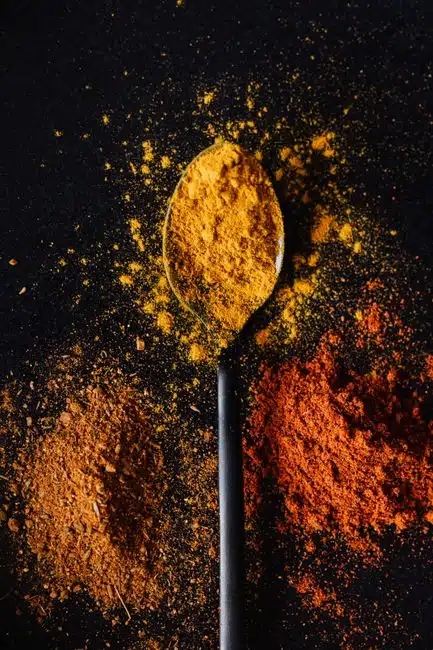
The differences go deeper than most surface-level comparisons let on. What follows is the quick reference, but the real decision-making information lives in the detailed breakdown after it. Orient yourself first, then read the analysis.
DETAILED BREAKDOWN: WHERE EACH ONE WINS
Mechanism of Action
Turmeric works through specific biochemical pathways, and those pathways set both the ceiling and the limitations. Understanding the mechanism is how you predict whether it will actually touch your particular issue, and how it might interact with anything else you’re taking. It also determines timing — whether food matters, when to take it, how long before anything happens.
Boswellia runs through a different pathway entirely, which is why the effects diverge even though both get marketed for the same overlapping complaints. That mechanistic gap isn’t academic. It’s what determines which conditions each one actually helps, which symptoms it touches, and which men see the most benefit.
Quality of Evidence
The research base for Turmeric ranges from strong clinical trials down to preliminary studies that barely qualify as evidence. Not all of it is equal — small studies, animal models, and in-vitro work tell a different story than large randomized controlled trials in actual humans. Being honest about where the evidence sits keeps expectations calibrated and keeps you from over-investing based on hype.
Boswellia has its own profile — some claims well-supported, others stretched from limited data. Compare research quality, not just quantity. One well-designed human trial outweighs a dozen rodent studies. Look at who funded it, how big the sample was, and whether the dosages studied match what’s actually on the shelf. Curcumin’s evidence base is considerably larger in raw volume — Sahebkar’s 2016 meta-analysis alone pooled multiple randomized trials showing consistent CRP reduction across different inflammatory conditions — but a lot of that literature uses underpowered curcumin doses without bioavailability enhancement, which drags down the average effect size reported in broad meta-analyses. Boswellia’s smaller trial count is partially offset by more consistent standardization; because AKBA content is more straightforward to measure and standardize than the multiple curcuminoid ratios and delivery technologies used across different curcumin products, boswellia trials tend to be more directly comparable to one another.
Bioavailability and Absorption
How much of Turmeric actually reaches your bloodstream and tissues depends on the form, what you take it with, and your individual gut health. Plenty of supplements have poor bioavailability in their most common commercial forms — you’re absorbing a fraction of the labeled dose and don’t know it. Specific forms, fat-solubility, and timing all decide whether you’re getting what you paid for.
Boswellia has its own absorption profile, which may run better or worse than Turmeric depending on what you buy. Paying more for a better-absorbed form often beats taking a bigger dose of a poorly absorbed one. Boswellic acids are considerably more bioavailable in their native state than curcumin — they don’t face the same rapid first-pass glucuronidation problem — which is part of why boswellia extracts don’t carry the same piperine-or-phytosome requirement that curcumin products do. That said, fat intake still matters: boswellic acids are lipophilic compounds, and taking a boswellia extract with a meal containing some dietary fat improves absorption meaningfully over taking it on an empty stomach.
Some formulations are built for improved bioavailability; others are cheap filler with minimal absorption.
Side Effects and Safety
At standard doses, Turmeric carries a fairly well-characterized safety profile. Most are well-tolerated, but “natural” doesn’t mean “harmless.” Interactions with medications, effects on hormone levels, GI tolerance, long-term safety data — all of it factors in. Men on prescription medications, particularly blood thinners, blood pressure drugs, or psychiatric medications, should check for interactions before adding anything.
Boswellia carries its own risk-benefit ratio. Some are safe even at high doses; others have a narrow window where the effective dose sits close to the problematic one. Know the ceiling, know the interactions, and don’t assume that if some is good, more is better — that logic has hurt more supplement users than it’s helped. High-dose curcumin has a documented mild anti-platelet and blood-thinning effect, which matters for anyone on warfarin or DOACs, or scheduled for surgery — most surgeons recommend stopping curcumin supplementation at least two weeks out. Curcumin can also increase bile production, which makes it inappropriate for anyone with gallstones or bile duct obstruction. Boswellia’s safety profile is generally milder — the most commonly reported side effects across trials are mild GI upset, nausea, or diarrhea at higher doses, and it doesn’t carry the same well-documented anticoagulant interaction curcumin does, though caution with blood thinners is still reasonable given limited long-term interaction data.
Neither compound is well-studied in pregnancy at supplemental doses — both get set aside during pregnancy and breastfeeding by default, not because of documented harm specifically, but because the research simply hasn’t been done at the doses used therapeutically, and that gap should be treated as a reason for caution rather than an oversight to work around.
Cost-Effectiveness
Evaluating the cost of Turmeric means looking past the sticker price. Consider the effective dose — capsules per day at the researched amount — the form (cheap, poorly absorbed forms can cost more per effective milligram), and how long before effects show up. Some supplements work in days. Others need 4-8 weeks of consistent use. Factor in the whole commitment, not the shelf price.
Cost-effectiveness for Boswellia runs on the same logic. A cheaper product that needs double the dose and twice the time to work can end up costing more than a premium option at a lower dose with faster onset. Calculate cost per effective dose per day. Not price per bottle. A bioavailability-enhanced curcumin product (Meriva or Theracurmin, typically 500mg per capsule dosed once or twice daily) usually runs $25-$45 for a month’s supply. A standardized 10% AKBA boswellia extract at an effective dose runs somewhat less, typically $15-$30 monthly — reflecting both its lower raw material cost and the fact that it doesn’t require an added absorption-enhancement ingredient to hit its studied dose.
STRENGTHS AND WEAKNESSES OF TURMERIC
Strengths:
- Specific mechanism addressing particular biochemical needs
- Research base supporting its use for defined conditions
- Available in multiple forms allowing optimization of absorption
- Well-characterized safety profile at standard doses
Weaknesses:
- Absorption may vary significantly based on form and individual factors
- Marketing claims often extend beyond what the evidence supports
- Quality varies dramatically between brands
- May require specific timing, cofactors, or dietary conditions to work
STRENGTHS AND WEAKNESSES OF BOSWELLIA
Strengths:
- Different mechanism that may better suit certain biochemical profiles
- Own evidence base supporting specific applications
- May be better tolerated by individuals who respond poorly to alternatives
- Can complement (rather than compete with) other supplements in a stack
Weaknesses:
- Own set of limitations regarding evidence quality and scope
- Not a universal replacement for the alternative despite similar marketing
- Individual response varies — what works for one person may not work for another
- Dose-response relationship may not be well-established
WHEN TO CHOOSE TURMERIC
Brain health, metabolic inflammation, gut issues, or systemic NF-kB-driven inflammation — that’s curcumin’s territory, provided you’re buying a formulation with verified absorption enhancement. Skip anything that doesn’t specify one.
Choose Turmeric when your goal or condition lines up with its primary mechanism, when the research supporting it for your case beats the alternative, when you tolerate it well, and when the right form and dose are actually accessible to you. If Boswellia didn’t do anything for you, Turmeric’s different pathway might be worth a look — a non-response to one doesn’t predict a non-response to a mechanistically distinct alternative.
A practical dosing anchor: most positive human trials cluster around 500-1000mg of curcuminoids daily from a bioavailability-enhanced source, split into two doses. Standard unenhanced turmeric powder — the kind in a spice jar — would require an impractical quantity, well north of 10-12 grams daily, to deliver an equivalent absorbed dose, which is the clearest illustration of why the extract form matters so much more than it does for most other botanicals.
WHEN TO CHOOSE BOSWELLIA
Joint pain — especially osteoarthritis of the knee or hip — is where boswellia at 10% AKBA standardization has some of the best clinical evidence in the entire natural anti-inflammatory space. It’s specifically indicated for the inflammatory pathway driving articular cartilage degradation.
Choose Boswellia when its mechanism better matches your specific issue, when you’ve had side effects with the alternative, when cost-effectiveness favors it for your required dose and duration, or when the evidence for your particular application is stronger. Also weigh whether Boswellia integrates better with what you’re already taking — stacking supplements with overlapping mechanisms can produce diminishing returns or unwanted interactions. It’s also worth a look for inflammatory bowel conditions specifically, given the head-to-head data against sulfasalazine — though that decision belongs in conversation with whoever’s already managing that diagnosis, given the disease severity involved.
COMMON MISTAKES MEN MAKE WITH THIS DECISION
- Choosing based on marketing rather than mechanism. Supplement marketing is built to make everything sound essential. Before buying either product, understand what it actually does biochemically and whether that mechanism touches your specific problem. “Supports immune function” can mean anything from well-documented antioxidant activity to hand-waving with zero evidence behind it.
- Ignoring the form and dosage. Two products with the same ingredient name can have wildly different bioavailability depending on form. Cheap forms fill shelves because they’re profitable, not because they work. Check which form the supporting research actually used, and buy that one — not the cheapest option on the shelf.
- Supplementing without testing. Taking supplements without knowing your baseline is guessing with extra steps. A blood test showing real deficiency makes supplementation targeted and measurable. A blood test showing adequate levels saves you the money. Either way you’re making an informed call instead of playing supplement roulette.
- Buying raw turmeric powder expecting curcumin’s clinical effects. The spice sitting in most kitchen cabinets is roughly 2-5% curcuminoids by weight, and without an absorption enhancer, almost none of that reaches systemic circulation in a meaningful amount. Cooking with turmeric is genuinely good practice for flavor and modest dietary polyphenol intake, but it is not a substitute for a standardized extract when the goal is measurable anti-inflammatory effect, and conflating the two is one of the more common and avoidable mistakes in this category.
HOW TO MAKE THIS DECISION FOR YOURSELF
The systematic approach to choosing between Turmeric and Boswellia starts with testing, not guessing. If relevant blood work or functional testing is available before starting either supplement, get it done. Baseline data turns supplementation from gambling into targeted intervention. You’ll know whether you actually need what you’re considering, and you’ll have a way to measure whether it’s working.
If testing isn’t accessible right now, use a structured elimination approach instead. Try one supplement at the researched effective dose for 60-90 days. Track the specific symptoms or markers you’re trying to move. Hold everything else constant — diet, sleep, training, other supplements. At the end, evaluate honestly: did measurable improvement happen? If yes, continue. If no, drop it and try the alternative with the same rigor.
Never start both at once. You’ll have no way to know which one is doing what — producing the benefit, or the side effect — and you’ll end up either taking both indefinitely or dropping both without understanding why. Sequential trials with clear evaluation windows give you actionable information. Parallel trials just give you confusion.
For joint-specific complaints, hs-CRP (high-sensitivity C-reactive protein) is a reasonable blood marker to track before and after a trial period, given how consistently both compounds have shown CRP reduction in the clinical literature. It’s not a perfect proxy for localized joint inflammation, but it’s an accessible, inexpensive systemic inflammation marker that most labs run for under $20, and a meaningful drop over a 60-90 day trial is a decent objective signal that something biologically relevant is happening, beyond symptom self-report alone.
Function-based tracking matters just as much as blood markers, and it’s free. For a knee or hip complaint, something as simple as timing a set of stairs, tracking how many minutes of walking precede noticeable discomfort, or logging morning stiffness duration on a zero-to-ten scale gives a week-over-week trendline that’s harder to fool yourself with than a vague sense of “feeling a bit better.” Pair the subjective log with the CRP retest at the 90-day mark, and the decision to continue, adjust dose, or switch approach stops being a guess.
CASE PROFILE: STACKING TWO PATHWAYS INSTEAD OF PICKING ONE
Take a guy we’ll call Walter. Fifty-eight, retired from twenty-two years doing warehouse work, knees that had been grinding for a decade and finally reached the point where stairs were a daily negotiation rather than background noise. An orthopedist had already flagged moderate osteoarthritis on imaging and mentioned injections as the next step if things kept declining.
Walter started with a bioavailability-enhanced curcumin product alone — 500mg twice daily — on the reasonable assumption that turmeric was the “famous” one and probably the strongest option. Eight weeks in, modest improvement. Less morning stiffness, but the sharp pain climbing stairs hadn’t moved much.
Adding a standardized boswellia extract (250mg AKBA-enriched, once daily) on top of the existing curcumin protocol — rather than switching to it — produced a more noticeable shift over the following six weeks, particularly in the stair-climbing pain that curcumin alone hadn’t touched. That’s consistent with the different mechanisms at play: NF-kB suppression from curcumin doing one part of the job, 5-LOX inhibition from boswellia hitting a distinct piece of the same inflammatory cascade. Walter didn’t avoid the injection conversation forever — he ended up getting one about a year later, on a joint that had a fair amount of prior mechanical wear to begin with — but he pushed the timeline back further than his orthopedist had initially projected, which was the actual goal he’d set for himself going in.
What made the difference trackable rather than a vague impression was that he’d started logging stair-climbing time weekly before adding boswellia, so the improvement after week fourteen had a number attached to it instead of just a feeling. Twenty-two seconds up two flights at the start of the protocol, down to fourteen by week twenty. Small, unglamorous data — exactly the kind that actually holds up when someone’s tempted to talk themselves out of whether a supplement is doing anything.
WHAT MOST MEN GET WRONG ABOUT TURMERIC AND BOSWELLIA
The biggest mistake is treating supplements as a substitute for getting the basics right. No supplement compensates for poor sleep, chronic stress, a processed food diet, or inactivity. If those foundations aren’t solid, adding Turmeric or Boswellia on top is like bolting a performance exhaust onto a car with a broken engine. Fix the engine first.
Second common error: dosing. Most commercial products contain doses chosen for profit margin, not for the amounts used in research. Before buying either one, look up the dose used in the actual studies. If the effective research dose is 500mg and the product on the shelf has 100mg, you’re not taking the supplement that was studied. You’re taking something with the same name and a different effect profile entirely.
Third — timing and cofactors matter more than most men realize. Some supplements compete for absorption when taken together. Others need fat for absorption, or specific vitamins as cofactors. Taking Turmeric and Boswellia at the wrong time, in the wrong form, without the necessary absorption enhancers, can cut their effectiveness in half or worse. A few minutes of research on absorption pays for itself many times over.
Finally, cycling matters. The body adapts to chronic supplementation. Some supplements lose effectiveness over time; others build up to levels that create their own problems. Periodic breaks, dose adjustments, and re-testing keep you ahead of the adaptation curve and make sure you’re still getting value for what you’re spending. Neither curcumin nor boswellia has strong evidence of tolerance developing with long-term daily use, unlike some supplements, but periodic breaks still make sense as a way to confirm the supplement is still doing something — stopping for two to three weeks and noting whether symptoms creep back is a simple, low-cost way to verify ongoing value rather than continuing a purchase out of habit.
THE BOTTOM LINE: MATCHING THE SUPPLEMENT TO YOUR SPECIFIC NEED
They target overlapping but distinct pathways, which is why they’re commonly stacked together at full doses. For a general anti-inflammatory protocol, curcumin phytosome (500mg) paired with boswellia 10% AKBA (100-200mg) covers more ground than either one alone.
These supplements serve different purposes despite being marketed to the same audience. Match the supplement to your biochemistry and your goals, not to what’s trending or what a fitness influencer is pushing this month. If you can, test the relevant biomarkers before and after a 60-90 day trial to objectively measure whether it’s doing what you expect. The men who get the most out of supplementation treat it as targeted intervention based on data — not as insurance against every possible deficiency, collected one bottle at a time.
Common Questions About Turmeric and Boswellia
How long before curcumin or boswellia actually reduces joint pain? Sengupta’s boswellia trial data showed measurable improvement within seven days at the higher AKBA dose, which is unusually fast. Curcumin trials more typically show meaningful change over four to eight weeks — Belcaro’s Meriva osteoarthritis trial ran a full eight months to capture its strongest results, though partial improvement is often reported earlier.
Can these replace NSAIDs like ibuprofen entirely? For some people with mild to moderate inflammatory pain, the comparative trial data — particularly Chandran and Goel’s curcumin-versus-diclofenac study — suggests a genuinely comparable effect without the GI irritation risk that comes with chronic NSAID use. For acute severe pain or situations requiring fast, reliable relief, NSAIDs still act faster and more predictably; these compounds are better suited to chronic, lower-grade inflammatory management than acute pain control.
Does black pepper in food provide the same bioavailability boost as BioPerine supplements? The mechanism is identical — piperine is piperine regardless of source — but the dose matters. The 20mg piperine dose used in the Shoba study is considerably more than what’s typically consumed by sprinkling black pepper on a meal, so a standardized supplement combining curcumin and piperine at researched doses is more reliable than hoping a meal’s black pepper content happens to match it.
Is turmeric safe to take every day long-term? Most clinical trials run 8-12 weeks; longer-term data (six months to a year) from trials like Belcaro’s Meriva study haven’t shown accumulating toxicity, but genuinely long-term (multi-year) safety data remains more limited than for something like a well-studied vitamin. The anti-platelet effect and gallbladder considerations are the main long-term watch points, not organ toxicity.
What AKBA percentage should a boswellia label actually show? Look for extracts standardized to at least 10% AKBA specifically — not just “boswellic acids,” which can include less-active compounds diluting the percentage that matters. Products that only list “boswellia serrata extract” without a standardized AKBA percentage are the ones most likely to underdeliver relative to the studies backing the ingredient.
Does topical curcumin or boswellia gel work as well as oral supplementation? Topical formulations bypass the gut-absorption problem entirely and can deliver meaningful local concentration to a specific joint or area, which is part of why some sports medicine practitioners use curcumin or boswellia creams alongside oral dosing for localized pain. The trial base for topical application is considerably smaller than for oral dosing, though, so it’s reasonable to treat it as a complement to an oral protocol rather than a proven standalone replacement.
Is chewing raw boswellia resin (frankincense) an alternative to capsules? It’s the traditional delivery method and does provide some boswellic acid absorption, but resin quality, AKBA content, and dose consistency are essentially impossible to standardize chewing a raw tree resin. A standardized extract capsule gives a known, tested dose; chewing resin is closer to a cultural practice with a plausible mechanism than a reliable clinical protocol.
References
Editorial StandardsCorrectionsMedical DisclaimerAbout Our ContentAffiliate DisclosureSite Map