
Alex had been getting migraines since he was nineteen. Not headaches — migraines. The kind that put a man in bed for eighteen hours with blackout curtains and a bucket within reach. By thirty-four he was getting four to six a month. His neurologist had him on topiramate as a preventive, which knocked frequency down to two or three a month at the cost of cognitive fog so thick he started calling it “dopamax” — the street name for what the drug does to memory and word retrieval. He was less disabled by migraines at that point and more disabled by the thing meant to treat them.
When he asked about alternatives, his neurologist was skeptical. Lifestyle modifications, dietary changes, supplements — worth a try, she said, but probably wouldn’t do much. What she meant, whether she’d have put it this way or not, was that none of it had come up in her training. What the evidence actually shows is considerably more useful than “probably nothing.”
Migraine is not a headache with better PR. It’s a complex neurological disorder characterized by episodic brain hyperexcitability, trigeminal nerve activation, and cortical spreading depression — a wave of electrical activity that sweeps across the brain like a slow storm. Understanding what triggers that storm, and how to lower the brain’s excitability threshold, is how a man prevents migraines without spending the rest of his life cognitively compromised by an anticonvulsant.
The Excitability Threshold Model
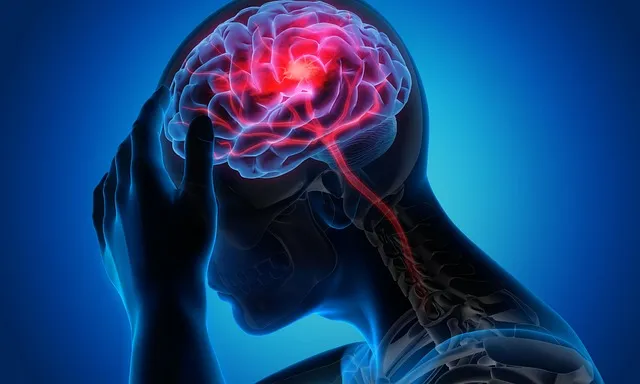
Hormonal fluctuations lower the threshold, which is why menstrual migraines exist and why migraine prevalence runs three times higher in women than men post-puberty. Sleep deprivation lowers it dramatically — both too little sleep and too much are established triggers. Dehydration lowers it. Stress lowers it through cortisol-mediated effects on neuronal excitability. Magnesium deficiency lowers it through effects on NMDA receptor function. Blood sugar dysregulation lowers it through the neurological effects of glucose variability.
The practical implication: no single trigger causes most migraines. Multiple stacked subthreshold factors push the total load over the line. A glass of wine alone might not trigger an attack. A glass of wine the night before a bad night’s sleep, while stressed and dehydrated, almost certainly will. This stacking model explains why the same man can tolerate wine on some nights and not others — context determines whether any single factor actually crosses the threshold.
Lowering baseline excitability through consistent lifestyle and nutritional intervention raises the threshold, making it harder for any combination of triggers to initiate an attack. That’s the preventive logic evidence-based lifestyle medicine offers: not eliminating triggers, which is often impossible, but raising the threshold high enough that triggers stop resulting in attacks.
Magnesium: The Single Most Evidenced Supplement
Magnesium deficiency and migraine susceptibility are so tightly linked that measuring red blood cell magnesium has been proposed as a diagnostic marker for migraine disorder. Mauskop et al. (Headache, 1996) found that 50% of migraine patients showed low ionized magnesium during acute attacks, and that IV magnesium could abort an ongoing migraine outright. The same group demonstrated that oral magnesium supplementation significantly reduced migraine frequency in a controlled trial.
Magnesium’s mechanisms in migraine prevention stack up. It stabilizes NMDA receptors, reducing excitatory neurotransmission. It inhibits cortical spreading depression. It reduces platelet aggregation. It maintains serotonin receptor function. Any single one of those would justify a look. Together, they make magnesium arguably the most rational first-line supplement for migraine prevention that exists.
Peikert et al. (Cephalalgia, 1996) ran the landmark randomized controlled trial: 600mg magnesium citrate daily reduced migraine frequency by 41.6% versus 15.8% for placebo — comparable to many pharmaceutical preventives, minus the side effects. The European Federation of Neurological Societies guidelines list magnesium as a first-line preventive option for migraine. Most neurologists have not worked it into practice despite that guideline inclusion. Make of that what you will.
Form matters substantially. Magnesium oxide — the most common form on supplement shelves — is poorly absorbed, only about 4% bioavailability. Magnesium glycinate, malate, and threonate absorb dramatically better. Threonate specifically crosses the blood-brain barrier and may be the most directly relevant form for brain-specific effects. Glycinate is also the form people keep tolerating as the amount climbs, without the laxative effect that puts a hard ceiling on oxide and citrate.
The Migraine Prevention Protocol
- Magnesium repletion: glycinate or threonate rather than oxide, in the territory Peikert’s trial worked in, approached gradually across two to three weeks because GI tolerance is what sets the pace. This is the foundation — don’t skip ahead to the next steps without it in place.
- Riboflavin (Vitamin B2): the trial amount sits far above anything reachable from food. Migraine disorder involves mitochondrial dysfunction in neurons — inadequate ATP production that leaves neurons energetically vulnerable. Riboflavin supports mitochondrial complex I and II function. Schoenen et al. (Neurology, 1998) demonstrated significant migraine frequency reduction with 400mg B2 daily in a randomized trial.
- CoQ10: same mitochondrial support rationale. Sandor et al. (Neurology, 2005) showed a 47.6% reduction in migraine frequency with 300mg CoQ10 daily versus placebo. Combined with B2, the mitochondrial support becomes comprehensive.
- Eliminate common dietary triggers: Tyramine-rich foods (aged cheese, cured meats, fermented foods in excess), nitrates (processed meats), MSG, artificial sweeteners (particularly aspartame), alcohol (especially red wine and beer, which carry alcohol and tyramine both), and excessive caffeine. Identify a personal trigger profile through a migraine diary before eliminating everything — unnecessary restriction just reduces quality of life for no benefit.
- Stabilize blood sugar: Glucose variability is an underrecognized migraine trigger. Large blood sugar swings — from high-carbohydrate meals or from extended fasting — stress neurons metabolically and can trigger attacks. Eating protein and fat with every meal, avoiding refined carbohydrates, and not skipping meals stabilizes the neuronal energy environment.
- Prioritize sleep consistency: Both sleep deprivation and oversleeping trigger migraines. The brain’s circadian machinery governs cortical excitability, and disruption in either direction pushes excitability past threshold. Bed and wake time within a one-hour window, seven days a week — yes, weekends included. Weekend sleep catch-up is a common migraine trigger in its own right.
- Hydration protocol: Dehydration is one of the most common and most preventable migraine triggers there is. Aim for pale yellow urine through the day. Electrolyte balance matters too — hyponatremia, low sodium from drinking excessive plain water, can also trigger migraines. Include electrolytes with high fluid intake.
- Address neck and upper back dysfunction: Cervicogenic contributions to migraine are substantially underrecognized. Tension in the suboccipital muscles and upper cervical facet dysfunction can trigger trigeminal activation through shared neural pathways. Regular targeted massage, neck mobility work, and addressing postural habits from desk work can reduce migraine frequency through this mechanical route.
Hormonal Migraines: The Estrogen Connection
Menstrual migraines — attacks that reliably cluster around menstruation — represent a distinct phenotype driven by the precipitous estrogen drop in the late luteal phase before bleeding starts. That estrogen withdrawal is the primary trigger, and it’s one of the more treatment-refractory migraine patterns going, because the trigger is endogenous and hard to eliminate.
The mechanism: estrogen modulates serotonin and dopamine neurotransmission, affects magnesium regulation, and influences CGRP (calcitonin gene-related peptide) release — a neuropeptide central to migraine initiation. The rapid premenstrual estrogen drop destabilizes all of these systems at once, lowering the excitability threshold at exactly the moment other premenstrual stressors — sleep changes, mood changes, dietary shifts — are also piling onto the total load.
Management approaches specific to menstrual migraines: magnesium status, which matters most across the seven to ten days premenstrually; short-term NSAIDs or triptans used as mini-prophylaxis around the expected attack window; and for severe cases, continuous low-dose hormonal contraception that eliminates the hormone-free interval — and thus the estrogen drop — may be the most effective intervention, though that requires careful evaluation of individual contraceptive history and risk factors.
“Most migraines are not random neurological events. They are the predictable consequence of a brain that has been pushed past its excitability threshold by a stack of modifiable factors. Find the stack. Reduce the stack.”
Gut Health and Migraine: The Overlooked Connection
The gut-brain axis contribution to migraine is increasingly recognized in research and rarely integrated into clinical migraine management — a gap worth noticing. Multiple lines of evidence connect gut function to migraine frequency and severity.
Irritable bowel syndrome runs two to three times more prevalent in migraine patients than in the general population — a co-occurrence that exceeds what chance would predict and points toward shared pathophysiology. Cephalalgia published research (Qin et al., 2014) showing migraine patients carry distinct gut microbiome compositions compared to controls, with reduced Firmicutes and altered metabolite production. Whether gut dysbiosis contributes to migraine, or migraine pathology affects gut function, remains unclear. The bidirectional connection, though, is established.
Serotonin is relevant here: roughly 95% of the body’s serotonin is produced in the gut, and the tryptophan-to-serotonin pathway depends on gut bacterial enzymatic activity. Serotonin plays multiple roles in migraine — 5-HT1B and 5-HT1D receptors are the targets of triptan medications. Gut dysbiosis that alters serotonin production may shift the serotonergic tone that governs migraine susceptibility.
Histamine intolerance is a specific gut-linked trigger worth identifying on its own. Histamine gets degraded in the gut by diamine oxidase, DAO. In people with reduced DAO activity — from genetic polymorphism, or from gut inflammation that reduces DAO-producing enterocyte function — dietary histamine from fermented foods, aged cheeses, alcohol, and certain vegetables can accumulate and trigger migraines. Testing: urinary or plasma histamine levels after a high-histamine meal, or simpler still, a two-week elimination of high-histamine foods with an eye on migraine frequency.
Lifestyle Triggers: The Modifiable Inputs

Common modifiable triggers with solid evidence behind them: alcohol, especially red wine, beer, and spirits — wine more than beer, thanks to tyramines plus sulfites plus alcohol stacked together; caffeine over 200mg/day and caffeine withdrawal; strong sensory stimuli — bright lights, loud noise, strong odors, which are less avoidable triggers than they are indicators of already-elevated excitability; extreme exercise (intense exercise can trigger migraines in susceptible people, while moderate regular exercise consistently reduces frequency — more on that paradox below); altitude changes and air travel, where barometric pressure shifts affect intracranial pressure dynamics relevant to migraine.
Weather sensitivity is real and poorly modifiable. Barometric pressure drops ahead of storms lower intracranial pressure gradients in ways that appear to promote cortical spreading depression. The trigger is real. The prevention lies in making sure every other factor is optimized so the barometric shift doesn’t push an already-elevated threshold over the edge.
FAQ
Q: Can diet changes actually prevent migraines?
Yes, but mainly through two mechanisms: eliminating personal dietary triggers, and stabilizing blood sugar and neuronal energy availability. Diet alone rarely eliminates migraines outright, but combined with magnesium and other nutritional intervention, dietary optimization can cut frequency 40-60% in motivated patients — comparable to pharmaceutical preventives in a lot of people.
Q: How long does the prevention protocol take to show results?
Magnesium supplementation effects typically show up within four to twelve weeks. The mitochondrial support supplements — B2, CoQ10 — may take eight to sixteen weeks for full effect, since mitochondrial biogenesis is slow. Plan to assess at the three-month mark. If frequency hasn’t dropped at least 30-40% after a consistent three months, more factors need identifying.
Q: Are triptans harmful long-term?
Triptans are generally safe for acute treatment use. The real concern with frequent triptan (or NSAID) use is medication overuse headache — a paradoxical condition where treating headaches more than ten days a month causes rebound headaches, which then create a cycle of increasing frequency. Which is exactly why preventive therapy matters: it keeps acute treatment need below the ten-days-a-month threshold that triggers medication overuse headache in the first place.
Q: Is caffeine helpful or harmful for migraine?
Both. Caffeine is an ingredient in multiple migraine treatments (Excedrin Migraine) and can abort an early attack through vasoconstriction and adenosine antagonism. But daily caffeine consumption creates dependence, and caffeine withdrawal is a significant migraine trigger in its own right. Anyone drinking caffeine daily who stops — even temporarily — should expect withdrawal migraines. Moderate caffeine with zero missed days, or complete elimination, are the two stable states. Inconsistent caffeine use is a trigger generator, full stop.
Q: Should every migraine sufferer see a neurologist?
People with high-frequency migraines (more than four a month), migraines with aura, migraines that don’t respond to standard acute treatment, or any change in migraine pattern should get evaluated by a neurologist to rule out secondary causes and discuss preventive options. Lifestyle and nutritional interventions are most valuable as first-line prevention for low-to-moderate frequency migraine, and as adjuncts to pharmaceutical management for the high-frequency cases.
Emerging Treatments: CGRP Pathway Therapies
The biggest advance in migraine treatment in decades has been the development of CGRP pathway therapies. CGRP — calcitonin gene-related peptide — is a neuropeptide released from trigeminal nerve fibers during migraine attacks, and it drives the neurogenic inflammation and pain amplification central to migraine pathophysiology. Blocking CGRP or its receptor can both prevent migraines and abort attacks already underway.
Currently available CGRP monoclonal antibodies — erenumab, fremanezumab, galcanezumab — administered by monthly injection have shown 40-60% reduction in migraine frequency in trials, with excellent tolerability. These are genuinely impressive medications for people with high-frequency migraines who haven’t responded to lifestyle intervention or traditional preventives. They’re expensive, insurance coverage varies, but for refractory migraine they represent a real therapeutic advance.
The relevant point for this piece: CGRP therapies reduce attack frequency without addressing why the brain is hyperexcitable in the first place. They can be combined with the lifestyle and nutritional protocol described here for additive benefit — a man on a CGRP antibody who also optimizes magnesium, stabilizes sleep, and addresses dietary triggers will do better than one who takes the medication and stops there. Complements, not alternatives to the foundational work.
Alex’s Outcome: The Threshold Story
Alex worked the protocol systematically over four months. He started with magnesium glycinate at 400mg, added riboflavin 400mg and CoQ10 300mg in week two, kept a migraine diary long enough to identify red wine and poor sleep as his two most reliable triggers, and saw a cervical spine specialist who found significant upper cervical facet dysfunction that had never once been addressed in fifteen years of migraines.
By month three he was averaging one migraine a month. By month five, less than one. He tapered the topiramate with his neurologist’s support over three months — the cognitive fog cleared, the word retrieval problems disappeared. He still keeps a triptan around for the occasional breakthrough attack, but the pharmaceutical holding pattern he’d been locked into for years was gone.
None of the individual pieces was magic. Magnesium alone cut frequency by about 30%. Better sleep consistency added another 20-30%. Cutting red wine removed a predictable trigger outright. The cervical spine work added a dimension he hadn’t expected going in. Together, they pushed his threshold high enough that ordinary life stress stopped routinely tipping him into an attack.
The neurologist who told him lifestyle modification probably wouldn’t do much was wrong — not maliciously, just reciting what conventional training says when evidence-based lifestyle medicine hasn’t made it into the curriculum yet. For Alex, and for a lot of migraine patients, the lifestyle-first approach wasn’t a nice-to-try sideline to medication. It was the most effective intervention he found, period.
Tracking Your Migraine Pattern
A migraine diary is the single most important tool for personalizing prevention. Generic protocols address the most common factors across a population; a diary identifies which ones are actually yours. Key variables to track: date and time of onset, duration, severity on a 1-10 scale, phase symptoms (prodrome warning signs, aura if present, postdrome recovery), the previous night’s sleep in hours and quality, dietary intake over the prior 24 hours, alcohol consumption, stress level, exercise, menstrual cycle day, and weather conditions.
Two months of consistent tracking at that level of detail builds a dataset rich enough to surface personal patterns. A lot of people discover their migraines are almost entirely predictable from a small stack of triggers they’d never connected before. The diary turns a mysterious neurological event into the predictable consequence of specific, modifiable conditions.
Digital tools make tracking less of a chore than paper diaries ever were. Migraine Buddy, N1-Headache, and Manage My Pain are well-reviewed apps built specifically for headache tracking. Some connect to wearables that automatically log sleep and activity, cutting down on manual entry. The key is consistency — a diary used 80% of the time beats one used 20% of the time by a wide margin.
Share the diary data with a neurologist or healthcare provider. Two months of pattern data gives a clinician far more to work with than a verbal “I get them sometimes after bad weeks.” Specific data drives specific interventions. A pattern of migraines clustering on days with under seven hours of sleep, combined with alcohol, points toward a targeted recommendation tailored to actual threshold dynamics — not generic migraine advice pulled off a pamphlet.
Long-Term Migraines Nutritional Triggers Strategy: Building a Higher Threshold

Men who’ve stuck with preventive lifestyle medicine for twelve to twenty-four months often find they’ve developed real tolerance to former triggers. The wine that used to reliably set off a migraine no longer does — not because they’ve somehow desensitized to wine specifically, but because the overall threshold sits higher now, and one glass no longer stacks enough load to cross it.
This threshold model is worth taking seriously because it reframes migraine from a condition endured to a system managed. Nobody controls barometric pressure changes, or the hormonal cycle, or every stressor life throws out. But magnesium status, sleep consistency, dietary choices, cervical health — those are controllable, and they matter enough to change a trajectory that felt fixed.
Alex learned this the hard way. Fifteen years of four-to-six attacks a month weren’t inevitable. They were the consequence of a threshold left systematically unaddressed while medication managed symptoms without touching the underlying biology. The biology is changeable. The evidence backs it. The path is harder than swallowing a daily pill — and the payoff is worth more than the effort it costs.
Exercise and Migraine: The Paradox Resolved
Exercise has a paradoxical relationship with migraine that confuses a lot of sufferers. For some men, vigorous exercise reliably triggers attacks. For others, regular moderate exercise dramatically cuts migraine frequency. Both observations are true at once, and resolving the paradox comes down to understanding when and how exercise affects the threshold.
Acute high-intensity exercise can trigger migraines in susceptible people through several mechanisms: increased intracranial pressure from elevated blood pressure, dehydration, drops in blood CO2 from hyperventilation, and possibly CGRP release from trigeminal fibers under extreme physical stress. Men who trigger with exercise typically do so with very high-intensity activity — heavy strength training, sprinting, maximal efforts — rather than moderate aerobic work.
Regular moderate aerobic exercise, by contrast, consistently reduces migraine frequency over weeks to months. Varkey et al. (Cephalalgia, 2011) found a regular cycling protocol reduced migraine frequency comparably to topiramate — the same medication Alex was on — without the cognitive side effects. The mechanism runs through multiple pathways: endorphin release that raises pain thresholds, beta-endorphin modulation of serotonin tone, anti-inflammatory effects, improved sleep quality, better stress regulation through HPA axis normalization.
The resolution: for men who trigger with exercise, the right move isn’t quitting exercise, it’s modifying type and intensity. Build aerobic fitness through lower-intensity work — zone 2 cardio, conversational-pace effort — before progressing upward. Hydrate well before and during exercise. Never train fasted or already slightly dehydrated. Warm up progressively so circulation can adapt before full intensity hits. These adjustments typically let most exercise-triggered migraine patients train without setting off attacks, while still banking the long-term frequency reduction.
Regular yoga has specific evidence behind it for migraine prevention. John et al. (International Journal of Yoga, 2007) demonstrated significant reductions in migraine frequency, duration, and intensity with regular yoga practice versus conventional care. The mechanism is likely multifactorial — cervical flexibility, stress reduction, breath regulation, vagal tone enhancement. Given the combination of evidence and zero downside, yoga earns a place in any preventive protocol for migraine.
Stress, Cortisol, and Migraine Neurobiology
Stress is consistently ranked the most common migraine trigger in population surveys. The mechanism isn’t purely psychological — it’s neurobiological. Cortisol activates the CRF (corticotropin-releasing factor) system, which sensitizes trigeminal pain pathways and lowers the threshold for cortical spreading depression. HPA axis dysregulation, the chronic stress response pattern, creates a sustained elevation of that trigeminal sensitization, leaving the migraine network chronically primed for an attack.
Interestingly, the highest-risk window is often not peak stress itself but the recovery phase afterward. Plenty of migraineurs report attacks on weekends after brutal work weeks, or on day one of vacation after finishing an intense project. This “letdown migraine” pattern reflects the cortisol drop that happens once the stressor ends — the withdrawal of cortisol’s sympathetic activation creates a neurological rebound that can trigger an attack. If that’s the pattern, the intervention isn’t avoiding stress, which is usually impossible anyway, but preventing the sharp cortisol drop: keeping activity and sleep schedules steady through weekends rather than dramatically changing pace, and managing the high-to-low stress transition more gradually.
Meditation and mindfulness practices have documented effects on HPA axis regulation. Regular mindfulness practice reduces cortisol reactivity — not just in the moment, but baseline stress hormone levels over months of consistent practice. Wells et al. (Headache, 2014) demonstrated significant migraine frequency reduction with Mindfulness-Based Stress Reduction compared to waitlist control. Twenty minutes of daily practice is enough for measurable HPA axis effects. More helps, but isn’t required to see benefit.
Sleep is the single most powerful cortisol-normalizing intervention there is. Deep sleep stages are when the stress hormone cycle resets — cortisol drops to its lowest during slow-wave sleep, and that recovery phase is required for appropriate next-day stress reactivity. Chronic sleep deprivation keeps cortisol chronically elevated, which keeps migraine threshold chronically lowered. There’s almost nothing more important for migraine prevention than consistently getting quality sleep. Almost nothing.
Supplements With Supporting Evidence
Beyond the core protocol — magnesium, riboflavin, CoQ10 — several supplements carry enough evidence to earn a place in individualized migraine prevention:
Feverfew: Parthenolide, feverfew’s active compound, inhibits platelet aggregation, reduces prostaglandin synthesis, and has anti-serotonin effects relevant to migraine pathophysiology. Johnson et al. (Lancet, 1988) published the classic randomized trial showing significant migraine frequency reduction with daily feverfew leaf. Quality is highly variable across products — standardized extracts with documented parthenolide content are necessary. Johnson’s trial used the leaf itself; between modern products, the parthenolide figure on the label is the only number that compares like with like.
Butterbur (Petasites hybridus): Carries the strongest evidence base of any herbal migraine preventive — two randomized controlled trials showed significant frequency reduction with 75mg twice daily. But raw butterbur contains pyrrolizidine alkaloids that are hepatotoxic; only PA-free standardized extracts (Petadolex is the best-studied brand) are appropriate for use. Controversy persists around liver safety even with PA-free products. Discuss with a healthcare provider before using.
Alpha lipoic acid: Mitochondrial antioxidant with evidence for migraine prevention in one RCT (Magis et al., European Journal of Neurology, 2007) showing 600mg daily significantly reduced migraine frequency. Works synergistically with CoQ10 and B2 in the mitochondrial support pathway.
Melatonin: Beyond sleep regulation, melatonin has anti-nociceptive and anti-inflammatory properties relevant to migraine. Peres et al. (Headache, 2004) showed 3mg nightly reduced migraine frequency by 50% in an open-label trial. The sleep-stabilizing effect alone may account for part of the benefit. For men with significant sleep disruption feeding their migraines, melatonin pulls double duty.
Hormones Beyond Menstrual Migraines
Estrogen’s role in migraine extends past the menstrual cycle. The broader hormonal picture — thyroid function, insulin sensitivity, adrenal health — all affect migraine threshold in ways that are often overlooked in a standard migraine workup.
Thyroid dysfunction, particularly subclinical hypothyroidism (elevated TSH with normal T3/T4), is associated with increased migraine frequency. Thyroid hormones affect neuronal excitability through multiple pathways, mitochondrial function and ion channel regulation among them. Plenty of women with treatment-resistant migraines have thyroid dysfunction that’s never been optimally addressed. Optimal TSH for migraine prevention appears to sit in the lower half of the normal range (1.0-2.0 mIU/L) rather than anywhere across the broad reference range standard labs typically use.
Insulin resistance creates glucose variability that stresses neurons metabolically. The brain needs a constant glucose supply, and significant blood sugar swings — even within “normal” ranges — can trigger the metabolic stress that starts an attack. Fasting insulin above 10 mU/L in a migraine patient is a modifiable risk factor worth flagging. Reducing glycemic variability through diet consistently reduces migraine frequency in metabolically dysregulated people.
Postmenopause creates a complex hormonal picture for migraine. A lot of women find migraines improve dramatically after the final menstrual period — without the estrogen fluctuations that were triggering attacks, the threshold stabilizes. Some women worsen in perimenopause instead, due to the chaotic estrogen swings before final cessation. Perimenopause is often the worst stretch for hormonally-driven migraines. The transition eventually resolves for women who can manage through it with the threshold-raising strategies described here.
Building Your Personal Prevention Stack
Not every migraine patient needs every intervention described here. Personalizing the protocol around identified triggers and contributing factors builds a targeted approach that’s more effective, and less burdensome, than throwing everything at it simultaneously.
The universal foundations are the three compounds with randomized trial evidence behind them — magnesium glycinate, riboflavin, and CoQ10. These carry the strongest evidence base, the best safety profiles, and work through mechanisms relevant to essentially every migraine patient. Give them twelve weeks before evaluating results.
Simultaneously, run a migraine diary for two months to identify the top two or three personal triggers. Address those specifically — sleep consistency, dietary elimination, cervical spine work, stress management, whatever it turns out to be. The trigger-specific interventions add to the foundation. They don’t substitute for it.
Add supplements based on the pattern that emerges: if stress is the primary trigger, emphasize adaptogen and HPA axis support. Significant menstrual migraines call for optimizing hormonal factors and considering luteal phase magnesium increases. Gut symptoms alongside migraines point toward addressing dysbiosis and histamine intolerance. Impaired sleep means adding melatonin and prioritizing sleep optimization above everything else.
The protocol has layers of escalating complexity. Most people see dramatic improvement from the first layer alone — foundations plus trigger management — without needing the rest. The additional layers exist for people whose migraines haven’t adequately responded to the basics, or who’ve identified specific contributing factors that need targeted intervention.
The goal isn’t taking more supplements. The goal is raising the threshold enough that normal life stops routinely triggering attacks. That’s achievable. The evidence backs it. And it’s a considerably better life than spending a third of one’s days in a darkened room waiting for a pill to kick in.
Neuromodulation Devices: High-Tech Prevention Options
Beyond supplements and lifestyle modification, FDA-cleared neuromodulation devices offer non-pharmacological prevention options gaining real evidence support. These matter most for people who can’t tolerate medications, or who’d rather minimize pharmaceutical use to begin with.
Transcranial magnetic stimulation (TMS) applied to the occipital cortex has FDA clearance for both acute and preventive migraine treatment. The sTMS (single-pulse TMS) device delivers a brief magnetic pulse that can abort an attack in the early aura phase by disrupting cortical spreading depression. Clinical trials showed meaningful attack reduction with regular preventive use. The device runs expensive ($30-50/month rental) and is available mainly through headache specialist prescription.
External trigeminal nerve stimulation (eTNS) delivers mild electrical stimulation to the supraorbital branch of the trigeminal nerve. The Cefaly device has FDA clearance for migraine prevention and has shown 30-40% frequency reduction in trials. It’s used twenty minutes daily as preventive treatment. Compared to medications, side effects run minimal — some local tingling, rare skin irritation. Available over-the-counter in the US, no prescription required.
These devices don’t replace lifestyle optimization — they add a layer for people with refractory migraine, or those avoiding medication altogether. As the evidence base for neuromodulation grows, these tools will likely get more integrated into standard migraine care. For now, best understood as adjuncts to the foundational protocol, not primary prevention tools.
Caffeine: The Precise Management Guide
Caffeine gets its own section because its relationship with migraine is detailed enough to warrant precise management rather than simple elimination or liberal consumption. Bear with it.
The pharmacology: caffeine blocks adenosine receptors in the brain. Adenosine accumulates during wakefulness and drives sleepiness; blocking it maintains alertness. Adenosine also dilates cerebral blood vessels, and its accumulation plays into pain sensitization pathways relevant to migraine. Caffeine’s adenosine blockade causes cerebral vasoconstriction and reduced pain sensitization — which is why it helps abort early migraines and shows up in OTC migraine medications like Excedrin.
The problem: daily caffeine use causes adenosine receptor upregulation — the brain manufactures more receptors to compensate for the blockade. When caffeine wears off, or gets missed, adenosine floods an oversupplied receptor field, causing rebound vasodilation and pain sensitization. That’s caffeine withdrawal headache, and in migraine-susceptible people it can escalate into a full migraine. Missing even one day’s coffee after daily use can trigger a migraine through this exact rebound mechanism.
The correct management: either eliminate caffeine entirely (expect two to four weeks of withdrawal headaches during elimination — plan for it, use triptans if needed), or maintain extremely consistent daily intake at the same time every day without variation. Irregular caffeine use — heavy some days, none on others — is the worst pattern of all. Pick consistent consumption or complete abstinence. The middle ground is where the unpredictable adenosine rebound triggers live.
If eliminating caffeine, do it gradually — small reductions every three to four days soften the withdrawal. Complete elimination over 30-45 days rather than cold turkey. Many migraineurs find their baseline frequency drops after complete caffeine elimination, even though the elimination stretch itself was rough. The caffeine rebound trigger is gone for good. The effective threshold rises.
FROM THE LIBRARY ›
References
Editorial StandardsCorrectionsMedical DisclaimerAbout Our ContentAffiliate DisclosureSite Map