
David had done everything right. Probiotics every morning. Yogurt with dinner. He’d even given up beer for six months in a service to his gut health. But his colonoscopy at 52 came back with three polyps — not cancerous, but early enough that his gastroenterologist wanted to see him every three years instead of ten. “What am I doing wrong?” he asked his doctor.
His doctor mentioned fiber. Eat more fiber. Standard advice. David was already eating 25 grams a day. He looked it up online, fell into a rabbit hole, and eventually landed on the concept of butyrate. He’d never heard of it. Couldn’t pronounce it correctly. But the more he read, the more it seemed like the answer was not in the probiotics he was taking or the yogurt he was eating — it was in what those bacteria were producing after the fermentation process.
He was right to be interested. Butyrate might be the most important compound you’ve never heard of.
Short Chain Fatty Acids: The Fermentation Byproducts That Run Your Gut
- Butyrate (butyric acid) — the dominant fuel source for colonocytes (the cells lining your colon); accounts for roughly 15-20% of SCFA production
- Propionate — transported to the liver, where it influences glucose and fat metabolism; accounts for 25-30%
- Acetate — the most abundantly produced SCFA, enters systemic circulation and affects multiple organ systems; accounts for 50-60%
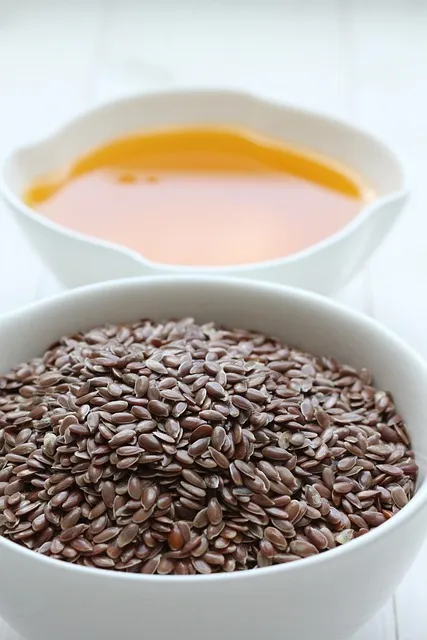
Short chain fatty acids (SCFAs) are the metabolic byproducts of bacterial fermentation of dietary fiber in the colon. When bacteria from the Firmicutes phylum — particularly species like Faecalibacterium prausnitzii, Roseburia intestinalis, and Butyrivibrio fibrisolvens — encounter undigested dietary fiber in the colon, they break it down through anaerobic fermentation. The main outputs are three SCFAs:
All three matter. But butyrate has received the most research attention for gut health specifically, and the findings are striking enough to justify the focus.
The core fact is this: butyrate is the primary energy source for the epithelial cells lining your colon. Not glucose. Not fat. Butyrate. These colonocytes consume roughly 70% of the butyrate produced in the gut directly at the site of production. When butyrate is insufficient, colonocytes begin to malfunction. And when colonocytes malfunction, the entire structure of gut integrity starts to degrade.
What Butyrate Actually Does: The Mechanisms
The butyrate story isn’t just about colonocyte fuel. The research on what butyrate does has expanded considerably over the past two decades, and the picture that’s emerged is of a compound with remarkable reach across multiple body systems.
- Gut barrier integrity. The single-cell-thick epithelial lining of your gut is held together by tight junction proteins — claudins, occludins, and zonula occludens proteins. These proteins form the molecular “seals” between epithelial cells. When these seals weaken, the result is increased intestinal permeability (what’s commonly called “leaky gut”). Butyrate directly upregulates the expression of these tight junction proteins. It also increases mucin production — mucin is the glycoprotein that forms the protective mucus layer over the epithelium. A 2011 study by Canani and colleagues (published in the World Journal of Gastroenterology) reviewed the evidence for butyrate’s role in gut barrier function and inflammation, finding strong mechanistic support for butyrate’s protective effects on epithelial integrity across multiple gut conditions including Crohn’s disease, ulcerative colitis, and irritable bowel syndrome.
- Anti-inflammatory effects. Butyrate is a potent inhibitor of NF-κB, the master transcription factor that drives inflammatory gene expression. It achieves this primarily through inhibition of histone deacetylase (HDAC) enzymes — butyrate is a natural HDAC inhibitor, which is actually how some cancer researchers discovered its interest. HDAC inhibition leads to more “open” chromatin, which paradoxically results in suppression of pro-inflammatory gene expression in immune cells. The result: lower TNF-alpha, lower IL-6, lower IL-12. Butyrate shifts the immune environment in the gut toward tolerance and away from chronic low-grade inflammation.
- Cancer prevention. The “butyrate paradox” is one of the more fascinating findings in gut biology. In normal colonocytes, butyrate promotes cell survival and proliferation. In cancerous colonocytes, butyrate does the opposite — it promotes apoptosis (programmed cell death). This seems paradoxical until you understand the mechanism: normal colonocytes oxidize butyrate for energy (the Warburg effect doesn’t apply), while cancer cells preferentially use glucose and accumulate butyrate, where it then acts as an HDAC inhibitor and triggers pro-apoptotic gene expression. This helps explain epidemiological data linking high-fiber diets with reduced colorectal cancer risk — higher fiber intake means more butyrate production means more hostile conditions for malignant colonocytes.
- Blood sugar regulation. Butyrate stimulates the secretion of glucagon-like peptide-1 (GLP-1) and peptide YY from enteroendocrine cells — the same pathway that GLP-1 receptor agonist drugs like semaglutide target. GLP-1 increases insulin secretion, slows gastric emptying, and reduces appetite. This is one reason high-fiber diets consistently show benefits for insulin sensitivity that go beyond the simple mechanical effect of slowing glucose absorption.
- Brain function. Butyrate crosses the blood-brain barrier to a limited degree and has demonstrated neuroprotective effects in animal models. It reduces neuroinflammation, supports the blood-brain barrier’s own integrity, and has even shown antidepressant-like effects in rodent models. The gut-brain axis connection to mental health is legitimately fascinating — though human data remains preliminary.
The Deficit: Why Most People Don’t Make Enough Butyrate
Here’s the uncomfortable truth: the Western gut microbiome produces significantly less butyrate than guts in traditional, non-industrialized populations. And the gap is large enough to matter.
Research comparing gut microbiome composition between rural African populations with traditional plant-heavy diets and urbanized Western populations consistently finds that the Western gut has dramatically fewer Firmicutes species capable of butyrate production. A 2015 study by Sonnenburg and colleagues showed that low-fiber diets cause rapid loss of microbial diversity that partially recovers when fiber is reintroduced — but certain species, particularly butyrate producers, appear to be lost permanently after prolonged low-fiber exposure and cannot be recovered simply by increasing fiber intake in adulthood.
The average American consumes about 15 grams of dietary fiber per day. The recommended minimum is 25-38 grams. Traditional subsistence populations consume 70-100 grams. That’s a three-to-seven-fold gap, and it translates directly into butyrate production capacity.
Beyond fiber quantity, fiber quality matters. Not all fibers are equal as substrates for butyrate production. Resistant starch is particularly effective — it’s the form of starch that resists digestion in the small intestine and reaches the colon intact, where it becomes premium fuel for butyrate-producing bacteria. Inulin (found in Jerusalem artichokes, chicory root, onions) and arabinoxylan (found in whole grains) are also highly effective prebiotics that selectively feed butyrate producers.
Antibiotics are the other major threat. Every course of broad-spectrum antibiotics temporarily decimates butyrate-producing populations. Recovery depends on re-seeding through diet, but if the baseline butyrate producer populations are already low, recovery may be incomplete.
The Butyrate Production Stack
- Cooled cooked potatoes — when you cook a potato and let it cool, a significant portion of the starch retrograde crystallizes into resistant starch type 3. Reheating doesn’t fully reverse this. Cold potato salad, leftover roasted potatoes from the fridge, and chilled cooked rice are all significantly higher in resistant starch than their freshly cooked counterparts.
- Green (unripe) bananas — ripe bananas are essentially pure sugar. Unripe bananas are high in resistant starch type 2. A medium green banana has about 10-15 grams of resistant starch. As bananas ripen, this converts to regular starch and then to sugar. The window is narrow — you want them slightly green, not soft and spotted.
- Raw oats — overnight oats, not cooked oatmeal. Cooking oats converts resistant starch to regular starch. Soaking them in cold liquid preserves more of the resistant starch content.
- Cooked and cooled legumes — beans and lentils that have been cooked and refrigerated overnight have meaningfully higher resistant starch content than freshly cooked ones.
- Plantains — particularly unripe plantains. Used extensively in traditional Latin American and African cuisines, they’re among the highest resistant starch sources available.
Here’s a systematic framework for maximizing your gut’s butyrate output. This is not about a single supplement or a single food — it’s about building the conditions for robust fermentation capacity.
Foundation 1: Resistant Starch. This is the highest-leverage dietary intervention for butyrate production. Resistant starch is uniquely effective because it bypasses small intestinal digestion almost entirely and arrives in the colon as an excellent substrate for butyrate producers. The best sources:
- Foundation 2: Inulin-Type Fructans. Inulin is a prebiotic fiber that selectively feeds Bifidobacterium and several butyrate-producing Firmicutes species. Best sources: Jerusalem artichokes (highest concentration), chicory root (what commercial inulin is extracted from), garlic, onions, leeks, asparagus, and dandelion greens. Important caveat: inulin is highly fermentable and causes significant bloating and gas in people with SIBO or severely dysbiotic guts. Start low and increase gradually.
- Foundation 3: Diverse Fiber Sources. The bacteria that produce butyrate are not all the same, and they prefer different fiber types. A monoculture approach — just eating the same fiber source every day — feeds only a narrow range of butyrate producers. Diversity of fiber sources cultivates diversity in your butyrate-producing populations. Aim for 30+ different plant foods per week, not just high total fiber intake.
- Foundation 4: Cultivating Butyrate Producers Specifically. Certain foods and interventions selectively support the key butyrate-producing species:
- Faecalibacterium prausnitzii — the most studied butyrate producer, often severely depleted in IBD patients. It thrives on fermented plant fibers and is inhibited by a high-fat, low-fiber Western diet.
- Roseburia intestinalis — responsive to arabinoxylan from whole wheat and rye.
- Eubacterium rectale — benefits from resistant starch, particularly type 2.
Foundation 5: Supplemental Butyrate. If dietary interventions alone are insufficient — due to severely depleted butyrate-producing populations, recovery from IBD flare, or post-antibiotic restoration — supplemental butyrate is a legitimate consideration. The challenge is delivery. Standard butyrate salts (sodium butyrate, calcium butyrate) are absorbed in the upper GI tract before reaching the colon, where they’re needed. Tributyrin is a form of butyrate that’s more stable and releases butyrate more progressively through the GI tract. Tributyrin-based supplements (look for “IsoButyrate” or similar tributyrin products) are the most evidence-based form for supplementation. Dosing typically used in studies: 300-600 mg tributyrin per day. Butyrate has an intensely unpleasant smell (parmesan cheese, gym socks) — most supplements are enteric-coated or encapsulated to manage this.
“You can’t supplement your way to good gut health if your gut doesn’t have the bacterial capacity to produce its own compounds. Butyrate supplementation can bridge a gap. It can’t replace the infrastructure.”
Butyrate and Leaky Gut: The Tight Junction Connection
The leaky gut conversation in wellness circles is often muddied by hype, but the underlying biology is real. Intestinal permeability — the actual, measurable phenomenon — involves the weakening of tight junction proteins between epithelial cells. When these junctions loosen, bacterial endotoxins (like lipopolysaccharide, LPS), partially digested food proteins, and other compounds can transit from the gut lumen into the bloodstream, triggering systemic immune activation.
Butyrate plays a direct role in maintaining these junctions. Multiple studies have shown that butyrate upregulates claudin-3, occludin, and ZO-1 expression in epithelial cells. It also promotes the expression of MUC2 — the mucin protein that forms the physical mucus barrier overlying the epithelium. Without adequate mucus, the epithelium is exposed to direct microbial contact, which further degrades tight junction integrity.
A study by Peng and colleagues (2009, American Journal of Physiology) showed that butyrate supplementation in cell models and mice significantly improved tight junction protein expression and reduced epithelial permeability induced by lipopolysaccharide. The translation to human clinical trials is less direct, but observational data from IBD patients — where butyrate producers are consistently depleted and intestinal permeability is elevated — is consistent with the mechanism.
The practical implication: if you’re trying to address leaky gut, butyrate production should be a primary focus. Not just probiotic supplementation (which doesn’t directly produce butyrate in most cases), not just eliminating triggering foods, but actively building the substrate and the bacterial infrastructure to produce adequate butyrate.
Butyrate and Inflammation: The HDAC Inhibition Story
- Reduced NF-κB signaling (the master inflammatory switch)
- Increased regulatory T cell (Treg) differentiation — Tregs are immune cells that suppress excessive immune responses
- Reduced macrophage activation and pro-inflammatory cytokine production
- Increased IL-10 production (the primary anti-inflammatory cytokine)
One of the more surprising discoveries in butyrate research is that it functions as a natural histone deacetylase (HDAC) inhibitor. This finding is significant for two reasons: first, it provides a molecular mechanism for many of butyrate’s anti-inflammatory effects; second, it’s the reason oncologists have become interested in butyrate-related compounds as potential cancer therapeutics.
HDAC inhibitors work by modifying chromatin structure — the packaging of DNA in chromosomes. When histones are acetylated, chromatin is more “open” and transcription is more active. When HDACs remove those acetyl groups, chromatin condenses and gene transcription decreases. In immune cells, HDAC inhibition leads to reduced expression of pro-inflammatory genes and increased expression of anti-inflammatory regulatory genes.
Butyrate inhibits multiple HDAC classes, particularly HDAC1, HDAC2, HDAC3, and HDAC8. The downstream effects include:
For people with IBD, this mechanism is particularly relevant. Research by Arpaia and colleagues (2013, Nature) demonstrated that butyrate produced by gut bacteria is required for the generation of colonic Tregs — the same immune cells that are severely depleted in Crohn’s disease and ulcerative colitis. Germ-free mice (without gut bacteria and therefore without butyrate production) have dramatically fewer colonic Tregs and develop severe colitis when exposed to inflammatory triggers. Restoring butyrate production restores Treg numbers and protects against colitis.
This isn’t a cure for IBD. But it provides strong biological rationale for why high-fiber, butyrate-supporting diets consistently show benefit in IBD management.
The Microbiome Species You Need to Know
Butyrate isn’t produced by all gut bacteria equally. The key producers are a relatively small group of obligate anaerobes, and understanding which species matter gives you more precision in targeting your interventions.
Faecalibacterium prausnitzii is arguably the most important gut bacterium you’ve never heard of. It’s one of the most abundant bacteria in the healthy human gut (making up 3-5% of the total microbiome), and it’s one of the primary butyrate producers. In virtually every study of IBD — Crohn’s disease, ulcerative colitis — F. prausnitzii is dramatically depleted. It’s also depleted in type 2 diabetes, obesity, and certain depressive disorders. Its abundance correlates inversely with intestinal permeability. Increasing F. prausnitzii is a legitimate therapeutic target.
 The problem: F. prausnitzii is an obligate anaerobe — it dies on contact with oxygen, which makes it nearly impossible to deliver via probiotic supplements. You can’t just take it in a capsule. You have to feed it. Its preferred substrates are pectin (from apples, carrots, citrus peel), inulin, and certain resistant starches.
Roseburia intestinalis and Roseburia hominis are butyrate producers that are selectively increased by arabinoxylan, a fiber found in the bran of whole wheat and rye. Studies using arabinoxylan supplementation (typically 15-30 grams per day) consistently show increases in Roseburia species and corresponding increases in fecal butyrate concentrations.
Eubacterium hallii and Eubacterium rectale are other significant butyrate contributors, both responsive to resistant starch type 2 (green bananas, raw potato starch).
Akkermansia muciniphila doesn’t produce butyrate directly, but it plays a crucial supporting role. It degrades mucus and produces acetate and propionate, which butyrate producers then use as substrates in a cross-feeding relationship. Akkermansia is increased by polyphenols (especially those in pomegranate, cranberry, and grape seeds) and by intermittent fasting.
Implementation: Building Your Butyrate Production Stack
The framework comes together as follows. These are ranked by evidence quality and practicality.
Week 1-2: Foundation. The primary intervention is always dietary fiber diversity. Stop thinking in terms of “eating more fiber” and start thinking in terms of “feeding as many different butyrate-producing species as possible.” Target 30+ different plant foods this week. Count them. Every different vegetable, fruit, legume, whole grain, nut, and seed counts. This doesn’t require eating bizarre foods — it requires eating a wider range of the foods you already know.
Week 3-4: Add Resistant Starch. Begin systematically including resistant starch sources. Cook potatoes in bulk, refrigerate overnight, eat cold or reheated. Swap ripe bananas for green ones in smoothies. Switch from cooked oatmeal to overnight oats. Include a legume in at least one meal daily, ideally cooked and cooled. The distance being covered here is the point: a typical Western diet supplies only two or three grams of resistant starch a day, and butyrate production tracks with how far above that baseline intake climbs. Climbing gradually rather than in one jump is what keeps the fermentation symptoms manageable.
Week 5-6: Add Inulin-Type Prebiotics. Incorporate higher inulin-containing foods: garlic, onions, leeks as cooking staples; asparagus when available; dandelion greens in salads. Comfortable tolerance of those foods is the signal that a dedicated inulin supplement is the next rung up — and inulin ferments faster than resistant starch does, so the same gradual-escalation logic applies with more force, not less. Jerusalem artichoke is the nuclear option — it’s extremely high in inulin and will produce significant fermentation symptoms in most people who add it suddenly. Treat it as a long-term goal.
Ongoing: Address Butyrate Producer Populations. Polyphenol-rich foods (berries, dark chocolate, olive oil, green tea) support microbiome diversity and specifically feed beneficial species including Akkermansia. Fermented foods (kefir, yogurt, kimchi, sauerkraut) contribute to overall microbiome diversity and may provide bacterial cross-feeding effects that support butyrate producers indirectly.
When to Consider Supplemental Butyrate. If you’ve been consistent with the dietary stack for 8-12 weeks and are still experiencing significant gut symptoms — particularly post-IBD flare, post-antibiotic, or post-C. diff infection — tributyrin-based supplemental butyrate is worth adding. Use it as a bridge while your dietary interventions build your endogenous production capacity. Don’t rely on it indefinitely.
Why Probiotics Alone Don’t Solve This
David’s initial approach — daily probiotics, yogurt, careful eating — is extremely common. And it’s partially effective. But probiotics address a different part of the gut health equation than butyrate production does.
Most commercial probiotics contain Lactobacillus and Bifidobacterium species. These are valuable bacteria, but they are not the primary butyrate producers. They produce lactic acid and some acetate, which can be cross-fed to butyrate producers as substrates — there’s an indirect benefit. But supplementing with Lactobacillus acidophilus does not directly increase butyrate production. It’s like refueling the support team while leaving the front line on empty.
The truly important butyrate producers — F. prausnitzii, Roseburia species, Eubacterium species — are obligate anaerobes that cannot be viably delivered in standard oral probiotic capsules. They survive only briefly outside the anaerobic colon environment. You cannot take butyrate producers as a supplement. You have to create the dietary conditions for your existing populations to thrive and expand.
This is a fundamentally different paradigm from probiotic supplementation. It’s slower, less immediately satisfying, and requires sustained dietary change. But the effects, when they occur, are structural — you’re actually rebuilding the microbial infrastructure, not just adding transient passengers.
For a comprehensive view of how prebiotics and probiotics fit into the larger gut health picture, the full comparison of prebiotics and probiotics is worth reading alongside this. And if you’re approaching this as part of a broader gut restoration effort, the complete gut health guide provides the strategic framework.
David, by the way, ran the protocol above over about three months. He added green banana smoothies, started eating cold potato salad with lunch three days a week, and made garlic and onions the base of every dinner. No fancy supplements beyond a modest tributyrin product for the first six weeks. His follow-up scope two years later showed no new polyps. His gastroenterologist said his colon looked remarkably healthy for his age. He still can’t pronounce butyrate correctly. But his colon doesn’t care about pronunciation.
FAQ
What foods are highest in butyrate directly?
Butter and ghee contain butyrate (short chain fatty acids are found in dairy fat), but the amounts from dietary sources are small relative to what your bacteria produce from fiber fermentation. A tablespoon of butter contains about 0.3 grams of butyric acid. Your colonic bacteria can produce several grams per day from adequate fiber. The dietary butyrate in food is metabolized before it reaches your colon in any significant quantity. Focus on feeding your bacteria, not eating butyrate directly.
How do I know if I have low butyrate production?
Short of stool testing (which can measure fecal butyrate levels and butyrate-producing bacteria), the clinical signs of insufficient butyrate production overlap significantly with general gut dysbiosis: poor stool consistency, slow transit time, bloating, increased intestinal permeability symptoms, and impaired immunity. Comprehensive gut microbiome tests (like those from Viome, Genova, or Thorne) can quantify butyrate-producing species abundance. If you’re rebuilding from IBD, antibiotic treatment, or a C. diff infection, assume your butyrate production is compromised and act accordingly.
Can you have too much butyrate?
Theoretically, excessive butyrate could accumulate in individuals with certain genetic variants affecting butyrate metabolism. Practically, this is not a meaningful concern from dietary fiber intake — your gut will regulate butyrate absorption efficiently, and excess will be excreted. With supplemental butyrate, extremely high doses (well above what research has used) could theoretically cause issues, but at typical supplemental doses of 300-1000 mg, there’s no meaningful risk of excess.
Does intermittent fasting affect butyrate production?
Research suggests intermittent fasting may actually support certain beneficial species like Akkermansia muciniphila and shift the gut microbiome in ways that promote butyrate production. However, prolonged fasting or caloric restriction significantly reduces total SCFA production because there’s simply less substrate for fermentation. The key is that fasting windows should be accompanied by genuinely fiber-rich eating windows. Fasting paired with low-fiber eating is likely net negative for butyrate production.
What’s the connection between butyrate and colorectal cancer?
Epidemiological data consistently shows that populations with higher fiber intake have lower rates of colorectal cancer, and butyrate production is the most plausible mechanistic link. The “butyrate paradox” — butyrate promotes normal cell survival but induces apoptosis in cancerous cells — explains how butyrate can be protective against malignant transformation. High-butyrate environments in the colon are hostile to pre-cancerous and cancerous colonocytes. This is why F. prausnitzii depletion is observed in colorectal cancer patients, and why resistant starch intervention studies show promising effects on reducing biomarkers of colorectal cancer risk.
Should I take a butyrate supplement if I’m healthy?
If you’re already eating 35+ grams of diverse fiber daily, consuming resistant starch regularly, and don’t have significant gut symptoms, supplemental butyrate is probably redundant. Your bacteria are already producing adequate amounts. Supplements make more sense as therapeutic tools — during recovery from gut disruption, as a bridge while building dietary habits, or for managing active IBD symptoms. Healthy people with good fiber intake are unlikely to see significant additional benefit.
Can children benefit from butyrate-focused nutrition?
Absolutely, and starting early matters significantly. The gut microbiome is established in the first three years of life, and the dietary patterns that shape it during this window have lifelong effects on butyrate production capacity. Introducing diverse plant foods, including resistant starches, early in a child’s diet is one of the most evidence-backed interventions for long-term gut health. The same principles apply — just scaled to appropriate portion sizes.
Butyrate and Metabolic Health: Beyond the Gut
The conversation about butyrate in popular media focuses almost exclusively on gut health. This undersells the compound considerably. Butyrate’s reach into metabolic function is one of the more exciting areas of current research, with implications for obesity, type 2 diabetes, fatty liver disease, and cardiovascular health.
Insulin sensitivity. Multiple animal studies have demonstrated that oral butyrate supplementation improves insulin sensitivity in obese mice — and the effect is large, not marginal. The mechanisms involve HDAC inhibition in metabolic tissues, reduced systemic inflammation, and activation of AMPK (the cellular energy sensor that metformin also targets). Human data is more limited, but observational studies consistently show that people with higher dietary fiber intake — and therefore presumably higher butyrate production — have better insulin sensitivity, independent of other dietary factors.
Fatty liver disease (NAFLD/MASLD). Non-alcoholic fatty liver disease has become one of the most prevalent chronic diseases in developed countries, affecting approximately 25% of the global adult population. Gut-derived LPS endotoxemia — enabled by increased intestinal permeability — is one of the primary drivers of hepatic inflammation in NAFLD. Butyrate’s dual action on gut barrier integrity (reducing LPS transit) and direct anti-inflammatory signaling makes it a plausible therapeutic target for NAFLD. Research by Mattace Raso and colleagues (2013) demonstrated that butyrate supplementation in a high-fat diet mouse model significantly reduced liver steatosis and markers of hepatic inflammation. Early human data is emerging.
Cardiovascular risk factors. Propionate — the second most abundant SCFA — has demonstrated cholesterol-lowering effects in human trials. A study by Chambers and colleagues (2015) found that propionate supplementation reduced liver cholesterol synthesis and body weight in overweight adults. Butyrate and acetate also have anti-inflammatory effects on vascular endothelium. The overall picture: a gut that produces adequate SCFAs from fermentation is not just a healthier gut — it’s associated with a meaningfully better metabolic risk profile across multiple organ systems.
Immune system regulation beyond the gut. Butyrate’s HDAC inhibition isn’t confined to gut immune cells. It affects regulatory T cell development systemically, and research has shown that butyrate produced in the colon can enter portal circulation and reach the liver and peripheral tissues at concentrations sufficient to affect gene expression. Children raised with high-fiber diets have lower rates of allergic diseases (asthma, eczema, food allergies) — and butyrate-mediated immune regulation is one of the proposed mechanisms for this “hygiene hypothesis” relationship.
The Resistant Starch Research Deep Dive
- RS1 (physically protected starch): Starch that’s inaccessible to digestive enzymes because it’s trapped inside intact plant cell walls. Found in whole grains and seeds. Partially broken down by chewing and food processing.
- RS2 (native starch granules): Raw, uncooked starch granules that are structurally resistant to enzyme access. Raw potatoes, green (unripe) bananas, and raw potato starch are primary sources. Cooking converts most RS2 to digestible starch.
- RS3 (retrograde starch): This is the key type for the “cool and eat” strategy. When cooked starch cools, the amylose molecules partially recrystallize (retrogradation) into a structure that resists enzyme digestion. Cooled cooked potatoes, rice, and pasta all contain meaningfully higher RS3 than their freshly cooked equivalents.
- RS4 (chemically modified starch): Industrially processed starch used in food manufacturing. Not relevant for dietary health strategies.
- RS5 (amylose-lipid complex): Forms when starch is cooked in the presence of fat. The amylose-lipid complex is more resistant to digestion. Adding butter or olive oil to rice or potatoes before cooling increases RS5 formation.
Resistant starch deserves detailed attention because it’s probably the highest-leverage single dietary change most people can make for butyrate production, and yet most people have never heard of it in any systematic way.
Resistant starch isn’t a single thing. There are five recognized types, each with different structures and sources:
Research on resistant starch’s effects on butyrate production is genuinely impressive. A 2012 meta-analysis by Baxter and colleagues found that resistant starch supplementation (typically as raw potato starch or high-amylose maize starch) consistently increased fecal butyrate concentrations in human subjects across multiple trials. The dose-response relationship appears linear up to about 40 grams of resistant starch per day, with further increases producing diminishing additional benefit.
The practical strategy: Cook your potatoes, rice, and legumes in bulk at the beginning of the week. Refrigerate for at least 12 hours before eating. Reheat gently (high heat reconverts some RS3 to digestible starch, but the loss is partial — reheated cooled starch still contains significantly more resistant starch than freshly cooked).
Or eat cold — cold potato salad is nutritionally superior to hot mashed potatoes from a resistant starch standpoint, which is a genuinely useful fact.
Measuring Butyrate Production: What Stool Tests Actually Tell You
The growing market for at-home gut microbiome tests has created both opportunity and confusion around butyrate production assessment. Here’s what these tests can and can’t tell you.
What comprehensive stool tests measure: Most modern gut microbiome tests (from companies like Viome, Genova GI Effects, Doctor’s Data, Thorne Gut Health) use 16S rRNA sequencing or shotgun metagenomics to identify bacterial species present and their relative abundances. More advanced tests also measure fecal SCFA concentrations directly (including butyrate, propionate, and acetate levels).
What the species data tells you: Knowing your levels of F. prausnitzii, Roseburia species, and Eubacterium species gives you a reasonable proxy for butyrate production capacity. Low levels of these species — particularly F. prausnitzii below 1% of total microbiome composition — are consistently associated with reduced fecal butyrate. High levels don’t guarantee adequate butyrate production if fiber intake is insufficient (even the best species can’t ferment what isn’t there), but they indicate the infrastructure exists.
What direct fecal butyrate measurement tells you: This is more direct. Fecal butyrate concentration reflects actual fermentation activity in the colon over recent days. Low fecal butyrate (below roughly 10 mmol/kg) in the context of self-reported adequate fiber intake suggests either poor fiber fermentability (fiber sources that aren’t effective substrates for butyrate producers) or depleted butyrate-producing populations.
Limitations: Stool tests represent a point-in-time snapshot of the luminal microbiome, not the mucosal microbiome (which differs and is harder to sample non-invasively). Variability between stool samples and between labs is significant enough that single-test snapshots should be interpreted cautiously. Use these tests to identify large deviations from healthy reference ranges, not to precisely calibrate interventions. A consistent trend across multiple tests over time is more reliable than any single result.
The cheap alternative: Stool testing isn’t required to implement the Butyrate Production Stack. If your diet is genuinely high in diverse fiber and resistant starch, and you’re experiencing good digestive function (consistent daily bowel movements, minimal bloating, stable energy), you’re almost certainly producing adequate butyrate. The primary use case for testing is when dietary interventions haven’t produced expected improvements — testing can identify whether the problem is insufficient bacterial populations (suggesting more targeted prebiotic strategies or probiotic support) versus insufficient substrate (suggesting dietary adjustments).
FROM THE LIBRARY ›
The Fiber-Butyrate Dose Response: How Much Is Enough?
The ubiquitous advice to “eat more fiber” is true but incomplete. The relationship between dietary fiber intake and butyrate production isn’t purely linear, and the type of fiber matters as much as the quantity.
Research using lactulose breath tests and fecal SCFA measurements has established some rough thresholds for butyrate production optimization. Below approximately 20 grams of total fiber per day (with minimal resistant starch), butyrate production is significantly impaired in most people. In the 20-35 gram range, butyrate production is moderate. Above 35 grams, particularly when resistant starch is included, butyrate production tends to be robust — though individual variation based on microbiome composition remains significant.
For the highest butyrate yield per gram of fiber consumed, the evidence favors: (1) resistant starch (RS2 and RS3 particularly), (2) arabinoxylan (from whole grains), and (3) inulin-type fructans (garlic, onions, chicory). These are preferentially fermented by butyrate-producing species rather than being diverted to acetate or propionate production pathways.
Soluble fiber (beta-glucan from oats, pectin from fruit) primarily produces acetate and propionate with less butyrate. These are still valuable for overall microbiome health and metabolic effects — they’re just not preferential butyrate substrates. Insoluble fiber (cellulose from vegetables and whole grains) has minimal fermentability and produces very little butyrate, contributing primarily to stool bulk and reduced transit time. Both types have their place in a gut-healthy diet, but if the goal is specifically maximizing butyrate production, resistant starch and inulin-type fructans are the priority inputs.
The fiber intakes associated with robust butyrate production sit far above the Western average, and a substantial share of that total comes specifically from resistant starch and inulin-type fructans rather than from bran-style insoluble fiber. For most people currently eating a Western diet (averaging 15 grams of total fiber, almost none of which is resistant starch), this represents a significant dietary shift — one that should be made gradually to avoid the fermentation symptoms that accompany rapid fiber increase in guts that haven’t adapted.
Editorial StandardsCorrectionsMedical DisclaimerAbout Our ContentAffiliate DisclosureSite Map