

During those lost years, a person eats normally — sometimes even eats a lot — and slowly starves anyway, at the cellular level, while nobody’s looking. Fat-soluble vitamins drop to dangerous lows. Bones thin quietly. Muscle wastes. Nerves take damage. Immune function degrades. Meanwhile doctors chase the symptoms one at a time — IBS, anxiety, weight loss, fatigue — without ever circling back to the digestive failure driving all of it.
EPI affects an estimated 3-5 million Americans. The rate climbs sharply in specific populations: 60-80% of chronic pancreatitis patients, 85-90% of cystic fibrosis patients, 70-90% of pancreatic cancer patients. And yet clinical recognition stays poor, testing gets underused, and treatment — when it’s started at all — is frequently inadequate.
What follows is a complete framework for understanding, diagnosing, managing, and living with exocrine pancreatic insufficiency — from the cellular mechanics of malabsorption down to the practical protocols that actually restore nutritional health.
The Biology of Exocrine Function: What Normal Looks Like
Understanding what breaks in EPI starts with a clear picture of what the healthy exocrine pancreas achieves — because the gap between the two is significant, and consequential.
The exocrine pancreas produces and secretes roughly 1.5 to 3 liters of enzymatic fluid daily into the duodenum. That fluid does two jobs. It delivers the digestive enzyme arsenal needed for macronutrient breakdown, and it delivers bicarbonate-rich fluid that neutralizes the highly acidic stomach contents arriving in the small intestine — building the alkaline environment the enzymes require to function (lipase specifically needs a pH above 6 to work at all).
The enzyme output isn’t a constant drip. It’s precisely regulated by hormonal and neural signals triggered by eating. The sight, smell, and taste of food kicks off vagal nerve activity that starts stimulating enzyme secretion before food even reaches the stomach — the cephalic phase. Once food hits the duodenum, specialized enteroendocrine cells release cholecystokinin (CCK) in response to fat and protein, and secretin in response to acid. CCK drives enzyme release; secretin drives bicarbonate and fluid secretion. Together they build precisely the right enzyme cocktail for whatever’s being digested.
The enzyme repertoire covers complete macronutrient digestion. For fat: pancreatic lipase (with its cofactor colipase) cleaves triglycerides into fatty acids and monoglycerides. Phospholipase A2 cleaves phospholipids. Cholesterol esterase breaks down cholesterol esters. The resulting products get emulsified by bile salts into micelles for absorption. Fat digestion is uniquely dependent on pancreatic enzymes — there’s no meaningful backup system when lipase fails.
For protein: trypsin (from trypsinogen), chymotrypsin (from chymotrypsinogen), elastase, carboxypeptidases A and B — each cleaves a different peptide bond type, producing amino acids and small peptides. These complement gastric pepsin, which starts protein digestion at low pH. Full amino acid liberation for absorption requires the entire pancreatic protease lineup, not most of it.
For carbohydrates: pancreatic amylase cleaves internal alpha-1,4-glycosidic bonds in starch and glycogen, producing maltose, maltotriose, and alpha-limit dextrins. Salivary amylase gets the process started, but pancreatic amylase does the heavy lifting on starch. Brush-border enzymes — maltase, sucrase, lactase — finish the job afterward.
Here’s the part that explains why EPI hides for years: the reserve capacity of this system is enormous. Enzyme output has to fall to roughly 10% of baseline before clinical malabsorption shows up at all. The pancreas can lose 90% of its functional tissue before anyone notices anything’s wrong — a feature that protects against minor insults, and a trapdoor that lets major disease progress invisibly for a very long time.
“The extraordinary reserve capacity of the exocrine pancreas is a double-edged sword. It protects us from acute injury, but it means that by the time EPI is clinically apparent, the damage has been progressing invisibly for years.” — Dr. Randall Brand, University of Pittsburgh Medical Center
Causes of EPI: From Chronic Pancreatitis to Autoimmune Disease
EPI isn’t one disease. It’s a clinical syndrome with several distinct roads leading to it, and which road a given patient took matters — for prognosis, for treatment choice, and for whether the damage can be walked back at all.
Chronic pancreatitis is the most common cause in adults — 60-70% of EPI cases. Progressive inflammatory damage and fibrosis steadily replace functional acinar tissue with scar tissue that secretes nothing. The timeline varies by cause: alcohol-related chronic pancreatitis typically takes 10-15 years to push enzyme output below the malabsorption threshold. Hereditary pancreatitis from PRSS1, SPINK1, or CFTR mutations can move faster. Autoimmune pancreatitis (IgG4-related disease) is the exception that proves the rule — it’s reversible with corticosteroid treatment, one of the rare cases where established EPI genuinely improves once the underlying cause is treated.
Cystic fibrosis hits the pancreas through CFTR dysfunction — the mutated channel can’t move chloride ions properly, so mucus turns thick and sticky and obstructs the pancreatic ducts. That obstruction creates back-pressure, activates enzymes inside the gland itself, and triggers progressive autodigestion and fibrosis. EPI shows up in infancy in roughly 85-90% of CF patients. The 10-15% who stay “pancreatic sufficient” tend to carry CFTR mutations that preserve some residual channel function — though many of them eventually develop EPI anyway as the pancreas deteriorates over time.
Pancreatic ductal adenocarcinoma: EPI is present in 70-90% of pancreatic cancer patients at diagnosis, yet nutritional assessment and PERT initiation happen inconsistently across oncology settings — which is its own kind of failure. Malnutrition from EPI significantly impairs chemotherapy tolerance, treatment response, and survival. A systematic review found pancreatic cancer patients started on PERT had improved quality of life and nutritional status. Uptake of PERT in oncology practice remains inconsistent regardless.
Pancreatic surgery: any procedure that removes, reroutes, or reconstructs the pancreas can cause EPI. Post-Whipple EPI (following pancreaticoduodenectomy) is extremely common — around 76% prevalence by formal testing — and yet only about half of those patients receive adequate PERT. The altered anatomy after a Whipple disrupts the normal coordination between enzyme secretion and gastric emptying, layering extra complications on top of straightforward enzyme deficiency. Distal pancreatectomy removing 40-80% of the gland causes EPI in rough proportion to how much tissue was removed, and near-total or total pancreatectomy causes complete enzyme deficiency, full stop.
Diabetes mellitus: both type 1 and type 2 diabetes carry meaningful rates of exocrine insufficiency. In type 1, local autoimmune inflammation and loss of the trophic effect that intra-islet insulin has on nearby acinar cells drives progressive acinar atrophy — studies find EPI in 25-50% of long-standing type 1 diabetics. In type 2, EPI prevalence sits at 20-30%, likely reflecting shared pathophysiology, long-standing metabolic stress on the pancreas, and the fibrotic changes tied to chronic pancreatitis-associated type 2 diabetes.
Celiac disease: secondary EPI here arises mainly from reduced CCK secretion — duodenal mucosal damage destroys the CCK-producing I-cells — plus reduced enterokinase expression, which is needed to activate pancreatic zymogens in the first place. A strict gluten-free diet heals the mucosa and restores CCK secretion, resolving EPI in 70-90% of cases. Persistent EPI despite dietary compliance should trigger a workup for concurrent pancreatic disease.
Small intestinal bacterial overgrowth (SIBO) runs both directions with EPI — cause and consequence. Undigested carbohydrates and fat create an ideal substrate for bacteria in the proximal small intestine. The bacteria consume nutrients, deconjugate bile salts (which reduces fat absorption efficiency further), and damage enterocytes on top of it. SIBO belongs on the differential for any EPI patient with a suboptimal PERT response — rifaximin or another antibiotic course may be needed before PERT optimization means anything.
The Nutritional Consequences: Why EPI Destroys Health Systemically
The damage from untreated or undertreated EPI reaches well past digestive discomfort. Every malabsorbed nutrient produces its own deficiency syndrome, and in EPI patients, multiple simultaneous deficiencies are close to universal.
Fat malabsorption consequences:
Vitamin D deficiency develops in essentially all untreated EPI. Vitamin D is fat-soluble, absorbed via micelles in the small intestine, and without functioning lipase and bile salts, absorption drops off no matter how much sun exposure or dietary intake a person is getting. Severe deficiency causes secondary hyperparathyroidism, accelerated bone resorption, osteomalacia — softening of the bones — and immune dysfunction. Chronic pancreatitis patients show vitamin D deficiency (25-OH-D below 20 ng/mL) in 60-80% of cases. Fracture risk runs 2-3 times the population average in chronic pancreatitis — a largely preventable complication, if the underlying EPI had been treated properly.
Vitamin K deficiency impairs synthesis of coagulation factors II, VII, IX, and X, creating bleeding risk. Less obviously, vitamin K is required to carboxylate osteocalcin (a bone matrix protein) and matrix Gla protein (a vascular calcification inhibitor) — so deficiency manages to sabotage bone matrix formation and promote arterial calcification at the same time. Clinical tell: elevated PT/INR in an EPI patient who isn’t on anticoagulants should trigger an immediate vitamin K workup.
Vitamin A deficiency causes night blindness early on, and progresses to corneal ulceration and xerophthalmia — severe eye disease — in advanced cases. Immune function takes a real hit too; vitamin A is essential for mucosal immunity and T-cell function. Skin changes (follicular hyperkeratosis) and increased infection susceptibility round out the picture.
Vitamin E deficiency produces a distinct neurological syndrome — peripheral neuropathy, cerebellar ataxia (gait instability, loss of coordination), areflexia. In chronic pancreatitis patients, where alcohol-related neuropathy is also on the table, vitamin E deficiency neuropathy can get misattributed to the alcohol. Hemolytic anemia, from oxidative damage to red blood cell membranes, can show up in severe cases. Serum alpha-tocopherol, or the vitamin E:cholesterol ratio, is required for accurate assessment — a single tocopherol level alone won’t cut it.
Essential fatty acid deficiency: severe fat malabsorption eventually depletes omega-3 and omega-6 stores, producing dermatitis, impaired wound healing, immune dysfunction, and potentially feeding the chronic inflammatory state that compounds the underlying pancreatic disease.
Protein malabsorption consequences:
Protein malabsorption in EPI is less complete than fat malabsorption — gastric pepsin and brush-border peptidases pick up some of the slack — but it’s still clinically significant once EPI reaches moderate-severe territory. Consequences include hypoalbuminemia producing edema, progressive muscle wasting and sarcopenia, impaired immune response (antibody production needs adequate amino acid substrate), poor wound healing, and reduced synthesis of transport proteins, which drags secondary deficiencies of carrier-protein-dependent nutrients along with it.
Energy malabsorption consequences:
The caloric deficit from fat and protein malabsorption drives progressive weight loss and deteriorating body composition. Fat provides 9 kcal/g against 4 for carbohydrate and protein, so even partial fat malabsorption bleeds out serious calories. A patient absorbing only 70% of dietary fat on a 2,500 kcal diet with 35% fat calories loses roughly 263 calories a day to malabsorption alone — a 10% daily caloric deficit that produces steady weight loss no matter what’s on the plate.
Diagnosing EPI: The Tests That Matter and How to Interpret Them
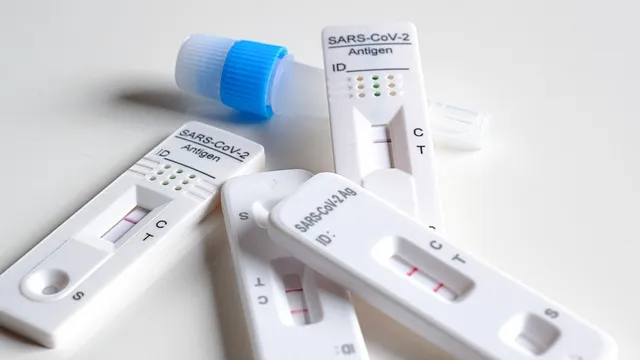
Fecal elastase-1 (FE-1) is the most clinically practical indirect test available. Pancreatic elastase-1 gets secreted into the small intestine and survives intestinal transit intact, so its fecal concentration reflects pancreatic secretory capacity fairly reliably. Normal sits above 200 μg/g stool. Moderate EPI: 100-200 μg/g. Severe EPI: below 100 μg/g.
Here’s the critical caveat, and it trips up more diagnoses than it should: FE-1 reads falsely low in liquid or high-output diarrhea, because the stool is diluted. Any patient with diarrhea-associated low FE-1 needs retesting on a formed stool sample. Testing diarrheal stool is the single most common source of false-positive EPI diagnosis.
Sensitivity runs around 90% for severe EPI but only 60-75% for mild-to-moderate cases — meaning a meaningful share of mild EPI will come back with a normal FE-1. Clinical suspicion shouldn’t get abandoned on the strength of one normal result.
72-hour fecal fat is the quantitative gold standard. The patient eats a controlled diet with exactly 100g fat daily for three days, collecting every stool across 72 hours. Lab analysis of total fat content gives the absorption efficiency. Normal: fat excretion below 7g/day. EPI typically: above 15g/day, and in severe cases, 30-50g/day. The coefficient of fat absorption (CFA) = [(fat intake − fecal fat) / fat intake] × 100; normal CFA sits above 93%.
Limitations: it demands rigorous dietary compliance and unglamorous stool collection for three straight days. Reserved for cases where FE-1 is inconclusive but suspicion remains high, or to quantify malabsorption severity before titrating PERT.
Secretin-stimulated pancreatic function test (sPFT) is the most sensitive test for early EPI that exists. IV secretin goes in, duodenal secretions get collected via endoscopic or fluoroscopic tube, and the sample gets analyzed for bicarbonate concentration and flow rate. The abnormal threshold is a peak bicarbonate concentration below 80 mEq/L. This test catches functional impairment before it shows up on any scan — early EPI that every other test misses. It’s reserved for tertiary centers with the specialized expertise to run it; not something available in routine practice.
Serum lipase and amylase: low — not elevated — serum lipase suggests reduced exocrine secretion and supports an EPI diagnosis, though sensitivity here is modest. Treat it as supportive evidence in context, never as a standalone diagnostic. In established chronic pancreatitis with significant acinar loss, serum enzymes often run low.
Pancreatic imaging — CT, MRI/MRCP, EUS — evaluates structure and can show the parenchymal atrophy, ductal dilation, and calcifications of chronic pancreatitis, the structural underpinning of EPI. But structural imaging can’t quantify functional secretory capacity. Normal imaging does not rule out EPI, particularly in autoimmune pancreatitis (which may actually show diffuse enlargement rather than atrophy) or early disease.
When to test: steatorrhea of unclear cause; unexplained weight loss with adequate intake; fat-soluble vitamin deficiencies without a dietary explanation; any known chronic pancreatitis patient regardless of symptoms; post-pancreatic-surgery patients; pancreatic cancer patients; cystic fibrosis patients needing dose titration; type 1 diabetics with GI symptoms; new-onset diabetes with concurrent GI symptoms, where Type 3c diabetes needs to be ruled out.
Treatment: Enzyme Replacement and Optimization Protocols
Pancreatic enzyme replacement therapy (PERT) is the foundation of EPI treatment. The principles are simple enough. The execution demands consistent attention to detail, which is where most PERT regimens quietly fail.
Product selection: prescription pancreatin preparations — Creon, Zenpep, Pancreaze, Pertzye — are the clinical standard. These contain porcine-derived pancreatin formulated into enteric-coated microspheres (roughly 1.0-2.0mm) inside hard gelatin capsules. The enteric coating protects lipase from gastric acid; the specific microsphere size lets gastric emptying happen in sync with food particles. These products are FDA-regulated for enzyme content and coating integrity. OTC digestive enzyme supplements are not equivalent, and should never substitute for prescription PERT in clinical EPI.
Initial dosing: guidelines recommend starting at 25,000-40,000 lipase units per main meal, 10,000-25,000 per snack. These are starting doses, not optimal ones — most patients need titration upward before symptoms resolve.
Timing protocol: capsules go down at the beginning of eating. For meals running longer than 10-15 minutes, split the dose — half at the start, half at the midpoint. The pharmacological goal is enzyme particles leaving the stomach mixed with partially digested food, arriving in the duodenum at the same moment to start working right where digestion happens. Dose too early and the enzymes beat the food to the duodenum. Dose too late and the nutrients sit there unsupported.
Acid suppression addition: add a proton pump inhibitor — omeprazole, pantoprazole, or equivalent — if PERT response stays incomplete after dose titration. PPIs reduce gastric acid output, raise duodenal pH, and thereby improve enteric coating dissolution while cutting acid-mediated lipase inactivation. Multiple randomized trials confirm improved fat absorption coefficient with PERT plus PPI versus PERT alone — improvements of 10-20 percentage points, typically.
Titration to response: increase the dose in 10,000-25,000 lipase unit increments per meal every 1-2 weeks until steatorrhea resolves, weight stabilizes, and nutritional deficiency markers improve. There’s no fixed adult ceiling, though doses above 10,000 lipase units per kg per day require monitoring for complications.
Monitoring PERT adequacy: clinical response markers include normalized stool consistency and color, no more oil or grease in the toilet bowl, weight stabilization or gain, resolved post-meal bloating, and normalized fat-soluble vitamin levels on adequate supplementation. If the clinical response looks adequate, routine repeat fecal fat testing isn’t necessary. If it’s suboptimal, troubleshoot systematically — timing, dose, acid suppression, SIBO, and whether the product’s been stored properly.
Nutritional Rehabilitation Protocol
- Vitamin D3: driven by baseline and monitored monthly until the level holds, against a 25-OH-D target of 40-60 ng/mL. Water-miscible formulations or liquid drops improve absorption in a gut that cannot handle fat. Severe deficiency — below 12 ng/mL — is handled with supervised weekly replacement for a couple of months before dropping to maintenance.
- Vitamin K2 (MK-7 form): monitor PT/INR while repleting. Water-soluble preparations exist for severe malabsorption states.
- Vitamin A: monitor serum retinol and let it set the pace. Sustained high intake carries a real hepatotoxicity risk, which is the reason this one is repleted against a blood level rather than a label. Water-miscible formulations preferred.
- Vitamin E (mixed tocopherols): monitor neurological symptoms and serum alpha-tocopherol. A water-soluble succinate form is available.
PERT stops the ongoing malabsorption. It doesn’t undo the deficiency burden that built up over the months or years before treatment started — that requires active, separate nutritional rehabilitation.
Caloric rehabilitation: many EPI patients need a sustained caloric surplus above maintenance to restore lost body mass — target 300-500 calories daily above calculated maintenance during rehab. Small, frequent meals (5-6 daily) maximize total caloric absorption and reduce the enzyme challenge at any single sitting. Liquid caloric supplements give density without demanding large solid-food volumes from someone whose appetite may not support it.
Medium-chain triglyceride (MCT) supplementation: MCTs (C8-C12 chain length) absorb directly through intestinal mucosa without needing lipase or bile salt micelle formation at all. MCT oil delivers 7.7 kcal/gram and can go into food or beverages for caloric density independent of enzyme status. Start small — 5-10ml daily — to avoid MCT-related nausea and osmotic diarrhea, and build up gradually to 30-60ml daily as tolerated.
Fat-soluble vitamin repletion: standard oral multivitamins aren’t enough for EPI patients — they carry fat-soluble vitamins in standard doses and forms that assume normal fat absorption. Water-soluble or water-miscible formulations are required instead:
Protein rehabilitation: target 1.5-2.0g protein per kg body weight daily during rehab, up from the normal 0.8-1.0g/kg. High-quality complete protein sources — lean meats, fish, eggs, dairy where tolerated, whey protein — do the work. Protein absorption efficiency improves with adequate PERT, so make sure proteases are actually part of the dosing (standard pancreatin preparations contain the full enzyme spread).
Bone health management: given the consistent finding of elevated fracture risk in EPI patients (2-3x population average), a DEXA scan is recommended at diagnosis and every 2 years afterward. Osteopenia and osteoporosis get treated per standard guidelines, with one critical addition — optimize vitamin D and K2 status before starting a bisphosphonate or other anti-resorptive therapy.
Living with EPI: Practical Day-to-Day Management

Meal planning for EPI: the goal is distributing fat intake fairly evenly across meals so no single meal overwhelms the enzyme dose. Five to six small-to-moderate meals a day, rather than two or three large ones with long gaps between, keeps enzyme-food synchrony working and cuts the symptom burden from any one high-fat sitting.
Very high-fat single meals — a big restaurant spread, say — can overwhelm even a correctly dosed PERT. Planning ahead for those occasions, taking a higher dose split across multiple administrations, cuts down on post-meal symptoms.
Eating out and travel: carrying enzymes at all times is non-negotiable. A missed dose means a symptomatic episode, and enough of those undermine confidence in the whole regimen. A small insulated travel case keeps capsules temperature-stable on the move. Many patients keep a spare supply stashed in several places — the car, the desk, the bag — just to eliminate the missed-dose scenario entirely.
Social eating challenges: taking medication at every meal creates a visibility some patients find awkward. A brief, matter-of-fact line — “I take a digestive enzyme with meals, my pancreas doesn’t work properly” — normalizes it without turning into a medical lecture. Most social settings absorb this without a second thought once the habit’s established.
Alcohol: for EPI caused by chronic pancreatitis, complete abstinence isn’t a suggestion — it’s medically mandatory. Even small amounts can trigger flares that accelerate acinar destruction and worsen long-term EPI severity. For EPI from other causes — CF, surgery, celiac disease — alcohol has no specific direct effect on EPI severity itself, though it still interacts badly with nutritional status and liver function, both of which are already under strain in a malabsorption state.
Smoking cessation: smoking independently accelerates chronic pancreatitis progression and worsens pancreatic function on its own. For any EPI patient, quitting sits near the top of the priority list.
The EPI-Diabetes Interface
Pancreatogenic diabetes — Type 3c — is the diabetic syndrome that arises from primary pancreatic exocrine disease, and it gets systematically misclassified in clinical practice, which creates real treatment errors.
Type 3c is estimated at 5-10% of all diabetes cases — more common than type 1 in absolute terms — yet most clinicians barely know it exists. It commonly gets filed as type 1 (when antibody testing never happens, and a thin patient with significant hyperglycemia gets assumed autoimmune) or type 2 (when nobody asks about the pancreatic disease history sitting underneath it).
What actually distinguishes Type 3c: combined insulin and glucagon deficiency (both beta and alpha cells take damage), absent first-phase insulin secretion, erratic glucose patterns that track unpredictable absorption — especially when the EPI itself is inadequately treated — high hypoglycemia susceptibility from absent glucagon counterregulation, and preserved or partial C-peptide production, since some residual beta cell mass usually survives.
The management implications follow directly: PERT adequacy determines glycemic stability, because insulin dosing is basically impossible against unpredictable absorption. Optimize PERT first. Metformin may suit some Type 3c patients with adequate renal function. Sulfonylureas are generally the wrong call given the hypoglycemia risk. Insulin is often necessary, structured around the understanding that glycemic patterns will run more variable than typical Type 1 or Type 2. Continuous glucose monitoring (CGM) provides the real-time data needed to work through that variability.
Reader Questions About Biology Exocrine Function
How long does it take to see improvement on PERT? Steatorrhea and GI symptoms typically improve within days to 1-2 weeks of correct dosing. Weight stabilization can take 2-4 weeks. Nutritional deficiency correction takes months — vitamin D and other fat-soluble vitamin levels normalize over 3-6 months of adequate supplementation and absorption. Bone density, if significantly reduced, takes 1-2 years to show measurable improvement even under optimal treatment. Every month of delayed diagnosis stretches that timeline further.
Can dietary changes alone manage EPI without enzymes? Not in any meaningful way. Very-low-fat diets reduce steatorrhea by removing the substrate that causes oily stools, but they worsen nutritional status by removing fat-soluble vitamins, essential fatty acids, and a huge amount of caloric density along with it. The evidence consistently shows PERT enabling normal fat intake produces better nutritional outcomes than fat restriction used as a substitute for enzyme therapy. Extreme fat restriction manages a symptom at the cost of nutritional adequacy. It isn’t a treatment.
What happens if EPI goes untreated long-term? Progressive malnutrition, worsening body composition, accelerating bone loss, neurological complications from vitamin E and B12 deficiency, immune dysfunction, and — in pancreatogenic diabetes — increasingly difficult glucose management as erratic absorption undermines insulin dosing. Long-term untreated EPI substantially reduces quality of life, functional capacity, and likely longevity through its combined nutritional and metabolic effects. Delayed diagnosis isn’t an inconvenience. It’s a slow-motion catastrophe.
Are there any natural remedies that help EPI? Bromelain (from pineapple) and papain (from papaya) are plant-derived proteases sold in OTC enzyme supplements. They work at different pH ranges and through different mechanisms than pancreatin — bromelain peaks at pH 6-7, papain across pH 3-9. They may offer modest support for mild functional digestive symptoms, but they are not therapeutically equivalent to prescription PERT for clinical EPI. They aren’t regulated for enzyme activity content and can’t substitute for adequate pancreatin dosing in documented insufficiency. Use them as a complement. Not a replacement.
Does EPI worsen over time? Entirely dependent on the underlying cause. In chronic pancreatitis with ongoing alcohol use or active disease, EPI worsens progressively as more acinar tissue gets destroyed. In treated autoimmune pancreatitis, it can improve substantially. Post-surgical EPI typically stays stable or improves slightly as the remaining tissue adapts. In cystic fibrosis, EPI severity tends to hold relatively steady once established, though the overall disease progression can complicate nutritional management over time regardless. The governing principle: controlling the underlying disease is the biggest determinant of where EPI goes from here.
What should I tell my doctor to ensure I receive proper EPI care? Ask specifically for: fecal elastase-1 testing if GI symptoms show up alongside any of the associated conditions (chronic pancreatitis, pancreatic surgery history, diabetes with GI symptoms, celiac disease not responding to a gluten-free diet); measurement of fat-soluble vitamins A, D, E and PT/INR for vitamin K function; a DEXA bone density scan if EPI is confirmed; a PERT prescription with clear dosing instructions and a follow-up to check the response; and a referral to a gastroenterologist with pancreatic disease expertise if the diagnosis is uncertain or management gets complicated.
Emerging Therapies and the Future of EPI Management

CFTR modulators and pancreatic restoration: for cystic fibrosis patients, the CFTR modulator combinations — elexacaftor/tezacaftor/ivacaftor, marketed as Trikafta — have transformed the disease by partially correcting the underlying protein defect. Published findings show CFTR modulators improving lung function, nutritional status, and systemic inflammation in CF patients. Some research even suggests partial recovery of exocrine pancreatic function in pancreatic-sufficient CF patients on modulators, and possible stabilization of function in those with insufficiency already. The long-term pancreatic effects of CFTR modulators are still an active research question, with real implications for EPI management down the line.
Lipid-based enzyme delivery systems: one limitation of current PERT is its dependence on precisely timed gastric emptying to keep enzymes and food synchronized. Lipid-based delivery vehicles that release enzymes in response to bile acids — which appear in the duodenum exactly when fat is present — rather than pH could theoretically achieve better matching, particularly for patients with altered GI anatomy after surgery.
Exocrine-targeted regenerative approaches: pancreatic acinar cell regeneration research has expanded considerably alongside a better molecular understanding of pancreatic cell fate. Murine studies demonstrate that acinar cells can be induced to regenerate from progenitor populations under specific growth factor conditions. The clinical translation timeline for regenerative approaches targeting exocrine tissue is uncertain, but the scientific groundwork is being laid.
Microbiome modulation: gut microbiome composition is increasingly recognized as a factor in EPI-related outcomes. SIBO is both a consequence and an aggravator of EPI, and treating it can meaningfully improve PERT response on its own. Beyond SIBO, emerging research on microbiome composition and short-chain fatty acid production may open new targets for improving overall digestive function and nutrient absorption efficiency in EPI patients.
Continuous enzyme delivery systems: for patients requiring tube feeding with EPI — post-surgical patients, the severely ill — RELiZORB (immobilized lipase for enteral feeding) represents a step toward continuous enzyme delivery. Future development of oral slow-release enzyme formulations, or enzyme-infused dietary products, could improve adherence for patients who struggle with the multiple-dose-per-meal demands of standard PERT.
Building a Life With EPI: The Long View
EPI is chronic. It requires a long-term view. The patients who get the best outcomes aren’t the ones who find the condition easy to manage — it isn’t easy to manage in any casual sense, and pretending otherwise sets people up to fail. The ones who thrive are the ones who build it into their lives systematically, treating it as an operational challenge to solve rather than a burden to just endure.
A few practical realities of long-term EPI management, worth saying plainly.
Enzyme replacement is for life, in most cases with irreversible causes. That’s not uniquely burdensome — it’s no different from taking thyroid medication, blood pressure medication, or insulin. The dose takes thirty seconds per meal. Skipping it costs hours of discomfort and, over years, real nutritional deterioration. The trade is not close.
Nutritional monitoring isn’t a burden. It’s information. Labs every 6-12 months catch emerging deficiencies before they turn clinically significant. Knowing a vitamin D level sits at 28 ng/mL when it should be 50 is actionable information that prevents a fracture five years down the road. This is preventive medicine doing exactly what it’s supposed to do.
Dietary adaptation feels disruptive at first and becomes habit eventually. The first months of managing meal timing, enzyme dosing, and dietary distribution feel like work. After six months, most patients report it’s gone fully automatic — background routine, same as anything else repeated daily. The brain’s capacity for habit formation is remarkable that way. What takes active effort at the start becomes unconscious with enough repetition.
Social eating needs exactly one good script. The anxiety around taking medication at every meal mostly dissolves once there’s a brief, confident line ready to go: “I have a digestive condition where my pancreas doesn’t produce enough enzymes — this medication replaces them so I can digest food normally.” Said without hesitation, it ends the conversation. The social cost turns out to be close to zero.
Advocate for yourself in the medical system. EPI management quality swings wildly between practitioners. Symptoms not resolving on prescribed PERT isn’t treatment failure — it’s undertitrated treatment, or an unidentified confounder sitting underneath it. Push for systematic troubleshooting: dose titration, PPI addition, SIBO testing, specialist referral where needed. The best outcomes belong to informed, engaged patients who understand their condition well enough to participate in their own care rather than just receive it.
The long view here is, honestly, optimistic. Diagnosis is improving as fecal elastase-1 testing becomes more routine. PERT formulations are more sophisticated than they were a decade ago. Recognition of Type 3c diabetes as its own distinct entity is improving management of EPI-associated diabetes. The understanding that nutritional rehabilitation demands active, targeted effort — not passive hope that absorption improves on its own — is spreading. Patients who engage fully can achieve excellent nutritional status, maintain quality of life, and prevent the worst long-term complications that come from inadequate care.
EPI doesn’t have to define a life around digestive dysfunction. It means a life that includes a systematic management protocol — one that turns into background habit rather than a constant preoccupation, with enough time and practice. The pancreas stopped doing its job. PERT does that job instead. The nutritional gaps need specific, targeted filling. The monitoring requirement is a quarterly blood draw. The lifestyle requirements are the same ones that support health in any context anyway: consistent nutrition, adequate movement, adequate sleep, stress kept in check.
The patients who struggle most with EPI are the ones waiting passively for the healthcare system to optimize their treatment for them. The ones who do best understand their condition deeply enough to advocate for proper management, catch undertitration early, troubleshoot persistently when symptoms don’t clear, and build the self-care infrastructure that makes consistent PERT use and nutritional monitoring close to effortless. The knowledge base is here. What happens with it is the next part.
References
Editorial StandardsCorrectionsMedical DisclaimerAbout Our ContentAffiliate DisclosureSite Map