
The Fast That Actually Kept Her Sane
Rachel had tried water fasting. Made it eighteen hours before she was shaking, irritable, and had completely lost her ability to focus on work. Tried juice fasting next. By day two, the blood sugar swings had her feeling worse than when she started, and she broke it on a bag of crackers at 11pm. She wanted the benefits she’d read about — gut rest, cellular regeneration, metabolic reset — but her body seemed constitutionally unsuited to extended food deprivation. Then a functional medicine practitioner suggested something she hadn’t considered: a modified fast using bone broth. She was skeptical. Broth wasn’t fasting. Except it kind of was.
Bone broth fasting sits in a fascinating middle ground between full water fasting and regular eating. It preserves many of the physiological benefits of fasting — gut rest, ketosis induction, inflammation reduction, metabolic adaptation — while providing a small but meaningful amount of protein, minerals, and amino acids that make the fast dramatically more tolerable and physiologically gentler. For people who respond poorly to water fasting (blood sugar instability, cortisol spikes, thyroid suppression, adrenal fatigue), bone broth fasting offers a way to access the fasting state without the full physiological burden of complete caloric restriction.
This article presents the evidence and the practical protocol — the Bone Broth Fast Protocol — for a modified fast that works with human physiology instead of fighting it. Not a spiritual practice, a weight loss gimmick, or a social media trend. A structured physiological intervention with specific mechanisms, appropriate candidates, contraindications, and a protocol designed to maximize benefits while minimizing the known risks of extended fasting.
What Bone Broth Actually Contains
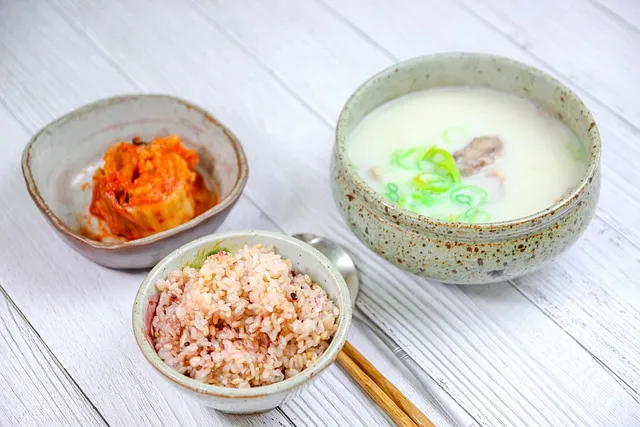
Bone broth is prepared by simmering animal bones — typically beef, chicken, or fish — in water for an extended period (6-24 hours for chicken, 12-48 hours for beef). The extended simmering extracts collagen from connective tissue, bone marrow, and cartilage and converts it to gelatin. This gelatin is a protein composed predominantly of three amino acids: glycine, proline, and hydroxyproline. These carry specific physiological significance beyond their role as protein substrates.
Glycine, the most abundant amino acid in collagen, is itself a major inhibitory neurotransmitter in the central nervous system and a co-agonist at NMDA receptors. Dietary glycine supplementation has been shown to improve sleep quality in double-blind placebo-controlled trials — the Bannai and Kawai 2012 study in Frontiers in Neurology found that 3g of glycine before sleep significantly improved subjective sleep quality, reduced daytime sleepiness, and improved psychomotor performance the following day. High-quality bone broth provides approximately 1-3 grams of glycine per cup — a meaningful amount in the context of these findings.
Proline and hydroxyproline are precursors for collagen synthesis throughout the body — connective tissue, joints, gut lining, skin, all of it depends on these amino acids for structural integrity. The gut lining specifically depends on adequate glycine and proline for enterocyte proliferation and tight junction protein synthesis. That’s the mechanistic basis for bone broth’s gut healing reputation, and it holds up better at the component level than the clinical research on bone broth specifically might suggest.
Beyond the gelatin proteins, bone broth contains minerals extracted from bones — calcium, phosphorus, magnesium, trace elements — in amounts that vary significantly by preparation method, acidity of the cooking liquid, and bone quality. Real, but not dramatically high; bone broth isn’t a primary dietary mineral source. It also contains glutamine from cartilage breakdown, which supports intestinal enterocyte metabolism and tight junction integrity. Glycine, proline, glutamine, and minerals, delivered in a warm liquid that’s gentle on the digestive system — that combination is what makes bone broth a rational choice for fasting support.
What bone broth is not: a complete protein source, a reliable substitute for diverse amino acid intake, or a magical healing elixir. It’s a specific, limited nutritional substrate with particular relevance for gut health, connective tissue support, and nervous system amino acid provision. Within a fasting protocol, those specific properties make it uniquely appropriate as the minimal caloric support that lets fasting physiology occur while reducing the stressors that make complete fasting intolerable for a lot of people.
The Physiology of Modified Fasting
The key question in modified fasting: do the small amounts of protein and minerals in bone broth break the fasting state in ways that eliminate fasting benefits? The answer depends on what you’re trying to achieve, and it’s more nuanced than a binary yes or no.
Ketosis, the metabolic shift from glucose to ketone body metabolism, is largely preserved during a bone broth fast. Bone broth is essentially calorie-free by the standards that affect ketosis — a cup contains approximately 30-40 calories, predominantly from protein. The absence of carbohydrates maintains the low insulin environment ketosis requires. Glycogen depletion proceeds normally. After 24-48 hours of bone broth fasting, blood ketone levels (measured as beta-hydroxybutyrate) rise in a manner comparable to water fasting for most people. The brain shifts to ketone metabolism. The metabolic adaptation that fasting advocates cite — improved insulin sensitivity, enhanced fat oxidation, reduced inflammatory signaling — happens.
Autophagy — cellular self-cleaning through protein recycling — is more sensitive to protein intake than to carbohydrates. Even small amounts of protein stimulate mTOR, the cellular nutrient-sensing pathway that inhibits autophagy when activated. Which means bone broth fasting produces less autophagy than water fasting at equivalent durations. The degree of mTOR activation from 30-40 calories of protein per serving of broth is modest, and the autophagy induction that does occur during a 3-day bone broth fast is significant — just somewhat attenuated compared to a water-only fast. For people who specifically want maximal autophagy induction, that’s a trade-off worth knowing about. For people who want to access fasting physiology without the blood sugar crashes, cortisol spikes, and thyroid stress of complete caloric restriction, bone broth is a rational middle path.
Gut rest — the reduction in digestive burden that lets the intestinal lining heal — is fully preserved during bone broth fasting. What the intestinal lining primarily needs during healing periods is the absence of the digestive demands complex food imposes (especially fiber fermentation and large protein digestion) combined with provision of the amino acid substrates — glycine, glutamine — needed for enterocyte renewal. Bone broth provides the substrates without the digestive demands. Which makes bone broth fasting specifically superior to water fasting for gut healing purposes: it gives the gut what it needs while removing what stresses it.
The Bone Broth Fast Protocol
The Bone Broth Fast Protocol is structured as a 3-5 day modified fast designed to deliver the primary benefits of extended fasting — gut rest, metabolic reset, inflammation reduction, ketosis — while maintaining enough physiological support to prevent the cortisol surges, blood sugar instability, and thyroid suppression that make water fasting counterproductive for a lot of people. Six core components:
- Broth quality and quantity: High-quality bone broth is not the same as carton stock or commercial broth. Quality broth contains significant gelatin (it should gel in the refrigerator when cooled) and has been simmered long enough to extract collagen and minerals. Make your own from bones with connective tissue (knuckles, feet, oxtail), or use a commercial brand that specifies collagen protein content per serving. Target 4-6 cups (approximately 32-48 oz) of bone broth daily. This provides 120-240 calories and 10-25 grams of protein depending on concentration — sufficient to prevent metabolic crisis while maintaining the fasting state.
- Electrolyte maintenance: Sodium, potassium, and magnesium are lost in higher quantities during fasting through increased urine output driven by lower insulin levels (insulin normally promotes renal sodium retention; low insulin reverses this). Bone broth naturally contains sodium, but supplemental electrolytes are recommended: add a pinch of high-quality sea salt or pink Himalayan salt to each cup of broth. Potassium and magnesium glycinate are the two worth having on hand alongside the salt; a pharmacist or clinician can tell you what makes sense for your own situation. Electrolyte deficiency is the primary cause of headaches, fatigue, and heart palpitations during fasting — addressing it proactively prevents 80% of the common adverse symptoms.
- Herbal teas and water: Unlimited water, herbal teas (chamomile, ginger, peppermint — without sugar or milk), and black coffee or plain green tea are compatible with the protocol. These contribute to hydration, provide antioxidants, and help manage hunger signals without breaking the metabolic fasting state. Avoid any tea with added sugar or milk, or with significant caloric content.
- Duration: A 3-day protocol is the appropriate starting point for anyone new to extended fasting. Day 1 is typically the hardest — hunger is more intense, the transition to fat metabolism is incomplete, fatigue is common. Day 2 usually brings meaningful improvement as ketosis deepens and hunger hormones adapt. Day 3, in a well-executed bone broth fast, is typically the best day — clear-headed, less hungry, more energy than Day 1. Extensions to 4-5 days are appropriate for experienced practitioners with specific goals. Beyond 5 days should happen only with medical supervision.
- Activity modification: Light activity — walking, gentle yoga, mobility work — is compatible with the bone broth protocol and likely beneficial. Intense exercise, heavy strength training, and prolonged cardio should be suspended during the fast. Energy availability is reduced, and high-intensity exercise in a fasted state without caloric support risks muscle protein catabolism, performance crashes, and extended recovery periods that undermine the fast’s restorative goals.
- Refeeding: The refeeding phase after the fast is critically important and frequently neglected. Breaking a multi-day fast with a large mixed meal triggers rapid insulin release, gastrointestinal distress, and can cause rebound inflammation that partially negates the fast’s benefits. The appropriate refeeding protocol: end the fast with a cup of bone broth mixed with small amounts of soft, easily digestible food (soft-cooked vegetables, eggs) on Day 1 of refeeding. Progress to normal small meals on Days 2-3. Return to your full normal diet by Day 4-5. Avoid high-fiber, high-fat, or highly processed foods in the first 48 hours of refeeding to let the gut lining re-adapt to processing complex food.
Who Should and Shouldn’t Do a Bone Broth Fast
Appropriate candidates for the bone broth fast share some common characteristics: metabolically stable, no conditions that make caloric restriction risky, and a specific physiological goal that extended fasting actually serves. Ideal candidates include people with chronic low-grade gut dysfunction (bloating, irregular bowels, mild food intolerances), people seeking a metabolic reset after a period of inflammatory eating, people who want to experience ketosis and fat adaptation without committing to a ketogenic diet, and people recovering from illness who want to support gut healing without the digestive demand of solid food.
The contraindications are significant and should be taken seriously. Do not attempt a bone broth fast (or any extended fast) if you are pregnant or breastfeeding. Do not fast if you have a history of eating disorders, including orthorexia — the restrictive framework of fasting can trigger disordered eating patterns even in people who consider themselves recovered. Do not fast if you are underweight or have been in significant caloric deficit for an extended period. Do not fast if you are diabetic and taking insulin or blood sugar-lowering medications without explicit guidance from your prescribing physician — fasting changes insulin requirements dramatically and can cause dangerous hypoglycemia in medicated diabetics. Do not fast if you have adrenal insufficiency or Addison’s disease.
Special populations requiring physician oversight: people with Hashimoto’s or other thyroid conditions (as covered in the thyroid-fasting article in this series), people with significant cardiovascular disease, people taking any medications where timing relative to food intake affects efficacy or safety, and people over 70 where the hypoglycemia and muscle loss risks of extended fasting require closer monitoring.
Making Your Own Bone Broth vs. Buying It
The quality gap between homemade bone broth and commercial broth products is substantial enough to warrant direct discussion, because the protocol’s efficacy depends on using actual bone broth rather than commercial stock.
Commercial broth labeled “stock” or “broth” in cartons is typically made from a combination of meat, some bones, and vegetables, simmered for a few hours. These products have some nutritional value but contain minimal gelatin (they don’t gel when chilled) and relatively low collagen protein content. Soup bases, not therapeutic bone broth. Even many products marketed as “bone broth” run lower quality than homemade — look for products that specify collagen protein content per serving (minimum 8-10g per cup) and that have been verified to gel when refrigerated.
Making genuine bone broth requires bones with connective tissue — knuckles, feet (chicken feet produce dramatically gelatinous broth), oxtail, joint-containing cuts. Add a tablespoon of apple cider vinegar per 4 quarts of water to acidify the liquid and improve mineral extraction. Simmer at a very low temperature (just below a boil) for 12-24 hours for chicken, 24-48 hours for beef. The resulting broth, when cooled, should be jiggly or solid — that’s the sign of successful collagen extraction. Season with sea salt. Can be made in large batches, frozen in portions, thawed as needed for the fast.
If homemade preparation isn’t feasible, the better commercial options include brands that specify “collagen protein” on the nutrition facts label, use pasture-raised or grass-fed source animals (higher collagen quality), and note a minimum 12-hour simmer time in their preparation. Available at health food stores and online, and they provide a workable alternative to homemade preparation.
What to Expect Day by Day
Knowing what a bone broth fast actually feels like cuts down significantly on anxiety and early abandonment. Most people who stop a fast early do so because they hit a symptom they didn’t anticipate and read it as a sign they should stop, when it’s actually a normal part of the transition process.
Day 1: The first day is dominated by hunger signals and mild fatigue. Hunger peaks around usual meal times — the body expects food based on habitual timing, and the hunger signal is partly conditioned behavior rather than genuine metabolic need. Blood sugar may dip, causing brief lightheadedness or irritability in the mid-afternoon. Drinking broth with added salt at these moments resolves the lightheadedness in most cases. By evening, most people feel calmer as blood sugar stabilizes in the lower normal range and insulin keeps falling. Sleep is often better than expected on Night 1.
Day 2: Ketone production increases significantly as liver glycogen gets depleted. Many people notice a metallic taste or mild fruity breath — that’s acetone, a ketone body, being exhaled, and it confirms ketosis has occurred. Hunger is generally reduced from Day 1. Energy may run lower than normal, especially in the morning, but typically improves as the day progresses. Headache, if it occurs, is almost always electrolyte-related — add sea salt to your broth and take magnesium. Mental clarity can be unexpectedly good on Day 2 for a lot of people — the ketone-fueled brain often reports sharper focus than usual.
Day 3: The best day for many bone broth fasters. Hunger is substantially reduced as ghrelin (the hunger hormone) adapts to the fasted state. Ketone levels peak around 0.5-2.0 mmol/L — relatively mild ketosis compared to extended water fasting. Gut symptoms often improve noticeably — bloating decreases, gut motility normalizes, digestive ease increases. Many people find Day 3 the clearest and most pleasant day of the fast. It’s also the appropriate endpoint for a first-time bone broth fast.
Beyond Gut Healing: Other Applications

For metabolic reset after inflammatory eating periods — holiday eating, travel, social eating concentrated over weeks — a 3-day bone broth fast provides a structured return to baseline insulin sensitivity, reduces systemic inflammation, and psychologically breaks the momentum of habitual overconsumption. The refeeding period serves as a natural reinstatement of mindful eating. Many people report that their appetite, portion instincts, and food preferences shift meaningfully after a bone broth fast, making the following weeks easier for maintaining dietary quality.
For people preparing for a ketogenic dietary protocol, the bone broth fast serves as a rapid induction mechanism — it accelerates the transition into ketosis that would otherwise take 3-7 days of very low carbohydrate eating. Starting a ketogenic diet from a bone broth fasted state means entering nutritional ketosis immediately rather than enduring the “keto flu” transition period, which makes the diet’s initial phase significantly easier.
For people recovering from food poisoning, gut illness, or post-antibiotic gut disruption, the bone broth fast provides gut rest combined with the glutamine and glycine that accelerate gut lining repair. This application has the strongest mechanistic basis — the gut healing components of broth directly address the mechanisms of gut lining damage, and the absence of complex food reduces the digestive stress that slows healing.
Bone Broth Fast Q&A
Q: Does bone broth break a fast?
Depends what aspect of fasting you’re talking about. Bone broth does not significantly raise insulin or blood glucose, so metabolic fasting (ketosis, fat oxidation, insulin sensitivity improvement) is maintained. It does stimulate mTOR slightly through its amino acid content, which attenuates autophagy induction compared to water fasting. It does not constitute a “meal” in any meaningful digestive sense. For most fasting purposes — gut rest, metabolic reset, ketosis — bone broth is compatible with the fasting state.
Q: How much bone broth should I drink per day on a fast?
Target 4-6 cups (32-48 ounces) per day, distributed throughout the day to maintain stable amino acid availability and manage hunger. Drink a cup at each time you’d normally eat — breakfast, lunch, dinner, and an evening cup if needed. This schedule addresses the conditioned hunger responses that peak around meal times and provides consistent electrolyte and amino acid supply throughout the day.
Q: Can I work during a bone broth fast?
Sedentary or low-intensity knowledge work is generally compatible, particularly from Day 2 onward. Day 1, especially the mid-afternoon period, may involve focus disruption from blood sugar adaptation. Physical work, demanding travel, or high-stakes cognitive tasks are better scheduled outside a fast window. Plan the fast during a period with flexibility and low physical demands — a quiet work week, or a long weekend.
Q: Will I lose muscle on a bone broth fast?
Muscle loss risk during a 3-day bone broth fast is minimal for most healthy adults. Muscle protein catabolism accelerates significantly in extended water fasting beyond 5-7 days; in a 3-day bone broth fast with adequate protein in the broth (20-30g total daily from broth), muscle protein preservation is substantially better than complete fasting. The combination of glycine and proline from broth collagen provides some muscle-sparing benefit, and the duration is short enough that significant muscle loss is unlikely for most people.
Q: How long should I wait between bone broth fasts?
Minimum 4-6 weeks between extended (3+ day) bone broth fasts for most people. More frequent fasting creates cumulative physiological stress, potential thyroid suppression risk, and the psychological pattern of alternating deprivation and normal eating that can develop into disordered relationships with food. Quarterly bone broth fasts — four per year, timed around seasonal transitions — are a reasonable rhythm that captures the metabolic reset and gut healing benefits without the risks of more frequent extended restriction.
Q: What’s the best way to break a bone broth fast?
Break the fast with soft, easily digestible food on the first day: soft-boiled eggs, avocado, cooked (not raw) vegetables, plain yogurt, or a small bowl of white rice. Avoid raw vegetables (high fiber is hard on a resting gut), large amounts of fat in the first meal, highly processed food, and large portions. The digestive system has been at rest and needs gradual reintroduction to food processing. Rushing refeeding causes the nausea, cramping, and digestive distress that many people incorrectly attribute to the fast rather than to improper refeeding.
The Science of Gut Lining Repair
The gut healing rationale for bone broth fasting deserves a closer mechanistic look, because the claim that “bone broth heals the gut” circulates widely without much explanation of the actual biology behind it. Understanding the mechanism makes it easier to know when this intervention is genuinely appropriate versus when something else fits better.
The intestinal lining is the fastest-renewing tissue in the human body — enterocytes (gut lining cells) complete their life cycle and get replaced approximately every 3-5 days. That rapid renewal means the gut lining has enormous healing capacity when conditions support repair. The conditions that support repair: adequate glutamine (the primary fuel source for enterocytes), adequate glycine and proline for tight junction protein synthesis, absence of inflammatory triggers (food proteins that drive immune activation, alcohol, NSAIDs), and reduced mechanical stress from digestive processing.
A bone broth fast creates all of these conditions at once. Glutamine in broth (from glutamate-rich connective tissue) directly fuels enterocyte energy metabolism. Glycine and proline from collagen hydrolysis provide raw material for tight junction proteins (claudins, occludins, zonula occludens proteins) that seal the gaps between gut lining cells. Eliminating all food eliminates all food-antigen driven immune activation. Reduced digestive processing means reduced mechanical stress and reduced digestive secretion demand — a genuine physiological rest period for the gut.
The clinical application: conditions where gut lining disruption is a primary or significant contributor to symptoms represent appropriate bone broth fasting targets. That includes post-infectious gut dysfunction (following gastroenteritis, food poisoning, or gastrointestinal illness), post-antibiotic gut disruption (the gut lining is collateral damage in antibiotic-induced microbiome disruption), and functional digestive symptoms without structural pathology (bloating, irregular bowels, food sensitivity symptoms without a clear allergic cause). In all of these, providing the substrates for repair while resting the system that’s damaged is mechanistically rational.
What bone broth fasting is not appropriate for: structural bowel disease (Crohn’s, ulcerative colitis, significant stricture) where medical management is primary; celiac disease where gluten avoidance is the intervention rather than gut rest; and conditions requiring evaluation by a gastroenterologist where self-treatment delays diagnosis. Use bone broth fasting as a first-line gut support tool for functional symptoms, not as a substitute for proper medical evaluation of symptoms that could indicate structural disease.
Bone Broth Fasting and Inflammation
One of the more clinically relevant benefits of bone broth fasting is its effect on systemic inflammation, and this benefit extends beyond gut health into broader metabolic and immune function. Understanding how it works clarifies why a bone broth fast is different from simply not eating for three days.
Caloric restriction of any kind activates AMPK (AMP-activated protein kinase), the cellular energy sensor that responds to low ATP availability. AMPK activation inhibits inflammatory signaling cascades — specifically NF-κB activation, the master regulator of inflammatory cytokine production. This creates anti-inflammatory effects that scale with the degree of caloric restriction, meaning a complete fast produces more acute anti-inflammatory signaling than bone broth fasting, but bone broth fasting still produces meaningful AMPK activation and NF-κB inhibition over 3 days.
The unique additional mechanism in bone broth fasting versus water fasting for inflammation is glycine’s direct anti-inflammatory properties. Glycine inhibits macrophage activation through chloride channels — activated macrophages are a primary source of inflammatory cytokines including TNF-alpha, IL-1β, and IL-6. Dietary glycine (abundant in bone broth) has been shown in multiple studies to reduce circulating inflammatory markers and protect against LPS-induced inflammation. A 2000 study by Wheeler et al. in American Journal of Physiology demonstrated that glycine supplementation in rodents dramatically reduced inflammatory cytokine production in response to endotoxin challenge. Direct human fasting studies are limited, but the mechanistic pathway is well-supported.
The practical result: inflammatory markers (hsCRP, fibrinogen, IL-6) typically decrease significantly over a 3-5 day modified fast. People with chronic inflammatory conditions — joint pain, skin conditions, chronic fatigue with inflammatory markers — often report symptom improvement that extends beyond the fast itself, lasting several weeks if the refeeding phase returns to an anti-inflammatory dietary pattern rather than reverting to the habits that drove the inflammation in the first place.
This anti-inflammatory effect is also why bone broth fasting gets used by a lot of people as a biannual reset strategy — not because they’re treating a specific condition, but because they recognize that modern dietary patterns accumulate inflammatory burden over time, and a structured periodic reset reduces that baseline before it produces clinical symptoms. Maintenance, not crisis management.
Preparation: The Week Before Matters
The preparation period before a bone broth fast significantly shapes the experience and the outcomes. Jumping from a high-sugar, high-processed-food diet straight into a 3-day fast without preparation creates a difficult transition — blood sugar swings, intense hunger, withdrawal-like symptoms from sugar and caffeine dependence, all making the fast feel significantly harder and often causing early abandonment.
Preparation protocol for the week before: eliminate processed sugar and refined carbohydrates progressively. Three to five days before the fast, eat predominantly whole foods with reduced refined carbohydrate content. This pre-adapts blood sugar regulation and reduces the insulin-resistance-driven hunger that makes the first fast day hardest. If caffeine dependence is significant, taper caffeine intake in the week before — caffeine withdrawal headaches are much harder to manage during a fast, since headache could also mean electrolyte imbalance.
Increase dietary fat slightly in the days before the fast (avocados, olive oil, fatty fish, eggs) to begin shifting the metabolic substrate mix toward fat oxidation. This head start on fat adaptation smooths out the Day 1 transition to ketosis. Avoid highly processed, high-sodium restaurant food in the final 48 hours before the fast — those foods cause water retention that gets released in the first 24 hours of the fast, creating dramatic early scale drops that are misleading as progress indicators.
Prepare your broth before starting the fast — don’t begin without having 3 days worth ready. Stock your kitchen with herbal teas, electrolytes, and everything needed to stay hydrated without running into food triggers. Clear your schedule as much as possible of demanding social events or meal-centered gatherings. Tell the people you live with what you’re doing so cooking smells and communal meals don’t undermine the fast through constant sensory triggers. None of this is overthinking. It’s the difference between a successful 3-day fast and an abandoned 18-hour attempt.
Rachel’s Outcome and the Bigger Picture
She broke the fast properly, with soft eggs and avocado. Over the following three weeks, her digestive symptoms stayed markedly improved. She hadn’t realized how much baseline digestive noise she’d been carrying until the noise stopped. She went back to a normal diet, but with some structural changes — less processed food, more bone broth incorporated as a regular food rather than just a fast vehicle, less alcohol. She did another bone broth fast twelve weeks later and found it significantly easier than the first.
The bone broth fast isn’t for everyone, and it isn’t a cure for anything specific. What it does — properly executed, with adequate preparation and refeeding, appropriate electrolyte management, and a protocol matched to the individual’s health status — is create conditions for the gut, the immune system, and the metabolic system to express their natural capacity for recovery and recalibration. Modern life relentlessly loads the digestive system with more than it evolved to handle, more often than it can fully recover from. Periodic structured rest, supported with the specific substrates that accelerate recovery, isn’t exotic medicine. It’s basic physiological housekeeping.
The Bone Broth Fast Protocol
The Bone Broth Fast Protocol goes beyond simply “drink broth for three days.” It includes a preparation phase, daily structure, supplementation, and a proper re-feeding sequence that determines how much of the healing benefit actually sticks after the fast ends.
- Preparation Phase (Days -3 to -1). Three days before starting, begin reducing digestive load: eliminate gluten, dairy, raw vegetables, alcohol, and caffeine. Move toward cooked vegetables, soft proteins, and simple whole food carbohydrates. This prevents the dramatic digestive shock of moving straight from a complex diet to liquid only, and pre-reduces gut inflammation to create a better starting environment for the healing phase.
- Daily Broth Target. Consume 4-6 cups of well-made bone broth per day, spread across 4-5 servings. Warm but not boiling — sustained boiling begins denaturing the gelatin you’re consuming specifically for its gut healing properties. Add sea salt generously to each serving; electrolyte management is non-negotiable during a calorie-restricted liquid fast. Between broth servings, drink 2+ liters of plain water and herbal teas (non-caffeinated).
- Enhancements for Gut Healing. Add one tablespoon of apple cider vinegar to the first broth of the day to support digestive acid levels. Add a teaspoon of ghee or coconut oil to one serving daily for fat-soluble nutrient support and ketone precursor substrate. Add raw ginger to broth servings for its anti-inflammatory and prokinetic (gut motility supporting) properties. For the final broth of the evening, add a teaspoon of raw honey if hunger is significant — small amounts of glucose without significant digestive load.
- Electrolyte Protocol. Sodium from sea salt in broth — add liberally, don’t be shy. Potassium: cream of tartar stirred into water is the cheapest kitchen source, or use a potassium chloride supplement. Magnesium glycinate, taken before bed. These three cover the primary needs during the calorie-restricted period and prevent the headaches, fatigue, and muscle cramping most people wrongly attribute to the fast itself rather than to electrolyte depletion.
- Re-Feeding Phase (Days 4-6). Day 4: soft-cooked eggs, avocado, steamed vegetables, plain yogurt or kefir. Day 5: add easily digestible proteins — cooked fish, soft chicken, soft-cooked legumes. Day 6: return to normal eating with emphasis on diverse fiber and fermented foods. The re-feeding phase matters as much as the fast itself. Rushing it with high-volume, high-fiber, or high-fat meals right after three days of liquid nutrition causes digestive distress and inflammation that partially undoes the gut healing the fast produced.
“The gut heals when it rests. Bone broth fasting is not about deprivation — it’s about removing the constant digestive burden long enough for the repair processes that are always waiting to run to actually run. Three days isn’t a sacrifice. It’s an investment in the years of comfortable digestion that follow.”
Sourcing and Making Quality Bone Broth
The therapeutic value of bone broth depends critically on its collagen and gelatin content — which varies enormously between commercial products and homemade preparations. Knowing what makes bone broth therapeutically potent versus nutritionally ordinary matters for actually getting the benefits this protocol promises.
The gelatin test is the single most important quality indicator for bone broth. Properly made bone broth — simmered for 12+ hours with collagen-rich bones and connective tissue, with an acid added to facilitate mineral and collagen extraction — should gel solidly when refrigerated. If your broth has the consistency of water when cold, it contains inadequate gelatin and has limited therapeutic value for gut healing. Essentially flavored water with some minerals. The gelling property comes from collagen extracted from cartilage, knuckle joints, chicken feet, and connective tissue — which is why bones without connective tissue (marrow-only bones without cartilage, say) may produce nutritious but poorly gelling broth.
The most gelatin-rich ingredients for bone broth: chicken feet (the single highest collagen-density ingredient available at reasonable cost), chicken necks and backs, beef knuckle bones (the large round joint bones from the knee and shoulder), oxtail, and pork trotters. Combining two or three of these in a single batch produces a deeply gelling broth rich in diverse connective tissue amino acids. One to two pounds of chicken feet per quart of water will reliably produce solid-gelling broth even with a relatively short simmer of 12-18 hours.
For commercial products: look for “pasture-raised” or “grass-fed” sourcing (better fatty acid and mineral profiles from the bones), listed cooking time of 18+ hours (anything less is unlikely to achieve full gelatin extraction), and a clear statement about gelling texture. Price is not a reliable quality indicator — some expensive commercial products have poor gelatin content, while well-made small-batch products may be available at reasonable prices through farmers markets, local butchers, or direct farm sales.
Beyond the Fast: Bone Broth as a Daily Practice
The most sustainable application of bone broth’s gut healing properties isn’t the occasional extended fast — it’s the daily small-dose habit: one to two cups of quality bone broth as a regular dietary element.
One cup of bone broth daily provides approximately 10g of collagen peptides, 2-3g of glycine, and small amounts of proline, hydroxyproline, and glutamine — a meaningful contribution to the conditional amino acid supply that supports gut barrier integrity on an ongoing basis. For people who’ve done the bone broth fast and want to hold onto the gut health improvements, this daily habit creates a baseline of mucosal support that makes the gut less vulnerable to the disruptions — dietary deviation, stress, alcohol, NSAID use — that tend to re-establish the permeability and inflammation patterns that preceded the fast.
Bone broth as an evening ritual — a warm cup before bed — has the additional benefit of delivering glycine in the context most favorable to its sleep-supporting properties. Glycine taken in the evening reduces core body temperature (through vasodilation in peripheral extremities) and activates glycine receptors in the brain that promote non-REM sleep onset. Same mechanism exploited by glycine supplements studied for sleep quality — but in bone broth, the glycine arrives packaged with the other connective tissue amino acids that collectively support gut, skin, and joint health. Not a dramatic intervention. A quiet, consistent accumulation of benefit over months and years of the daily practice.
Rachel, from the opening of this article, now makes a large batch of chicken bone broth every Sunday — three pounds of chicken feet, a carcass, an onion, bay leaves, and two tablespoons of apple cider vinegar, in her slow cooker for eighteen hours. She does a three-day bone broth fast at each seasonal change. Her gut health has been stable for three years. She credits not just the occasional fast but the daily cup of broth that’s become as automatic as her morning coffee. The gut heals incrementally, not all at once. The fast starts the process. The daily habit maintains it.
The Role of Electrolytes in Making the Fast Work
Electrolyte management is consistently the most underappreciated practical component of any extended fasting protocol, and the bone broth fast is no exception. The reason extended fasting produces symptoms like headache, fatigue, muscle cramps, heart palpitations, and dizziness is almost always electrolyte depletion, not the absence of food itself. Address electrolytes adequately and you prevent the vast majority of these symptoms, so the fast reads as clarifying rather than punishing.
The mechanism: under normal fed conditions, insulin promotes sodium and potassium retention in the kidneys. When insulin falls during fasting, the kidneys dramatically increase sodium excretion — which is why people lose several pounds of water weight quickly when starting any low-carbohydrate or fasting protocol. The water follows the sodium out, and with it, potassium and magnesium. This electrolyte and fluid loss is beneficial metabolically (it reduces insulin-driven water retention and bloat) but creates deficits that, left unaddressed, cause uncomfortable symptoms.
Sodium requirements during fasting run substantially higher than during normal eating — fasting individuals may need 2,000-3,000mg of sodium daily to maintain adequate levels. Bone broth naturally provides significant sodium (approximately 400-500mg per cup depending on preparation), but adding additional sea salt to broth and drinking electrolyte water ensures adequate repletion. Potassium requirement runs approximately 1,000-2,000mg daily during fasting — supplemental potassium (available as potassium chloride or potassium citrate) bridges the gap beyond what broth provides. Magnesium glycinate covers the third leg of this — magnesium depletion is what produces the muscle cramping, broken sleep, and fatigue that fasters usually blame on the fast.
Some fasting practitioners add small amounts of cream of tartar (a concentrated natural potassium source) and pink Himalayan salt to their broth for a complete electrolyte combination. The popular “snake juice” electrolyte formulation used in the fasting community provides a useful reference: water, sodium chloride, potassium chloride, baking soda (sodium bicarbonate for buffering), and magnesium sulfate. A simpler version for bone broth fasting: add a generous pinch of sea salt and a small pinch of potassium salt substitute to each cup of broth. Drink 4-6 cups of this supplemented broth daily, plus additional plain water. Covers sodium and potassium requirements without elaborate preparation.
The practical signal that electrolyte management is inadequate: persistent headache despite adequate hydration (the most reliable sign), muscle cramps at rest (particularly legs and feet), heart palpitations or feelings of rapid or irregular heartbeat, significant lightheadedness on standing, and unusual fatigue that doesn’t improve as the fast progresses. Any of these should prompt immediate electrolyte supplementation — they respond quickly, usually within 30-60 minutes, to adequate sodium, potassium, and magnesium, which confirms electrolytes rather than caloric deprivation were the cause.
References
Editorial StandardsCorrectionsMedical DisclaimerAbout Our ContentAffiliate DisclosureSite Map