
Carlos had been eating clean and lifting consistently for two years when a friend talked him into trying bone broth protein powder instead of whey. The pitch was compelling: collagen protein heals joints, supports gut lining, feels more “natural” than whey. Carlos was dealing with some knee discomfort at the time and figured it was worth a shot. He dropped whey entirely and went exclusively bone broth. Within 8 weeks, his progress had stalled. Recovery wasn’t there. Strength numbers went flat. He went back to his original strategy and within a month things were moving again. Then he added bone broth protein back in alongside whey, and this time it genuinely seemed to help his joint comfort. His mistake wasn’t trying bone broth protein. It was trying to replace whey with it — when the two are built for completely different jobs.
The bone broth versus whey debate is one of the more confused conversations in the supplement world, mostly because people treat these two products as interchangeable when they’re actually distinct tools solving different physiological problems. Understanding the difference means understanding protein biochemistry — which most supplement marketing conveniently skips.
Worth saying up front: this isn’t a niche argument confined to bodybuilding forums. The collagen supplement market grew from roughly $250 million globally in 2019 to well over a billion by 2023, and a meaningful chunk of that growth came directly from whey drinkers switching over on the strength of Instagram claims about “gut healing” and “joint repair.” Carlos wasn’t an outlier. He was a fairly typical case of a guy who read a headline, skipped the mechanism, and paid for it in stalled numbers.
What Bone Broth Protein Actually Is


There are actually 28 identified types of collagen in the human body, though five of them — Types I through V — account for the overwhelming majority of collagen mass. Type I alone makes up roughly 90% of the body’s total collagen and is the dominant structural protein in tendon, bone matrix, and skin dermis. It’s arranged in tightly packed fibrils that give tendon its tensile strength — pound for pound, a healthy Achilles tendon can withstand more tensile load than a comparable strand of steel cable, which is a fact worth sitting with for a second, because it explains why tendon injuries are so slow to heal. The tissue is metabolically quiet, poorly vascularized, and built for load-bearing rather than rapid turnover.
Type III collagen, the other major component of bone broth protein, is more common in skin, blood vessels, and internal organs, and often co-localizes with Type I in a supportive, scaffolding role. Type II — the cartilage-specific collagen — is present in bone broth but in smaller amounts than Type I and III, since most commercial products are derived from bone and hide rather than cartilage specifically. Products marketed specifically for joint cartilage support sometimes use a different source — chicken sternum cartilage, for instance — to concentrate Type II collagen and its associated glycosaminoglycans.
Collagen protein’s amino acid profile is unusual, and that unusualness defines both its functional limitations and its advantages. Collagen is exceptionally rich in three amino acids: glycine (roughly 33% of total amino acids), proline (roughly 10%), hydroxyproline (roughly 10%). These three give collagen its structural triple-helix configuration and serve as the building blocks for new collagen synthesis.
Hydroxyproline deserves a specific mention because it’s almost unique to collagen — it barely appears in any other protein in the human diet, which is exactly why it’s used as the biochemical marker for measuring collagen breakdown and turnover in research. When scientists want to know how much collagen degradation is happening in a joint or tendon, they measure urinary hydroxyproline. Its near-exclusive presence in collagen is also why hydroxyproline content is used to estimate the “true” protein content of gelatin-based products on nutrition labels, and why some cheaper collagen products get flagged for inflated protein claims — more on that later.
What collagen protein is not: a complete protein. A complete protein contains all nine essential amino acids in adequate amounts. Collagen protein is severely deficient in several — no tryptophan at all, low in leucine (the primary anabolic trigger for muscle protein synthesis), inadequate amounts of several other essentials. From a muscle-building standpoint, collagen protein is a poor choice because it simply can’t stimulate muscle protein synthesis effectively.
This limitation for muscle building, though, gets offset by a real advantage for connective tissue synthesis. The glycine, proline, and hydroxyproline that make collagen weak for muscle are exactly the substrates the body needs to synthesize new collagen in tendons, ligaments, cartilage. The body can make some of these amino acids on its own — making them conditionally non-essential — but dietary provision through collagen-rich sources or supplements boosts collagen synthesis rates in ways whey protein simply can’t replicate.
What Whey Protein Actually Is
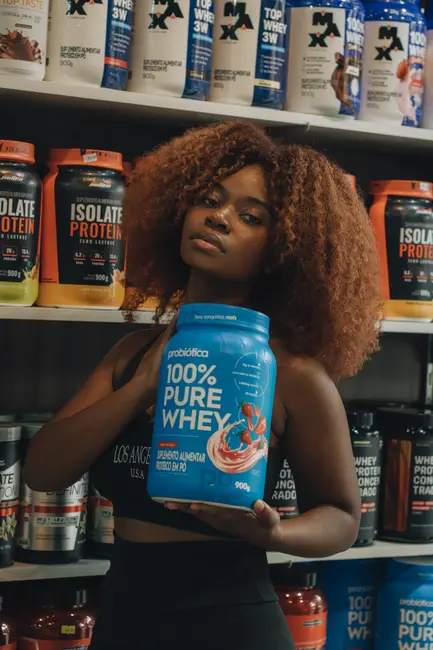
For most of dairy history, whey was treated as waste. Cheesemakers dumped it — into rivers, into fields, sometimes fed it to livestock, because nobody had a commercially viable way to dry and concentrate it at scale. That changed with the development of ultrafiltration and spray-drying technology in the 1970s and 80s, which made it economically feasible to isolate the protein fraction from the lactose and fat. The bodybuilding supplement industry picked it up almost immediately once the technology existed, and by the early 1990s whey protein concentrate had displaced soy and egg protein as the default mass-market protein powder. What started as a dairy processing byproduct became, within about two decades, one of the most extensively researched supplements in sports nutrition — which is a useful reminder that a product’s origin story says nothing about its efficacy.
Whey’s amino acid profile is the most complete of any common protein supplement. It carries all nine essential amino acids in proportions closely matching human muscle tissue requirements, and it’s particularly high in the branched-chain amino acids — leucine, isoleucine, valine — with leucine content running approximately 10-11% of total amino acids. That leucine richness is why whey is the gold standard for muscle protein synthesis stimulation: leucine is the primary initiator of the mTORC1 signaling pathway that triggers MPS.
Whey’s digestion kinetics are fast — it’s rapidly digested and produces a rapid, high peak in blood amino acid levels, leucine particularly, that strongly stimulates muscle protein synthesis. Contrasts with casein (slow-digesting, sustained release) and most food proteins (somewhere in between). That rapid peak is exactly why whey works especially well in the post-exercise window, when muscles are maximally sensitized to amino acids.
Multiple meta-analyses and systematic reviews confirm whey protein’s efficacy for muscle mass gain and strength development combined with resistance training. A 2017 systematic review by Morton et al. found protein supplementation significantly increased muscle mass and strength gains with resistance training, with whey showing the most consistent results across studies. Not controversial — one of the most replicated findings in exercise nutrition, full stop.
Cribb and colleagues ran a head-to-head 10-week trial in 2006, published in Medicine and Science in Sports and Exercise, comparing whey isolate against casein in trained lifters doing periodized resistance training. Whey produced significantly greater gains in lean mass and strength — a 2.3 kg advantage in lean mass over the casein group despite identical training and near-identical total protein intake. The difference wasn’t calories or total protein. It was the speed and magnitude of the leucine spike, delivered at the right moment relative to training.
A separate 2009 study by Tang and colleagues at McMaster measured muscle protein synthesis rates directly after ingestion of whey, casein, and soy protein following resistance exercise. Whey produced the largest and fastest MPS response of the three. Soy — itself a reasonably complete plant protein — still underperformed whey, largely attributed to a combination of slightly lower leucine content and different digestion kinetics. The consistent finding across this body of research: it’s not just about hitting essential amino acid targets on paper, it’s about the rate at which those amino acids appear in the bloodstream and the peak concentration they reach.

The Leucine Threshold and Why It Matters
Understanding the leucine threshold explains why the collagen-versus-whey choice matters practically, not just theoretically. Muscle protein synthesis isn’t linearly proportional to protein intake — it responds to a threshold effect, where leucine concentration in the blood has to hit a minimum level to trigger maximal MPS stimulation.
The mechanism runs through a signaling complex called mTORC1 — mechanistic target of rapamycin complex 1 — which functions as the cell’s master switch for protein synthesis. Leucine activates mTORC1 largely independent of the insulin signaling pathway, through a sensor system involving a protein called Sestrin2, which normally holds mTORC1 in check. When leucine binds Sestrin2, it releases that inhibition, and mTORC1 activates downstream targets — S6K1 and 4E-BP1 — that switch on ribosomal protein translation machinery. In plain terms: leucine isn’t just a building block sitting around waiting to be used, it’s a molecular key that unlocks the machine that builds new muscle tissue. Without enough of that key hitting the lock at once, the machine stays mostly idle, no matter how many other amino acids are floating around.
Norton and Layman’s research established that roughly 1.5-2g of leucine per serving is needed to maximally stimulate MPS in young adults — older adults may need more, around 2.5-3g, due to anabolic resistance. A 25g serving of whey delivers approximately 2.5-3g of leucine — above threshold. A 25g serving of collagen or bone broth protein delivers approximately 0.7-1g — well below it.
| Whey (25g serving) | Bone Broth Protein (25g serving) | |
|---|---|---|
| Leucine delivered | ~2.5-3g — above the MPS threshold | ~0.7-1g — well below the ~1.5-2g threshold |
| Triggers max muscle protein synthesis | Yes, at typical serving size | No — would need a much larger serving |
Moore and colleagues, in a widely cited 2009 study out of the University of Toronto published in the American Journal of Clinical Nutrition, plotted the dose-response curve for whey protein and MPS directly, testing 0, 5, 10, 20, and 40g doses after resistance exercise in young men. MPS rose with dose up to 20g and then plateaued — 40g produced essentially the same MPS response as 20g, with the extra amino acids simply getting oxidized for energy rather than used for synthesis. That plateau exists because leucine threshold, not total protein, is the rate-limiting variable. Which is exactly the mechanism collagen protein fails to trigger: dump 40g of collagen into the same test and MPS barely moves, because the leucine content never crosses the threshold regardless of total grams consumed.
Which means: after a resistance training session, when muscles are maximally sensitized and the goal is MPS stimulation, swapping in collagen protein instead of whey fails to maximally trigger MPS. Collagen supplies substrates but not the anabolic signal. This is the specific error Carlos made — he replaced the MPS signal with a structural substrate during exactly the window when his primary nutritional goal was muscle maintenance and recovery from training.

The Evidence for Collagen and Joint Health
Research on collagen supplementation for connective tissue health has progressed significantly over the past decade, and some of it is genuinely compelling.
A landmark 2017 study by Shaw et al., published in the American Journal of Clinical Nutrition, is among the best-designed collagen studies to date. Subjects were randomized to receive 15g of hydrolyzed collagen with 50mg vitamin C, or placebo, before exercise. After 6 weeks, the collagen group showed significantly higher glycine and proline concentrations in the blood and significantly higher collagen synthesis rates in engineered ligament tissue compared to placebo. Direct evidence that collagen supplementation increases availability of collagen precursors and directly enhances collagen synthesis — a mechanistic finding, not just a symptom-level outcome.
A 2008 double-blind RCT by McAlindon et al. found collagen hydrolysate supplementation significantly reduced knee joint pain in athletes compared to placebo over 24 weeks. A 2016 meta-analysis by Bello and Oesser tied collagen hydrolysate to significant improvements in knee pain, function, and quality of life in osteoarthritis patients across multiple trials.
Clark and colleagues ran a separate trial in 2008, published in Current Medical Research and Opinion, specifically in NCAA collegiate athletes with activity-related joint pain — a population with functionally healthy joints under high mechanical stress rather than diagnosed osteoarthritis. Athletes taking 10g of collagen hydrolysate daily for 24 weeks reported significant improvements in joint pain during activity compared to placebo, even though baseline joint function was otherwise normal. That distinction matters — it suggests the benefit isn’t limited to degenerative joint disease, but extends to the kind of low-grade mechanical wear that shows up in people doing heavy or repetitive training, which is precisely the population most likely to be choosing between whey and collagen supplements in the first place.
Zdzieblik and colleagues published a separate line of collagen research in 2015 in the British Journal of Nutrition, this time looking at sarcopenia — age-related muscle loss — in elderly men combining resistance training with 15g of specific collagen peptides daily over 12 weeks. The collagen-plus-training group showed significantly greater gains in fat-free mass and strength than the training-alone group. This finding gets misused constantly by collagen marketers as proof collagen builds muscle the way whey does — it doesn’t, and the study authors were explicit that the mechanism is almost certainly indirect, likely related to improved connective tissue and joint function allowing more effective training stimulus in a population where joint pain routinely limits training intensity, combined with some contribution from non-essential amino acid availability. It’s a real finding. It’s also not evidence that collagen belongs in the post-workout shaker in place of whey.
The mechanism: collagen peptides, once digested and absorbed, appear in the bloodstream as dipeptides — Pro-Hyp and Hyp-Gly being the most studied. These specific dipeptides aren’t just neutral substrates; they may act as signaling molecules stimulating fibroblasts and chondrocytes to produce more collagen. This “supplemented tissue” hypothesis — that the body sees these peptide fragments and upregulates its own collagen production — is biologically plausible and consistent with the research findings.
Keith Baar’s lab at UC Davis, which has done some of the most mechanistically rigorous work in this space, extended the Shaw findings by demonstrating the vitamin C timing effect in engineered human ligament and tendon tissue directly — showing collagen synthesis roughly doubled when collagen peptides were combined with vitamin C compared to collagen alone, and that the effect depended on the tissue being mechanically loaded shortly after ingestion. Baar’s group has been fairly outspoken that the “just take collagen whenever” framing common in supplement marketing misses the actual mechanism — the loading component isn’t optional, it’s the second half of the signal. Collagen without mechanical stimulus close in time produces a smaller effect on tendon-specific synthesis.
Vitamin C dependency here is critical. Collagen synthesis requires vitamin C as a cofactor for prolyl hydroxylase and lysyl hydroxylase — the enzymes stabilizing the collagen triple helix structure. Collagen supplementation without adequate vitamin C is less effective. The Shaw protocol — 15g collagen plus 50mg vitamin C, 30-60 minutes before exercise or physical activity, to time elevated blood amino acid levels with the mechanical loading signal in the tendon and cartilage — represents the current evidence-based application.
Praet and colleagues published a 2019 study in Nutrients specifically on Achilles tendinopathy — a notoriously stubborn overuse injury — combining collagen peptide supplementation with a standard eccentric loading rehabilitation protocol. Patients receiving collagen alongside their rehab exercises showed greater improvement in tendon structure on ultrasound imaging and functional outcome scores than patients doing the identical rehab protocol with placebo. Worth flagging the limitation honestly: this was a smaller trial, and tendinopathy research generally suffers from high placebo response rates because loading protocols alone produce substantial improvement. But the direction of the finding is consistent with everything else in this literature — collagen supplementation as an adjunct to mechanical loading, not a replacement for it.
Why Bone Broth Became a Wellness Trend in the First Place
It’s worth a brief digression into how bone broth went from grandmother’s stockpot to a $15 cardboard container in the health food aisle, because the history explains some of the confusion in how it gets marketed today.
Bone broth as a concept isn’t new — every pre-industrial food culture simmered animal bones for stock, largely because throwing away edible collagen and marrow was wasteful, not because anyone had identified hydroxyproline as a biomarker. The modern bone broth trend traces fairly directly to the ancestral-eating and paleo movements of the late 2000s and early 2010s, and more specifically to the GAPS diet (Gut and Psychology Syndrome), developed by Dr. Natasha Campbell-McBride, which positioned bone broth as a gut-healing centerpiece for a range of conditions from autism to autoimmune disease. The GAPS protocol’s claims about bone broth’s healing power were never validated in controlled trials at anything like the scale the claims implied, but the framework caught on, got amplified through the paleo blogosphere, and by roughly 2015 “bone broth” had become a stand-alone wellness category — bone broth cafes opened in Manhattan, celebrity endorsements followed, and supplement companies moved quickly to package the trend into a convenient powder.
None of that origin story invalidates the legitimate research on collagen peptides discussed above — the Shaw, Clark, and Zdzieblik trials are real, peer-reviewed, and mechanistically coherent. But it does explain why bone broth protein marketing routinely overpromises: gut healing, joint repair, anti-aging, immune support, sometimes even weight loss, frequently packed into the same product label. Most of those claims run well ahead of what the actual evidence supports. The gut and joint applications have real mechanistic and clinical support. The rest is largely wellness-industry inflation riding on the coattails of research that was never designed to test those claims.
Steelmanning the All-Collagen Camp
Fair to present the strongest version of the opposing argument before dismantling it. The all-collagen crowd — the people who’d tell Carlos he was right to drop whey entirely — usually make three claims, and two of them aren’t crazy.
Claim one: whey is inflammatory for some people, particularly those with dairy sensitivity, and collagen (often sourced from beef or chicken, not dairy) avoids that problem entirely. True, and worth taking seriously. A subset of people genuinely react to whey — bloating, skin issues, GI distress — even without a diagnosed lactose intolerance, likely related to the specific dairy proteins rather than lactose itself. For that subset, switching to a non-dairy complete protein (egg white isolate, or a well-formulated plant blend with added leucine) solves the same problem without sacrificing the leucine threshold collagen can’t hit. The right response to dairy sensitivity isn’t collagen. It’s a different complete protein.
Claim two: collagen is more “natural” and less processed than whey. Mostly false as stated, but built on a real observation — some whey products are genuinely over-processed, loaded with artificial sweeteners, gums, and fillers. That’s a manufacturing quality issue, not a property of whey protein itself. A clean whey isolate with one or two ingredients is no more “processed” in any meaningful sense than a clean hydrolyzed collagen powder — both involve extraction, filtration, and drying. The “natural” framing is mostly marketing, applied selectively.
Claim three: the body doesn’t need supplemental leucine spikes because dietary protein throughout the day provides enough. This is the only claim in the steelman that survives real scrutiny in a specific context — someone eating four to five protein-rich meals a day, each containing 30-40g of a complete animal protein, is probably hitting leucine threshold repeatedly throughout the day without any powder at all. In that scenario, a post-workout collagen shake isn’t undermining muscle growth in any measurable way, because the surrounding meals are already doing the MPS job. The failure mode isn’t collagen itself — it’s collagen as the only protein source around training, in someone who isn’t otherwise eating enough complete protein to compensate. Carlos’s specific mistake was going collagen-exclusive across the board, not just post-workout, which is the scenario where the leucine deficit actually bites.
Gut Health: Where Bone Broth Has Extra Credentials
Beyond joint and connective tissue applications, bone broth and collagen protein carry a potential role in gut health that whey protein doesn’t directly replicate. More preliminary evidence here, but the mechanistic rationale is sound.
Glycine — the dominant amino acid in collagen — specifically benefits gut lining integrity. It’s a substrate for glutathione synthesis, the primary antioxidant in the gut epithelium. It also inhibits intestinal inflammation through effects on NF-κB signaling and has been shown in animal studies to strengthen tight junctions between intestinal epithelial cells — the “leaky gut” mechanism disrupted in intestinal permeability conditions. A 2006 study by Meléndez-Hevia et al. calculated that human glycine biosynthesis falls short of metabolic demand under conditions of increased turnover — illness, injury, high training volume — making dietary glycine from collagen-rich sources conditionally essential.
Glutamine — provided in meaningful amounts by both whey and bone broth, though in different contexts — is another gut-relevant amino acid. It’s the primary fuel source for rapidly dividing intestinal epithelial cells and plays a role in maintaining barrier function. High-intensity training increases gut permeability through reduced mesenteric blood flow combined with oxidative stress. Glutamine supplementation — and collagen-derived amino acids — may support gut barrier maintenance during high training loads.
Zuhl and colleagues documented the exercise-gut permeability connection directly in a 2014 review, tracking how core temperature elevation and blood flow redistribution during prolonged or intense exercise reduces splanchnic (gut) blood flow by as much as 80%, producing measurable increases in intestinal permeability markers like zonulin and lipopolysaccharide translocation into circulation. This is the physiological basis for the GI distress endurance athletes commonly report — cramping, urgency, nausea — during long training sessions or races. Whether collagen supplementation meaningfully mitigates this specific exercise-induced permeability, as opposed to general gut lining support, hasn’t been directly tested in a well-controlled trial as of this writing. The mechanistic case is reasonable. The direct clinical evidence for exercise-induced gut permeability specifically is still thin.
For athletes with GI symptoms during high-volume training, or people with known intestinal permeability conditions — inflammatory bowel issues, chronic GI distress tied to training — collagen protein supplementation added to the diet daily, not in replacement of whey, has a logical rationale. The evidence is less definitive than for joint applications, but the safety profile is excellent and the mechanistic case is reasonable.
The Protein Type Selection Framework
All of this leads to a practical decision framework for choosing protein supplementation based on specific physiological goal rather than generic marketing claims.
Goal: Maximize muscle protein synthesis (post-workout, anabolic periods)
Use: whey protein — a standard scoop clears the leucine threshold described above, which is the entire point of the category. Alternatives for dairy-intolerant individuals: egg white protein, soy protein isolate (complete amino acid profile), or a leucine-enriched plant protein blend. Do not use bone broth/collagen protein as a primary post-workout supplement — leucine content is insufficient for maximal MPS stimulation.
Goal: Support connective tissue repair and joint health (tendons, ligaments, cartilage)
Use: hydrolyzed collagen peptides with vitamin C, on the Shaw timing — 30 to 60 minutes before physical activity, so elevated blood collagen precursors coincide with mechanical loading. Specifically for tendinopathy, post-injury rehabilitation, chronic joint discomfort, or high-volume athletes placing significant demands on connective tissue. Whey protein doesn’t serve this function.
Goal: Total daily protein adequacy with varied amino acid profile
Use: whey protein as the primary supplement, collagen peptides as an additional supplementary protein — not replacing whey, adding to daily total. A combined approach — whey post-workout, collagen at a separate meal — is both practically rational and financially reasonable for athletes with joint demands.
Goal: Gut health and intestinal integrity support
Use: collagen peptides or traditionally prepared bone broth — the liquid form provides additional minerals and glycosaminoglycans not captured in pure collagen powder. Not a standalone strategy — combine with overall dietary approaches: fiber diversity, fermented foods, elimination of gut irritants.
Goal: Weight management (protein for satiety, reduced calorie intake)
Use: any complete protein source, with whey holding the strongest evidence for appetite suppression per calorie. Collagen protein is equivalent to whey on a calorie basis but delivers fewer essential amino acids — it may still contribute to satiety through gastric distension and protein-sensing mechanisms, just with less muscle-protective benefit per gram.
Goal: Recovering from a tendon or ligament injury specifically
Use: both, but sequenced. Whey around resistance training sessions to preserve and rebuild the surrounding muscle mass that inevitably atrophies during an injury layoff. Collagen with vitamin C, 30-60 minutes before rehabilitation exercises specifically, timed to the loading protocol a physical therapist or self-directed rehab program prescribes. Collagen without the loading component is a wasted supplement — the mechanical signal is half the equation, not an optional add-on.
Quality Considerations: Not All Products Are Equal
Protein supplement quality varies enormously, and protein type is only one dimension of quality assessment. Several additional factors deserve consideration.
Third-party testing is the baseline standard for any supplement. Look for products certified by NSF International, Informed Sport, or USP. These certifications verify the product actually contains what the label claims, is free from banned substances (relevant for competitive athletes), and was manufactured under appropriate quality controls. Protein spiking — adding cheap amino acids like glycine or taurine to artificially inflate protein content on nitrogen-based testing — has been documented in multiple uncertified products. Third-party testing catches this.
Bone broth and collagen products carry a specific contamination risk worth knowing about: heavy metals, lead in particular. Bones accumulate lead over an animal’s lifetime, stored in bone tissue itself, and long-simmered bone broths can leach measurable amounts of it into the final liquid. A 2013 analysis published in Medical Hypotheses by Monro and colleagues tested various commercially and home-prepared bone broths and found lead concentrations that, while generally low, varied considerably by source and preparation method — organic, pasture-raised bone sources tested lower on average than conventional sources, and shorter simmer times reduced leaching compared to the 24-48 hour simmers some traditional recipes call for. This isn’t a reason to avoid bone broth protein altogether — the doses involved in most commercial powder products are small relative to background dietary lead exposure — but it’s a reasonable argument for choosing products that publish third-party heavy metal testing results, which the better collagen brands now do routinely.
For collagen specifically: look for “hydrolyzed collagen peptides” rather than gelatin or unprocessed collagen — hydrolysis dramatically improves absorption and bioavailability. Molecular weight of the peptides matters too: studies showing benefit typically use products with peptides in the 2-8 kDa range. Higher molecular weight, less hydrolyzed products absorb less completely.
For whey specifically: concentrate versus isolate versus hydrolysate. Isolate carries more protein per gram of product (>90% versus ~80% for concentrate) and runs lower in lactose and fat. For anyone with lactose sensitivity, isolate is better tolerated. Hydrolysate is pre-digested whey — the fastest absorbing form, marginally beneficial post-workout but at significantly higher cost. For most people, concentrate or isolate delivers excellent results at lower cost than hydrolysate.
How Much Protein Do You Actually Need
Before optimizing protein type, it’s worth confirming total protein intake is actually adequate — an optimal protein type consumed in insufficient quantity doesn’t achieve the physiological goals, and a suboptimal protein type in adequate quantity beats an optimal type in inadequate quantity.
Current evidence for protein intake in active adults doing resistance training: 1.6-2.2g of protein per kg of bodyweight per day maximizes muscle protein synthesis and muscle mass gains. The upper end (2.2g/kg) shows minimal additional benefit over the lower end for most people, but provides a meaningful safety margin. During caloric restriction (dieting), higher protein intakes — 2.2-3.0g/kg — better preserve lean muscle mass.
The International Society of Sports Nutrition’s 2017 position stand, authored by Jäger and colleagues and published in the Journal of the International Society of Sports Nutrition, reviewed decades of protein research to arrive at this same range, and made a point worth repeating here: the position stand explicitly notes that protein source matters most for the specific goal of maximizing MPS around training, and matters much less for simply meeting total daily protein needs, where a mix of sources — including incomplete proteins eaten alongside complementary foods — works fine. This is the research consensus underlying the “hit your total number first, optimize the type second” framing throughout this article. It isn’t a personal opinion. It’s where the field landed after several decades of dose-response and protein-comparison trials.
For an 80 kg active adult, that works out to 128-176g of protein daily. Most protein supplements, whey or collagen, provide 20-25g per serving. The source of protein matters most once total intake is adequate — someone consuming 80g of daily protein is better served by increasing total protein than by optimizing whether that 80g comes from whey or collagen. Nail the quantity first, then optimize the composition.
Common Mistakes People Make With This Decision
A handful of implementation errors show up repeatedly, beyond the basic whey-versus-collagen confusion.
Treating collagen as a substitute for actual rehab. Collagen with vitamin C works as an adjunct to mechanical loading — not instead of it. Someone with tendinopathy who takes 15g of collagen daily and skips the eccentric loading exercises a physical therapist prescribed is expecting a supplement to do the work of physical therapy. It won’t. The Praet tendinopathy trial discussed earlier paired collagen with a loading protocol specifically because the loading is what drives the adaptation — the supplement just supplies more raw material during the window when the tissue is primed to use it.
Ignoring vitamin C. A surprising number of people take collagen powder without the vitamin C cofactor, either because they don’t know it’s necessary or because the product doesn’t include it. Fifty milligrams isn’t a hard number to hit — a small glass of orange juice or a handful of berries covers it — but skipping it measurably reduces the synthesis benefit shown in the Shaw and Baar lab work.
Assuming more protein always means better results, regardless of type. Someone stacking 40g of collagen post-workout, thinking bigger serving equals bigger benefit, still isn’t hitting the leucine threshold — collagen’s leucine content per gram doesn’t change with serving size, so doubling the dose just doubles the shortfall. Total grams consumed is the wrong variable to chase for this specific application.
Buying based on the word “protein” on the label without checking the source. “Bone broth protein” and “collagen protein” products routinely get shelved next to whey and marketed with similar fitness-forward branding — athletic imagery, macro breakdowns, “20g protein” callouts — without making clear that the amino acid composition serves an entirely different function. Reading the ingredient panel, not the front-of-package marketing, is the only reliable way to know what’s actually being bought.
Reader Questions About Bone Broth Protein
- Can I replace whey protein entirely with bone broth protein? Not if muscle building or maintenance is a primary goal. Bone broth/collagen protein delivers insufficient leucine to maximally stimulate muscle protein synthesis and lacks several essential amino acids. For a purely joint or gut health focus, it could serve as the supplemental protein of choice. For anyone doing resistance training with muscle goals, whey — or another complete protein — is essential, and collagen supplements should be an addition, not a replacement.
- Is bone broth protein better than a collagen powder supplement? Most commercial “bone broth protein” products are essentially collagen hydrolysate — the processing method extracts collagen and dries it into powder form. The distinction matters mainly if choosing between traditional bone broth (the liquid, homemade or commercial) versus processed bone broth protein powder. The liquid contains additional micronutrients, glycosaminoglycans (chondroitin sulfate, hyaluronic acid), and minerals (calcium, magnesium, phosphorus) not present in pure protein powders. For convenience and consistent dosing, hydrolyzed collagen peptide powder is typically preferred. For broader nutritional benefit, traditionally prepared liquid bone broth provides more than just collagen.
- Does vegan collagen exist? No vegan source of actual collagen protein exists — collagen is an animal-derived structural protein. Vegan “collagen boosters” (typically vitamin C, proline, glycine, and various herbal extracts) claim to support the body’s endogenous collagen production instead of providing dietary collagen directly. The evidence for these products is much weaker than for hydrolyzed collagen peptides. Vegans interested in connective tissue support should focus on adequate vitamin C, a varied amino acid intake from diverse plant proteins, and avoiding glycine or proline deficiency — though supplementing with true collagen peptides would be more evidence-supported if dietary restrictions allow it.
- How important is the timing of collagen supplementation before exercise? The 30-60 minute pre-exercise timing in the Shaw protocol comes from the pharmacokinetics of collagen peptide absorption — roughly 60 minutes for orally consumed collagen peptides to reach peak blood levels. Tendons and cartilage are avascular, poorly vascularized, and rely on exercise-induced fluid exchange for nutrient delivery. Taking collagen before exercise times the elevated blood collagen precursor levels with the mechanical loading of the tissue, which increases nutrient delivery to these avascular structures. Taking it at other times isn’t useless, but the evidence is specifically for pre-exercise timing. For athletes focused on connective tissue benefit, this timing protocol is worth following.
- Is more collagen supplementation better? The dose-response relationship for collagen supplementation peaks around 10-15g per serving for connective tissue effects. The Shaw study used 15g. Some studies have used lower doses (2.5-5g) and still found benefits, particularly for knee pain. Doses above 15g per serving don’t appear to add further benefit based on current evidence. But consuming collagen more frequently — twice daily rather than once — may be more beneficial than a single large dose, since it maintains more consistent blood amino acid levels through the day. Splitting the same daily total across two servings instead of one is a reasonable alternative.
- Can bone broth protein help with skin quality? Yes — one of the better-studied applications for collagen supplementation. A 2014 double-blind RCT by Proksch et al. found 2.5g of collagen peptides daily for 8 weeks significantly increased skin elasticity and hydration versus placebo. A 2015 study from the same group found similar benefits at 2.5g for skin moisture and dermal collagen density. The mechanism matches the joint research: collagen-derived peptides stimulate dermal fibroblasts to produce more collagen and hyaluronic acid. Not every supplement company’s “glowing skin” marketing claim is supported, but the basic evidence for collagen peptides and skin quality is real.
- Should older adults use collagen protein specifically? Older adults deal with both reduced muscle protein synthesis efficiency (anabolic resistance) and accelerated connective tissue degradation — making them arguably the population that benefits most from both types of protein supplementation used strategically. For muscle maintenance: higher-dose whey protein (or another complete protein) is needed to overcome anabolic resistance — research suggests older adults need 0.4g/kg per meal, rather than 0.3g/kg for younger adults, to maximally stimulate MPS. For joint maintenance: collagen peptides with vitamin C before activity become increasingly important as cartilage and tendon turnover slows with age. The combined approach — whey as the primary protein supplement, collagen as a connective tissue supplement — makes particular sense for people over 50.
- Are there any side effects of bone broth protein? Hydrolyzed collagen peptides carry an excellent safety record. Reported side effects are uncommon and mild — some GI discomfort (bloating, heaviness) with larger doses, typically resolved by reducing dose or splitting into smaller servings. Collagen is high in glutamate and glycine, excitatory and inhibitory neurotransmitter precursors respectively — some people sensitive to glutamate-containing foods may notice a response. No significant herb-drug interactions. For people with PKU, the amino acid composition of various proteins needs assessment with their physician. For the vast majority of people, bone broth protein supplementation is safe for long-term use.
- Can I mix whey and collagen in the same shake? Yes, and for a lot of people this is the simplest practical answer. Combining whey with collagen in one shake clears the leucine threshold for MPS while also delivering the connective tissue substrates. The only real downside is timing precision — if the goal is specifically to time collagen with pre-workout mechanical loading per the Shaw protocol, taking it 30-60 minutes before training separately from a post-workout whey shake follows the evidence more precisely. For general daily use without that level of optimization, a combined shake is a reasonable compromise.
The supplement industry profits from your confusion about which product does what. Bone broth protein and whey protein aren’t competing products — they’re tools for different jobs. Learn what the jobs are. Use the right tool for the task. And stop letting marketing copy substitute for biochemistry.
Carlos found the right answer not by choosing one over the other, but by understanding what each one does. He kept whey post-workout — non-negotiable for muscle protein synthesis. He added 15g of collagen peptides with vitamin C before training sessions. His knee discomfort gradually resolved over the following months. His strength kept improving.
Worth being honest about the timeline, because it wasn’t instant. The knee discomfort didn’t vanish in two weeks — it took closer to ten before he noticed a real difference, and there was a stretch around week five where he half-convinced himself the collagen wasn’t doing anything and nearly dropped it again. He didn’t, mostly because his training partner talked him out of quitting a second supplement change inside three months. That’s usually how the real version of these stories goes. Not a clean before-and-after. A slow grind with a couple of points where the whole thing almost got abandoned.
Two different proteins. Two different jobs. Neither can do the other’s work. That’s the whole story.
References
Editorial StandardsCorrectionsMedical DisclaimerAbout Our ContentAffiliate DisclosureSite Map