
Take a woman we’ll call Elena. She was thirty-seven when she finally got a name for what had been happening to her for three years. Her gastroenterologist said “increased intestinal permeability” — which she had to Google on her phone in the parking garage after the appointment. She’d spent years being told she had IBS, then anxiety, then food allergies, then “nothing specific, just eat better.”
She had rashes that appeared and disappeared. Exhausted regardless of how much she slept. Certain foods triggered reactions that made no consistent sense — some days eggs were fine, other days they made her miserable. Joints aching. Fifteen pounds gained despite eating carefully. Six practitioners, six different diagnoses.
The increased intestinal permeability diagnosis didn’t come with a clear protocol. “Avoid gluten and dairy” was the primary instruction. She needed more than that. A systematic approach — what to do, in what order, for how long, with what expectations.

What Leaky Gut Actually Is (And Why the Name is Both Right and Wrong)
“Leaky gut” is a popular term that has simultaneously helped and hindered the conversation around intestinal permeability. Helped, because it made a real physiological concept accessible to people outside academic medicine. Hindered, because it’s imprecise enough that both fringe wellness practitioners and dismissive gastroenterologists can use it to say almost anything they want.
Here’s what it actually describes: increased intestinal permeability is a measurable change in the rate at which substances transit from the intestinal lumen (the inside of the tube) into the bloodstream through or between epithelial cells. The primary route involves paracellular transport — passage between cells through the tight junction complexes that normally form a seal between them.
Tight junctions are dynamic, not static. They open and close continuously in response to physiological signals. Gliadin (as discussed in the gluten article), lipopolysaccharide (LPS from gram-negative bacteria), zonulin, acetaldehyde (from alcohol metabolism), and various cytokines can all trigger tight junction loosening. When this happens transiently, it’s normal physiology. When it happens chronically, the result is sustained translocation of bacterial endotoxins, dietary antigens, and microbial metabolites into systemic circulation.
The immune consequences are significant. The vast majority of the immune system lives in the gut — GALT (gut-associated lymphoid tissue) contains about 70% of the body’s immune cells. Bacterial LPS continuously leaking into the bloodstream triggers a low-grade systemic immune activation that research has linked to metabolic syndrome, cardiovascular disease, type 2 diabetes, autoimmune conditions, fatty liver disease, and mood disorders. Not theoretical — serum LPS levels are measurably elevated in obese individuals, type 2 diabetics, people with major depression, and patients with various autoimmune conditions.
Leaky gut is real. It’s measurable (lactulose-mannitol ratio, serum zonulin, LPS-binding protein levels). It has clear mechanisms. And it’s addressable through a systematic dietary and lifestyle approach. The dismissive “leaky gut isn’t real” position from conventional medicine is increasingly untenable. So is the “leaky gut explains everything” position from wellness practitioners. Both misrepresent a genuine, detailed phenomenon.
Why a Phased Approach Matters
- Phase 1 (Remove): Clear the primary inflammatory drivers
- Phase 2 (Replace/Repair): Rebuild gut barrier integrity
- Phase 3 (Reinoculate): Restore beneficial microbial populations
- Phase 4 (Reintroduce): Systematically test and personalize
The gut repair diet fails most people not because the interventions don’t work but because they’re applied in the wrong order or all at once. The biology of gut repair requires a sequenced approach, and here’s why.
Adding fermented foods to a gut with significant dysbiosis and active inflammation can worsen symptoms — the sudden introduction of large bacterial loads can trigger immune reactions and histamine responses. Taking probiotics while still consuming the foods maintaining the dysbiotic environment is largely futile — beneficial bacteria added into conditions that favor inflammatory species. Attempting to reintroduce foods systematically before the gut barrier has had time to partially repair gives unreliable data about actual sensitivities versus transient reactivity.
The Four-Phase protocol is sequenced based on the biological requirements of gut repair:
Each phase builds on the previous. Trying to run them simultaneously typically results in symptom confusion, compliance failure, and an inability to identify what’s helping.
Phase 1: Remove — Clearing the Inflammatory Drivers
Duration: 2-4 weeks (start with 2, extend if needed)
Phase 1 is about removing the primary inputs that damage the gut barrier, feed inflammatory bacterial populations, and maintain the permeability state being reversed. The most challenging phase socially and psychologically, and the one most people try to soften by doing it partially. Partial elimination is far less effective than complete elimination for this initial period — a clean baseline is needed against which to assess subsequent improvements.
Remove: Gluten and wheat. As detailed in the gluten article, gliadin triggers zonulin release and tight junction loosening in essentially all humans. Diagnosed celiac disease or not, gluten is a direct stimulator of the permeability being repaired. Eliminate all wheat, rye, barley, and unspecified oats for Phase 1.
Remove: Conventional dairy. The casein A1 protein (found in milk from most Western commercial dairy operations) produces beta-casomorphin-7 (BCM-7) upon digestion, which promotes intestinal inflammation and increases gut permeability in susceptible individuals. Additionally, lactase deficiency (lactose intolerance) in adults — common in most ethnic populations — means lactose reaches the colon incompletely digested, where it feeds inflammatory bacteria and causes fermentation symptoms. Remove conventional milk, cheese, yogurt, and ice cream. Note: A2 casein dairy (certain heritage breeds, goat milk, sheep milk) is often better tolerated — testable in Phase 4.
Remove: Refined sugar and high-fructose corn syrup. Sugar directly feeds dysbiotic bacterial populations, including Candida species and various inflammatory gram-negative bacteria. It depletes the short-chain fatty acid producers (which require fiber, not sugar, as substrate). High sugar intake increases systemic glycation, which directly damages gut cell membranes. Meaning: no table sugar, no high-fructose corn syrup, no honey, no maple syrup, no agave during Phase 1. Fruit in moderate amounts (1-2 servings, low-glycemic choices) is acceptable.
Remove: Alcohol. Alcohol is directly toxic to the gut epithelium. Acetaldehyde (alcohol’s primary metabolite) breaks down occludin and other tight junction proteins. Even moderate alcohol consumption measurably increases gut permeability in human studies. During Phase 1 (and ideally Phase 2), complete elimination is the target. “Just one glass” meaningfully sets back repair.
Remove: Processed and packaged foods. The combination of artificial emulsifiers (particularly carboxymethylcellulose and polysorbate 80), artificial sweeteners (which alter microbiome composition), refined seed oils (which drive inflammatory eicosanoid production), and preservatives creates a comprehensive set of gut-disrupting inputs. A 2015 study by Chassaing and colleagues found that the emulsifiers carboxymethylcellulose and polysorbate 80 — common in ice cream, salad dressings, breaded foods, and virtually all ultra-processed products — directly disrupted gut mucus integrity and caused colitis in mouse models, including in mice with otherwise healthy guts.
Remove: NSAIDs. Non-steroidal anti-inflammatory drugs (ibuprofen, naproxen, aspirin at anti-inflammatory doses) directly damage the gut lining by inhibiting prostaglandin synthesis. Prostaglandins are required for mucus secretion and mucosal blood flow. NSAID-induced gut permeability is well-documented in research and is clinically significant even for people without obvious gut symptoms from NSAID use. Avoid during Phase 1 and Phase 2 unless medically required.
What can be eaten in Phase 1: Clean animal protein (wild fish, pasture-raised poultry, grass-fed beef), cooked non-cruciferous vegetables (steamed carrots, zucchini, sweet potatoes, squash — raw vegetables can be excessive fermentation triggers in damaged guts), small amounts of fruit, well-cooked rice and quinoa, olive oil, coconut oil, bone broth. Keep it simple. The goal of Phase 1 is reduction of inflammatory inputs, not nutritional optimization.
Phase 2: Replace and Repair — Rebuilding Gut Barrier Integrity
- Collagen (Types I, II, and III) — which breaks down into gelatin during cooking, providing the precursors for gut mucosal repair
- Glycine — an amino acid that directly supports tight junction integrity and reduces intestinal permeability in research studies
- Proline and hydroxyproline — structural amino acids for connective tissue including the gut’s extracellular matrix
- Glutamine — the primary fuel for enterocytes
- Minerals — magnesium, calcium, phosphorus in bioavailable forms
Duration: 4-8 weeks (overlap with Phase 3 starting at week 4)
Once the primary inflammatory inputs are removed, Phase 2 focuses on actively supplying the nutrients and compounds the gut barrier needs to repair itself. This phase continues the Phase 1 diet restrictions while adding therapeutic foods and targeted supplements.
Bone broth. Bone broth is the foundational therapeutic food for gut repair. Animal bones simmered for 12-24 hours with an acidic medium (apple cider vinegar helps extract minerals) yields a liquid rich in:
Phase 2 leans on it daily. Homemade from organic, pastured animal bones is preferable. Commercial bone broths vary dramatically in quality — avoid those with high sodium and very low protein content (essentially flavored water). A proper bone broth should gel when refrigerated, indicating adequate gelatin content.
Collagen protein. Supplemental collagen peptides provide concentrated precursors for gut mucosal repair, and they dissolve invisibly into smoothies, coffee, or warm water. Look for hydrolyzed collagen (collagen peptides) for best absorption. Pasture-raised bovine or wild-caught marine collagen sources.
L-Glutamine. Glutamine deserves specific attention because it’s the primary fuel for enterocytes (small intestinal cells) and an important substrate for colonocytes. Glutamine depletion under physiological stress (surgery, illness, intense exercise) directly increases gut permeability. Supplemental glutamine at 5-15 grams per day has shown benefit in studies of gut permeability in critically ill patients and athletes. One practical detail from that literature: glutamine is taken in water away from protein meals, because competition with other amino acids reduces its transport.
Zinc carnosine. Zinc is essential for tight junction protein synthesis, and the carnosine chelate form has specific gut-stabilizing properties beyond its zinc content. A 2006 Japanese RCT by Suzuki and colleagues found that zinc carnosine significantly improved gastric mucosal integrity and reduced NSAID-induced gut damage. The form is the part that matters — zinc carnosine is what the research was done on, taken with meals, and plain zinc supplements carry none of the same gut-specific evidence.
DGL Licorice. Deglycyrrhizinated licorice (DGL) has been used for gastric mucosal support for decades. The deglycyrrhizination process removes glycyrrhizinic acid (which can raise blood pressure and cause fluid retention in high doses) while preserving the other mucosal-protective compounds. DGL increases prostaglandin synthesis in the stomach lining, stimulates mucus secretion, and reduces the inflammatory response to H. pylori. DGL is sold as a chewable tablet taken before meals for a reason: chewing is what brings it into contact with the gastric mucosa.
Omega-3 fatty acids. EPA and DHA shift the inflammatory cytokine balance toward anti-inflammatory eicosanoids, directly counteracting the inflammatory environment that maintains gut permeability — from fish oil or, for anyone avoiding fish, algae-based sources. The ratio of omega-3 to omega-6 in the diet is as important as total omega-3 intake — avoiding seed oils rich in omega-6 (corn, soy, canola, sunflower) is part of the overall dietary strategy.
Vitamin D. Vitamin D receptors are expressed on intestinal epithelial cells, and vitamin D deficiency is strongly associated with increased gut permeability and dysbiosis. A 2015 study by Raftery and colleagues found that vitamin D supplementation reduced gut permeability in healthy volunteers. Serum 25-OH levels in the 50-70 ng/mL band are what this literature associates with intact barrier function. How much supplementation it takes to get there varies enormously at Northern latitudes — by skin, body composition, and sun exposure — which is why testing rather than guessing is the whole point.
Foods to add in Phase 2: Gradually add cooked cruciferous vegetables (steamed broccoli, cauliflower), avocado (rich in glutathione precursors), wild-caught fatty fish (salmon, mackerel, sardines — 3+ servings per week), and continuing bone broth as a daily staple.
Phase 3: Reinoculate — Restoring Beneficial Microbiome
- Kefir — dairy-tolerant individuals get the most from kefir (fermented with 30-50 different yeast and bacterial strains), which has the strongest evidence for microbiome restoration. A 2021 Stanford study by Wastyk and colleagues found kefir to be one of the two most effective dietary interventions for increasing microbiome diversity and decreasing inflammatory markers. Dairy a trigger? Coconut kefir is a reasonable alternative.
- Sauerkraut and kimchi — traditional fermented cabbage preparations. High in Lactobacillus species, fiber, and beneficial organic acids. The Wastyk Stanford study found fermented food diets (including kimchi and sauerkraut) increased microbiome diversity and reduced 19 inflammatory proteins, including IL-6 and IL-12, over ten weeks.
- Plain, full-fat yogurt — lower bacterial diversity than kefir but widely tolerated and convenient. Choose yogurts with 2+ identified strains and no added sugar.
- Kombucha — organic acids and some bacterial content. Significantly lower bacterial counts than dairy ferments. Useful as a beverage replacement for soda/alcohol but not a primary microbiome restoration tool. Watch sugar content — some commercial kombuchas are essentially flavored soda.
- Miso, tempeh, natto — fermented soy products with significant Bacillus and Lactobacillus content. Excellent for diversity. Natto contains nattokinase (cardiovascular benefits) and vitamin K2.
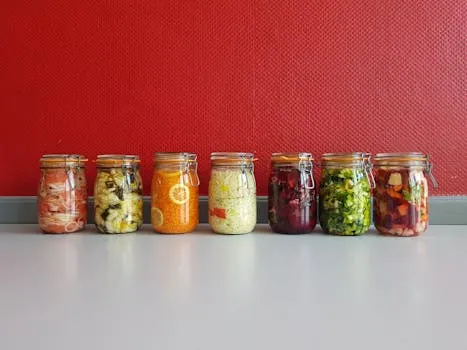
Phase 3 begins overlapping with Phase 2 around week four. By this point, the primary inflammatory inputs are gone, and the gut barrier has had some time to begin repair. Now the microbial inputs get introduced that will establish a healthier long-term ecosystem.
Fermented foods: the hierarchy. Fermented foods vary considerably in their microbial content, benefits, and tolerability. Introduce them gradually — starting with one small serving per day and building up over 1-2 weeks. Significant bloating or worsening symptoms with fermented foods signals possible SIBO or histamine intolerance that should be addressed before this phase (see below).
Prebiotic foods: feeding the bacteria you want. Phase 3 also means deliberately feeding the beneficial species being rebuilt. The prebiotic strategy mirrors what was discussed in the butyrate article: resistant starch (cooled cooked potatoes, green bananas, overnight oats), inulin-type fructans (garlic, onions, leeks, asparagus), and diverse fiber sources from 30+ plant foods weekly.
Targeted probiotic supplementation. The research on probiotic supplementation for leaky gut specifically has become more detailed. Not all strains help. Some are more evidence-based than others:
- Lactobacillus rhamnosus GG — the most studied probiotic strain overall. Demonstrated benefit for reducing gut permeability, preventing antibiotic-associated diarrhea, and reducing risk of eczema (evidence for gut-skin axis). 10-20 billion CFU daily.
- Saccharomyces boulardii — technically a yeast, not a bacterium. Highly effective for antibiotic-associated gut disruption and C. diff-related diarrhea. Also shown to reduce gut permeability markers. 5-10 billion CFU daily. Particularly useful post-antibiotic.
- Bifidobacterium longum and B. infantis — important for colonic immune regulation and reducing intestinal inflammation. Found in most high-quality multi-strain probiotics.
- Spore-based probiotics (Bacillus coagulans, B. subtilis) — these bacteria form spores that survive stomach acid and reach the colon intact, where they germinate. Evidence for spore-based probiotics reducing leaky gut markers (particularly LPS and zonulin) has grown considerably. A 2018 study found spore-based probiotics reduced post-meal leaky gut by 42% versus placebo.
“You can’t restore a garden by planting seeds in depleted soil. Fermented foods and probiotics work when the gut environment has been sufficiently cleared and partially repaired. Do Phase 1 and Phase 2 properly, and Phase 3 succeeds. Skip ahead, and you’re planting in concrete.”
Phase 4: Reintroduce — Systematic Food Personalization
- Reintroduce one food at a time
- Eat 1-2 servings of that food for 3 consecutive days
- Wait 3-4 days to assess reactions (some immune reactions are delayed 24-72 hours)
- Document symptoms on days 1-7 of the reintroduction window: GI symptoms (bloating, pain, stool changes), energy, skin, joint pain, brain clarity
- No meaningful reaction: the food can be returned to regular rotation
- Significant reaction: eliminate again, allow 7-10 days for symptoms to clear, then proceed to next food
Duration: 8-16 weeks (after consistent Phase 1-3 execution)
Phase 4 is where the protocol becomes personalized — systematically testing which eliminated foods are tolerable and which genuinely aren’t. This phase requires patience and honesty, but it’s the difference between an unnecessarily restrictive long-term diet and a precisely calibrated one.
The reintroduction protocol:
Reintroduction order (suggested):
Start with foods least likely to cause reactions and work toward most likely. This way, if a reaction occurs, there’s a shorter list of suspects.
Group 1 (lowest reaction risk): Eggs (whole), A2 dairy (goat cheese, goat/sheep milk), oats (certified gluten-free), coffee (if eliminated), legumes (if eliminated due to gas concerns)
Group 2 (moderate risk): Conventional cow dairy (starting with hard aged cheese — lower lactose, often better tolerated — then soft cheeses, then milk), sourdough bread (long-fermented from spelt or heritage wheat), conventional oats
Group 3 (highest risk, reintroduce last): Standard wheat products, conventional dairy in large quantities, alcohol (if reintroducing at all), processed foods
What’s actually being tested: Not whether a food is objectively “bad.” Whether the gut, at its current state of repair, can handle it without significant immune activation. A food that provokes a reaction during Phase 4 doesn’t necessarily mean a reaction forever. Six months of additional gut repair may change the picture. Repeat the reintroduction protocol periodically, not just once.
The Leaky Gut Diet: Daily Meal Architecture
- Eat in a calm state. Two minutes of slow breathing before meals shifts the autonomic nervous system toward parasympathetic dominance and measurably improves enzyme secretion and gut blood flow.
- Chew thoroughly. Digestion begins in the mouth with salivary amylase. Food that arrives in the stomach inadequately chewed requires more acid and enzyme output to process, increasing the fermentation load on the lower GI tract.
- Eat at consistent times. The gut’s migrating motor complex — the housekeeping wave that sweeps the intestine between meals — requires consistent inter-meal intervals to function properly. Constant snacking prevents MMC activation. Aim for 4-5 hours between eating episodes.
- Hydration matters, but timing matters more. Drinking large amounts of liquid with meals dilutes digestive enzymes and stomach acid. Drink most of the day’s water between meals, not with them.
Theory is useless without implementation. Here’s what a typical day looks like across the phases.
Phase 1 sample day:
Breakfast: Scrambled eggs with spinach and avocado, cooked in coconut oil. Cup of bone broth. Green tea or black coffee.
Lunch: Grilled salmon with roasted sweet potato and steamed zucchini. Olive oil and lemon dressing.
Dinner: Ground turkey sautéed with carrots, onions, garlic (well-cooked — raw alliums can be too fermentable for damaged guts initially), served over white rice. Second cup of bone broth.
Snacks: Green-tipped banana (resistant starch), handful of almonds or walnuts, boiled eggs.
Phase 2 additions: All Phase 1 foods plus collagen in morning smoothie or coffee, zinc carnosine with breakfast and dinner, DGL chewable before meals, glutamine powder between meals, fatty fish 3x/week.
Phase 3 additions: 2-4 tablespoons of fermented foods daily (sauerkraut with lunch, plain kefir as afternoon snack or in smoothie), probiotics in the morning, increased prebiotic fiber through cooled starches and alliums, 30+ plant varieties per week.
Key principles across all phases:
Supplements Beyond the Core Stack
The core Phase 2 supplement stack (glutamine, zinc carnosine, DGL, collagen, omega-3, vitamin D) is evidence-based and practical. There are additional compounds worth considering depending on specific circumstances.
Quercetin, taken before meals: Stabilizes mast cells, reduces histamine release, and has demonstrated intestinal barrier-protective effects. Particularly useful for people with histamine intolerance or allergic-type reactions accompanying their gut symptoms. Also inhibits zonulin release, directly targeting the permeability mechanism.
Butyrate and its tributyrin form: As covered in detail in the butyrate article, butyrate directly supports tight junction protein expression and colonocyte health. Particularly valuable for people with significantly depleted butyrate-producing microbiome populations (post-antibiotic, post-IBD flare, long history of low-fiber diet).
Slippery elm bark: A traditional demulcent — forms a mucilaginous coating over the gut lining, providing a physical protective layer while repair occurs. Not strongly evidence-based by RCT standards, but mechanistically plausible and has a very long safety record. Typically taken as a powder mixed in water.
Marshmallow root: Similar mechanism to slippery elm — a polysaccharide-rich demulcent. Often combined with slippery elm in gut-soothing formulas. More evidence in the traditional medicine literature than in modern clinical trials, but considered safe and potentially supportive.
Aloe vera inner leaf (not whole leaf): Inner leaf aloe (which lacks the anthraquinone laxative compounds found in the outer leaf) has demonstrated anti-inflammatory effects on intestinal epithelium in small studies. Used in some IBS and IBD protocols. The distinction between inner leaf and whole leaf is important — whole leaf aloe can cause significant GI distress and is potentially harmful with chronic use.
Digestive enzymes with HCl: For people with confirmed or suspected low stomach acid (common in adults over 50, people on long-term PPIs, people with autoimmune conditions), supplemental betaine HCl with pepsin at the start of protein-containing meals can meaningfully improve protein digestion. This is one of the few gut supplements where the amount is genuinely individual — practitioners titrate it slowly against a specific endpoint, a mild warmth in the stomach, which is not something to work out unsupervised. It is contraindicated outright where active gastritis or ulcers are present.
Common Mistakes That Sabotage Gut Repair
Doing Phase 3 before Phase 1 is complete. Starting fermented foods before eliminating the primary gut disruptors is like trying to seed a garden while continuing to spray herbicide. The fermentable content of kefir and sauerkraut can also dramatically worsen symptoms in people with active SIBO or severe dysbiosis. Phase 1 compliance must be genuine before Phase 3 begins.
Using Phase 1 elimination as a permanent diet. Phase 1 is therapeutic and temporary. Long-term, the most gut-healthy diet is maximally diverse — a wide range of plant foods, fermented foods, and fiber sources. People who stay in permanent Phase 1 mode end up with less microbiome diversity and more nutrient deficiencies than people who successfully progress through all four phases.
Ignoring the nervous system component. As the stress-gut article covered extensively, chronic sympathetic nervous system activation directly maintains intestinal permeability by increasing mast cell activation, reducing gut blood flow, and impairing tight junction maintenance. A dietary gut repair protocol runs in parallel with, not instead of, nervous system regulation. Sleep, stress management, and autonomic downregulation are not optional adjuncts — they’re core components.
Expecting linear progress. Gut repair is not linear. Most people experience significant improvement in the first 2-3 weeks of Phase 1 (reduction of bloating and acute symptoms), then a plateau or even temporary worsening when Phase 3 begins and the microbiome is being actively restructured. Die-off reactions (Herxheimer-like responses as dysbiotic organisms are displaced) are real. Expect nonlinear progress and assess by monthly trends, not daily symptoms.
Not addressing SIBO if present. Significant SIBO — bloating that starts within 60-90 minutes of eating, hydrogen or methane breath test confirmation — requires modification of the standard protocol. The fermented foods and prebiotic foods in Phases 2-3 feed the bacteria in the wrong place (small intestine instead of colon) and significantly worsen symptoms. SIBO typically requires antimicrobial treatment (either pharmaceutical or herbal) before the gut restoration protocol can proceed. Symptoms consistently worsening with Phase 3 foods? Consult a practitioner about SIBO assessment.
Long-Term Leaky Gut Diet Strategy: Maintenance After Repair
The Four-Phase protocol is not a temporary fix followed by a return to previous habits. The habits that caused leaky gut in the first place — ultra-processed food, minimal fiber, chronic stress, poor sleep, alcohol overconsumption, NSAID reliance — will recreate it if resumed.
Maintenance looks like a permanent version of Phase 3 and 4: diverse, fiber-rich whole food diet with regular inclusion of fermented foods, minimal processed food and alcohol, consistent sleep, and active nervous system regulation practices. The therapeutic supplements from Phase 2 are typically not needed long-term once baseline is restored — most people maintain well without them if the dietary foundations are solid.
Periodic re-challenges matter too. Gut health is not a static state. Antibiotics, illness, periods of high stress, travel, or dietary disruption can temporarily set things back. When this happens, a shorter version of Phases 1-3 (1-2 weeks of Phase 1 elimination, 2-3 weeks of Phase 2 support) typically restores baseline more quickly the second time, because the underlying microbiome architecture is more resilient once established.
For foundational context on gut health, the comprehensive gut health guide situates the leaky gut diet within the broader framework of digestive wellness. Understanding the full picture of what causes gut barrier disruption — including the symptoms that indicate it’s happening — is covered in the leaky gut symptoms guide.
Elena ran the Four-Phase protocol over five months. Phase 1 was brutal — she missed cheese more than she missed anything else in her life. By week eight, her rash had cleared. By week twelve, her joint pain was 70% improved. By month five, she’d reintroduced eggs, goat cheese, legumes, and even conventional yogurt without reaction. Wheat still caused problems. Alcohol wasn’t worth the setback. She’d learned what her gut needed in a way no test or practitioner had been able to tell her — not because she’d followed someone else’s generic protocol, but because she’d systematically built the evidence herself.
That’s the whole point.
What People Ask About Leaky Gut Diet
How long does it take to heal leaky gut?
The honest answer: it depends on severity, duration of the problem, and how consistently the protocol gets implemented. Minor gut permeability issues in an otherwise healthy person with good sleep, low stress, and recent disruption (like a course of antibiotics) can improve meaningfully in 4-6 weeks. Longstanding leaky gut with multiple food sensitivities, significant dysbiosis, and systemic symptoms (joint pain, rashes, autoimmune involvement) typically requires 3-6 months of consistent protocol adherence before significant improvement, and 12 months or more for full stabilization. Expect improvements to come in waves, not linearly.
Can I test for leaky gut?
Yes, though no test is perfect. The lactulose-mannitol ratio (LMR) is the most established — consume a measured amount of both sugars, collect urine for 6 hours, and measure the ratio of their urinary excretion. A high ratio indicates increased paracellular permeability (larger lactulose molecule passing through). Serum zonulin level is a less invasive blood test, but zonulin assays have significant reliability issues between labs. LPS-binding protein (LBP) is a more stable serum marker that correlates with endotoxin leak. These tests are available through functional medicine practitioners and some gastroenterologists. Useful for baseline documentation and tracking improvement, but not required to start the protocol.
Is bone broth necessary or can I get the same nutrients from food?
Bone broth is the most convenient concentrated source of collagen, glycine, and gut-supportive amino acids in food form. Similar nutrients could theoretically come from eating cartilage-rich cuts of meat, slow-cooked collagen-rich cuts, and collagen peptide supplements. But bone broth combines multiple beneficial compounds in a form that’s easy to consume daily and has minimal fiber load (appropriate for Phase 1 when the gut is still inflamed). Not absolutely irreplaceable, but the alternatives require more planning and cost. Strong objections to bone broth (vegetarian, vegan)? Collagen peptides (bovine or marine), glycine powder, and L-glutamine supplementation provide similar therapeutic inputs.
What if I’m vegetarian or vegan — can I do this protocol?
Yes, with modifications. The most significant adjustments are in Phase 1 (less ability to use bone broth and fatty fish as foundational foods) and in the collagen/glycine supplementation (which is animal-derived). Plant-based alternatives: zinc and vitamin D supplementation remain the same; glutamine powder is available as a standalone supplement; glycine powder can be added to smoothies; L-glutamine and zinc carnosine are typically synthesized and animal-free. Phase 3 is actually easier for plant-heavy eaters — fermented plant foods and diverse fiber intake are naturally aligned with plant-based eating. The main limitation: the most concentrated sources of gut-healing amino acids (glycine, proline, hydroxyproline) are found in animal connective tissue, and this gap is harder to fill with plant foods alone.
Should I stop taking PPIs (proton pump inhibitors) for gut repair?
Only in consultation with the prescribing physician. PPIs significantly reduce stomach acid, which impairs protein digestion, reduces the stomach’s antimicrobial barrier, and is associated with increased risk of SIBO and gut dysbiosis — all of which contribute to leaky gut. However, PPIs are prescribed for valid reasons (erosive esophagitis, Barrett’s esophagus, active ulcers), and stopping them abruptly causes rebound acid hypersecretion that can temporarily worsen symptoms significantly. PPIs contributing to gut issues means the goal is typically to gradually reduce dose while addressing the underlying cause of reflux (often low stomach acid + dysbiosis + poor gut motility) — not abrupt cessation.
Can children do the leaky gut diet?
The principles are sound for children, but the implementation requires significant modification. Children have different nutritional needs, different phase requirements, and different tolerances. A Phase 1 elimination diet should not be undertaken for a child without guidance from a pediatric gastroenterologist or registered dietitian, as overly restrictive diets can impact growth and development. The broader principles — reducing processed food, increasing fiber diversity, including fermented foods — are appropriate and beneficial for children. The therapeutic supplement protocol (glutamine at high doses, betaine HCl) is not appropriate for children without specific medical supervision.
How do I know Phase 2 is working before starting Phase 3?
The primary signals that Phase 2 is progressing well: reduction in acute gut symptoms (bloating, gas, pain, irregular bowel habits) that stabilizes over weeks 3-6, improvement in energy and cognitive clarity, reduction in skin symptoms (if present), and generally feeling less “reactive” to foods. Objective test results aren’t required to proceed — clinical improvement is sufficient. Baseline leaky gut testing already done? Retesting after 8-10 weeks of Phase 1-2 protocol can provide objective confirmation of improvement in permeability markers.
The Practical Framework: Applying Leaky Gut Diet Complete In Real Life
FROM THE LIBRARY ›
References
Editorial StandardsCorrectionsMedical DisclaimerAbout Our ContentAffiliate DisclosureSite Map