
Her name was Sarah, and she had been sick for two years before anyone mentioned mold. The first year was the rheumatologist. The second year was the neurologist. By month eighteen she had a diagnosis of fibromyalgia, a prescription for duloxetine, a referral to a pain management clinic, and a brain that felt like it was wrapped in wet wool from ten in the morning until she went to bed at eight. Her husband thought she was depressed. Her kids had gotten quiet around her. She could feel herself becoming someone she didn’t recognize, and she had no explanation for why.
The mold came up at a birthday party. A friend of a friend who’d been through something similar. “Did you ever test your house? Did you ever test yourself?” She hadn’t. Nobody had suggested it. So she went home, looked up mycotoxin urine tests, and within twenty minutes was completely lost. Three labs. Three different technologies. Prices between $250 and $400. Online forums where people debated provocation protocols with the intensity of sports fans. Practitioners who swore by one method and dismissed the others. No consensus. No obvious starting point.
She ended up ordering the wrong test from the wrong lab, without the right preparation, and the results told her nothing useful. She then spent three months and another $1,200 chasing a diagnosis she couldn’t nail down because nobody had given her the briefing she needed before she started.
This is that briefing. The mycotoxin urine test is a legitimate diagnostic tool with genuine clinical value — and it is also one of the most misunderstood, misused, and misinterpreted tests in functional medicine. Before spending $300 to $500 on one, it’s worth understanding how each lab actually works, what the peer-reviewed science says and doesn’t say, how to prepare so the sample is valid, and how to read the results without being led in the wrong direction by either a false positive or a false negative. Every section of this article matters. The order matters. Start here.
The Body: What a Mycotoxin Test Is Actually Measuring
- What a positive tells you — and what it doesn’t: A positive mycotoxin urine test confirms exposure and active excretion. It does not confirm that those mycotoxins are responsible for symptoms. This is not a technicality. Large population studies have found detectable mycotoxins in the urine of healthy adults with no known mold illness and no unusual environmental exposures. Ochratoxin A — the most commonly detected mycotoxin on commercial panels — is present in coffee, dried fruit, wine, stored grains, and aged cheese. A positive result for ochratoxin A is, on its own, compatible with either a dietary source or a building exposure or an active mold illness. The number tells you something is happening. It does not tell you what.
- The source problem: A positive urine test says nothing about where the mycotoxins came from. A positive result could reflect a previous environmental exposure the body is still clearing weeks after leaving the building. It could reflect a diet heavy in moldy foods. It could reflect an ongoing exposure in a building with no visible mold — water damage behind walls, HVAC contamination, a crawl space nobody’s looked at. The urine test measures excretion. Identifying the source requires environmental testing of living and working spaces, not a urine panel. These are different investigations that answer different questions. Confusing them is expensive.
- The genetics variable: One person’s ability to clear mycotoxins is not the same as their neighbor’s. Roughly 25% of the population carries HLA-DR immune system variants that impair biotoxin recognition and clearance. People with these variants accumulate mycotoxins faster, clear them slower, and can develop serious illness from exposure levels that others handle without symptoms. Two people in the same moldy building for the same amount of time can produce dramatically different urine results — and the person with the lower result may actually be the one in more trouble, because excretion isn’t keeping pace. Urine testing without HLA-DR genotyping misses this layer entirely.
- The timing variable: Mycotoxins have different urinary half-lives. Aflatoxins clear relatively fast — detectable for days to a few weeks after acute exposure. Ochratoxin A has a long half-life estimated at 35 days or more and accumulates in kidney tissue; it can remain detectable months after exposure ends. Trichothecenes show complex kinetics tied closely to ongoing exposure levels. Someone who moved out of a moldy building three months ago may see urine levels drop significantly even with active symptoms from tissue-stored toxins persisting. Testing is a snapshot of a dynamic process, and the timing of that snapshot — relative to when exposure occurred, how long it lasted, and how efficiently the individual clears — determines what the snapshot shows. A well-timed test, one done while still in the exposure environment, is far more informative than one done six months later when clearance has slowed to background rates.
Everything after that gets complicated, and the complications are the part nobody explains clearly.
One more variable nobody mentions: the test is measuring what’s leaving the body, not what’s staying in it. A high result in an efficient detoxifier might mean less retained toxin than a low result in someone whose tissues are holding on. The test is evidence. It’s one piece of a diagnostic picture that also includes CIRS biomarker blood panels, visual contrast sensitivity testing, and a thorough clinical history. What it is not, despite what some corners of the functional medicine internet suggest, is a standalone verdict.
The Science: What the Three Major Labs Actually Do

- Great Plains Laboratory / Mosaic Diagnostics — MycoTOX Panel: Great Plains uses liquid chromatography-tandem mass spectrometry (LC-MS/MS) — widely considered the gold standard for small molecule identification. Mass spectrometry works by breaking molecules into fragments and measuring their mass-to-charge ratio; because every molecular structure produces a unique fragmentation signature, specificity is extremely high. False positives are rare. The MycoTOX panel covers eleven mycotoxins including ochratoxin A, aflatoxins B1, B2, G1 and G2, trichothecenes including roridin E and verrucarin, zearalenone, citrinin, mycophenolic acid, and gliotoxin. Results are reported in parts per billion (ppb) in urine, compared against reference ranges derived from their testing population. Great Plains recommends first-morning urine without provocation. The panel doesn’t cover the broadest mycotoxin range, but what it covers, it confirms with high methodological confidence.
- RealTime Laboratories — Urine Mycotoxin Test: RealTime uses enzyme-linked immunosorbent assay (ELISA), an antibody-based detection method. ELISA works by binding engineered antibodies to target compounds and measuring the resulting signal. It’s faster and less expensive than mass spectrometry, which is why it’s used, but it carries a higher risk of cross-reactivity — antibodies can bind to structurally similar compounds that aren’t actually the target mycotoxin, producing false positives. RealTime’s panel covers ochratoxin A, aflatoxins, trichothecenes including satratoxins and roridin A, and zearalenone. RealTime is historically associated with glutathione provocation protocols — administering glutathione before sample collection to theoretically mobilize stored mycotoxins — though this practice is, as covered in the protocol section below, genuinely controversial. The clinical utility of ELISA-based testing is real, particularly as a lower-cost initial screen. The critical caveat is that a positive trichothecene result via ELISA should be treated as presumptive until confirmed by mass spectrometry.
- Vibrant America — Mycotoxins Panel: Vibrant uses a proprietary silicon chip-based microarray platform with mass spectrometry confirmation. Their panel is the broadest of the three: thirty-one mycotoxins across seven groups including aflatoxins, ochratoxins, trichothecenes, zearalenone, fumonisins, patulin, and others. A significant methodological advantage is creatinine adjustment — results are reported as µg/g creatinine rather than raw concentration, which corrects for urine dilution. A concentrated morning sample and a dilute afternoon sample will produce the same creatinine-adjusted result if total excretion is identical. This is real science. Vibrant’s reference ranges are set at the 95th percentile of their tested population, meaning a result is flagged only if it exceeds 95% of the people tested — which tends to produce fewer flags than labs with less conservative thresholds. Broader panel, better dilution control, but higher cost and a somewhat less established clinical track record than Great Plains.
- Why labs produce contradictory results from the same patient: This happens in practice, sometimes dramatically, and it’s not random. ELISA sensitivity exceeds mass spectrometry sensitivity for some compounds but produces more false positives — so RealTime may flag something Great Plains misses, or flag something Great Plains correctly excludes. Different panels test for different compounds entirely; something detected by one lab may not even be on another lab’s menu. Reference populations differ — a result flagged “elevated” by one lab may fall within normal range using another lab’s population-derived thresholds. And creatinine adjustment differences mean the same patient’s urine sample will produce different raw numbers depending on when it was collected. None of this is fraud. It’s the consequence of a field that has real clinical utility but has not yet established methodological standardization across commercial providers.
- The peer-reviewed evidence base: The Brewer et al. 2013 study published in Toxins examined ELISA-based detection of ochratoxin A and trichothecenes in urine from patients in water-damaged buildings. The researchers verified that ELISA-positive results could be confirmed by mass spectrometry in most but not all cases — directly establishing the false-positive risk. The same study found that a meaningful percentage of patients with documented water-damaged building exposure and classic symptoms tested negative, confirming that single-timepoint urine testing produces false negatives. Both findings matter. Both are real.
The Hooper et al. 2009 study examined ochratoxin A levels in urine from patients with documented mold-related illness compared to healthy controls. It found significantly elevated ochratoxin A in the patient group and, crucially, documented declining levels following treatment that combined environmental remediation with detoxification — providing evidence that the test tracks clinically meaningful change over time. Small sample size limits the generalizability, but it established the foundation for clinical use that subsequent research built on.
Knutsen et al. 2022, a large population study from the European Food Safety Authority, examined mycotoxin levels in healthy adults across multiple European countries. Detectable ochratoxin A appeared in a substantial percentage of healthy individuals, with some individuals exceeding levels that certain US commercial labs flag as elevated. The primary exposure route was dietary. This study doesn’t make urine testing useless — it makes dietary-versus-environmental distinction essential. A practitioner who treats every elevated ochratoxin result as evidence of building exposure hasn’t read this data.
The Thrasher and Crawley 2009 comprehensive review concluded that urine mycotoxin testing provides supporting evidence for exposure but cannot serve as primary diagnostic criterion for mold-related illness. That remains the scientific consensus: supporting evidence, not standalone verdict. Understanding this framing is the difference between using the test well and using it badly.
The Protocol: How to Prepare So Your Test Actually Means Something
Step 1 — The 72-hour dietary window: Eliminate all high-risk mycotoxin food sources for at least 48 hours before testing, preferably 72. The foods most likely to elevate background levels include: coffee (particularly commercial blends from lower-altitude non-specialty sources), corn and corn-derived products, peanuts and peanut butter, dried fruits, wine and beer, stored and processed grains, and aged cheeses. This isn’t about permanent dietary restriction — it’s about reducing dietary background noise so elevated results reflect environmental inhalation rather than what got eaten. Moldy foods represent a significant confound that will inflate ochratoxin A results particularly. Skip this step and a coffee-drinking habit becomes a positive finding on the test report.
Step 2 — Normal hydration, first-morning collection: Don’t flood the system with water before collecting the sample to try to produce more volume — that dilutes everything being detected, potentially pushing real elevations below detection thresholds. Normal hydration the day before, no fluids after midnight, first-morning urine. First-morning urine is the most concentrated of the day and provides the highest sensitivity for detection. Testing with Vibrant (creatinine-adjusted) makes dilution matter less, because the math corrects for it. Testing with Great Plains or RealTime (raw concentration) means first-morning is the most sensitive window available. Don’t give it away by over-hydrating.
Step 3 — The binder clearance window: Several supplements and medications reduce urinary mycotoxin levels by binding them in the gut and preventing enterohepatic recirculation. Cholestyramine, the foundation of the Shoemaker Protocol for CIRS recovery, will suppress results. So will activated charcoal, bentonite clay, and zeolite. Anyone taking these — and anyone following standard mold-illness protocols almost certainly is — should stop them five to seven days before testing. Taking binders the morning before a test and wondering why levels have dropped is a $400 mistake. Stop early. Give excretion pathways time to show what’s actually happening.
Step 4 — The provocation decision: Some practitioners recommend glutathione provocation before testing — administering oral liposomal glutathione or IV glutathione 12 to 24 hours before sample collection, theoretically mobilizing stored mycotoxins from tissue into urine for higher detection sensitivity. Glutathione is the liver’s primary conjugation partner for many mycotoxins; replenishing it could accelerate excretion. The theory is reasonable. The problem is that no controlled clinical study has established what dose produces what degree of mobilization for which mycotoxins, or what the reference ranges should look like for provoked samples. Using provocation while comparing results against unprovoked reference ranges produces numbers that can’t be interpreted accurately. Severe toxin burden might get diagnosed when what’s actually present is a post-provocation artifact.
The Clean Baseline Protocol calls for no provocation on the first diagnostic test. Establish an unprovoked baseline using standard reference ranges. If a practitioner later wants to run a provoked test for comparison, that’s a clinical decision — but it requires a lab and practitioner that have explicitly validated reference ranges for provoked conditions. RealTime Laboratories has been historically more associated with provocation. Confirm this with the specific practitioner and specific panel before proceeding.
Step 5 — The timing relative to exposure: Anyone who’s recently left a suspected moldy environment has a decision to make. Testing immediately after leaving captures the exposure window at its peak excretion — highest sensitivity. Testing three months later, after active clearance has slowed, may underrepresent the severity of what was actually experienced. The ideal diagnostic strategy is two-timepoint testing: once while still in the environment (or immediately upon leaving) and again at 60 to 90 days of treatment. Two data points show whether the intervention is working. One data point taken at an unknown phase of clearance shows only what the body was excreting at that moment.
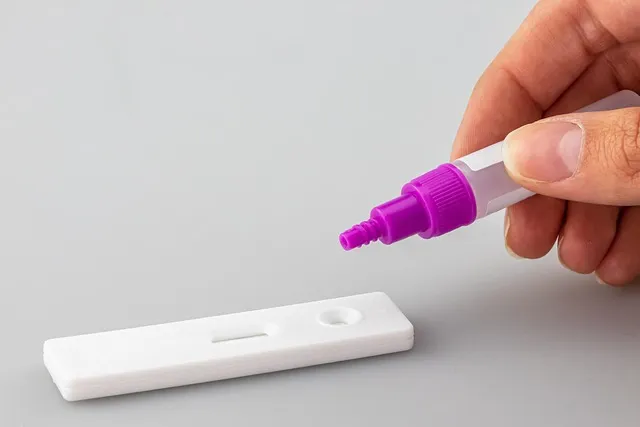
Step 6 — Collection logistics, because $400 spoils easily: Follow the chosen lab’s specific collection instructions precisely. Most require room temperature or refrigerated storage — not frozen — until shipping. Most require next-day or two-day shipping with an ice pack. Don’t collect samples on a Thursday or Friday for most labs — urine sitting in weekend transit will degrade. Check the lab’s shipping cutoff times before collecting. A compromised sample produces compromised results, and the lab will not refund a sample that arrived warm on Monday morning.
The Proof: What Happens When This Gets Done Right
In 2016, a paper by Shoemaker and colleagues published in Internal Medicine Review documented a cohort of patients undergoing structured CIRS treatment, with serial urine mycotoxin testing as one component of the monitoring protocol. The findings were instructive. Patients who successfully completed environmental remediation — left the moldy building or had it properly remediated — and followed a structured detoxification protocol including cholestyramine showed measurable, reproducible declines in urinary mycotoxin levels across multiple timepoints. More importantly, those declines correlated with objective improvements in the inflammatory biomarkers driving their symptoms: TGF-beta1, VEGF, MMP-9, and complement markers C4a and C3a.
This is what the test looks like when it’s working. Not as a single diagnostic verdict, but as a tracking tool within a structured recovery protocol. The number on day one establishes the starting point. The number at day 60 shows whether removal from the source and binder therapy are actually working. The number at day 90 shows whether detox pathways have normalized. Three data points in a clinical framework produce actionable information.
One data point pulled out of nowhere produces a number people argue about on forums.
The Hope and Hope 2012 work on mycotoxin neurotoxicity is relevant here as well. Their documentation of trichothecene disruption of protein synthesis in neural tissue at extremely low concentrations explains something clinically important: why some patients with measurable but not dramatically elevated urinary trichothecenes report neurological symptoms — brain fog, word-finding difficulty, spatial disorientation — that seem disproportionate to what their numbers suggest. Trichothecenes inhibit ribosomal function. They interfere with how the brain builds and repairs proteins. The symptomatic threshold for certain mycotoxins may be lower than their acute toxicology data predicts, which is why the clinical frame matters as much as the number on the report.
The most compelling proof, though, is longitudinal. Patients who apply the full diagnostic picture — environmental investigation first, exposure source identified and removed, urine testing paired with CIRS biomarker blood work and visual contrast sensitivity testing, structured binder protocol with serial retesting — show consistent, trackable improvement in both subjective symptoms and objective markers. The test in that context is a compass. The test as a one-time standalone purchase is an expensive photograph of a single moment in a complicated process.
The Mistakes: Six Ways People Misread Their Results
Mistake 1 — Treating a positive as a diagnosis: A positive mycotoxin urine test is evidence of mycotoxin exposure and excretion. It is not a diagnosis of mold illness. The same result means something different in a healthy person with no symptoms and normal diet than in someone with a 20-item symptom cluster, an ERMI score of +12 in their house, and a failing VCS test. A positive result that goes straight to treatment protocols without correlating with clinical history and other biomarkers is money spent on a conclusion nobody’s earned yet. Context is not optional.
Mistake 2 — Treating a negative as clearance: A negative mycotoxin urine test does not mean mold illness is absent. It means the urine, at this moment, doesn’t contain detectable levels of the specific mycotoxins this lab tests for. The negative could reflect detox pathways so overwhelmed that mycotoxins are storing in tissue rather than excreting. It could reflect enough time out of the environment that clearance has slowed. It could reflect binders that suppressed the levels. It could reflect primary mycotoxins that simply aren’t on this lab’s panel. A conventionally-trained practitioner who doesn’t understand these variables will use a negative result to dismiss the symptoms. That dismissal may be wrong. A negative urine test with persistent symptoms warrants CIRS biomarker blood testing and a VCS screen before accepting a dead end.
Mistake 3 — Skipping the environmental investigation: If the test comes back positive, the next step is not a supplement order. It’s figuring out whether exposure is ongoing. Detoxifying while remaining in a continuous mycotoxin source is Sisyphean — nobody out-supplements a moldy building they’re still sleeping in. Before spending money on binders, antifungals, or any recovery protocol, a proper environmental investigation comes first. ERMI and HERTSMI-2 testing of the home provides DNA-based mold species identification. Hidden mold sources — HVAC systems, wall cavities, crawl spaces, under-sink areas — require inspection beyond what’s visible. The positive urine test says something is happening. The environmental investigation says where and whether it’s still happening. Don’t skip that step to save $300 and then spend $2,000 on supplements that can’t compete with the air supply.
Mistake 4 — Chasing individual numbers without reading the pattern: A clinically experienced practitioner doesn’t just look at which numbers are elevated — they look at which mycotoxins appear, in what combination. Satratoxin elevation alongside roridin E strongly suggests Stachybotrys exposure: black mold. Ochratoxin A alone, without other toxins, may reflect dietary exposure rather than building contamination. Aflatoxin B1 without other compounds suggests grain or peanut exposure. The pattern of co-occurring mycotoxins provides a toxin fingerprint that points toward specific mold species, which points toward specific exposure sources. A practitioner treating every elevated number with identical urgency and identical protocols is missing the signal embedded in the pattern. Ask them to walk through the combination, not just the individual flags.
Mistake 5 — Not accounting for lab methodology when interpreting results: An ELISA-positive result for trichothecenes (RealTime) carries different weight than a mass spectrometry-confirmed trichothecene finding (Great Plains, Vibrant). This isn’t an attack on RealTime — their test has legitimate screening utility. But the false-positive rate for ELISA trichothecene detection is real enough that experienced clinicians treat it as presumptive until confirmed by mass spectrometry. An ELISA-based trichothecene positive treated with the same certainty as a mass spectrometry result is a distinction worth flagging with the ordering practitioner. A confirmatory mass spec panel from Great Plains or Vibrant adds about $300. For a major clinical decision, that’s insurance against acting on a false positive.
Mistake 6 — Treating the urine number as the whole picture while ignoring downstream damage: Mycotoxins cause harm through direct toxicity and through cascading inflammatory disruption. Ochratoxin A suppresses testosterone synthesis at the gonadal level. Trichothecenes inhibit protein synthesis in lymphocytes, suppressing immune function. Multiple mycotoxins degrade gut barrier integrity, triggering secondary food sensitivities that persist long after toxin levels decline. Focusing exclusively on normalizing the urine number while ignoring downstream biomarkers — hormones, inflammatory cytokines, gut function — treats the headline and misses the story. Recovery from mycotoxin illness is multi-system. The urine test shows what happened at the source. The biomarker panel shows what it did to the systems downstream.
Reader Questions About Mycotoxin Urine Test: Mycotoxin Urine Test
Which lab is best for mycotoxin urine testing — Great Plains, RealTime, or Vibrant?
There is no universally best lab — the right choice depends on what’s being accomplished. For the broadest detection coverage with creatinine correction and mass spectrometry confirmation, Vibrant America’s 31-mycotoxin panel is the most comprehensive option. For a narrower but mass spectrometry-confirmed panel with a strong clinical track record, Great Plains (Mosaic Diagnostics) MycoTOX is a solid initial diagnostic choice. RealTime Laboratories offers ELISA-based testing that functions well as a lower-cost initial screen and affordable follow-up monitor, but any positive trichothecene result should be confirmed by mass spectrometry before clinical decisions are made on that finding. For a single initial diagnostic test, mass spectrometry-based testing from Great Plains or Vibrant provides the most defensible results with the lowest false-positive risk.
Can I order a mycotoxin urine test without a doctor’s order?
Yes. In most US states, Great Plains Laboratory, RealTime Laboratories, and Vibrant America all offer direct-to-consumer ordering or work with functional medicine practitioners who can order without a traditional physician referral. The practical concern is not ordering — it’s interpretation. Mycotoxin urine results require clinical context: symptom history, environmental history, other biomarkers, and the specific methodology of the lab used. Ordering the test is easy; using the results intelligently requires guidance from a practitioner experienced with mold-related illness and biotoxin diagnostics. Going it alone means at minimum pairing results with a VCS screen, an environmental investigation of the home, and a thorough symptom inventory before drawing conclusions. The test is the starting gun, not the finish line.
How long do mycotoxins stay detectable in urine after exposure ends?
Detection windows vary substantially by mycotoxin type and individual metabolism. Aflatoxins have relatively short urinary half-lives — detectable for days to a few weeks after acute exposure. Ochratoxin A is estimated to have a plasma half-life of 35 days or more and accumulates in kidney tissue, making it detectable for weeks to months after exposure ends. Trichothecenes depend heavily on whether exposure is ongoing or resolved; they tend to clear more quickly in resolved exposures. Individual factors including HLA-DR genetics, liver detoxification capacity, gut health, and nutritional status all affect clearance rates significantly. There is no reliable published table of exact detection windows because individual variation is too large to produce a useful general figure. The practical implication: test sooner rather than later when ongoing or recent exposure is suspected, and understand that a negative test done months after leaving a moldy environment may underrepresent the actual exposure history.
My mycotoxin urine test was negative but I still have mold symptoms. What does that mean?
A negative urine test with persistent symptoms is common and does not rule out mold-related illness. Several explanations are clinically plausible. The body may not be efficiently excreting due to impaired biotoxin clearance genetics — people with certain HLA-DR variants accumulate mycotoxins in tissues while showing relatively low urinary concentrations. The primary illness may now be driven by persistent immune dysregulation rather than high current mycotoxin burden — the inflammatory cascade triggered by mold exposure can sustain itself and produce symptoms even after toxin levels have declined. The primary mycotoxins involved may not be on the specific panel ordered. Or poor sample timing — testing well after leaving a moldy environment when clearance has slowed — can produce a false negative. A negative urine test with persistent symptoms warrants CIRS biomarker blood testing, which assesses the immune and inflammatory consequences of biotoxin exposure rather than the toxins themselves. A negative urine test is not a verdict. It’s a data point.
Should I use glutathione provocation before my mycotoxin urine test?
Only if the practitioner is using a lab with reference ranges specifically validated for provoked samples — and most don’t. The rationale for glutathione provocation (mobilizing stored mycotoxins into urine) has theoretical support from mycotoxin metabolism research, but no controlled clinical study has established what dose produces what degree of mobilization for which mycotoxins, or how much provocation elevates results. Using provocation while comparing against standard unprovoked reference ranges can produce numbers that look like severe toxin burden when what’s actually present is a provocation artifact. For an initial diagnostic test, the Clean Baseline Protocol applies: no provocation, no binders for seven days, dietary restriction for 72 hours, first-morning urine. Establish an unprovoked baseline first. A provoked comparison later is a secondary clinical decision — not something to attempt before the baseline is established.
How much does a mycotoxin urine test cost, and does insurance cover it?
Direct-to-consumer pricing varies by lab: Great Plains MycoTOX runs approximately $299 to $350. RealTime Laboratories typically falls in the $250 to $350 range. Vibrant America’s 31-mycotoxin panel runs approximately $300 to $400. Insurance coverage is almost universally unavailable — major commercial insurers do not recognize mycotoxin urine testing as medically necessary under current guidelines, and it is classified as experimental or investigational for diagnostic purposes by most payers. Some Health Savings Accounts and Flexible Spending Accounts will cover the cost as a qualified medical expense — check plan documents or call the administrator before paying out of pocket unnecessarily. Budget for the test as a cash expense, and factor in that two tests may be needed: one baseline and one follow-up at 60 to 90 days to track clearance.
What should I do first when my mycotoxin urine test comes back positive?
The correct sequence matters enormously. Step one: identify and address the ongoing exposure source before starting any treatment. Detoxifying while still living in a moldy building is futile. Conduct ERMI and HERTSMI-2 environmental testing of the home and investigate any suspected buildings. Step two: expand the diagnostic picture — pair urine results with CIRS biomarker blood work, HLA-DR genetic testing, and a VCS screen to understand the full scope of impact. Step three: address the environmental source through remediation, air filtration, or relocation depending on severity. Step four: work with a practitioner to implement a structured detoxification protocol, which typically includes binders, dietary changes including a low-amylose protocol, and targeted organ support. Step five: retest at 60 to 90 days to confirm clearance and track response. A positive test that leads straight to supplements without the environmental investigation step is the most common expensive mistake in this space.
Is the mycotoxin urine test safe for children?
Yes. Urine collection is non-invasive and safe for any child who can produce an adequate sample. Children may be more appropriate candidates for early testing than adults because developing nervous systems are more vulnerable to mycotoxin neurotoxicity — the burden that produces mild cognitive fog in an adult can produce more significant developmental, behavioral, and attention effects in a child. Standard preparation protocols apply: dietary restriction of high-mycotoxin foods for 72 hours, first-morning urine collection, no binders for five to seven days prior. One important limitation: the reference ranges on all three major commercial panels were derived from adult testing populations, which means applying them to children is technically an extrapolation. That limitation is worth discussing explicitly with the practitioner when reviewing results. The collection itself is safe. The interpretation requires an additional layer of clinical judgment when applied to pediatric patients.
FROM THE LIBRARY ›
References
Editorial StandardsCorrectionsMedical DisclaimerAbout Our ContentAffiliate DisclosureSite Map