
The supplement industry thrives on confusion, and the NAD+ vs NMN question is a perfect example of it. Both have legitimate uses. They are not interchangeable, though, and taking the wrong one for your situation wastes money and delays results — sometimes for months before anyone notices.

Both NAD+ and NMN have research behind them. The quality and quantity of that research varies significantly, though, and knowing what’s well-established versus what’s preliminary is what actually lets you make a decision based on evidence instead of hype.
The supplement industry generates billions by keeping consumers confused about what they actually need. With NAD+ and NMN specifically, the confusion is common because both get recommended for overlapping symptoms. Cutting through the noise requires understanding what each one does at a molecular level, which claims are backed by human trials, and which are extrapolated from test tubes and rodent studies.
What follows compares mechanisms of action, the strength of evidence for each, bioavailability and absorption considerations, who benefits most from each, and the practical details that actually affect whether these supplements work.
WHAT IS NAD+?
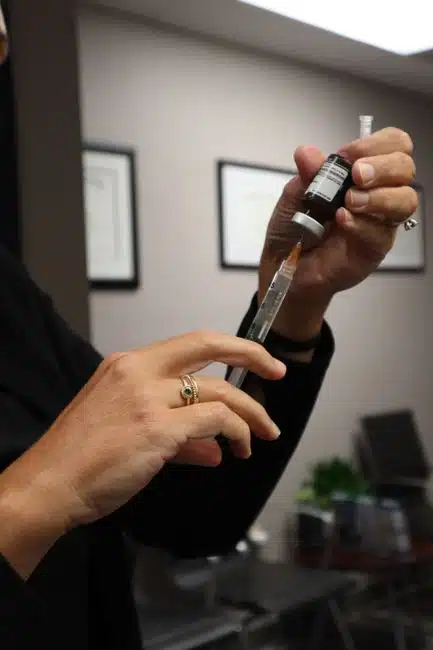
NAD+ isn’t a single-job molecule. It exists in an oxidized form (NAD+) and a reduced form (NADH), cycling constantly between the two as it shuttles electrons through the mitochondrial electron transport chain — the process that actually generates ATP. That’s the energy side. The DNA-repair side runs through a different set of consumers: PARP enzymes (poly-ADP-ribose polymerases), which chew through NAD+ at a startling rate every time they detect a single-strand break and start stitching it closed. A cell under high oxidative stress — chronic inflammation, heavy alcohol use, excess UV exposure — burns NAD+ on PARP repair faster than it can replace it. That’s one of the more overlooked reasons NAD+ status tracks so closely with how beaten-up a man’s cells actually are, independent of his chronological age.
Then there’s CD38, an enzyme embedded in immune cell membranes that also consumes NAD+, and which becomes more abundant — and more active — as inflammatory signaling increases with age. A 2016 study out of the Mayo Clinic (Camacho-Pereira et al., published in Cell Metabolism) identified CD38 as a primary driver of age-related NAD+ decline in mice, showing that blocking CD38 activity restored NAD+ levels and improved mitochondrial function. The takeaway that matters for a supplement decision: raising NAD+ intake without addressing the inflammatory drivers that are consuming it faster is fighting the drain instead of the leak.
IV NAD+ infusions became commercially popular through addiction-treatment clinics, many of which trace their protocols back to mid-20th-century research exploring NAD+ for withdrawal symptom relief. That history is worth knowing, because it explains why the modern wellness-clinic version — marketed for energy, mental clarity, and “cellular repair” — often runs the same 500mg-to-1,000mg infusion over two to four hours, at $500 to $1,500 a session, with limited placebo-controlled data behind the general wellness claims specifically. The addiction-treatment use case has its own separate research thread. The energy-and-longevity use case is largely built on anecdote and small open-label studies.

NMN — nicotinamide mononucleotide — is a direct precursor to NAD+. Cells convert NMN into NAD+ efficiently, and unlike oral NAD+, NMN survives digestion reasonably well.
| Compound | Mechanism | Bioavailability | Key Fact |
|---|---|---|---|
| NAD+ | Direct coenzyme — energy production, DNA repair | Poor orally; gut breaks it down before it reaches cells | IV infusion needed to bypass digestion — expensive, inconvenient |
| NMN | Direct NAD+ precursor, converted via the NMNAT enzyme | Survives digestion reasonably well; sublingual shows strong uptake | Backed by Sinclair/Harvard research; human trials since 2020 |
David Sinclair’s research at Harvard put NMN on the map, and the compound has seen an explosion of human trials since 2020. Sublingual NMN in particular shows strong uptake data.
The conversion happens through an enzyme called NMNAT (nicotinamide mononucleotide adenylyltransferase), which attaches NMN to an adenine group and produces NAD+ in a single step — a shorter path than most other precursors take. The original mouse data that launched the current interest came from Mills et al., published in Cell Metabolism in 2016: old mice given NMN showed improved insulin sensitivity, better mitochondrial function, and gene-expression patterns resembling younger animals. Mouse data isn’t human data, and the gap between the two has burned plenty of supplement categories before. What makes NMN different is how quickly human trials followed.
Irie et al., published in Endocrine Journal in 2020, gave single oral doses of NMN (100mg to 500mg) to ten healthy Japanese men and found the compound safe and well tolerated, with dose-dependent increases in NAD+ metabolites and no meaningful changes in heart rate, blood pressure, or blood chemistry. Yoshino et al., published in Science in 2021, ran a randomized, double-blind, placebo-controlled trial giving 250mg/day of NMN to postmenopausal women with prediabetes for 10 weeks and found measurable improvements in skeletal muscle insulin sensitivity — a genuine metabolic outcome, not just a biomarker shift. Igarashi et al., published in npj Aging in 2022, gave healthy older men 250mg/day for 12 weeks and reported increased blood NAD+ levels alongside modest improvements in physical performance measures including gait speed. None of these are enormous trials. All of them are real, peer-reviewed, and consistent in direction.
Sublingual delivery matters here because NMN, taken sublingually, can be absorbed partly through the oral mucosa, bypassing first-pass gut metabolism where the enzyme NMNAT and various phosphatases would otherwise break down or divert some of the compound before it reaches systemic circulation. This is one of the more genuine mechanistic advantages the compound has over IV NAD+ on a cost-per-benefit basis — not because sublingual NMN outperforms an IV infusion milligram for milligram, but because a man can do it daily, in his kitchen, for a fraction of the price.
Where Nicotinamide Riboside Fits Into This Conversation

Neither NAD+ nor NMN is the only precursor on the market, and leaving out the third option makes the comparison less useful than it should be. Nicotinamide riboside (NR) is a separate NAD+ precursor, one step further upstream than NMN in some proposed pathways, that got its own wave of research attention slightly earlier. Trammell et al., published in Nature Communications in 2016, established that NR is orally bioavailable and raises blood NAD+ levels in both mice and humans — one of the foundational papers that made the entire precursor-supplement category credible in the first place. Martens et al., published in Nature Communications in 2018, ran a randomized trial giving 1,000mg/day of NR to healthy middle-aged and older adults for six weeks and found it well tolerated with reliably elevated NAD+ levels, though — and this matters — no significant improvement in the cardiovascular measures (arterial stiffness, blood pressure) the study was actually designed to test.
That negative finding on the primary outcome gets left out of most NR marketing, which tends to lead with the “raises NAD+ levels” headline and quietly skip the part where the functional outcome didn’t move. It’s a useful cautionary tale for the entire category, NMN included: raising a biomarker is not automatically the same as producing a benefit a man can feel or measure in his actual physiology. NR remains a reasonable third option, chemically distinct enough from NMN that a genuine non-responder to one might respond to the other, but it isn’t clearly superior to NMN on the current evidence, and the two are rarely worth stacking together given the overlapping mechanism.
NAD+ VS NMN: WHAT THE EVIDENCE ACTUALLY SHOWS
The differences between NAD+ and NMN go deeper than most surface-level comparisons suggest. A quick-reference table only gets you so far; the real decision-making information lives in the detailed breakdown that follows. Use the table for orientation, then read the analysis for the full picture.
Broadly: NAD+ (as an IV) is a direct replacement strategy with a long history in addiction medicine and a thinner one in general longevity use. NMN is an upstream precursor strategy with a smaller total evidence base but a faster-growing one, built almost entirely on oral human trials published since 2020 — which is unusual in the supplement world, where most “evidence” never leaves the test tube.
The NAD+ Salvage Pathway: Why This Isn’t as Simple as “Take More NAD+”
Cells don’t make NAD+ from scratch every time they need it. They mostly recycle it, through what’s called the salvage pathway — nicotinamide, the byproduct left over after NAD+ gets consumed by sirtuins, PARPs, and CD38, gets converted back into NMN by an enzyme called NAMPT (nicotinamide phosphoribosyltransferase), and then back into NAD+ by NMNAT. NAMPT is the rate-limiting step in the whole cycle, and its activity declines with age — which is a big part of why NAD+ levels drop even when nicotinamide, the raw material, is still floating around in ample supply.
There’s a second pathway worth understanding, because it explains a common side effect nobody warns you about. Nicotinamide — the leftover byproduct from NAD+ consumption — can also get shunted off into a methylation pathway via an enzyme called NNMT (nicotinamide N-methyltransferase), which converts it into methylnicotinamide for excretion. That reaction consumes SAM (S-adenosylmethionine), the body’s primary methyl donor, the same one used for neurotransmitter synthesis, DNA methylation, and dozens of other processes. Flood the system with high-dose NAD+ precursors and you can, in theory, burn through methyl donor reserves faster than the diet replaces them — which is the actual mechanism behind why some men report irritability, poor sleep, or a flat mood on high-dose NMN or NAD+ protocols, and why pairing either with a methyl donor like TMG (trimethylglycine) or betaine is a reasonable precaution rather than a marketing add-on.
Sirtuins are the other half of the story, and they’re the reason NAD+ became a longevity target in the first place. SIRT1, SIRT3, and SIRT6 are NAD+-dependent deacetylase enzymes — they physically require NAD+ as a cofactor to do their job, which includes regulating mitochondrial biogenesis (through PGC-1alpha activation), DNA repair, and inflammatory gene expression. When NAD+ drops, sirtuin activity drops with it, regardless of how much sirtuin protein is sitting around doing nothing. This is the mechanistic argument for why raising NAD+ levels — through either route — might matter beyond just feeling more energetic: it’s restoring the fuel supply for a set of enzymes that do a measurable amount of cellular housekeeping.
DETAILED BREAKDOWN: WHERE EACH ONE WINS
Mechanism of Action
NAD+ works through specific biochemical pathways that determine its effects and its limitations. Understanding the mechanism helps predict whether it will address a particular issue and how it might interact with other supplements or medications. It also determines timing — when to take it, whether food matters, how long before effects appear. IV NAD+ delivers the finished molecule directly into the bloodstream, which means the body doesn’t have to build it from raw materials — an advantage when the salvage pathway itself is compromised (heavy alcohol use, certain chemotherapy exposures, or severe metabolic dysfunction can all impair NAMPT activity), and a moot point when it isn’t.
NMN operates through a different pathway, which is why it produces different effects even when both supplements get marketed for similar purposes. These mechanistic differences aren’t academic. They determine which conditions each supplement actually helps, which symptoms it addresses, and which populations see the most benefit. Because NMN still has to run through the NMNAT conversion step, its effects tend to build more gradually — the human trials cited above ran 10 to 12 weeks before measuring outcomes, not hours.
Quality of Evidence
The research base for NAD+ ranges from strong clinical trials to preliminary studies, and not all of it is equal. Small studies, animal models, and in-vitro research tell a different story than large randomized controlled trials in humans. Being honest about where the evidence actually stands is what calibrates expectations and keeps a man from over-investing based on hype. The strongest NAD+ data sits in the addiction-treatment literature from decades past; the wellness-clinic energy and cognition claims rest on thinner ground — mostly practitioner case series and uncontrolled patient-reported outcomes.
The evidence behind NMN has its own profile — some claims well-supported, others extrapolated from limited data. Compare research quality, not just the quantity of studies. One well-designed human trial outweighs a dozen rodent studies. The Yoshino 2021 trial is the strongest single data point in the NMN evidence base — randomized, placebo-controlled, published in a top-tier journal — but it studied postmenopausal women with prediabetes, not healthy men in their 30s and 40s. Extrapolating those findings onto a different population is reasonable, not proven.
Look at who funded the research, the sample sizes, and whether the studied dosages match what’s on shelves.
Bioavailability and Absorption
How much NAD+ actually reaches the bloodstream and tissues depends on its form, what it’s taken with, and individual gut health. Many supplements have poor bioavailability in their most common commercial forms, meaning a man is absorbing a fraction of the labeled dose. Specific forms, fat-soluble considerations, and timing all affect whether he’s getting what he paid for. Oral NAD+ specifically is degraded substantially by gut enzymes and stomach acid before absorption — this is well established biochemistry, not a marketing claim, and it’s the entire reason the IV route exists commercially.
NMN has its own absorption profile, which may run better or worse than NAD+’s depending on the form purchased. Some forms are built for improved bioavailability; others are cheap fillers with minimal absorption. Paying a premium for a better-absorbed form often makes more economic sense than stacking higher doses of a poorly absorbed one. Sublingual and liposomal NMN formulations show meaningfully better uptake in the limited pharmacokinetic data available than plain capsule forms, though even here the difference between brands claiming “enhanced absorption” and brands that actually formulated for it is enormous, and mostly invisible from the label alone.
Side Effects and Safety
At standard doses, NAD+ has a specific safety profile. Most supplements are well-tolerated, but “natural” doesn’t mean “harmless.” Interactions with medications, effects on hormone levels, GI tolerance, and long-term safety data all factor in. Men taking prescription medications — blood thinners, blood pressure drugs, psychiatric medications especially — should check for interactions before adding any supplement. IV NAD+ infusions carry a well-documented, uncomfortable but transient side effect: a tight, crampy chest and abdominal sensation during rapid infusion, which most clinics manage by slowing the drip rate. It passes. It’s still unpleasant enough that some men don’t go back for a second session.
NMN carries its own risk-benefit ratio. Some supplements are remarkably safe even at high doses; others have a narrow therapeutic window where the effective dose sits close to the problematic one. Know the ceiling, know the interactions, and don’t assume that if some is good, more is better. That logic has hurt more supplement users than it’s helped. The human trials to date — running doses as high as 1,200mg/day in some safety studies — haven’t turned up serious adverse events, which is reassuring, though none of these trials ran longer than about three months, so multi-year safety data simply doesn’t exist yet for either man or mouse.
Cost-Effectiveness
Evaluating the cost of NAD+ requires looking past the sticker price. Consider the effective dose (how many capsules per day at the researched amount), the form (cheap forms with poor absorption may cost more per effective milligram), and the duration of use needed before effects appear. Some supplements work within days; others require 4-8 weeks of consistent use. Factor in the full commitment when weighing cost. IV NAD+ at $500-1,500 per infusion, repeated weekly or monthly as many clinics recommend, adds up to a serious annual expense fast — into five figures for a man chasing a maintenance protocol.
The cost-effectiveness of NMN depends on the same variables. A cheaper supplement that requires double the dose and takes twice as long to work may cost more in the long run than a premium product at a lower dose with faster onset. Calculate cost per effective dose per day. Not price per bottle. A quality sublingual NMN product at the 250-500mg range used in the human trials typically runs $50-90 a month — a fraction of even a single IV session, for daily rather than occasional dosing.
STRENGTHS AND WEAKNESSES OF NAD+
Strengths:
- Specific mechanism addressing particular biochemical needs
- Research base supporting its use for defined conditions
- Available in multiple forms allowing optimization of absorption
- Well-characterized safety profile at standard doses
The clearest strength is speed. An IV bypasses every conversion step and every absorption barrier — the finished molecule goes straight into circulation, and men report a fairly immediate subjective effect during and immediately after infusion, whatever the mechanism behind that turns out to be. That’s not nothing for a man who needs something to work now rather than in eight weeks.
Weaknesses:
- Absorption may vary significantly based on form and individual factors
- Marketing claims often extend beyond what the evidence supports
- Quality varies dramatically between brands
- May require specific timing, cofactors, or dietary conditions to work
The clearest weakness is that the evidence supporting the wellness-clinic version of IV NAD+ — the energy, focus, and anti-aging claims — is thinner than the evidence supporting its original addiction-treatment use. A man paying $1,000 a session for general vitality is buying into extrapolation, not a replicated outcome.
STRENGTHS AND WEAKNESSES OF NMN
Strengths:
- Different mechanism that may better suit certain biochemical profiles
- Own evidence base supporting specific applications
- May be better tolerated by individuals who respond poorly to alternatives
- Can complement (rather than compete with) other supplements in a stack
The clearest strength is the trial trajectory. Four separate human studies in five years, published in credible journals, all pointing the same direction, is an unusually fast and unusually consistent evidence build for a supplement — most compounds in this category never accumulate that kind of human data at all.
Weaknesses:
- Own set of limitations regarding evidence quality and scope
- Not a universal replacement for the alternative despite similar marketing
- Individual response varies — what works for one person may not work for another
- Dose-response relationship may not be well-established
The clearest weakness is duration. Every human trial to date runs three months or less. Nobody has published a two-year outcome study, which means the long-term trajectory — does NAD+ elevation plateau, does the body adapt and downregulate NAMPT further, does chronic supplementation carry a cost — is genuinely unknown, not just unmarketed.
WHEN TO CHOOSE NAD+
For the fastest, most direct intervention, where cost isn’t the deciding factor, IV NAD+ infusions are unmatched for acute results — men have described mental clarity setting in within hours of the drip. It’s also the right choice when gut function is compromised and absorption is a real concern.
Choose NAD+ when a specific goal or condition aligns with its primary mechanism, when the research supporting it fits the situation better than the alternative, when it’s well tolerated, and when the effective form and dose are actually accessible. If NMN was tried without results, NAD+’s different pathway may be worth exploring — a non-response to one supplement doesn’t predict a non-response to a mechanistically distinct alternative.
Take a composite case: a 44-year-old sales executive, heavy travel schedule, three time zones a week, drinking more than he’d admit on a health questionnaire. Chronic gut inflammation from years of airport food and antibiotics for recurring sinus infections had left his absorption compromised enough that oral supplements of almost any kind produced inconsistent results — some weeks noticeable, some weeks nothing. Two IV NAD+ sessions a month, alongside actually fixing the gut issue with a proper elimination diet, got him functional again faster than waiting on an oral precursor to work through a digestive system that wasn’t cooperating. That’s the legitimate use case. It’s not “buy this because it sounds cutting edge.”
WHEN TO CHOOSE NMN
For daily, sustainable longevity support, NMN is the practical winner. A quality sublingual NMN taken in the morning gives consistent NAD+ precursor loading without clinic visits or IV lines. Pair it with a methyl donor like TMG to avoid depleting methylation reserves.
Choose NMN when its mechanism better matches the specific issue at hand, after side effects with the alternative, when cost-effectiveness favors it for the required dose and duration, or when the evidence for the particular application is stronger. Also worth weighing: whether it integrates better with other supplements already in the rotation — stacking supplements with overlapping mechanisms can create diminishing returns or unwanted interactions.
For most men without a specific absorption problem or an acute need for a fast result, NMN is the more defensible default — cheaper, dailyable, with the stronger recent trial data, and none of the logistical overhead of a clinic appointment. It’s not more powerful. It’s more practical, which for a supplement someone actually has to take consistently for months, matters more than raw potency on paper.
A Case Study in Sequencing
Consider a second composite: call him Ray, 51, a contractor who’d read enough longevity content to be dangerous and not quite enough to be careful. He started both NAD+ IV infusions and 500mg oral NMN the same week — against every piece of advice in this article, including the advice he’d already half-read and ignored. Three weeks in, he felt worse: wired, irritable, sleeping badly. He assumed it was the NAD+ and stopped the infusions, kept the NMN, felt no different, stayed irritable for another month before a friend mentioned methylation burden almost in passing.
He added TMG. Within ten days the irritability cleared. He never found out whether it was the NAD+, the NMN, or the combination that had been driving the SAM depletion in the first place, because he’d started both at once and had no clean data to look back on. That’s the actual lesson, not a tidy one: stacking two NAD+-raising interventions simultaneously doesn’t double the benefit, it doubles the confound. Six months later, on NMN alone with a methyl donor, sleep and energy were both better than baseline — a real result, just one that took longer to isolate than it needed to because of how he started.
COMMON MISTAKES MEN MAKE WITH THIS DECISION
- Choosing based on marketing rather than mechanism. Supplement marketing is designed to make everything sound essential. Before buying either product, understand what it actually does at a biochemical level and whether that mechanism addresses the actual problem. “Supports immune function” can mean anything from well-documented antioxidant activity to hand-waving with no evidence behind it at all.
- Ignoring the form and dosage. Two products with the same ingredient name can have wildly different bioavailability depending on form. Cheap forms fill shelves because they’re profitable, not because they’re effective. Check which form was used in the research that supports the product, and buy that form. Not the cheapest alternative sitting next to it. A 100mg capsule with no absorption enhancer isn’t the same product as the 250mg sublingual dose used in the Igarashi 2022 trial, even if the label says “NMN” on both.
- Supplementing without testing. Taking supplements without knowing baseline levels is guessing with extra steps. A blood test showing actual deficiency makes supplementation targeted and measurable. A blood test showing adequate levels saves money outright. Either way, that’s an informed decision instead of supplement roulette. Direct NAD+ blood testing exists commercially now, though it’s not yet standardized enough across labs to compare confidently against the reference ranges used in published trials — useful as a personal before/after marker, less useful as an absolute number to anchor decisions to.
- Assuming subjective feeling equals objective effect. The IV placebo effect in wellness settings is real and well documented in other contexts — the ritual of a clinic visit, an IV line, a controlled environment, produces genuine subjective improvement independent of what’s actually in the bag. That doesn’t mean IV NAD+ does nothing. It means “I felt amazing after the infusion” isn’t, by itself, evidence the mechanism worked the way the marketing claims it did.
- Confusing a biomarker moving with a problem being solved. Blood NAD+ levels going up is easy to measure and easy to sell. Whether that translates into the outcome a man actually cares about — more energy at 4pm, better recovery between training sessions, sharper focus through a long meeting — is a separate question the biomarker alone can’t answer. The Martens 2018 NR trial is the clean example: NAD+ went up, the measured physical outcome didn’t. Track the outcome you actually want, not just the number that’s easiest to put on a lab report.
HOW TO MAKE THIS DECISION FOR YOURSELF
The systematic approach to choosing between NAD+ and NMN starts with testing, not guessing. Relevant blood work or functional testing before starting either supplement, if it’s accessible, changes everything. Baseline data turns supplementation from gambling into targeted intervention — a way to know whether the thing was even needed, and a way to measure whether it’s working.
If testing isn’t accessible right now, use a structured elimination approach instead. Try one supplement at the researched effective dose for 60-90 days. Track the specific symptoms or markers being targeted. Keep everything else constant — diet, sleep, training, other supplements. At the end of the trial, evaluate honestly: did measurable improvement occur? If yes, continue. If no, discontinue and try the alternative with the same rigor.
Never start both at the same time. There’s no way to know which one is producing effects — or side effects — and it ends with either taking both indefinitely or dropping both without understanding what happened. Sequential trials with clear evaluation periods give actionable information. Parallel trials just give confusion. Ray’s story above is the case study for why this rule exists, not an abstraction.
WHAT MOST MEN GET WRONG ABOUT NAD+ AND NMN
The biggest mistake men make with NAD+ and NMN is treating supplements as a substitute for getting the basics right. No supplement compensates for poor sleep, chronic stress, a processed food diet, or inactivity. If those foundations aren’t solid, adding NAD+ or NMN is like installing a performance exhaust on a car with a broken engine. Fix the engine first. Exercise itself raises NAD+ levels through AMPK activation and increased NAMPT expression — a well-documented mechanism that predates the entire supplement conversation by decades. A man who isn’t training regularly is leaving a free, well-evidenced NAD+ intervention on the table before he’s spent a dollar on a bottle.
The second common error is dosing. Most commercial products contain doses chosen for profit margin, not for the amounts used in research. Before buying either NAD+ or NMN, look up the dose used in the actual studies that support it. If the effective research dose is 500mg and the product contains 100mg, that’s not the supplement that was studied. It’s something wearing the same name with a different effect profile entirely.
Third, timing and cofactors matter more than most men realize. Some supplements compete for absorption when taken together. Others require fat for absorption or specific vitamins as cofactors. Taking NAD+ and NMN at the wrong time, in the wrong form, or without the necessary absorption enhancers can cut their effectiveness by half or more. A few minutes of research on absorption optimization pays for itself many times over.
Finally, cycling matters. The body adapts to chronic supplementation. Some supplements lose effectiveness over time; others build up to levels that create their own problems. Periodic breaks, dose adjustments, and re-testing keep a man ahead of adaptation and confirm he’s still getting value for what he’s spending. Whether NAMPT expression actually downregulates in response to chronic exogenous NAD+ elevation — the way some hormone receptors downregulate under chronic exogenous stimulation — hasn’t been directly studied in humans. It’s a reasonable hypothesis based on how the rest of the body’s feedback loops tend to work, not a confirmed finding. Worth building a cycling protocol around anyway, given the downside of ignoring it is small and the downside of a receptor-style adaptation going unnoticed for years is not.
THE BOTTOM LINE: MATCHING THE SUPPLEMENT TO YOUR SPECIFIC NEED
Neither is a magic pill. Pressed to pick one for a daily protocol, NMN wins on practicality and accumulating evidence. 500mg is the usual entry point, tracked across four to six weeks. If budget allows, an occasional IV NAD+ infusion is a powerful complement to that — not a replacement for it.
And the training-and-sleep piece isn’t a throwaway line buried mid-article — it’s the actual foundation this entire decision sits on. A man who fixes his sleep debt, adds two strength sessions a week, and cuts down on alcohol will move his own NAD+ levels through NAMPT upregulation and reduced CD38/PARP consumption more reliably than most supplement protocols manage on their own. NMN or NAD+ on top of that foundation is a reasonable, evidence-supported addition. NMN or NAD+ instead of that foundation is spending real money to patch over a problem the supplement was never designed to fix.
These supplements serve different purposes despite being marketed to similar audiences. Match the supplement to the specific biochemistry and goal at hand, not to what’s trending or what a fitness influencer is promoting this month. Test the relevant biomarkers before and after a 60-90 day trial period, if possible, to objectively measure whether the supplement is doing what’s expected of it. The men who get the most from supplementation are the ones who treat it like targeted intervention based on data — not like collecting insurance policies against every possible deficiency.
One last point, easy to miss in a comparison article built around picking a winner: for a lot of men, the honest answer is neither, at least not yet. If sleep is broken, training is inconsistent, and the diet is mostly convenience food, no amount of NAD+ precursor is going to outrun that math. Get the fundamentals boring and consistent first. Then, if energy and recovery still lag where they should be, NMN is the more defensible starting point — cheap enough to trial properly, well-tolerated, and backed by the best recent human data in the category.
References
Editorial StandardsCorrectionsMedical DisclaimerAbout Our ContentAffiliate DisclosureSite Map