
The supplement industry runs on confusion, and Probiotics vs Prebiotics is a textbook case. Both have legitimate uses. They are not interchangeable. Taking the wrong one for your situation wastes money and delays results — sometimes for months before anyone notices.

Both Probiotics and Prebiotics have research behind them, but the quality and quantity of that research varies a lot. Knowing what’s well-established versus what’s preliminary is what lets you decide based on evidence instead of hype.
The supplement industry generates billions by keeping people confused about what they actually need. With Probiotics and Prebiotics specifically, the confusion runs deep because both get recommended for overlapping symptoms. Cutting through it means understanding what each one does at a molecular level, which claims are backed by human trials, and which are extrapolated from test tubes and rodent studies. Here’s the breakdown.
Mechanisms of action. Strength of evidence. Bioavailability and absorption. Who benefits most from each. And the practical details that actually determine whether these supplements do anything for you at all.
Start with a guy named Derek. Thirty-four, IT project manager, two rounds of antibiotics in eight months for a sinus infection that wouldn’t quit. By the time the second course ended he had the kind of gut symptoms that make a man start Googling at 1 a.m. — bloating that came and went with no pattern, stool that swung from loose to hard within the same week, a general sense that digestion had become a full-time background process instead of something he didn’t think about. He bought a probiotic. The expensive one, 50 billion CFU, refrigerated, fourteen strains on the label. Three weeks in, nothing had changed. That’s a common outcome, and the reason why is buried in the mechanism, not the marketing.
WHAT IS PROBIOTICS?

| Probiotics | Prebiotics | |
|---|---|---|
| What they are | Live microorganisms (Lactobacillus, Bifidobacterium strains) | Non-digestible fibers (inulin, FOS, GOS, resistant starch, beta-glucan) |
| Effect | Adds beneficial bacteria — but most strains are transient | Feeds bacteria already resident, producing lasting compositional shifts |
| Byproduct | Strain-specific (e.g. L. reuteri for testosterone, L. rhamnosus GG for antibiotic-diarrhea) | Short-chain fatty acids like butyrate — fuel the gut lining, reduce inflammation |
The catch is that most probiotic bacteria are transient. They don’t colonize permanently. They pass through and need to be continually replenished, and product quality varies enormously from brand to brand.
The strain-specificity issue is the single most misunderstood fact in the probiotic category. “Probiotics” is not one thing — it’s a category label covering hundreds of distinct organisms with different, non-interchangeable effects, the same way “medication” covers both aspirin and chemotherapy. Lactobacillus rhamnosus GG (the strain behind most of the antibiotic-diarrhea evidence, documented in a 2006 meta-analysis by McFarland covering over 30 randomized trials) has essentially nothing in common, functionally, with Lactobacillus reuteri ATCC PTA 6475, the specific strain used in the mouse studies on testosterone and testicular size published by Poutahidis and colleagues in PLoS ONE in 2014. A product listing “Lactobacillus” on the label without a strain designation — a letter-number code after the species name — is telling you almost nothing about what it does. This is not a minor labeling technicality. It is the difference between a targeted intervention and a coin flip.
Viability is the second problem, and it’s worse than most buyers realize. Probiotic organisms are living things, and living things die — from heat during shipping, from stomach acid during transit, from time sitting in a warehouse. Independent testing organizations that audit supplement contents (ConsumerLab among them) have repeatedly found probiotic products containing a fraction of their labeled CFU count by the time they reach a consumer’s hands, in some audited batches under 10% of what the label claimed. A bottle that says “50 billion CFU at time of manufacture” is a different product than one that says “50 billion CFU guaranteed through expiration” — the wording matters, and most labels are written to obscure rather than clarify which claim is being made.

Prebiotics are non-digestible fibers and compounds that feed and stimulate the bacteria already living in your gut. Fertilizer for an ecosystem you’ve already got, essentially. Inulin, FOS, GOS, resistant starch, and beta-glucan are the most studied. Unlike probiotics, prebiotics produce lasting shifts in microbial composition, because they’re feeding bacteria that actually stick around. They also generate short-chain fatty acids like butyrate, which fuel the gut lining, reduce inflammation, and regulate immune function.
The butyrate mechanism deserves more attention than it usually gets, because it’s the actual biological payoff most prebiotic marketing gestures at without explaining. When gut bacteria ferment fiber — inulin, resistant starch, the pectin in an apple — they produce short-chain fatty acids as metabolic byproducts: acetate, propionate, and butyrate. Butyrate is the preferred fuel source for colonocytes, the cells lining the colon, supplying an estimated 60-70% of their energy needs. A 2013 study by Furusawa and colleagues published in Nature demonstrated that butyrate induces regulatory T-cell (Treg) differentiation in the colon via the receptor GPR109A — meaning the compound isn’t just feeding gut cells, it’s actively instructing the immune system toward tolerance rather than inflammation. Low-fiber diets that starve bacterial fermentation produce measurably less butyrate, and low colonic butyrate is associated with a thinner, more permeable mucus layer — the barrier that’s supposed to keep gut bacteria from provoking an immune response through the intestinal wall.
There’s also a generational angle worth knowing about, from Stanford’s Sonnenburg lab. A 2016 study published in Nature, “Diet-induced extinctions in the gut microbiota compound over generations,” found that mice fed a low-fiber diet lost microbial diversity — and that some of the lost bacterial species did not return even after fiber was reintroduced. Worse: offspring of fiber-deprived mice inherited the reduced diversity, and the losses compounded across four generations until some species were extinct within the lineage entirely. It’s a mouse study, and mouse microbiomes don’t map cleanly onto human ones, but it’s one of the more sobering data points in the fiber literature — the implication being that chronic low-fiber intake may not be a problem you can fully undo just by eating more fiber later.
PROBIOTICS VS PREBIOTICS: WHAT THE EVIDENCE ACTUALLY SHOWS
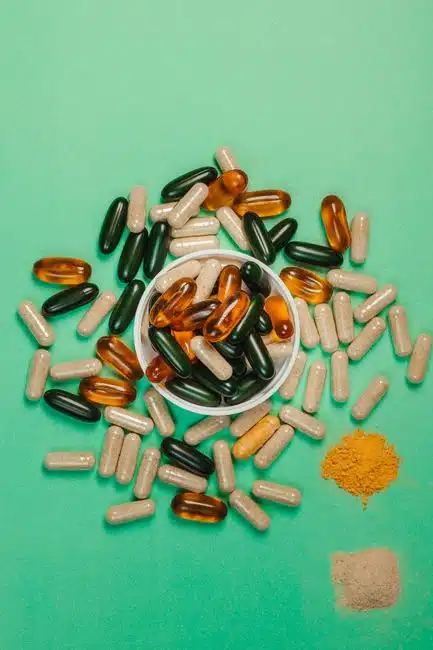
The differences go deeper than most surface-level comparisons let on. What follows is the quick reference, but the real decision-making information lives in the detailed breakdown after it. Orient yourself first, then read the analysis.
One study complicates the simple “probiotics good” narrative enough that it’s worth flagging up front. A 2018 study out of the Weizmann Institute, led by Suez and colleagues and published in Cell, tracked what happened when people took a standard multi-strain probiotic after a course of antibiotics. The probiotic group’s native gut flora took significantly longer to return to its pre-antibiotic baseline than a group that received no intervention at all and simply let the microbiome recover on its own — the introduced probiotic strains appeared to occupy niche space and delay recolonization by the person’s own bacteria. A third group in the same study, who received an autologous fecal microbiota transplant using bacteria banked from their own gut before the antibiotics, recovered fastest of all. The takeaway isn’t that probiotics are useless after antibiotics — plenty of trials, including the McFarland meta-analysis on Lactobacillus rhamnosus GG, show real reduction in antibiotic-associated diarrhea specifically. The takeaway is that “probiotics restore your gut after antibiotics” is a claim the evidence only partly supports, and the honest picture is more complicated than the bottle implies.
DETAILED BREAKDOWN: WHERE EACH ONE WINS
Mechanism of Action
Probiotics work through specific biochemical pathways, and those pathways set both the ceiling and the limitations. Understanding the mechanism is how you predict whether it will actually touch your particular issue, and how it might interact with anything else you’re taking. It also determines timing — whether food matters, when to take it, how long before anything happens.
Prebiotics run through a different pathway entirely, which is why the effects diverge even though both get marketed for the same overlapping complaints. That mechanistic gap isn’t academic. It’s what determines which conditions each one actually helps, which symptoms it touches, and which men see the most benefit.
Mechanistically, probiotics act primarily through three routes: direct competition with pathogenic bacteria for gut real estate and nutrients, production of antimicrobial compounds (bacteriocins) that suppress unwanted species, and modulation of the intestinal immune system through contact with gut-associated lymphoid tissue. None of these require permanent colonization to work — a strain passing through for two to three weeks can still shift the local ecosystem or calm an inflammatory response during that window, which is part of why short-course probiotic use (during travel, after a GI infection, alongside an antibiotic course) tends to show more consistent benefit in trials than open-ended daily use for vague “gut health.”
Prebiotics act indirectly — they don’t do anything themselves. Their entire mechanism runs through the bacteria that ferment them. This is precisely why the effect is more durable: instead of introducing a foreign organism that eventually washes out, prebiotics change the food supply available to organisms that are already permanent residents, and those residents’ populations shift accordingly. A 2007 study by Cani and Delzenne’s group at the Université catholique de Louvain, published in Diabetologia, found that oligofructose supplementation in mice increased Bifidobacterium populations and reduced circulating endotoxin (lipopolysaccharide) levels — a marker of gut barrier permeability tied to low-grade systemic inflammation. The fiber wasn’t doing anything to the bloodstream directly. It fed bacteria that changed the gut environment, which changed what leaked across the gut wall.
Quality of Evidence
The research base for Probiotics ranges from strong clinical trials down to preliminary studies that barely qualify as evidence. Not all of it is equal — small studies, animal models, and in-vitro work tell a different story than large randomized controlled trials in actual humans. Being honest about where the evidence sits keeps expectations calibrated and keeps you from over-investing based on hype.
Prebiotics has its own profile — some claims well-supported, others stretched from limited data. Compare research quality, not just quantity. One well-designed human trial outweighs a dozen rodent studies. Look at who funded it, how big the sample was, and whether the dosages studied match what’s actually on the shelf.
Where probiotic evidence is strongest: antibiotic-associated diarrhea prevention (Lactobacillus rhamnosus GG and Saccharomyces boulardii, both with multiple meta-analyses behind them), and certain IBS symptom clusters, where a 2006 trial by Whorwell and colleagues in the American Journal of Gastroenterology found Bifidobacterium infantis 35624 reduced abdominal pain and bloating scores over four weeks compared to placebo at a specific dose — 1 x 10^8 CFU daily, notably lower than the mega-dose products marketed as superior. More CFU is not automatically better; this trial found benefit at a dose two to three orders of magnitude below what’s on most commercial labels, and higher doses in the same trial didn’t outperform it. Where probiotic evidence is weakest: general “gut health” and immune support claims made without reference to any specific strain, which cover the majority of what’s actually sold in stores.
Prebiotic evidence is strongest at the population level — fiber intake correlates with lower all-cause mortality, lower cardiovascular risk, and better glycemic control across dozens of large cohort studies, and the mechanistic story (short-chain fatty acid production, improved insulin sensitivity via GLP-1 secretion) is well worked out. It’s weaker at the level of “take this specific prebiotic supplement for this specific symptom,” partly because whole-food fiber and isolated prebiotic fiber don’t always behave identically, and partly because most prebiotic trials are smaller and shorter than the major probiotic trials.
Bioavailability and Absorption
How much of Probiotics actually reaches your bloodstream and tissues depends on the form, what you take it with, and your individual gut health. Plenty of supplements have poor bioavailability in their most common commercial forms — you’re absorbing a fraction of the labeled dose and don’t know it. Specific forms, fat-solubility, and timing all decide whether you’re getting what you paid for.
Prebiotics has its own absorption profile, which may run better or worse than Probiotics depending on what you buy. Some formulations are built for improved bioavailability; others are cheap filler with minimal absorption. Paying more for a better-absorbed form often beats taking a bigger dose of a poorly absorbed one.
For probiotics, “absorption” is the wrong frame entirely — these organisms aren’t meant to enter the bloodstream, they’re meant to survive stomach acid (pH as low as 1.5-2) and bile salts long enough to reach the colon alive. This is where delivery technology actually matters: enteric-coated capsules, and spore-forming strains like Bacillus coagulans and Bacillus subtilis, survive gastric transit dramatically better than non-coated powders of standard Lactobacillus and Bifidobacterium strains, some of which lose 90%+ viability crossing the stomach unprotected. Taking a non-enteric-coated probiotic on an empty stomach, when gastric acid is at its most concentrated, is close to the worst-case scenario for survival; taking it with a meal, when acid is buffered by food, improves the odds considerably.
For prebiotics, the relevant variable isn’t absorption but fermentability and dose tolerance. Inulin and FOS ferment rapidly, which produces gas as a normal byproduct — this is often mistaken for an adverse reaction rather than the expected mechanism working as intended, though at high doses (above roughly 10-15g/day for someone unaccustomed to it) the gas and bloating cross from “expected” into “genuinely uncomfortable.” Resistant starch and partially hydrolyzed guar gum ferment more slowly and tend to be better tolerated at equivalent doses. Ramping dose gradually over two to three weeks — 3g, then 5g, then a target dose of 8-10g — reduces the GI disruption that causes most men to quit prebiotic fiber before it’s had time to do anything.
Not all prebiotic fiber is functionally equivalent, either, and the resistant starch subtype matters more than most labels bother to specify. RS2 (found in raw potato starch and green, unripe bananas) survives largely intact to the colon and ferments relatively slowly and evenly. RS3 (formed when starchy foods like rice or potatoes are cooked and then cooled — the retrogradation process) behaves similarly. Cheap “resistant starch” supplements sometimes use forms closer to RS4, chemically modified starch, with a less-established fermentation profile. Inulin and FOS, by contrast, are short-chain fructans that ferment almost entirely in the proximal colon within hours, which is efficient but also why they produce noticeably more gas per gram than slower-fermenting resistant starch. A man who finds inulin intolerable at even modest doses isn’t necessarily prebiotic-intolerant across the board — resistant starch or partially hydrolyzed guar gum, which ferment more gradually along the length of the colon, are worth testing before writing off prebiotic fiber entirely.
Side Effects and Safety
At standard doses, Probiotics carries a fairly well-characterized safety profile. Most are well-tolerated, but “natural” doesn’t mean “harmless.” Interactions with medications, effects on hormone levels, GI tolerance, long-term safety data — all of it factors in. Men on prescription medications, particularly blood thinners, blood pressure drugs, or psychiatric medications, should check for interactions before adding anything.
Prebiotics carries its own risk-benefit ratio. Some are safe even at high doses; others have a narrow window where the effective dose sits close to the problematic one. Know the ceiling, know the interactions, and don’t assume that if some is good, more is better — that logic has hurt more supplement users than it’s helped.
The genuinely important safety issue with both categories is small intestinal bacterial overgrowth, or SIBO — a condition where bacteria that belong in the colon proliferate further upstream, in the small intestine, where they aren’t supposed to be in large numbers. In someone with undiagnosed SIBO, prebiotic fiber can make symptoms substantially worse, because the fiber feeds the misplaced bacteria directly, producing gas, bloating, and pain within hours of a dose. Probiotics are more debated in SIBO — some clinicians avoid them on the same logic (adding more bacteria to an already-overcrowded small intestine), while trial data is mixed, with a handful of studies suggesting certain strains may actually help. The practical point: a man with chronic, unexplained bloating that gets worse rather than better on fiber or probiotics should treat that as a signal to investigate SIBO specifically, not push through with a higher dose.
Cost-Effectiveness
Evaluating the cost of Probiotics means looking past the sticker price. Consider the effective dose — capsules per day at the researched amount — the form (cheap, poorly absorbed forms can cost more per effective milligram), and how long before effects show up. Some supplements work in days. Others need 4-8 weeks of consistent use. Factor in the whole commitment, not the shelf price.
Cost-effectiveness for Prebiotics runs on the same logic. A cheaper product that needs double the dose and twice the time to work can end up costing more than a premium option at a lower dose with faster onset. Calculate cost per effective dose per day. Not price per bottle.
There’s a cost comparison here that rarely gets made explicitly: a pound of raw inulin powder or psyllium husk costs a fraction of what a month of encapsulated probiotic runs, and a diet built around varied plant fiber — legumes, oats, onions, garlic, leeks, green bananas, which are all naturally rich in different prebiotic fiber types — costs nothing extra at all beyond the grocery bill a man is already paying. Probiotic strains with genuine clinical evidence behind a specific application (L. rhamnosus GG for antibiotic diarrhea, B. infantis 35624 for IBS) are worth paying for when that specific application applies. A daily “gut health” multi-strain probiotic taken indefinitely without a defined problem it’s solving is the more questionable purchase of the two, dollar for dollar.
STRENGTHS AND WEAKNESSES OF PROBIOTICS
Strengths:
- Specific mechanism addressing particular biochemical needs
- Research base supporting its use for defined conditions
- Available in multiple forms allowing optimization of absorption
- Well-characterized safety profile at standard doses
Weaknesses:
- Absorption may vary significantly based on form and individual factors
- Marketing claims often extend beyond what the evidence supports
- Quality varies dramatically between brands
- May require specific timing, cofactors, or dietary conditions to work
STRENGTHS AND WEAKNESSES OF PREBIOTICS
Strengths:
- Different mechanism that may better suit certain biochemical profiles
- Own evidence base supporting specific applications
- May be better tolerated by individuals who respond poorly to alternatives
- Can complement (rather than compete with) other supplements in a stack
Weaknesses:
- Own set of limitations regarding evidence quality and scope
- Not a universal replacement for the alternative despite similar marketing
- Individual response varies — what works for one person may not work for another
- Dose-response relationship may not be well-established
WHEN TO CHOOSE PROBIOTICS
Probiotics earn their keep after antibiotics, when traveling (traveler’s diarrhea prevention), for specific diagnosed gut conditions, and wherever targeted strain evidence exists for your issue. They’re also useful short-term when rebuilding a disrupted microbiome. Just pick strains with actual clinical evidence behind them — not a random multi-strain blend because the label had a bigger number on it.
Choose Probiotics when your goal or condition lines up with its primary mechanism, when the research supporting it for your case beats the alternative, when you tolerate it well, and when the right form and dose are actually accessible to you. If Prebiotics didn’t do anything for you, Probiotics’s different pathway might be worth a look — a non-response to one doesn’t predict a non-response to a mechanistically distinct alternative.
Traveler’s diarrhea prevention deserves its own mention, since it’s one of the better-supported use cases and rarely gets discussed with any specificity. Saccharomyces boulardii — technically a yeast, not a bacterium, which matters because it survives antibiotic co-administration that would wipe out bacterial strains — has trial data supporting doses around 250-500mg (roughly 5-10 billion CFU equivalent) taken daily starting a few days before travel and continuing through the trip. It’s one of the few probiotic applications where the timing (prophylactic, started before exposure) and the population (travelers to regions with different water and food-borne bacterial flora) match the conditions under which the supporting trials were actually run.
WHEN TO CHOOSE PREBIOTICS
Prebiotics are the foundation for long-term gut health. If your diet is low in diverse plant fibers — and most modern diets are — no probiotic on earth compensates for that. Increasing dietary prebiotic fiber through varied vegetables, legumes, and resistant starches is the highest-use gut intervention available, full stop.
Choose Prebiotics when its mechanism better matches your specific issue, when you’ve had side effects with the alternative, when cost-effectiveness favors it for your required dose and duration, or when the evidence for your particular application is stronger. Also weigh whether Prebiotics integrates better with what you’re already taking — stacking supplements with overlapping mechanisms can produce diminishing returns or unwanted interactions.
Worth knowing: the average American man eats roughly 16-18 grams of total fiber a day, according to NHANES dietary survey data, against an Institute of Medicine recommendation of 30-38 grams for adult men. That’s not a small shortfall — it’s a persistent, decades-long gap that shows up in the same population data linking low fiber intake to higher rates of colorectal cancer, type 2 diabetes, and cardiovascular disease. Closing that gap through diverse whole foods first, and considering an isolated prebiotic supplement as a bridge rather than a permanent substitute, is the more defensible long-term strategy — diverse fiber sources feed a more diverse bacterial population than any single isolated prebiotic compound can.
COMMON MISTAKES MEN MAKE WITH THIS DECISION
- Choosing based on marketing rather than mechanism. Supplement marketing is built to make everything sound essential. Before buying either product, understand what it actually does biochemically and whether that mechanism touches your specific problem. “Supports immune function” can mean anything from well-documented antioxidant activity to hand-waving with zero evidence behind it.
- Ignoring the form and dosage. Two products with the same ingredient name can have wildly different bioavailability depending on form. Cheap forms fill shelves because they’re profitable, not because they work. Check which form the supporting research actually used, and buy that one — not the cheapest option on the shelf.
- Supplementing without testing. Taking supplements without knowing your baseline is guessing with extra steps. A blood test showing real deficiency makes supplementation targeted and measurable. A blood test showing adequate levels saves you the money. Either way you’re making an informed call instead of playing supplement roulette.
- Stacking probiotics and antibiotics without spacing them. Taking a probiotic at the same time as an antibiotic dose is largely pointless — the antibiotic kills the introduced strain along with everything else in range. A gap of at least two hours between doses gives the probiotic organism a chance to survive the local antibiotic concentration, though even then, the Weizmann Institute data above suggests the bigger question is whether probiotics during antibiotics help at all versus simply doing nothing.
- Judging prebiotic fiber by the first week. The gas and bloating that show up when prebiotic fiber intake increases are often the fermentation process working, not a sign of intolerance. Quitting in week one because of temporary GI noise means never finding out whether the intervention would have worked at a properly ramped dose over the following month.
HOW TO MAKE THIS DECISION FOR YOURSELF
The systematic approach to choosing between Probiotics and Prebiotics starts with testing, not guessing. If relevant blood work or functional testing is available before starting either supplement, get it done. Baseline data turns supplementation from gambling into targeted intervention. You’ll know whether you actually need what you’re considering, and you’ll have a way to measure whether it’s working.
If testing isn’t accessible right now, use a structured elimination approach instead. Try one supplement at the researched effective dose for 60-90 days. Track the specific symptoms or markers you’re trying to move. Hold everything else constant — diet, sleep, training, other supplements. At the end, evaluate honestly: did measurable improvement happen? If yes, continue. If no, drop it and try the alternative with the same rigor.
Never start both at once. You’ll have no way to know which one is doing what — producing the benefit, or the side effect — and you’ll end up either taking both indefinitely or dropping both without understanding why. Sequential trials with clear evaluation windows give you actionable information. Parallel trials just give you confusion.
Derek — the guy from the top of this piece — eventually did this the right way, more or less by accident. He’d already burned three weeks on the expensive probiotic with nothing to show for it, and rather than switching to a different probiotic brand (the instinct most men have — assume the category failed because the product was wrong), he dropped it entirely and spent eight weeks slowly increasing whole-food fiber: oats most mornings, a can of beans added to whatever he was already cooking, an extra vegetable at dinner. Bloating didn’t disappear overnight — there was a genuinely rough ten days in week three where his stomach was louder and gassier than it had been before he started, which is exactly the fermentation ramp-up the section above describes, and exactly the point where most men quit. He didn’t. By week seven, the unpredictable swings between loose and hard stool had mostly resolved into something boringly regular. That’s not a clean, cinematic transformation — there was a stretch in the middle that felt like it was getting worse before it got better — but it’s a realistic one, and it’s the more common shape of an actual prebiotic response, not the four-day miracle the marketing implies.
There’s a third category worth a brief mention, since it’s starting to show up on shelves next to probiotics and prebiotics and gets lumped in with both: postbiotics. These are the actual metabolic byproducts of bacterial fermentation — isolated short-chain fatty acids, or heat-killed bacterial cell fragments — sold directly rather than relying on live organisms to produce them in the gut. The logic is appealing on paper: skip the variables of colonization and fermentation, deliver the end product directly. The evidence base is thinner than either probiotics or prebiotics at this point, mostly early-stage, and pricing tends to run at a premium for a category that hasn’t yet demonstrated it outperforms simply eating the fiber that would produce the same short-chain fatty acids naturally. Worth knowing the term exists. Not yet worth prioritizing over the two better-established options above.
WHAT MOST MEN GET WRONG ABOUT PROBIOTICS AND PREBIOTICS
The biggest mistake is treating supplements as a substitute for getting the basics right. No supplement compensates for poor sleep, chronic stress, a processed food diet, or inactivity. If those foundations aren’t solid, adding Probiotics or Prebiotics on top is like bolting a performance exhaust onto a car with a broken engine. Fix the engine first.
Second common error: dosing. Most commercial products contain doses chosen for profit margin, not for the amounts used in research. Before buying either one, look up the dose used in the actual studies. If the effective research dose is 500mg and the product on the shelf has 100mg, you’re not taking the supplement that was studied. You’re taking something with the same name and a different effect profile entirely.
Third — timing and cofactors matter more than most men realize. Some supplements compete for absorption when taken together. Others need fat for absorption, or specific vitamins as cofactors. Taking Probiotics and Prebiotics at the wrong time, in the wrong form, without the necessary absorption enhancers, can cut their effectiveness in half or worse. A few minutes of research on absorption pays for itself many times over.
Finally, cycling matters. The body adapts to chronic supplementation. Some supplements lose effectiveness over time; others build up to levels that create their own problems. Periodic breaks, dose adjustments, and re-testing keep you ahead of the adaptation curve and make sure you’re still getting value for what you’re spending.
One more thing worth naming directly, because it cuts against a popular narrative: a 2021 study out of Stanford, led by researchers in the Sonnenburg and Snyder labs and published in Cell, put this exact probiotic-versus-fiber question to a direct ten-week test. One group ate a diet high in fermented foods — yogurt, kefir, kimchi, sauerkraut, kombucha. Another group ate a diet high in fiber from fruits, vegetables, legumes, and whole grains. The fermented-food group showed increased microbiome diversity and a measurable drop in nineteen inflammatory markers, including interleukin-6. The high-fiber group, over that same ten-week window, showed no significant change in inflammatory markers — and in some individuals with lower starting microbiome diversity, fiber intake actually produced a rise in certain inflammatory signals, which the researchers attributed to a bacterial population not yet diverse enough to ferment the added fiber efficiently. The lesson isn’t “prebiotics don’t work” — the population-level and mechanistic evidence for fiber is too strong to dismiss on one ten-week trial. The lesson is that the timeline for prebiotic benefit may genuinely be longer than ten weeks for some guts, and that fermented whole foods — which function as a natural probiotic-and-postbiotic combination rather than an isolated supplement — deserve more attention in this conversation than they usually get on either side of the probiotic-versus-prebiotic debate.
THE BOTTOM LINE: MATCHING THE SUPPLEMENT TO YOUR SPECIFIC NEED
Feed the bacteria you’ve already got before trying to add new ones. Prebiotics as the foundation. Layer targeted probiotics on top for specific conditions or recovery periods. The microbiome is an ecosystem — no supplement alone outsmarts it.
These supplements serve different purposes despite being marketed to the same audience. Match the supplement to your biochemistry and your goals, not to what’s trending or what a fitness influencer is pushing this month. If you can, test the relevant biomarkers before and after a 60-90 day trial to objectively measure whether it’s doing what you expect. The men who get the most out of supplementation treat it as targeted intervention based on data — not as insurance against every possible deficiency, collected one bottle at a time.
Which is really just an application of a bigger rule that applies to almost everything in this category: the gut doesn’t respond to what’s on the label. It responds to what actually survives to reach it, in a form it can use, at a dose that matches what was tested. Everything else is packaging.
References
Editorial StandardsCorrectionsMedical DisclaimerAbout Our ContentAffiliate DisclosureSite Map