
The Oil That Wasn’t Supposed to Be There
James Kowalski ran a health-conscious household. Or thought he did. Organic produce, grass-fed beef, sugar kept low, butter swapped out years ago for “heart-healthy” canola after reading that saturated fat clogged arteries and vegetable oils were the safer bet. His pantry held three different vegetable oil blends, a bottle of olive oil for salad dressings, and a big container of canola for anything involving heat.
When he started reading about seed oil processing, he pulled the canola down and actually read the label for once. “Expeller pressed from non-GMO canola.” Sounded fine. He kept reading. Processing notes mentioned deodorization and refining. He looked up what those terms meant for the oil’s chemistry, and found hexane extraction, high-temperature refining, bleaching, oxidation products forming during processing and again during cooking. He started to suspect the “heart-healthy” swap he’d made years ago wasn’t quite the upgrade the marketing had promised.
James’s instinct was right, though the full picture is more detailed than the simplified “seed oils are toxic” narrative that’s taken hold in functional nutrition circles. Cooking oil selection genuinely matters. Where oils rank on the metrics that actually count — fatty acid composition, oxidative stability, processing quality, cooking-temperature suitability — isn’t an academic exercise. It has real implications for what ends up in your body every single day. Here’s the full breakdown.
Understanding the Variables: What Makes an Oil Good or Bad
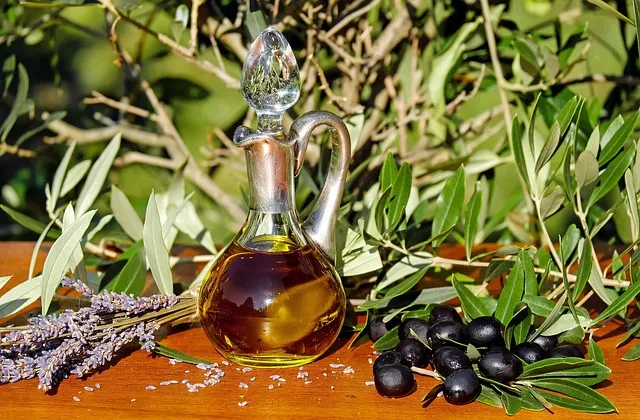
Factor 1: Fatty acid composition. Oils are some mix of saturated fatty acids, monounsaturated (MUFAs), and polyunsaturated (PUFAs). The health implications get debated endlessly, but the chemical stability hierarchy isn’t: saturated fats are most stable (fully saturated with hydrogen, no double bonds to oxidize), MUFAs have one double bond and are moderately stable, PUFAs have several and are highly reactive. More double bonds, more vulnerable to oxidation — during processing and during cooking both.
Factor 2: Omega-6 to omega-3 ratio. Among PUFAs, the balance between omega-6 (mostly linoleic acid in plant oils) and omega-3 matters a lot for inflammation. Omega-6 converts into arachidonic acid and pro-inflammatory eicosanoids; omega-3 converts into anti-inflammatory resolvins and protectins. The ancestral human diet ran roughly 1:1 to 4:1 omega-6 to omega-3. The modern Western diet, driven by the flood of high-linoleic seed oils, has pushed that to somewhere around 15:1 to 20:1 — a dramatically pro-inflammatory fat balance that tracks suspiciously well with the rise of chronic inflammatory conditions across the 20th century.
Factor 3: Smoke point and oxidative stability. Every oil has a temperature above which it starts oxidizing rapidly, throwing off free radicals, aldehydes, trans fats, and other breakdown products. Smoke point — the temperature where visible smoke appears — is a rough proxy, but the more useful measure is the oxidative stability index (OSI): how long an oil resists oxidation at a given temperature. High-PUFA oils have low OSI. High-saturated or high-MUFA oils have high OSI. Cook with a low-OSI oil at high heat and you’re generating oxidation products you then eat, adding oxidative burden rather than reducing it.
Factor 4: Processing quality. Industrial seed oil extraction uses hexane — a petrochemical solvent — plus high heat, bleaching agents, and deodorizers, the last one required because the oxidation byproducts from processing smell bad enough to need masking. What you end up with is nutritionally and chemically different from what cold-pressing the same seed would produce. Cold-pressed oils retain more bioactive compounds — tocopherols, polyphenols — and carry less processing-generated oxidation debris. This processing gap matters, though it matters more for some oils than others.
The Oil Selection Protocol: Ranked From Best to Worst
Tier 1: Extra virgin olive oil (EVOO)
Extra virgin olive oil is the most evidence-backed cooking fat on the planet. It’s the central fat of the Mediterranean diet — the most studied dietary pattern in nutritional epidemiology, with the most consistent outcome data behind it. The PREDIMED study, a large Spanish RCT, found the Mediterranean diet supplemented with EVOO (1 liter a week) cut major cardiovascular events by roughly 30% versus a low-fat control diet.
EVOO runs 70-80% oleic acid, a MUFA, with a favorable omega-6 to omega-3 ratio and over 30 distinct polyphenols — oleocanthal (which shares anti-inflammatory mechanisms with ibuprofen), oleuropein, hydroxytyrosol, squalene. These are concentrated in extra virgin grades and largely stripped out of refined olive oil — the distinction genuinely matters. That’s also why higher-polyphenol EVOO has a peppery, slightly bitter bite: that’s the oleocanthal talking. Flat, tasteless “olive oil” has had those compounds refined away.
Contrary to popular belief, EVOO handles moderate cooking temperatures fine. Its smoke point — roughly 375-410°F for good-quality EVOO — and high OSI make it stable for typical home cooking. Not for sustained deep frying at high heat, but for sautéing, roasting, moderate-heat cooking, it’s both appropriate and beneficial. Use it liberally. Buy the best you can afford, and use it up within 3-4 months of opening.
Tier 1: Avocado oil (cold-pressed, unrefined)
Avocado oil has one of the highest smoke points of any cooking oil — roughly 520°F refined, 375-400°F unrefined — which makes it suitable for high-heat cooking, searing, and stir-frying where EVOO isn’t ideal. Like olive oil, it’s around 70% oleic acid with similar MUFA-driven stability. Polyphenol content is lower than EVOO but still meaningful in unrefined, cold-pressed versions. Its main practical advantage over EVOO is the high smoke point and neutral flavor, useful anywhere olive oil’s taste would be unwelcome.
Tier 1: Coconut oil (virgin, unrefined)
Coconut oil is roughly 90% saturated fat, making it the most oxidatively stable cooking fat available, period. The main saturated fatty acids — lauric, myristic, caprylic — are medium-chain fats metabolized differently from long-chain saturated fats, with faster hepatic oxidation and meaningful MCT content. Its cardiovascular effects are genuinely contested: saturated fat raises LDL-C, but it also raises HDL-C, and the LDL it produces skews toward large buoyant particles, the less atherogenic subtype, rather than small dense LDL. The best use case is high-heat cooking, where its stability is the dominant factor and its flavor profile fits.
Tier 2: Grass-fed butter and ghee
Grass-fed butter runs about 4-5% conjugated linoleic acid (CLA), with demonstrated anti-inflammatory and anti-carcinogenic properties in animal and some human studies. It also carries vitamin K2 (menaquinone-4), largely absent from grain-fed dairy fat, and a better omega-6 to omega-3 balance than grain-fed butter. Ghee — clarified butter, milk solids removed — has a higher smoke point than butter (roughly 450°F versus 300-350°F) and suits higher-heat cooking. Butter and ghee land in Tier 2 rather than Tier 1 mainly because they lack EVOO’s and avocado oil’s polyphenol content — excellent fats, just less nutritionally comprehensive.
Tier 3: Sesame oil (for finishing/low-heat only)
Sesame oil is rich in lignans — sesamin, sesamolin — with antioxidant and anti-inflammatory properties, and a reasonably balanced fatty acid profile of roughly 45% MUFA, 40% PUFA, 15% saturated. The PUFA content makes it less stable at high heat, so it’s best as a finishing oil or in low-temperature dressings and sauces, where the distinctive flavor is an asset rather than a liability. Not suited to high-heat cooking despite common use that way in Asian cuisine — the traditional applications ran at lower temperatures than a modern wok session.
Tier 4: Refined olive oil, high-oleic sunflower/safflower oil
Refined olive oil and high-oleic sunflower or safflower have similar MUFA-heavy fatty acid profiles to EVOO minus the polyphenols. They’re metabolically neutral cooking fats — fine, functional, without the anti-inflammatory upside of their extra-virgin or unrefined counterparts. Acceptable when EVOO or avocado oil is cost-prohibitive, but functionally inferior to the extra virgin options.
Tier 5: Canola oil (highly refined), generic “vegetable oil”
This is where James’s pantry oil lived. Canola, soybean, corn, sunflower, safflower (standard, not high-oleic), and cottonseed oils are all high in linoleic acid (omega-6 PUFA), processed with hexane extraction, and refined at high temperatures. That processing generates real quantities of oxidized lipids — trans fats and cytotoxic aldehyde compounds like 4-hydroxynonenal (4-HNE) and malondialdehyde, formed during industrial processing and then generated further during home cooking at elevated heat.
The 4-HNE research is genuinely concerning. It’s a highly reactive aldehyde that forms covalent adducts with proteins, DNA, and lipids, triggering oxidative stress and inflammatory cascades. It’s turned up elevated in Alzheimer’s brain tissue and has been implicated in atherosclerosis and carcinogenesis. Martin Grootveld’s group at De Montfort University found sunflower oil heated to frying temperatures produced 4-HNE concentrations 100-200 times higher than WHO safety guidelines per serving consumed. Not hypothetical risks. Measurable consequences of heating unstable oils.
The History of Vegetable Oil: How We Got Here
The dominance of industrial seed oils in the modern food supply is a product of 20th-century agricultural economics and public health policy, not nutritional science. Understanding that history explains both how we got here and why reversing it takes an intentional choice rather than a default one.
Before industrialization, cooking fats were primarily animal fats — lard, tallow, butter, schmaltz — olive oil in Mediterranean regions, coconut and palm oil in the tropics. These were produced through simple physical processes — rendering, pressing, churning — that kept the natural fatty acid composition and polyphenol content intact. They were the cooking fats of essentially all of human history before the 20th century.
The vegetable oil revolution kicked off in earnest in the early 20th century with hydrogenation technology, which converted liquid vegetable oils into solid fats like Crisco, and the expansion of industrial seed oil extraction. The economic logic was powerful: soybeans, corn, sunflower, and cotton were grown at massive scale for their primary products — animal feed, sugar, fiber — and the leftover seeds could be pressed for oil that would otherwise be waste. Industrial processing turned agricultural byproducts into a valuable food category almost overnight.
The nutritional rationale came later, developed through the 1950s-70s around the diet-heart hypothesis championed by Ancel Keys. His correlation between dietary saturated fat and heart disease in the “Seven Countries Study” — later criticized for cherry-picking countries that fit the hypothesis — became the foundation for official recommendations to swap saturated animal fats for polyunsaturated vegetable oils. The American Heart Association endorsed vegetable oil over butter in 1961. The food industry, with strong economic incentives to sell vegetable oils, heavily funded research supporting the dietary fat-heart disease connection.
The result was a massive population-level dietary experiment: swapping traditional cooking fats for industrial seed oils. US soybean oil consumption rose roughly 1,000-fold between 1909 and 1999, from 0.006 pounds per capita to 24 pounds. The linoleic-to-alpha-linolenic ratio in the American food supply rose from roughly 6:1 in 1909 to roughly 25:1 by century’s end. That’s not a gradual evolutionary shift. It’s a radical alteration of the food supply’s fat composition inside a single lifetime — and the chronic disease trajectory since 1960 is the population-level outcome of that experiment.
Oxidation During Cooking: What Actually Happens at Heat
- Sunflower oil produced the highest aldehyde levels — 100-fold more than butter at the same temperature.
- Extra virgin olive oil produced substantially lower aldehyde concentrations than every high-PUFA oil tested, despite a lower smoke point than some seed oils.
- Coconut oil and butter produced the lowest aldehyde levels of anything tested.
- Canola oil landed in the middle — better than sunflower, worse than olive oil and butter.
The most practical consideration in oil selection is what happens to its chemical structure under heat — because cooking transforms oils in ways their room-temperature nutritional profile doesn’t predict.
Heat an oil past its oxidative stability threshold and several categories of harmful compounds form. Polar compounds — oxidized lipid derivatives — increase with heating time and temperature. Aldehydes, particularly the alkenals and alkanals from omega-6 PUFA oxidation, form rapidly at frying temperatures. Cyclic fatty acid monomers form through thermal polymerization. Acrolein forms from glycerol breakdown and is a potent respiratory irritant and possible carcinogen. That mixture is what you and your family inhale as cooking fumes and ingest as part of every fried or sautéed meal.
How much of this forms varies dramatically by oil type. A 2018 Journal of Food Chemistry study comparing oils heated to 180°C for 6 hours — simulating extended frying — found:
The pattern tracks the oxidative stability hierarchy exactly: saturated-dominant fats (coconut, butter) are most stable, MUFA-dominant fats (olive, avocado) are intermediate and more stable than their smoke points would suggest, and high-PUFA fats (sunflower, corn, soybean) are the worst performers under heat, full stop.
This has direct implications for how you cook. Stir-frying with sunflower oil in a screaming-hot wok — a common method in home and restaurant kitchens alike — generates substantial aldehyde exposure through the cooking fumes alone. Switching to avocado oil or refined coconut oil for the same technique measurably cuts the oxidation product load without changing anything about the cooking method itself. The benefit is invisible in the moment. It accumulates meaningfully over years of daily cooking.
The Linoleic Acid Question: What the Evidence Actually Shows
The most contentious claim in current cooking oil discourse is that linoleic acid — the dominant omega-6 PUFA in seed oils — directly drives chronic disease through its incorporation into cell membranes and phospholipids, its competition with omega-3s for shared metabolic enzymes, and the formation of oxidized lipid byproducts.
The hypothesis, championed most prominently by researchers like Tucker Goodrich and Paul Saladino, runs roughly like this: linoleic acid from seed oils integrates into adipose tissue, cell membranes, and LDL particles, where it’s vulnerable to oxidation; oxidized linoleic acid metabolites (OXLAMs) are pro-inflammatory and cytotoxic; the dramatic rise in seed oil consumption since 1909 tracks closely with the rise in obesity, cardiovascular disease, and metabolic disease; and ancestral human fat intake was dominated by saturated and monounsaturated fats with minimal linoleic acid.
The counterevidence, from controlled feeding trials: swapping saturated fat for polyunsaturated fat — seed oils included — in randomized controlled trials consistently lowers LDL cholesterol, and in some trials reduces cardiovascular events. The largest, most rigorous of these — PREDIMED, the Lyon Diet Heart Study, and multiple meta-analyses — show cardiovascular benefit from PUFA substitution for saturated fat. That’s the evidence base behind official guidelines recommending seed oils over saturated fats.
The likely resolution: both bodies of evidence may be partly right. Unoxidized linoleic acid from minimally processed, moderate-heat seed oils may be cardiovascularly neutral to beneficial. Oxidized linoleic acid from high-temperature processing and cooking of unstable high-PUFA oils generates genuinely toxic metabolites — a real concern. The relevant variable is oxidation status, not linoleic acid itself. Which is exactly why processing quality and cooking temperature matter so much — a cold-pressed, never-heated high-PUFA oil is a chemically different substance than the same oil after industrial processing and high-heat frying.
Restaurant Cooking: The Unseen Oil Problem
One dimension of the cooking oil conversation home-kitchen focus tends to miss entirely: restaurant cooking, where most meals eaten outside the home happen, and where oil quality practices are systematically worse than even the average home pantry.
Commercial restaurant kitchens use high-oleic or conventional seed oils almost universally, chosen mostly on cost and smoke point. The oil in a fast-casual fryer is typically a soybean-corn-canola blend — the cheapest option that meets performance requirements. What matters more than the oil’s identity is how long it’s been in use: commercial fryer oil typically stays in service for days to weeks before replacement, and repeated heating cycles dramatically raise its polar compound and aldehyde content. Oil that’s been through dozens of frying cycles is a fundamentally different substance, oxidation-wise, than fresh oil.
This isn’t a restaurant-condemning argument. It’s a frequency argument. Eating restaurant food twice a week exposes you to modest accumulated oxidized lipid intake. Eating it twice a day significantly increases that exposure. The practical levers: cooking at home with quality oils is the direct one; cutting restaurant meal frequency is secondary; choosing restaurants that use higher-quality oils — increasingly, upscale places specify olive or avocado oil — is tertiary.
The food categories with the worst oxidized lipid burden at restaurants are fried foods — french fries, fried chicken, fried fish — cooked in commercial fryers with repeatedly heated seed oils. Grilled items, steamed items, dishes where the cooking fat is fresh and applied to order have substantially lower oxidized lipid content. What you order within a restaurant affects your oxidation exposure about as much as which restaurant you pick.
Reading Oil Labels: What the Marketing Doesn’t Tell You
Oil labeling is regulated but creates significant consumer confusion through claims that are technically accurate and meaningfully misleading at the same time.
“Cold pressed” — refers to a pressing process without added external heat beyond what’s generated mechanically. But “cold-pressed” canola oil is often still hexane-extracted in industrial processes that call themselves cold-pressed because the initial mechanical pressing stage doesn’t add outside heat, even when subsequent extraction uses solvents. For olive oil, “cold-pressed” or “cold-extracted” is a meaningful quality marker because it means pressing temperature stayed under 27°C. For seed oils, the term is a lot less reliable.
“Expeller pressed” — mechanical pressing without hexane extraction, which is genuinely meaningful for seed oils. Expeller-pressed canola hasn’t been hexane-extracted, though it may still be refined, bleached, and deodorized at high heat afterward. Better than conventional hexane-extracted oil. Not equivalent to an unrefined cold-pressed product.
“Extra virgin” — for olive oil, this is a legally defined standard with specific chemical parameters (acidity, peroxide value, polyphenol content) and sensory requirements (no defects). It’s the most meaningful grade distinction olive oil has. There’s no equivalent standard for most other oils — “extra virgin avocado oil” exists as a marketing term but lacks the regulatory definition EVOO carries.
“Non-GMO” and “organic” — these address agricultural practices, not processing quality. An organic, non-GMO sunflower oil that’s been industrially refined and deodorized is essentially the same product, nutritionally, as its conventional counterpart. These labels matter more for environmental and ethical reasons than for the nutritional quality of what you’re actually consuming.
“High-oleic” — a genuine quality indicator for sunflower, safflower, and soybean oils. High-oleic varieties are bred to contain 70-85% oleic acid rather than the standard 25-40%. High-oleic sunflower has an oxidative stability profile much closer to olive oil than standard sunflower, and is meaningfully better for cooking. When seed oils are unavoidable — food service contexts, specific product applications — “high-oleic” versions are a real improvement.
Practical Implementation: The Oil Pantry Overhaul
Based on all of that, here’s the practical approach to fixing your cooking oil selection.
- Primary oil for most cooking: Extra virgin olive oil. Use it for sautéing, roasting under 400°F, salad dressings, marinades, and finishing. Buy the highest-polyphenol EVOO you can find — look for a harvest date (not just a bottling date, which can trail the harvest by years), country of origin (single-origin Spanish, Greek, or Italian EVOOs typically run higher polyphenol than blended international ones), and dark glass or tin packaging to block light oxidation.
- High-heat cooking: Avocado oil or ghee. For searing meat, high-temperature stir-frying, or anything above 400°F needing a neutral flavor, avocado oil’s high smoke point and stability make it the pick. Ghee works well for medium-high heat and adds flavor on top.
- Baking: Coconut oil (solid) or butter for recipes needing solid fat; avocado oil for liquid fat applications. Both are stable enough for typical oven temperatures.
- Eliminate from the pantry: Generic vegetable oil blends, standard canola, sunflower, safflower, corn, soybean, and cottonseed oils. Minimal nutritional upside, highest oxidation risk. The cost savings versus olive or avocado oil are minor next to the quality gap.
- Storage: All oils oxidize with light, heat, and air exposure. Store in dark glass or tin, away from the stove — most people store oils right next to the burner, which is the worst possible spot. Refrigerate EVOO if it won’t get used within 3 months. Smell oils before using — oxidized oil has a distinct “off” smell, and rancid oil should just go in the trash.
What People Ask About Cooking Oils
Q: Is olive oil really safe to cook with at high heat?
A: At typical home cooking temperatures (300-400°F), yes — high-quality EVOO is more stable than most people believe. A 2018 study in ACTA Scientific Nutritional Health by Deol et al. compared eight cooking oils at 180°C (356°F) for a simulated deep-frying duration and found extra virgin olive oil produced the lowest levels of harmful polar compounds — beating coconut oil, lard, and rice bran oil. The polyphenols in EVOO act as antioxidants protecting the oil from oxidation at moderate heat. The “don’t heat olive oil” advice was built on smoke point measurements that don’t reflect real oxidative stability — EVOO performs better at normal cooking temperatures than its middling smoke point suggests. For sustained high-heat deep frying, avocado oil or refined coconut oil are better. For everything else, EVOO is fine.
Q: Is canola oil really that bad?
A: High-quality cold-pressed or expeller-pressed canola, used at moderate temperatures without extensive frying, isn’t as bad as the “seed oils are toxic” narrative claims. The concern with canola is mainly industrial refining, which generates significant oxidation products, plus high-temperature use of a PUFA-rich oil. Swapping refined, industrially processed canola for cold-pressed canola at moderate temperatures reduces but doesn’t eliminate the linoleic acid load. For most people looking for a meaningful upgrade, swapping canola for EVOO or avocado oil is a clear win regardless of which specific concern about canola you find most compelling.
Q: What about butter versus margarine?
A: The margarine-over-butter recommendation was one of the great nutritional policy errors of the 20th century. Stick margarine was made with partially hydrogenated vegetable oils high in trans fats — far more harmful to cardiovascular health than the saturated fat they replaced. Trans fats from partially hydrogenated oils raise LDL and lower HDL simultaneously, uniquely bad compared to any natural fat. Grass-fed butter is unambiguously superior to stick margarine. Soft margarine made with fully hydrogenated oils (not partially hydrogenated) is relatively trans-free, but still nutritionally inferior to butter for the reasons already covered.
Q: Should I avoid fat entirely to lose weight?
A: Nutrition science has largely abandoned dietary fat reduction as a weight-loss strategy, after decades of clinical trial failures. The low-fat era, roughly 1980s to 2000s, corresponded with a dramatic rise in obesity — partly because fat got replaced with refined carbohydrates instead. Fat from quality sources — EVOO, avocado, nuts, fatty fish — is satiating, supports absorption of fat-soluble vitamins A, D, E, and K, and shows up favorably across the research literature. The fear of dietary fat that pushed James from butter to canola in the first place rested on an evidence base that’s since been substantially revised. Fear of quality fat isn’t supported by where the science actually stands now.
Q: What’s the best oil for cold applications like salad dressings?
A: Extra virgin olive oil, clearly, for salad dressings, dips, drizzled finishes, and anything uncooked. The polyphenols stay fully intact when the oil isn’t heated, making cold EVOO the highest-polyphenol fat delivery you’ll get. Where olive oil’s flavor doesn’t fit the recipe, cold-pressed avocado oil or walnut oil (for salads specifically — walnut oil brings alpha-linolenic acid and a favorable omega ratio) are good substitutes. Flaxseed oil has the highest omega-3 content of any oil available but a short shelf life and rapid oxidation — best kept to small doses in cold applications, never heated.
Q: Does cooking in oil make food significantly higher in fat?
A: Depends on the method. Sautéing with 1-2 tablespoons of oil adds 120-240 calories of fat spread across the whole dish. Shallow frying — enough oil to cover the pan bottom — adds a bit more. Deep frying adds significantly more, because the food is submerged and oil absorption is maximized — a single deep-fried serving can absorb 2-6 tablespoons depending on the food’s porosity, surface area, and frying time. The fat-content concern about cooking oils is much more relevant to deep frying than typical sautéing or roasting. At reasonable quantities with quality oils, the fat contribution of cooking oil in normal home cooking is modest relative to the rest of the meal, and comes bundled with beneficial fatty acids, polyphenols, and fat-soluble vitamins — not a reason to avoid oil.
Q: What’s the healthiest option at the grocery store when I can’t find specialty oils?
A: Most supermarkets carry EVOO and at least one avocado oil brand. If quality matters and specialty brands aren’t around, California Olive Ranch EVOO, Kirkland (Costco) EVOO, and Chosen Foods avocado oil are reliably decent options for the price. The single most important change for anyone starting from a standard pantry stocked with canola or vegetable oil blend is simply swapping it out for any EVOO or avocado oil — even an imperfect supermarket EVOO is a meaningful upgrade over a refined, high-PUFA seed oil for everyday cooking.
What James Changed
James cleared out the vegetable oil blends and the big canola container. He restocked with a good bottle of cold-pressed extra virgin olive oil for general cooking, avocado oil for high-heat applications, and a container of grass-fed ghee. His wife’s grass-fed butter came out of the back of the fridge, where it had been demoted in favor of the vegetable oil blends for years.
The cost difference was modest. The olive oil ran more per bottle but got used in smaller quantities than the canola had, so the per-meal cost landed roughly the same. No dietary restriction required. No calorie counting. No change to any other part of his diet. He just replaced the primary fat inputs with better ones.
Three months later he had his annual blood work done. Triglycerides had dropped — consistent with higher MUFA intake and lower omega-6 load. HDL had ticked up modestly. His oxidative stress markers (F2-isoprostanes, added to the panel because he’d asked after reading the research) came in lower than the previous year. None of it dramatic. But all of it in the right direction, off a single, practical dietary adjustment that took no willpower, no restriction, and barely any extra spending.
The oil in your pantry isn’t a trivial variable. It’s the fat medium for nearly everything you cook, consumed daily in accumulated quantities across years and decades. Fixing it is among the highest-impact nutritional changes available to most people — because the change is permanent, effortless after the initial switch, and works quietly on your cellular health in every meal, every day, without asking for any ongoing discipline beyond buying the right bottle.
The dietary fat framework that dominated from 1960 to 2010 — replace saturated fat with polyunsaturated, use vegetable oils — was built on a specific interpretation of cardiovascular risk that’s since been substantially revised by Mendelian randomization studies, controlled feeding trials, and the failure of low-fat recommendations to deliver the cardiovascular outcomes they promised. The nutritional science has moved. The pantry should follow. James moved his pantry first. His blood work followed after.
The cooking oil swap is one of the few nutritional changes that requires no willpower, no dietary restriction, no calorie counting, and no lifestyle adjustment. You simply buy different bottles. The downstream effects on oxidative stress, inflammatory signaling, and cellular membrane composition accrue silently over months and years. Most people won’t notice a dramatic change in how they feel. The change is happening at a level below daily conscious experience — in lipid oxidation products not forming, in omega-3/6 ratios slowly improving, in polyphenols doing their anti-inflammatory work meal after meal. It’s unglamorous. It works.
The Practical Framework: Applying Cooking Oils Ranked In Real Life
References
Editorial StandardsCorrectionsMedical DisclaimerAbout Our ContentAffiliate DisclosureSite Map