
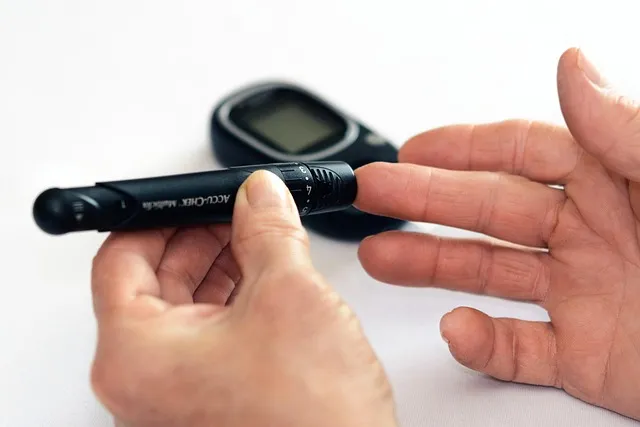
Sophie finally got a continuous glucose monitor in her late thirties, mostly out of curiosity. She was healthy by conventional metrics — no diabetes in the family, normal fasting glucose at her annual physical, BMI in range. She expected to confirm what she assumed: her blood sugar was fine.
What she found instead was disturbing. After her usual morning bowl of oatmeal with honey, her glucose shot from 85 to 187 and stayed elevated for nearly two hours. A lunchtime sandwich spiked her to 162. A glass of orange juice in the afternoon — something she’d always thought of as healthy — pushed her to 178. She was spending hours each day in glucose territory that, sustained chronically, would be classified as prediabetic.
She wasn’t prediabetic by conventional testing. Her HbA1c — an average over three months — was 5.3%, well within normal range. But the CGM revealed what the quarterly average concealed: she was spending a significant portion of her day at glucose levels that inflame arteries, accelerate cellular aging, and drive insulin resistance. The problem was hiding in plain sight, masked by the mathematics of averaging.
What Happens During a Blood Sugar Spike
When you eat carbohydrates, they’re broken down into glucose in the small intestine and absorbed into the bloodstream. Normally, this process produces a modest, temporary rise in blood glucose — peaking around 100-120 mg/dL within 30-60 minutes for a metabolically healthy person, then returning to baseline within 90-120 minutes. The pancreas releases insulin in response, cells take up glucose, and the system returns to equilibrium.
A blood sugar spike is a deviation from this normal pattern: glucose rises rapidly to 140 mg/dL or higher after a meal, sometimes reaching 180-200 mg/dL or beyond. At these concentrations, several harmful processes are activated.
Glycation — the non-enzymatic reaction of glucose with proteins and fats — accelerates at elevated glucose concentrations. This produces advanced glycation end products (AGEs) that accumulate in tissues, stiffening collagen, damaging vascular endothelium, and contributing to the accelerated aging of everything from arteries to skin. The glycation reaction is essentially irreversible at the cellular level — AGEs don’t get cleaned up efficiently — which is why cumulative glucose exposure over years is so damaging.
Oxidative stress also spikes after large glucose elevations. The sudden glucose flood generates excess reactive oxygen species (free radicals) that damage cellular components, including mitochondrial DNA and the endothelial cells lining blood vessels. Studies have shown that a single large glucose spike increases inflammatory markers and endothelial dysfunction markers comparably to sustained hyperglycemia, suggesting that the peaks, not just the averages, drive vascular damage.
The insulin response to a large spike is proportionally large. Repeated large insulin responses drive insulin receptor downregulation over time — contributing to progressive insulin resistance. And the crash that follows a large spike (reactive hypoglycemia) — when blood sugar drops below baseline after the insulin response is disproportionate — drives hunger, food cravings, energy dips, and the impulse to eat again, perpetuating the cycle.
CGM Evidence: The Shukla 2015 Food Order Study
One of the most practical and actionable findings in glucose metabolism research came from a 2015 study by Shukla and colleagues at Weill Cornell Medicine. The study used continuous glucose monitoring in people with type 2 diabetes to examine a deceptively simple question: does the order in which you eat different components of a meal affect postprandial glucose response?
The answer was stark. When participants ate carbohydrates last — after consuming vegetables and protein at the beginning of the meal — their postprandial glucose peak was reduced by 29% compared to eating carbohydrates first, even with identical total caloric and macronutrient intake. The insulin response was correspondingly reduced. The difference was not marginal; it was a nearly one-third reduction in glucose spike from a zero-cost behavioral change.
A 2019 follow-up study by the same group expanded the finding to healthy, non-diabetic people and confirmed the effect: eating vegetables and protein before carbohydrates reduced postprandial glucose excursions by approximately 36-38% compared to eating carbohydrates first, and reduced insulin excursions by 31%.
The mechanism is multiple. Protein and fat consumed before carbohydrates stimulate the release of gut hormones (GIP, GLP-1) that slow gastric emptying, delaying carbohydrate entry into the small intestine and smoothing the absorption curve. Protein also stimulates early insulin secretion, which primes the insulin response before glucose actually rises. And consuming vegetables first delivers fiber to the small intestine before carbohydrates arrive, physically slowing carbohydrate digestion and absorption through viscous fiber effects on intestinal contents.
The practical implication of the food order finding is significant because it requires no change in what you eat — only when within a meal you eat it. Start meals with salad, vegetables, or protein. Eat the bread, rice, or pasta last. The glucose profile of an identical meal is dramatically different depending on this sequence.
Apple Cider Vinegar: The Mechanism Behind the Trend
Apple cider vinegar as a blood sugar management tool has received enough wellness-community enthusiasm that it’s easy to dismiss it as another internet remedy. But it has legitimate research support and a clear mechanism that explains why it works.
Acetic acid — the primary bioactive in vinegar — inhibits amylase and sucrase, the digestive enzymes that break down starches and sucrose into absorbable glucose. By partially inhibiting these enzymes, vinegar slows carbohydrate digestion and reduces the rate of glucose absorption from the small intestine. It also appears to increase muscle glucose uptake by activating AMPK, a cellular energy sensor that promotes glucose transport into cells independently of insulin.
A 1995 study in the European Journal of Clinical Nutrition found that adding vinegar to a bread meal reduced the postprandial glucose response by approximately 31% and reduced the insulin response by 23% compared to the same meal without vinegar. Multiple subsequent studies have confirmed this effect, with reductions in postprandial glucose spikes typically in the 20-35% range across different populations and meal types.
The dosing protocol that has shown effects in clinical studies: 1-2 tablespoons of apple cider vinegar diluted in a large glass of water, consumed 15-30 minutes before the meal or at the start of the meal. Dilution is important — undiluted vinegar applied directly to teeth enamel regularly can erode it over time. The acidity that makes vinegar effective metabolically is also the acidity that makes it potentially caustic to dental enamel and esophageal tissue at high concentrations. Dilute it, or consume it in salad dressings and sauces rather than as a straight shot.
A note on realistic expectations: vinegar meaningfully blunts glucose spikes, but it doesn’t prevent them entirely or make unlimited high-glycemic eating consequence-free. It’s a modifier, not a free pass. Its most useful application is for meals where carbohydrate content is hard to control — restaurants, social situations, travel — where it provides a risk reduction tool when optimal food choices aren’t available.
Walking After Meals: The Most Underrated Intervention
Muscle contraction is one of the most potent insulin-independent pathways for blood sugar clearance. During exercise, skeletal muscle activates GLUT4 transporters independently of insulin — meaning glucose can enter muscle cells directly, without requiring insulin as the mediating signal. This is why exercise is so effective for blood sugar management even in people with significant insulin resistance: it bypasses the impaired insulin signaling pathway entirely.
A 2022 systematic review and meta-analysis in Sports Medicine found that a brief walk (even 2-5 minutes) after meals significantly reduced postprandial blood sugar compared to sitting still, with the effect being substantially larger for post-meal walking than for the same duration of continuous stationary exercise before meals. The timing of the walk relative to the glucose peak matters: research from New Zealand found that 10-minute walks starting 30 minutes after a meal — coinciding with the typical glucose peak — reduced postprandial excursions by approximately 37% compared to a single 30-minute walk at another time of day.
This is one of the few blood sugar interventions with an effect size comparable to medication but with zero cost and abundant additional benefits. A 10-minute post-meal walk requires no equipment, no scheduling around gym hours, and no recovery. It’s accessible to virtually everyone regardless of fitness level, and the three daily opportunities (after breakfast, lunch, and dinner) add up to thirty minutes of walking daily if consistently implemented.
The specific timing window (30 minutes post-meal) is worth noting. Walking immediately after eating doesn’t eliminate the glucose spike — gastric emptying and initial absorption are already in progress. Walking during the peak absorption window, roughly 30-60 minutes after a meal, actively clears glucose that has already entered the bloodstream through muscle glucose uptake. The difference between a walk that starts 5 minutes after eating versus one that starts 30 minutes after eating is meaningful.
Fiber’s Role in Blunting Glucose Absorption

The effect size varies by fiber type and dose. Beta-glucan (from oats and barley), psyllium husk, and pectin (from fruits and legumes) produce the largest reductions in postprandial glucose — typically 25-50% reductions in glucose area under the curve compared to the same carbohydrates without fiber. Insoluble fiber (cellulose from most vegetables) has smaller effects on glucose absorption specifically but contributes to overall dietary quality and gut microbiome health.
The practical implication: always pair carbohydrates with fiber. A slice of white bread produces a different glucose response when consumed alongside a fiber-rich salad than when consumed alone. Brown rice produces a different response than white rice, not primarily because of the modest glycemic index difference, but because whole grains contain the fiber structure that white rice processing removes. Legumes — beans, lentils, chickpeas — are among the most powerful blood sugar management foods available because they deliver substantial carbohydrate alongside both soluble and insoluble fiber, resistant starch, and protein, all of which blunt the glycemic response.
The sequencing rule from the Shukla research amplifies the fiber effect: eating vegetables and legumes first before carbohydrate-dense foods gets the fiber into the intestine early while simultaneously following the food order protocol — a double dose of glucose spike prevention from a single behavioral change.
Protein and Fat: The Buffer Nutrients
Protein and fat in a meal blunt postprandial glucose through multiple overlapping mechanisms. Understanding these mechanisms explains why meal composition matters as much as carbohydrate quantity.
Protein stimulates the secretion of GLP-1 (glucagon-like peptide 1) from intestinal L cells. GLP-1 slows gastric emptying (reducing the rate at which carbohydrates enter the intestine), stimulates insulin secretion in a glucose-dependent manner, and inhibits glucagon secretion (which would otherwise raise blood sugar). Protein also stimulates early-phase insulin release, priming the insulin response before carbohydrates arrive. The net effect of eating protein before or alongside carbohydrates is a slower, flatter glucose response — the same mechanism pharmaceutical GLP-1 receptor agonists exploit at pharmacological doses.
Fat slows gastric emptying significantly — this is why high-fat meals feel more satiating than low-fat meals of equivalent caloric content, and it’s also why adding fat to carbohydrates (butter on bread, olive oil on pasta) reduces the postprandial glucose spike. However, there’s an important nuance: adding fat to carbohydrates reduces the glucose peak but extends the time course of glucose absorption, resulting in elevated glucose for longer than a fat-free meal. For anyone focused purely on peak glucose height, fat helps. For anyone monitoring total glucose exposure over time (area under the curve), the benefit is more modest.
The most effective meal structure for minimizing glucose spikes combines all three strategies: vegetables and protein first (food order effect), adequate fiber with carbohydrates (absorption slowing), and fat included in the meal (gastric emptying slowing). This is what a traditional Mediterranean meal pattern achieves naturally — salad or vegetables first, protein as the main course, carbohydrates (bread, pasta, legumes) as accompaniments rather than the centerpiece, and olive oil throughout. Not coincidentally, this is also the meal structure associated with the lowest rates of metabolic disease in epidemiological research.
Berberine and Chromium: Supplement Support for Glucose Control
Two compounds with meaningful clinical evidence for blood sugar support deserve mention alongside the behavioral and dietary strategies covered above.
Berberine is an alkaloid found in several plants (goldenseal, barberry, Oregon grape) that has been used in traditional Chinese medicine for centuries and has accumulated significant clinical evidence as a blood sugar management agent. Multiple randomized controlled trials have found berberine at 500mg three times daily comparable to metformin for reducing fasting blood sugar, HbA1c, and postprandial glucose in people with type 2 diabetes. The primary mechanism is AMPK activation — the same pathway activated by exercise — which increases glucose uptake by muscle cells, reduces hepatic glucose production, and improves insulin sensitivity.
A key caveat: berberine inhibits several CYP450 liver enzymes and can interact with medications metabolized through these pathways, including some statins, blood pressure medications, and antibiotics. Anyone taking prescription medications should consult their physician before using berberine at clinical doses (500mg three times daily is the evidence-based dose — lower “wellness” doses are likely insufficient for the trial-demonstrated effects).
Chromium is an essential trace mineral required for normal insulin receptor function. Chromium potentiates insulin signaling by binding to chromodulin (an insulin receptor signaling protein), and deficiency impairs glucose tolerance. Multiple clinical trials have found chromium supplementation (200-1000 mcg daily as chromium picolinate) improves insulin sensitivity and reduces postprandial glucose, with effects most pronounced in people who are chromium-insufficient — a common state given that soil chromium depletion has reduced chromium content in food crops over the past century. Chromium is generally safe at supplemental doses and has no known serious adverse effects.
The Glucose Spike Prevention Stack
The framework for minimizing postprandial glucose spikes organizes the available evidence into a layered approach, applying the highest-impact interventions consistently and adding more targeted strategies for specific situations.
Layer 1 — Foundational meal architecture (applies to every meal): Start with vegetables and protein, end with carbohydrates. Include fiber alongside any significant carbohydrate load. Avoid eating carbohydrates in isolation (plain rice, plain bread, plain pasta without protein, fat, or fiber). These changes alone can reduce postprandial glucose peaks by 30-40% for most people without reducing food quantity or enjoyment.
Layer 2 — Post-meal movement (applies to every meal where feasible): A 10-minute walk beginning 30 minutes after meals activates GLUT4-mediated glucose clearance and reduces the postprandial spike by approximately 30-40%. Daily implementation — particularly after the largest carbohydrate-containing meal of the day — provides cumulative metabolic benefit beyond just the glucose management effect.
Layer 3 — Pre-meal preparation (applies to higher-carbohydrate meals): 1-2 tablespoons of apple cider vinegar diluted in water, consumed 15-30 minutes before the meal, reduces the postprandial glucose response through amylase inhibition and AMPK activation. This is particularly useful before meals where carbohydrate content is harder to control (restaurants, social events).
Layer 4 — Targeted supplementation (applies to people with documented glucose management challenges): Chromium at 200-400 mcg daily for insulin receptor support. Berberine at 500mg three times daily (with medical supervision for people on medications) for people with prediabetes or established insulin resistance. Psyllium husk fiber supplement added to meals for people who struggle to achieve adequate dietary fiber from food alone.
Layer 5 — Monitoring and feedback (for people optimizing beyond baseline): A two-week continuous glucose monitor trial reveals specific food-response patterns — the meals that spike disproportionately versus those that don’t, the food combinations that flatten the curve, and the lifestyle variables (sleep, stress, exercise) that affect baseline glucose response independent of diet. This feedback loop transforms abstract nutritional advice into personalized behavioral guidance.
Blood Sugar Spikes Q&A
- What blood sugar level is considered a “spike”? The conventional clinical threshold is a postprandial glucose above 140 mg/dL at the one-hour or two-hour mark. However, emerging CGM research suggests that even excursions above 120-130 mg/dL, particularly if frequent and prolonged, are associated with increased inflammatory markers and accelerated vascular aging. Optimal peak postprandial glucose in a metabolically healthy person is below 110-120 mg/dL. The goal is not zero response to food — some glucose rise is normal and expected — but to minimize the frequency and magnitude of excursions above these thresholds.
- Does it matter how quickly blood sugar comes back down after a spike? Yes. Prolonged glucose elevation (a slow return to baseline) is associated with more cumulative glycation and oxidative stress than a sharp spike that returns quickly. The shape of the postprandial glucose curve matters: a rapid rise with a quick return is less damaging than a moderate rise that stays elevated for three or four hours. Strategies that accelerate glucose clearance — post-meal exercise, adequate insulin sensitivity — reduce the area under the curve even when the peak is similar.
- Is reactive hypoglycemia (blood sugar crashing after a spike) dangerous? Reactive hypoglycemia — blood sugar dropping below 70 mg/dL after a postprandial spike — causes symptoms including shakiness, sweating, rapid heartbeat, and intense hunger. It’s not dangerous in the short term for most people without diabetes, but it’s a signal of insulin over-response and a common trigger for overeating and afternoon energy crashes. It also indicates significant insulin resistance or carbohydrate sensitivity. Strategies that blunt the spike also prevent the reactive crash, which is one reason addressing blood sugar spikes improves overall energy stability rather than just metabolic markers.
- Do artificial sweeteners affect blood sugar? The research here is mixed and evolving. Artificial sweeteners don’t directly raise blood glucose in the way sugar does. However, some research suggests they may still stimulate insulin secretion (through cephalic-phase insulin release in response to sweet taste), may disrupt gut microbiome composition in ways that secondarily affect glucose metabolism, and may maintain sweet-taste preferences that drive overconsumption of sweet foods generally. The safest interpretation: for blood sugar management, non-caloric sweeteners are better than sugar, but they’re not neutral. Water is the superior alternative for anyone seriously working on glucose management.
- How do different cooking methods affect glycemic response? Food preparation significantly affects glycemic index. Al dente pasta produces a lower glucose response than fully cooked pasta — the physical structure of the starch matters for digestion rate. Cooling and reheating starchy foods (rice, potatoes, pasta) increases resistant starch content, which is not digested in the small intestine and produces a lower glucose response. Overripe fruit has more readily available sugars than underripe fruit. Whole foods in their intact structure produce lower glycemic responses than processed, pureed, or liquefied versions of the same foods. The general principle: less processing and more structural integrity in a food correlates with a lower glycemic response.
- Is it possible to eat carbohydrates without any blood sugar spike? No, and this isn’t the goal. Some postprandial glucose rise is normal, expected, and part of healthy metabolism. The goal is to keep the rise within a healthy range (below 130-140 mg/dL at peak) and ensure it returns to baseline within 90-120 minutes. A completely flat glucose response to a carbohydrate-containing meal would indicate that carbohydrates weren’t being absorbed at all — not a health goal. The strategies in this guide aim to moderate the curve, not eliminate it.
- Does stress cause blood sugar spikes? Yes. Psychological stress triggers cortisol and adrenaline release, both of which raise blood glucose by stimulating hepatic glucose production and reducing peripheral glucose uptake — the fight-or-flight preparation of making energy available rapidly. People who monitor their glucose with CGMs consistently observe that stressful meetings, difficult conversations, or even demanding deadlines can raise blood sugar by 20-40 mg/dL without any food intake. This is one mechanism through which chronic psychological stress drives insulin resistance over time.
- Should everyone use a continuous glucose monitor? CGMs provide information that is unavailable through any other currently accessible technology. For people with established insulin resistance, prediabetes, or diabetes, they are arguably the most useful monitoring tool available. For metabolically healthy people curious about their food responses (Sophie’s situation), a two-to-four-week trial provides highly personalized guidance about which foods, food combinations, and lifestyle factors most significantly affect their glucose. Whether the ongoing cost of continuous monitoring (typically $50-100/month for non-prescription CGMs like Levels or Nutrisense) is justified for long-term use depends on individual goals and circumstances. For anyone seriously optimizing metabolic health, even a single monitoring period is revelatory.
Sophie’s biggest CGM revelation wasn’t the oatmeal spike — it was that a ten-minute walk after her largest meal turned a 165 mg/dL peak into a 122 mg/dL peak. Same meal, same composition. The walk was the only variable. She’d been told to “get more exercise” by her physician for years without understanding that the specific timing of movement relative to eating made the most dramatic difference. Once she understood the mechanism — muscle contraction clearing blood glucose directly, bypassing the insulin pathway — the ten-minute post-dinner walk became automatic. Not a chore. A metabolic tool with a mechanism she understood.
The CGM made Sophie’s problem visible. The behavioral tools in this guide make it solvable. Both matter. You can’t fix what you can’t see, and you can’t see what nobody has told you to look for.
Sleep Deprivation and Blood Sugar: The Night Before Matters
Most people understand intuitively that diet and exercise affect blood sugar. Fewer understand that the night before a meal matters as much as the meal composition itself. Sleep deprivation is one of the most powerful determinants of next-day glucose response, operating through mechanisms that compound the dietary risk factors covered elsewhere in this guide.
A single night of four hours of sleep (versus eight hours) reduces insulin sensitivity in healthy adults by approximately 25-30% the following day, measured directly using euglycemic clamp methodology. This means that on a poor sleep night, the same breakfast that would produce a 115 mg/dL peak might produce a 145 mg/dL peak — not because the food changed, but because the insulin system’s ability to respond to it is impaired.
The mechanisms are multiple: cortisol levels are elevated after insufficient sleep, and cortisol directly antagonizes insulin signaling. Growth hormone secretion patterns are disrupted, affecting overnight glucose metabolism. Sympathetic nervous system activation (the stress response) is elevated with sleep deprivation, raising baseline glucose through hepatic glucose production. And ghrelin rises with sleep deprivation while leptin falls, driving appetite toward high-calorie, high-carbohydrate foods that exacerbate the metabolic problem.
The practical implication: blood sugar management is a 24-hour project, not a mealtime event. The sleep obtained the night before affects every glucose response the following day. Someone sleeping well consistently can tolerate occasional dietary indiscretions without catastrophic metabolic consequences because their insulin response is strong. Someone sleeping consistently poorly is running all their meals through an impaired glucose management system, amplifying the damage of whatever they eat.
Anyone doing everything right with diet and exercise but still seeing poor glucose responses should interrogate sleep before adding more dietary restrictions or supplements. Fix the sleep. Then reassess the glucose picture. The sequence matters.
Exercise Intensity and Glucose Response
Not all exercise produces identical glucose management effects, and understanding the intensity-response relationship allows for more strategic use of exercise as a glucose control tool.
Low-intensity, steady-state exercise (walking, easy cycling, gentle swimming) primarily uses fat as fuel at intensities below 65% of maximum heart rate. At these intensities, glucose uptake by muscle is modestly increased compared to rest, but the primary glucose clearance effect comes from sustained GLUT4 activation over the duration of the session. This is why a 30-minute walk after a meal is effective for glucose management despite its low intensity — the duration and timing compensate for the modest per-minute glucose uptake rate.
Moderate to high-intensity exercise (running, cycling at effort, resistance training) shifts toward greater reliance on glucose as fuel and produces more dramatic acute glucose-lowering effects during and immediately after the session. However, high-intensity exercise — particularly resistance training — also causes transient glucose increases immediately post-session through cortisol and catecholamine release, which stimulate hepatic glucose production. This temporary spike (typically 20-40 mg/dL above baseline, lasting 30-60 minutes) is followed by enhanced insulin sensitivity for 24-48 hours in the muscles worked, producing net metabolic benefits far outweighing the acute post-workout glucose elevation.
The practical framework: post-meal low-intensity movement (walking) is the highest-use single-session glucose management tool. Regular resistance training and moderate cardio provide the structural improvements in insulin sensitivity that make every meal easier to manage. These aren’t alternatives — they serve different mechanisms and produce complementary benefits. Both belong in any serious glucose management protocol.
Individual Variation: Why Your Response Isn’t the Same as Everyone Else’s
One of the most important findings in personalized nutrition research is the degree of individual variation in glucose responses to identical foods. A landmark 2015 study published in Cell by Zeevi and colleagues from the Weizmann Institute in Israel used continuous glucose monitoring in 800 people to measure glucose responses to identical standardized meals. The variation was remarkable: some people spiked dramatically after white bread while showing minimal response to sushi; others had the opposite pattern. The standard glycemic index — which assigns a fixed score to foods based on population averages — was poorly predictive for individual responses.
The sources of this variation are multiple: gut microbiome composition (which varies enormously between individuals and affects carbohydrate fermentation and absorption), insulin secretion capacity and timing, insulin sensitivity at baseline, meal context factors like prior exercise and sleep, and individual differences in gastric emptying rate and intestinal transit time. A food that’s low glycemic index for a population average may be high glycemic index for a specific individual, and no static food list can account for this individual variation.
This is the strongest argument for a brief CGM trial in serious metabolic health optimization. The population-average glycemic index tables that have been promoted for decades are based on valid but aggregate science that tells you what happens on average, not what happens in your body specifically. Two weeks of continuous glucose monitoring reveals personal glycemic responses to actual foods, in actual life, under actual conditions — information that no amount of population-average data can substitute for.
Sophie’s oatmeal spike was a personal finding. Many metabolically healthy people tolerate oatmeal with a modest glucose response. Some, like Sophie, do not. The tool that revealed this is now accessible to non-diabetics through consumer CGM services. The information it provides is among the most actionable metabolic data available — for anyone who takes it seriously and uses it to update eating patterns rather than treating it as abstract curiosity.
Long-Term Blood Sugar Spikes Strategy: Why Preventing Spikes Now Matters Decades Later
The motivation for addressing blood sugar spikes isn’t aesthetic or about how someone feels on any given afternoon — though reducing postprandial crashes does improve daily energy and cognitive function meaningfully. The real stakes are the cumulative effects over decades of either managing glucose responses well or allowing them to inflict steady, progressive damage on tissues that can’t easily repair themselves.
Arterial endothelium — the single-cell layer lining blood vessels — is one of the primary targets of glucose-induced damage. Each spike generates a burst of oxidative stress and inflammatory signaling in these cells. Repeated thousands of times over years, this process accelerates atherosclerotic plaque formation, promotes endothelial dysfunction, and drives the cardiovascular risk that kills more people in the developed world than any other cause. Someone who has been spiking to 170 mg/dL after every meal for twenty years has subjected their endothelium to tens of thousands more oxidative insults than someone who kept postprandial glucose below 120 mg/dL consistently. The difference in arterial age between these two people — invisible at thirty, significant at fifty, potentially decisive at seventy — is entirely attributable to cumulative glucose management.
The same principle applies to the kidneys (glomerular capillaries are highly sensitive to glucose-induced damage), the eyes (diabetic retinopathy begins with capillary damage from chronic glucose elevations), and the peripheral nervous system (diabetic neuropathy follows the same capillary damage pathway). Type 2 diabetes doesn’t create these complications suddenly at the moment of diagnosis — they develop over decades of glucose mismanagement, often before any diagnostic threshold is crossed.
Preventing blood sugar spikes is therefore not a diabetes prevention strategy in the narrow sense of preventing a diagnosis. It’s a strategy for preserving the structural and functional integrity of tissues that carry a person through six, seven, or eight decades of life. The pancreas, the arteries, the kidneys, the eyes, the nerves — they’re all counting on the glucose management decisions made in the thirties and forties being taken seriously, long before any of them are screaming for attention.
The Practical Framework: Applying Blood Sugar Spikes Causes In Real Life
FROM THE LIBRARY ›
References
Editorial StandardsCorrectionsMedical DisclaimerAbout Our ContentAffiliate DisclosureSite Map