
David’s doctor told him his blood sugar was “a little high” and handed him a pamphlet about the Mediterranean diet. The pamphlet was six pages. It mentioned olive oil twice, suggested limiting red meat, and contained a stock photo of someone smiling while eating a salad. David’s fasting glucose was 118. His HbA1c was 6.0%. He was a former college athlete now spending ten hours a day at a desk, sleeping six hours a night, eating lunch from a vending machine, and managing a team of twelve people through a company restructuring.
The pamphlet made its way to the bottom of a drawer. David made no changes. His next blood test, six months later, showed a fasting glucose of 124 and an HbA1c of 6.2%.
He needed a ranked list of specific interventions ordered by how much they actually move the needle, not another pamphlet. He needed to know: if I can only change one thing, what should it be? If I can change three things, which three? If I build out a complete protocol, how do I prioritize what to tackle first, second, and tenth?
The Blood Sugar Control Hierarchy: Methods Ranked by Effect Size
The ranking below is based on clinical trial data measuring the magnitude of blood sugar improvement — reductions in HbA1c, fasting glucose, or postprandial glucose — across the available evidence. Effect sizes are expressed where available as approximate HbA1c reduction from a prediabetic or mildly elevated baseline, which is the most clinically standardized comparison point.
#1 — Exercise (Effect: 0.5-1.0% HbA1c reduction)
Exercise is the single most powerful blood sugar intervention available without medication, and it’s not close. A meta-analysis of 47 randomized controlled trials published in JAMA found that structured exercise reduced HbA1c by an average of 0.67% in people with type 2 diabetes — a magnitude comparable to metformin and significantly exceeding all other single non-pharmaceutical interventions.
The mechanism is irreplaceable: muscle contraction activates GLUT4 glucose transporters independent of insulin, creating a direct pathway for blood sugar clearance that bypasses insulin resistance entirely. Resistance training builds the muscle mass that permanently expands glucose disposal capacity. No supplement or dietary change can replicate the GLUT4 pathway activation that exercise provides.
Optimal protocol: three to five sessions weekly combining aerobic exercise (150 minutes minimum weekly) with resistance training (two to three sessions targeting major muscle groups). Both components contribute independently, with resistance training particularly important for long-term insulin sensitivity through muscle mass preservation. Consistency over years matters more than any single session’s intensity.
#2 — Weight Loss (Effect: 0.3-1.0% HbA1c reduction per 5-10% body weight lost)
Weight loss, particularly the loss of visceral fat, directly reduces insulin resistance through multiple mechanisms: reduced inflammatory adipokine secretion, decreased hepatic fat content, improved insulin receptor density, and reduced caloric load on the insulin response system. The DPP trial showed 16% reduction in diabetes risk per kilogram lost, making this the second most powerful single intervention in prediabetes management after exercise.
The effect size scales with the amount of weight lost. A 5-10% body weight reduction typically produces 0.3-0.6% HbA1c reduction. More aggressive weight loss (15% or more) produces proportionally larger improvements, and in severely obese patients with type 2 diabetes, 15-20% weight loss through intensive dietary intervention can produce complete diabetes remission. The mechanism isn’t exclusive to dramatic weight loss — modest, consistent weight reduction in the 5-10% range produces clinically meaningful metabolic improvements.
#3 — Sleep Optimization (Effect: 0.2-0.5% HbA1c reduction in sleep-deprived populations)
Sleep is the most underrated blood sugar intervention on this list. The mechanism is direct and well-established: sleep deprivation impairs insulin sensitivity within a single night, elevates cortisol (which antagonizes insulin signaling), disrupts circadian glucose metabolism, and drives appetite toward high-calorie foods that compound the metabolic damage. Conversely, restoring adequate sleep (7-9 hours) in a chronically sleep-deprived person produces measurable insulin sensitivity improvements that translate to HbA1c reduction over three months.
The research on sleep and metabolic health puts sleep quality and duration in the same effect-size range as many pharmaceutical interventions for blood sugar management in appropriate populations. Yet it’s never prescribed. It costs nothing. It has no side effects. And it’s being systematically eliminated from modern life by screen time, work demands, and the cultural glorification of insufficient sleep as a productivity feature. Fix the sleep. The blood sugar benefit is real and substantial.
#4 — Dietary Fiber (Effect: 0.2-0.5% HbA1c reduction with significant fiber increase)
Dietary fiber — particularly soluble, viscous fiber — reduces postprandial glucose by slowing carbohydrate digestion and absorption, feeds gut bacteria that produce short-chain fatty acids improving insulin sensitivity, and adds satiety that reduces overall caloric intake. A 2019 Lancet meta-analysis found that the highest dietary fiber consumers had significantly lower rates of type 2 diabetes compared to lowest consumers, with a clear dose-response relationship.
Increasing dietary fiber intake from typical Western levels (15g/day) to recommended levels (30-40g/day) through vegetables, legumes, whole grains, and seeds produces meaningful HbA1c improvements over three to six months. Psyllium husk supplementation (5-10g added to water before meals) is an effective shortcut for people who can’t achieve adequate fiber from food alone, with clinical trial evidence showing 0.2-0.3% HbA1c reduction from supplementation alone.
#5 — Apple Cider Vinegar (Effect: 15-35% reduction in postprandial glucose spikes)
The effect of ACV on HbA1c specifically is modest in most studies (roughly 0.2-0.4% reduction in studies specifically measuring this), but its effect on postprandial glucose spikes is more substantial. Acetic acid inhibits starch-digesting enzymes and activates AMPK, reducing postprandial glucose by 20-35% when consumed with high-carbohydrate meals. Its utility is highest as a mealtime modifier for situations with limited dietary control rather than as a standalone HbA1c-moving intervention.
Dose: 1-2 tablespoons diluted in a large glass of water, consumed 15-30 minutes before a carbohydrate-containing meal. Consistent pre-meal use across all major meals produces cumulative improvement in average glucose exposure that contributes to modest HbA1c reduction. Dilution is non-optional — undiluted vinegar can damage tooth enamel and esophageal tissue.
#6 — Berberine (Effect: 0.5-1.0% HbA1c reduction in prediabetes/T2D)
Berberine is arguably the most pharmacologically potent blood sugar supplement in this list, with multiple RCTs comparing it favorably to metformin for HbA1c reduction in type 2 diabetes patients. Its primary mechanisms are AMPK activation (mimicking exercise’s glucose uptake pathway) and reduced hepatic glucose production. The clinical evidence places it firmly in the prescription-medication effect size range for appropriate populations.
Standard evidence-based dose: 500mg three times daily with meals, titrated up from once daily to reduce initial gastrointestinal side effects (loose stools are common with rapid titration). The caveat about drug interactions — inhibiting CYP450 enzymes and affecting medications metabolized through these pathways — means physician consultation is appropriate for anyone on prescription medications. This isn’t reflexive “consult your doctor” caution; it’s a genuine interaction concern.
#7 — Chromium (Effect: 0.2-0.6% HbA1c reduction in chromium-insufficient populations)
Chromium is an essential trace mineral required for insulin receptor signaling. Chromium picolinate supplementation at 200-1000 mcg daily has shown blood sugar benefits particularly in insulin-resistant or chromium-insufficient populations. The effect size varies significantly by baseline chromium status — people who are chromium-insufficient see larger benefits than people who are replete.
Given widespread soil chromium depletion and the processed nature of Western diets (chromium is concentrated in whole foods, particularly whole grains, meat, and broccoli), chromium insufficiency is more common than clinical deficiency and may explain why some people with otherwise good metabolic habits continue to have glucose management challenges. Chromium supplementation is safe at evidence-based doses (200-600 mcg daily) and inexpensive.
#8 — Cinnamon (Effect: 0.1-0.4% HbA1c reduction; mixed evidence)
Cinnamon has been studied as a blood sugar management agent with inconsistent results across trials. The most credible evidence comes from Ceylon cinnamon (Cinnamomum verum), not the more common Cassia cinnamon (Cinnamomum cassia) — the latter contains coumarin at levels that may be harmful with chronic high-dose consumption. Ceylon cinnamon appears to improve insulin sensitivity through multiple mechanisms including GLUT4 activation and inhibition of starch-digesting enzymes.
The effect size is modest and inconsistent, placing cinnamon in the “supportive but not primary” category. Using Ceylon cinnamon regularly as a dietary spice (1-2 teaspoons added to food or beverages) is low-risk with plausible benefits. Ceylon cinnamon capsules at 1-3g daily have been used in clinical trials with modest positive results. This is a solid low-investment addition to a blood sugar management diet but shouldn’t displace any of the higher-ranked interventions.
#9 — Intermittent Fasting / Time-Restricted Eating (Effect: 0.3-0.7% HbA1c reduction)
Time-restricted eating (8-12 hour eating windows) and other forms of intermittent fasting reduce daily insulin exposure duration, activate AMPK through the fasted state, and improve circadian metabolic rhythms. Multiple trials have shown HbA1c reductions of 0.3-0.7% from TRE protocols independent of caloric restriction, with effects most pronounced in people with metabolic syndrome or prediabetes.
The implementation choice (16:8 TRE, 5:2 modified fasting, or alternate day fasting) matters less than consistency — the metabolic benefits come from regularly maintained fasting periods, not from irregular occasional fasting. For most people, a 10-12 hour eating window (e.g., 8am to 6pm or 9am to 7pm) provides meaningful circadian benefits with low behavioral friction. More aggressive protocols (16:8 or longer fasts) may provide additional benefits but also have higher dropout rates, making adherence the key variable.
#10 — Stress Management (Effect: Variable; 0.1-0.5% HbA1c contribution through cortisol normalization)
Chronic psychological stress maintains elevated cortisol, which directly impairs insulin signaling, promotes visceral fat accumulation, and raises fasting blood glucose. The HbA1c contribution from chronic stress is difficult to quantify in isolation from other lifestyle factors, but epidemiological data consistently shows that occupational stress, major life events, and anxiety disorders are associated with significantly higher rates of type 2 diabetes development, and some clinical trials have shown meaningful glucose improvements from structured stress reduction interventions.
The practical point: if exercise, sleep, diet, and other interventions are implemented without addressing chronic psychological stress, the cortisol background remains elevated and blunts the metabolic improvements from those interventions. Stress management isn’t optional — it’s an intervention that enables all the others to work properly.
#11 — Cold Exposure (Effect: Small, mechanism promising)
Cold water immersion and cold showers activate brown adipose tissue (BAT), which consumes glucose and free fatty acids for heat production. BAT activation improves insulin sensitivity and increases glucose disposal independent of skeletal muscle GLUT4 mechanisms. Studies on cold exposure and metabolic health are small but consistently positive — showing improvements in insulin sensitivity, glucose uptake, and triglycerides from regular cold exposure protocols.
The practical implementation: cold showers (ending with two to three minutes of cold water) or cold water immersion at 10-15°C (50-59°F) for five to fifteen minutes, three to five times weekly. The evidence base doesn’t yet support a specific HbA1c effect size, but the mechanism is clear and the intervention is low-cost with additional benefits for mental health and stress resilience. Rank it here as a supplementary tool with a promising mechanism rather than a primary blood sugar intervention.
#12 — Walking After Meals (Effect: 30-40% reduction in postprandial glucose peaks)
Post-meal walking appears earlier in this guide in the context of blood sugar spikes, but its ranking here reflects its extraordinary leverage-to-effort ratio. A 10-minute walk beginning 30 minutes after a meal reduces postprandial glucose by 30-40% through GLUT4-mediated glucose clearance. Three daily post-meal walks add 30 minutes of highly targeted metabolic activity to any day, requiring no equipment, no scheduling around gym hours, and no recovery.
The specific ranking below some higher-impact interventions reflects the fact that post-meal walking addresses postprandial peaks specifically, while interventions like exercise and weight loss address baseline insulin resistance more broadly. Both are important; the interventions that change the underlying insulin sensitivity (1-3) are more foundational than those that manage acute glucose excursions (12). But for someone adding their first behavioral change, post-meal walking is among the most immediately effective single additions to any metabolic health routine.
#13 — Food Order (Effect: 25-40% reduction in postprandial glucose at any given meal)
Eating vegetables and protein before carbohydrates at each meal reduces postprandial glucose by 25-40% through the mechanisms described in the blood sugar spikes guide. Like post-meal walking, this targets postprandial spikes rather than baseline insulin resistance. Unlike walking, it requires zero additional time — just a change in the sequence within a meal that’s already being eaten.
The food order effect is most powerful for people whose blood sugar challenges are primarily postprandial (high spikes after meals) rather than elevated fasting glucose. CGM data is useful here: if your fasting baseline is good but your postprandial peaks are the primary problem, food order is a high-leverage intervention. If your fasting glucose is elevated even without food, the higher-ranked interventions addressing hepatic insulin resistance are more relevant.
#14 — Resistance Training (Dedicated Protocol, Separate from General Exercise)
Resistance training appears separately from general exercise at position 14 not because it’s less important — it’s arguably the most undervalued metabolic health intervention available — but because building meaningful muscle mass takes months to years and the metabolic returns accumulate over a longer timeline than acute interventions.
Each pound of skeletal muscle added to the body through progressive resistance training permanently increases resting glucose disposal capacity. The insulin sensitivity improvements from resistance training accumulate across the months and years of consistent training, compounding in ways that no supplement or dietary change can replicate. A person with significantly more muscle mass than the average for their age has a metabolic buffer against insulin resistance that buffers dietary indiscretions, stressful periods, and aging-related metabolic decline.
Progressive resistance training — increasing weight systematically over time, targeting all major muscle groups, three to four sessions weekly — is the long-game blood sugar intervention that deserves to be number one on any list evaluated over a five-year time horizon rather than a three-month horizon. Build the muscle. The metabolic returns compound indefinitely.
How to Use the Hierarchy: A Practical Implementation Strategy
The Blood Sugar Control Hierarchy is most useful as a sequencing guide for implementation, not as a list of things to do simultaneously in week one.
If you’re starting with elevated blood sugar and no current metabolic health practices, begin with items 1, 3, and 12 simultaneously. Exercise — even walking 30 minutes daily — combined with sleep optimization and post-meal movement creates the metabolic foundation. These three interventions together produce substantial blood sugar improvement without requiring dietary change, supplement purchases, or lifestyle complexity.
After four weeks, add dietary fiber (item 4) and food order (item 13). These are zero-cost, low-friction dietary changes that significantly improve postprandial glucose management without restricting food choices. Combine with weight loss intention (item 2) if relevant — the dietary changes supporting fiber and food order will naturally reduce caloric density and improve satiety, facilitating weight loss without explicit restriction.
After eight weeks, evaluate ACV (item 5) for high-carbohydrate meal situations and intermittent fasting (item 9) if your schedule supports it. These are refinements that build on the foundation established in the first eight weeks.
Supplements (chromium, cinnamon, berberine) belong in weeks 12 and beyond, after behavioral foundations are established. Supplements added on top of poor dietary patterns and inadequate exercise are expensive noise. Supplements added on top of solid behavioral foundations are meaningful multipliers. Sequence matters.
FAQ
- Can I lower blood sugar naturally without changing my diet at all? Yes, though the magnitude of improvement is limited without dietary change. Exercise alone produces meaningful insulin sensitivity improvements. Sleep optimization alone reduces fasting glucose. These interventions can move numbers meaningfully without dietary restriction, which is why they rank highest in the hierarchy. However, for sustained, significant HbA1c improvement in the prediabetic or diabetic range, dietary changes are ultimately necessary because the dietary drivers of glucose elevation are ongoing and non-dietary interventions can only compensate so much.
- How long does it take to see blood sugar improvements from lifestyle changes? Postprandial glucose improvements (from food order, walking, ACV) are visible on the same day in CGM data. Fasting glucose improvements are typically visible within two to four weeks of consistent behavioral change. HbA1c improvements require three to four months to fully manifest due to the red blood cell averaging effect. The immediate glucose improvements provide early feedback and motivation; the HbA1c change at three months is the confirmation of sustained metabolic improvement.
- Is it possible to lower blood sugar too much through natural methods? For non-diabetics not taking insulin or sulfonylurea medications, natural blood sugar lowering methods don’t typically cause dangerous hypoglycemia. The body’s counter-regulatory mechanisms (glucagon release, cortisol, growth hormone) prevent blood sugar from falling to dangerous levels in people with intact pancreatic function. For people on diabetes medications that lower blood sugar (particularly insulin and sulfonylureas), adding aggressive natural interventions without medication adjustment can cause hypoglycemia. This is why physician coordination is essential for people on these medications.
- What’s the single most important change for someone who can only make one? Exercise. Specifically, beginning a consistent aerobic exercise routine. Of everything on this list, regular physical activity has the largest and most consistent effect size, the most durable metabolic benefits (insulin sensitivity improvements persist for 24-48 hours after each session and compound structurally over months), and the most evidence across the widest range of populations. If you can only do one thing, do this. Then add sleep. Then add food order. Build from there.
- Does alcohol raise or lower blood sugar? Both, at different times. Alcoholic beverages with significant carbohydrate content (beer, sweet cocktails, wine) raise blood sugar acutely. Alcohol then inhibits hepatic gluconeogenesis (glucose production by the liver), which can cause blood sugar to fall significantly hours after drinking, particularly overnight. This delayed hypoglycemic effect from alcohol can be dangerous for insulin-using diabetics and is also experienced as low-grade reactive symptoms (sweating, poor sleep quality, hungover energy) in non-diabetics. Moderate alcohol (1-2 drinks maximum) with food, without mixing with sugary mixers, produces the most manageable blood sugar impact.
- Can I use blood sugar control methods to eat whatever I want? No. The methods on this list modify glucose responses to food but don’t make unlimited consumption of high-glycemic food consequence-free. They’re risk-reduction tools that shift the dose-response curve — making the same meal produce a lower, more manageable glucose response. Applied consistently, they can make a reasonable diet metabolically excellent. They cannot make a poor diet metabolically reasonable. The goal is to use the methods on this list to get more metabolic benefit from good dietary choices, not to use them as license to eat badly.
- Is managing blood sugar the same as managing insulin? No, and the distinction matters. Blood sugar management focuses on glucose levels. Insulin management — specifically, minimizing unnecessary insulin spikes — focuses on reducing the total insulin exposure that drives insulin resistance over time. The two goals are largely aligned, but some approaches that keep blood sugar stable (like eating frequent small meals throughout the day) may actually produce more total daily insulin than approaches that allow longer fasting periods between meals. For someone with established insulin resistance, minimizing unnecessary insulin secretion (through time-restricted eating and low-glycemic dietary patterns) may be more beneficial than simply preventing glucose spikes in isolation.
- What role does gut health play in blood sugar management? Substantial and growing. The gut microbiome plays a significant role in glucose metabolism through multiple mechanisms: fermentation of dietary fiber into short-chain fatty acids (particularly butyrate) that improve insulin sensitivity, regulation of bile acid metabolism affecting glucose homeostasis, production of metabolites that influence incretin hormone function (GLP-1, GIP), and modulation of intestinal permeability that affects systemic inflammation. People with more diverse, fiber-supported gut microbiomes have measurably better glucose tolerance in population studies. Dietary fiber (item #4 on this list) is the primary tool for supporting gut microbiome diversity and the downstream metabolic benefits it provides.
David started with exercise. Three twenty-minute walks per week, gradually building to five thirty-minute sessions. He went to bed at 10pm instead of midnight, cut his morning commute listening from news podcasts to nothing (less cortisol, he theorized). Three months later, HbA1c was 5.7%. Not cured. But moving in the right direction. He added food order changes and post-meal walks. At six months, 5.4%. He was no longer prediabetic by any clinical standard. He had never restricted a food he loved, never bought a supplement, never used willpower to force himself away from anything. He had used a ranked list, started at the top, and built upward systematically. That was all it took.
The fourteen methods in this guide represent the full, evidence-based toolkit for natural blood sugar management. The hierarchy tells you where to put your effort first. The sequencing strategy tells you how to build the protocol without overwhelming yourself in week one. The mechanism-based explanations tell you why each intervention works, which makes the motivation intrinsic rather than obligatory.
Blood sugar elevation is a problem with known solutions. The solutions don’t require suffering, pharmaceutical dependency, or a complete personality overhaul. They require sequenced, consistent behavioral change — starting with the interventions that move the needle most, building the others on top of that foundation, and letting the compounding biology do the rest.
The biology is waiting to improve. It just needs you to give it what it was designed to have.
Combining Methods: Synergies That Multiply Results
The fourteen methods on this list don’t operate in isolation. Several produce synergistic effects when combined — the result of simultaneous implementation is greater than the sum of parts, because the mechanisms of different interventions complement each other at the cellular level.
Exercise and sleep form the most powerful synergistic pair. Exercise elevates insulin sensitivity for 24-48 hours post-session; adequate sleep is required to maintain this elevated sensitivity and prevent cortisol-driven reversal. A person exercising consistently but sleeping poorly will chronically underperform against the expected insulin sensitivity improvement from exercise alone. Conversely, sleep optimization in a sedentary person produces meaningful insulin sensitivity improvements, but those improvements are amplified when exercise-derived GLUT4 upregulation is occurring simultaneously. The two interventions together consistently outperform either alone in metabolic studies.
Dietary fiber and food order synergize because both target the same mechanism (reducing carbohydrate absorption rate and insulin demand at each meal) through overlapping but independent pathways. Fiber physically slows digestion; food order timing ensures fiber is already in the intestinal lumen before carbohydrates arrive. Implementing both simultaneously produces larger postprandial glucose reductions than either alone — this is the double-benefit of eating your salad (fiber and protein) first that the Shukla food order research established.
Berberine and exercise synergize through AMPK activation. Both interventions activate AMPK (AMP-activated protein kinase) — exercise through contractile signaling, berberine through biochemical mechanisms. AMPK activation increases GLUT4 translocation and glucose uptake independently of insulin, suppresses hepatic glucose production, and improves mitochondrial function. The combination of exercise-driven and berberine-driven AMPK activation produces additive glucose uptake effects, which is why berberine appears more effective as an adjunct to an exercise program than as a standalone intervention in sedentary individuals.
Time-restricted eating and sleep optimization combine to maximize the duration of the fasted, low-insulin state. If your eating window ends at 6pm and your 7-9 hours of sleep begins at 10pm, you are spending 16 hours in a low-insulin, repair-and-metabolize state. This extended low-insulin window is when insulin receptor expression recovers from daytime stimulation, when autophagy (cellular cleanup) is most active, and when fat oxidation dominates. Treating the eating window end time and the sleep schedule as part of a unified circadian optimization approach — rather than as separate interventions — maximizes the overlap of fasting benefits with sleep benefits.
Monitoring Your Progress: Knowing If the Methods Are Working
Applying these methods without monitoring their effects is like driving without looking at the road. You might get where you’re going, but you can’t course-correct in response to what you encounter. Monitoring transforms the hierarchy from a general recommendation into a personalized optimization system.
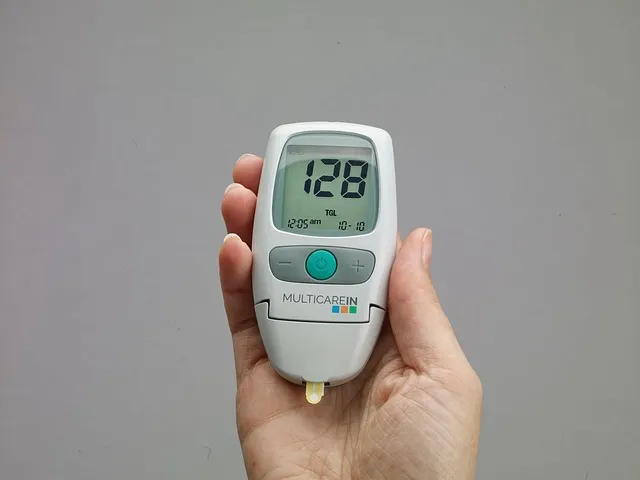
The minimum monitoring setup: a home glucose meter (under $20 for the meter, pennies per test strip) for weekly fasting glucose measurements, and quarterly HbA1c tests (under $30 through direct-to-consumer lab services). These two tests give you the trend data that reveals whether your interventions are working and at what rate. Without them, you’re guessing.
Fasting glucose measured at the same time weekly (first thing in the morning before food or drink) provides the most sensitive early signal of improvement or deterioration. HbA1c provides the three-month summary that confirms sustained change rather than transient fluctuation. The combination of weekly fasting glucose monitoring and quarterly HbA1c gives you both the leading indicator (weekly fasting glucose) and the lagging confirmation (quarterly HbA1c) that a complete monitoring system requires.
For people with the means and motivation, a two-week CGM trial at baseline and again at 90 days quantifies exactly which interventions are producing glucose improvements in which meal contexts. It answers questions that fasting glucose and HbA1c cannot: Is food order helping? Which meals are still producing excessive spikes? Is post-meal walking actually reducing your peaks? The CGM provides direct, granular feedback that the standard monitoring doesn’t capture.
Track the following in a simple spreadsheet or journal: date, fasting glucose reading, body weight (weekly), waist circumference (monthly), HbA1c (quarterly), and notes on which interventions from the hierarchy are actively implemented. This simple record, maintained over months and years, is a personal longitudinal metabolic study that no physician has access to without your contribution. It’s the data that makes informed conversations about your metabolic health possible and that reveals patterns invisible in single data points.
When Natural Methods Aren’t Enough: Knowing When to Involve a Physician
This guide has focused exclusively on natural, lifestyle-based interventions — appropriately, given that these interventions have the largest effect sizes in the early stages of glucose dysregulation and no adverse effects compared to pharmacological options. But there are situations where the methods on this list, applied consistently, aren’t sufficient and physician involvement is warranted.
If fasting glucose consistently exceeds 126 mg/dL or HbA1c exceeds 6.5% despite consistent lifestyle intervention, you have a type 2 diabetes diagnosis that warrants medical management beyond what self-directed lifestyle change can address alone. This doesn’t mean medication is inevitable or permanent — lifestyle intervention remains foundational and more effective than medication alone in multiple studies — but the clinical complexity of managing glucose at this level, assessing for complications, and potentially using medications during the critical period of beta cell recovery, warrants professional guidance.
If HbA1c is in the prediabetic range (5.7-6.4%) and three months of genuine, consistent lifestyle intervention produce no improvement or continued deterioration, this is also a signal for physician involvement to evaluate whether there are complicating factors (sleep apnea, medication effects, hormonal issues, unusual dietary factors) that are overriding the lifestyle intervention and require targeted treatment.
The relationship between natural interventions and medical management is complementary, not oppositional. The most effective prediabetes and diabetes management combines lifestyle intervention (which addresses the underlying cause) with appropriate pharmaceutical support (which manages the symptoms and complications while the lifestyle changes take effect). Viewing them as alternatives is a false choice. Both have roles; the optimal approach at any point depends on where you are in the metabolic disease spectrum and how rapidly your lifestyle changes are producing measurable improvement.
David’s blood sugar came down without medication because he acted early, when lifestyle intervention was sufficient. Had he waited another year, two years, three years — as many people do — the calculus might have been different. The window for lifestyle-sufficient reversal exists. The methods in this guide are how you use it. Don’t wait for the window to close before deciding you should have looked through it.
FROM THE LIBRARY ›
The Evidence Base: How Confident Should You Be in These Methods?
One of the defining features of good health guidance is being clear about the strength of the evidence behind each recommendation. Not everything on this list has the same quality of evidence, and consumers of health information deserve to know the difference between interventions backed by multiple large randomized controlled trials and those backed by mechanistic plausibility and small preliminary studies.
High confidence, strong evidence: Exercise (#1), weight loss (#2), and dietary fiber (#4) have the most extensive and consistent evidence bases across the widest range of study designs and populations. The effect sizes for these interventions are well-established and reproducible. The recommendation to prioritize these interventions first isn’t just a logical claim — it’s supported by decades of converging evidence from multiple independent research groups across multiple countries and populations.
High confidence, good evidence: Sleep optimization (#3), berberine (#6), intermittent fasting (#9), walking after meals (#12), and food order (#13) have solid randomized controlled trial evidence in relevant populations, though the evidence bases are smaller and less thoroughly replicated than the top tier. The effect sizes are well-characterized and the mechanisms are clear, supporting reasonable confidence in these interventions for the populations studied.
Moderate confidence, promising evidence: ACV (#5), chromium (#7), cinnamon (#8), and stress management (#10) have clinical trial evidence, but with more variable results across studies, smaller average effect sizes, or more heterogeneous populations studied. They’re worth including in a complete protocol as supportive additions but shouldn’t anchor the primary intervention strategy.
Emerging evidence: Cold exposure (#11) has compelling mechanistic evidence and consistent positive signals from smaller studies but lacks the large, well-powered RCTs that would establish its effect size with confidence. The direction of evidence is consistently positive; the magnitude is uncertain. Low risk, possible benefit — a reasonable supplementary addition to any protocol.
This evidence tiering should directly inform implementation priority. Start with the high-confidence interventions. Add the moderate-confidence ones as the foundation is established. Consider the emerging evidence items as long-term additions once the primary protocol is stable. Don’t let the fact that cold showers are interesting distract you from the reality that exercise and sleep have ten times the effect size and a hundred times the evidence. The hierarchy reflects both mechanism and evidence quality. Respect both.
Editorial StandardsCorrectionsMedical DisclaimerAbout Our ContentAffiliate DisclosureSite Map