
What the Pharmacist Didn’t Tell James
James had been on antibiotics three times in eighteen months. Strep throat in January, a sinus infection in August, a dental abscess in November. Each time his physician prescribed the antibiotics without discussion, he filled them without questions, and he took the full course dutifully because that’s what you do. He’d heard probiotics were a good idea, so after each course he went to the pharmacy, grabbed whatever was on the shelf — “ten billion cultures! Fifteen strains!” — and took them for two weeks.
James still had persistent digestive problems eighteen months after that first course. Bloating that showed up after meals where it never had before. An irregularity in bowel habits his doctor chalked up to stress. A general “off” feeling in his gut he couldn’t quite put into words. He assumed this was just how his digestion worked now. It wasn’t. It was the consequence of three rounds of broad-spectrum antibiotics, an inadequately supported gut microbiome, and probiotics that weren’t the right strains, at the right time, in the right sequence, to actually restore what the antibiotics had disrupted.
The relationship between antibiotics and the gut microbiome is one of the most clinically significant and most systematically under-communicated aspects of modern medicine. Antibiotics are life-saving drugs that prevent deaths from bacterial infections. Their appropriate use isn’t up for debate. What is worth debating is the near-total absence of specific guidance — in clinical settings, in patient handouts, in pharmacy consultations — about what to do with your gut microbiome before, during, and after antibiotic use. The guidance exists. It’s sitting in the research literature. It just hasn’t made it to routine practice.
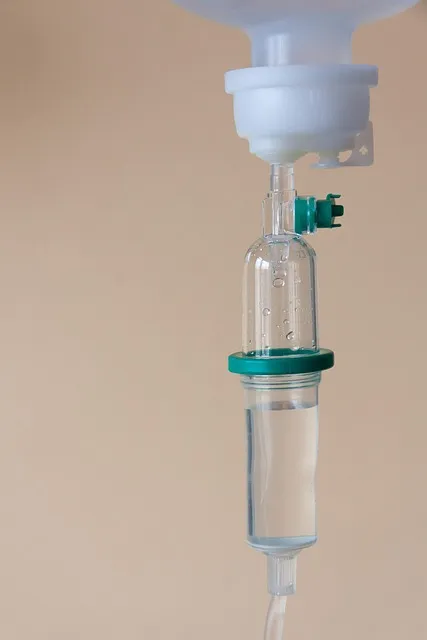
What Antibiotics Actually Do to Your Gut Microbiome
Before getting into the restoration protocol, understanding the scale of the disruption matters — it’s what motivates the effort required to address it.
A standard five to ten-day course of a broad-spectrum antibiotic (amoxicillin, ciprofloxacin, azithromycin) can reduce gut microbiome diversity by 25-50% within 48 hours of the first dose. The antibiotic doesn’t discriminate between the target bacterial pathogen and the beneficial commensal bacteria in your colon — it depletes all susceptible organisms across the gut ecosystem. The bacteria that survive and proliferate afterward are typically those with intrinsic or acquired antibiotic resistance, which means the post-antibiotic gut ends up dominated by a different set of species than the pre-antibiotic gut. Not necessarily a healthier set.
A landmark 2018 study by Suez and colleagues, published in Cell, followed gut microbiome recovery in healthy volunteers after ciprofloxacin treatment. The findings were sobering. Some gut microbiome parameters recovered to baseline within two to four weeks — consistent with the optimistic messaging that “probiotics will help it bounce back quickly.” But specific microbiome composition, measured at the species level, hadn’t returned to pre-antibiotic baseline even at six months in multiple participants. Some species abundant before treatment stayed absent or significantly reduced six months out. The recovery was partial, not complete, for a substantial share of participants — and the timeline varied enormously between individuals.
The Suez study also contained a finding that generated real controversy: participants randomized to standard probiotic supplementation after antibiotics actually showed worse microbiome recovery at certain time points than participants who got no probiotic supplementation at all. The proposed mechanism: the probiotic organisms, present in the gut in large numbers, occupied the ecological niches that would otherwise be repopulated by returning native species — effectively delaying reconstitution of the native microbiome while the probiotic species held that ground. This finding doesn’t condemn probiotics in the post-antibiotic context. It reveals that strain selection and timing matter enormously, and that generic, shelf-stable probiotics taken the standard way may not be the optimal approach.
The Suez 2018 Study in Detail: What Actually Works
The Suez study tested four conditions: standard multi-strain probiotic supplements, autologous fecal microbiome transplant (using the patient’s own pre-antibiotic stool), and a watch-and-wait control group. The autologous FMT — essentially reinoculating the gut with its own pre-antibiotic microbial community — produced the fastest and most complete microbiome recovery, which makes mechanistic sense: it directly reintroduced the precise community that had been disrupted. Not practically available to most people. But it establishes that the goal of post-antibiotic restoration is to reintroduce the native community, not just any beneficial bacteria.
What the study established about the probiotic versus control comparison is worth sitting with. The probiotic group showed faster normalization of some parameters in the first weeks — the gut wasn’t sitting completely empty while native species were still recovering. The problem was that the probiotic organisms, beneficial in themselves, resisted the full restoration of the native species community. An ecological competition dynamic: successful enough to occupy space, not successful enough to replicate the full diversity of the native microbiome they were temporarily standing in for.
The implications for clinical practice: probiotic supplementation after antibiotics is still beneficial, but the approach needs to be more strategic than “take any probiotic for two weeks and you’re fine.” The goal should be: support the gut during antibiotic treatment to prevent pathogen overgrowth, then transition to a protocol designed to actively restore native microbiome diversity after antibiotic completion.
Saccharomyces boulardii — a beneficial yeast, not a bacterium — is the most well-supported organism for use during antibiotic treatment, and this is the key distinction most generic probiotic advice misses. Because S. boulardii is a yeast, it’s inherently antibiotic-resistant — antibiotics target bacteria and don’t touch yeasts. S. boulardii keeps functioning throughout the antibiotic course, preventing the growth of C. difficile (the pathogenic bacterium behind antibiotic-associated diarrhea and colitis) and maintaining intestinal barrier integrity while native bacteria are being depleted.
Saccharomyces Boulardii: During-Antibiotic Protection
Saccharomyces boulardii (S. boulardii) is the most thoroughly studied probiotic for antibiotic-associated diarrhea prevention. A 2012 meta-analysis in the Cochrane Database of Systematic Reviews — 21 randomized controlled trials, 4,780 participants — found that S. boulardii supplementation reduced antibiotic-associated diarrhea by 52%. Large, clinically meaningful effect, from a supplement that’s widely available, inexpensive, and completely safe alongside antibiotics.
The mechanism runs through several pathways. It secretes proteases that inactivate C. difficile toxins A and B — the primary virulence factors driving antibiotic-associated colitis. It stimulates secretory IgA production, maintaining immune surveillance of the intestinal lumen while bacterial immune barrier function is disrupted. It produces caprylic acid, with antifungal activity against Candida species that can opportunistically overgrow during antibiotic treatment. And it directly competes with C. difficile for intestinal colonization sites, reducing the pathogen’s ability to establish itself during the ecological disruption of antibiotic treatment.
The trials in that Cochrane analysis ran S. boulardii concurrently with the antibiotic course, separated from each antibiotic dose by at least two hours so the brief pH changes antibiotics cause don’t blunt it. Product concentrations vary widely enough that what one capsule delivers has little to do with what the next brand’s capsule delivers, which is why the label and the prescribing clinician are the reference points here, not a number in an article. Begin on day one of antibiotic treatment and continue through completion. S. boulardii can also continue for one to two weeks after antibiotic completion while native microbiome restoration is getting underway.
Lactobacillus Rhamnosus: After Antibiotics
Once antibiotics are done, the restoration strategy shifts. The primary goal is no longer preventing pathogen overgrowth — it’s actively repopulating the depleted native microbiome and creating conditions for its recovery.
Lactobacillus rhamnosus is the most evidence-backed strain for post-antibiotic microbiome support. L. rhamnosus GG (the Gorbach-Goldin strain) specifically has one of the largest evidence bases of any probiotic strain, with clinical trials demonstrating post-antibiotic microbiome restoration, reduction of antibiotic-associated diarrhea (alongside S. boulardii), and support for intestinal barrier repair. The GG strain adheres effectively to intestinal epithelial cells, secretes substances that inhibit pathogenic bacteria, and promotes anti-inflammatory cytokine patterns in gut immune cells.
The Lactobacillus rhamnosus NCFM strain (used in several evidence-based probiotic products) has complementary evidence for gut barrier function support and post-antibiotic microbiome restoration. The distinction between strains matters even within the same species — L. rhamnosus GG and L. rhamnosus NCFM have different genomic and clinical profiles despite sharing a species name, and the research evidence is strain-specific, not species-general.
Post-antibiotic probiotic protocol: begin L. rhamnosus GG (minimum 10 billion CFU per dose) one to two days after antibiotic completion. Continue for four to eight weeks — longer than most people are advised, but consistent with the recovery timeline documented in the Suez study. This extended duration gives the native community time to recover while maintaining protection against pathogen re-establishment during the vulnerable recovery window.
The Role of Prebiotics: Feeding the Recovery
Probiotic organisms — S. boulardii, L. rhamnosus, whatever the strain — need food to survive and proliferate in the gut. Prebiotics are the dietary fibers that selectively feed beneficial bacteria, and their role in post-antibiotic recovery is at least as important as the probiotics themselves.
Prebiotic fibers — inulin, fructooligosaccharides (FOS), galactooligosaccharides (GOS), resistant starch — reach the colon largely undigested, serving as fermentation substrate for the beneficial bacteria rebuilding after antibiotic treatment. Without adequate prebiotic substrate, the recovering native microbiome is energy-limited — it has the organisms but not the fuel to expand and establish dominance over the depleted gut ecosystem.
The research on synbiotic supplementation (combined probiotic + prebiotic) post-antibiotic consistently shows better outcomes than probiotic supplementation alone. The prebiotic substrate accelerates growth and establishment of the probiotic strains while simultaneously feeding the native bacteria recovering in parallel. The practical recommendation: during the post-antibiotic restoration period, significantly increase intake of prebiotic-rich foods — garlic, onions, leeks, asparagus, Jerusalem artichokes, chicory, green bananas, cooked-then-cooled potatoes and rice. Dedicated prebiotic supplements — inulin, fructo-oligosaccharides — are the other route, and the synbiotic research pairs them with the probiotic through the early restoration weeks rather than relying on either one alone.
Post-Antibiotic Probiotic Protocol
The Post-Antibiotic Probiotic Protocol is a structured three-phase approach to protecting and restoring the gut microbiome through an antibiotic course. It addresses the timing issues generic probiotic advice ignores and the strain specificity generic probiotic marketing obscures.
- Phase 1 — During Antibiotics (Day 1 through last day of course). Saccharomyces boulardii daily, timed at least two hours away from each antibiotic dose. S. boulardii prevents C. difficile colonization, maintains intestinal barrier integrity, and provides the antibiotic-resistant gut protection that bacterial probiotics can’t, since they get killed alongside the pathogens. Do not stop antibiotics early. Complete the full course as prescribed.
- Phase 2 — Bridge Period (Days 1-7 post-antibiotics). Continue S. boulardii for one to two weeks post-antibiotic to protect against pathogen recolonization during the most vulnerable window. Begin introducing fermented foods: kefir (twice daily if tolerated), sauerkraut, kimchi — diverse live cultures that support ecological succession in the recovering gut without the competitive displacement concern that applies to high-dose single-strain probiotics. Start the prebiotic food protocol: significantly increase garlic, onions, asparagus, green bananas.
- Phase 3 — Active Restoration (Weeks 2-8). Add Lactobacillus rhamnosus GG (10-20 billion CFU daily) alongside S. boulardii taper-off. Continue diverse fermented food intake. Add a prebiotic supplement — FOS or inulin — if dietary prebiotic intake falls short. Eat a high-diversity diet emphasizing different vegetables, legumes, and whole grains daily — dietary diversity is the most potent driver of gut microbiome diversity recovery, since each plant food provides different fermentation substrates that support different bacterial species.
- Dietary Specifics During Recovery. Maximize fiber diversity — aim for 30 different plant foods per week (the threshold associated with the highest gut microbiome diversity in the American Gut Project). Emphasize polyphenol-rich foods: berries, dark chocolate, green tea, extra virgin olive oil — polyphenols have prebiotic effects and directly anti-inflammatory effects on the recovering gut. Avoid ultra-processed foods and alcohol during the restoration period — both impair microbiome recovery and intestinal barrier repair. Minimize refined sugar — it preferentially feeds pathogenic species over beneficial ones during the ecological imbalance of post-antibiotic recovery.
- Duration of Full Protocol. Eight weeks is the minimum for post-antibiotic gut restoration, based on the Suez study’s recovery timeline data. For people who’ve had multiple courses of antibiotics — James, for instance — longer restoration periods of three to six months may be necessary to approach pre-antibiotic baseline diversity. Worth the effort: a diverse, intact gut microbiome reduces the likelihood of recurring infections that led to antibiotic use in the first place, creating a positive cycle rather than the negative spiral of repeated antibiotic disruption.
“Every antibiotic course is a controlled demolition of your gut microbiome. The demolition is sometimes necessary. The rebuild is always necessary. But nobody hands you blueprints at the pharmacy, so most people don’t build anything — they just wait and hope the ecosystem comes back on its own.”
The C. Difficile Risk: Why This Matters Urgently
Clostridioides difficile (C. diff) infection is the most serious consequence of antibiotic-associated gut dysbiosis. It infects approximately half a million Americans annually and kills about 30,000 per year — one of the leading causes of healthcare-associated infectious deaths in the US. These deaths are almost entirely downstream of antibiotic use disrupting the gut microbiome and letting C. diff establish itself.
C. diff sits in the gut of a small percentage of healthy adults without causing disease, held in check by the competitive exclusion of the normal microbiome. When antibiotics deplete that normal microbiome, C. diff is no longer ecologically suppressed — it proliferates rapidly and produces toxins that cause severe colitis. The specific antibiotics most associated with C. diff infection are fluoroquinolones (ciprofloxacin, levofloxacin), clindamycin, and broad-spectrum cephalosporins — precisely the antibiotics commonly prescribed for outpatient infections.
S. boulardii supplementation during these antibiotic courses reduces C. diff infection risk significantly — the Cochrane meta-analysis found the protective effect most pronounced in high-risk populations (older adults, people with previous C. diff, people in healthcare settings). For anyone prescribed these specific antibiotics, S. boulardii isn’t optional wellness optimization. It’s meaningful risk reduction for a potentially life-threatening complication that’s almost never mentioned by the prescribing physician.
If severe diarrhea, abdominal cramping, or fever show up within days to weeks of completing an antibiotic course, that’s a medical emergency warranting immediate evaluation. C. diff colitis requires specific targeted antibiotic treatment (vancomycin or fidaxomicin). The importance of completing the S. boulardii protocol precisely, to prevent this outcome, cannot be overstated.
Long-Term Consequences of Repeated Antibiotic Courses
James’s three antibiotic courses in eighteen months represent a pattern that’s increasingly common — and increasingly consequential — in light of what’s emerging in the microbiome and chronic disease research.
Multiple antibiotic courses compound the microbiome disruption in ways single courses don’t. Each course depletes diversity from whatever baseline the previous recovery had established. For some people that baseline-after-recovery lands close to the original; for others — particularly those who skip restorative interventions and don’t support the gut between courses — it’s progressively lower. The cumulative effect of repeated antibiotic courses over years is a gut microbiome measurably less diverse than it would otherwise be.
Why does this matter beyond digestion? Because the gut microbiome trains the immune system throughout life. Children who receive multiple antibiotic courses in the first two years of life show significantly elevated rates of asthma, allergic disease, and autoimmune conditions — a finding so consistent across populations and study designs that it stands as one of the strongest microbiome-immune connections documented. The mechanism: gut dysbiosis disrupting the normal training of regulatory T cells and toll-like receptor responses that determine whether the immune system learns to tolerate environmental antigens or react to them.
For adults, repeated antibiotic courses have been associated in prospective studies with increased risk of inflammatory bowel disease, obesity, and type 2 diabetes — all conditions with strong microbiome mediation. These associations don’t establish simple causality (people who need many antibiotics may have other health differences contributing to these outcomes), but they’re consistent with the mechanistic understanding of how gut microbiome diversity affects metabolic and immune health over time.
The practical implication: when antibiotics are prescribed, take them when they’re truly needed — and apply the Post-Antibiotic Probiotic Protocol every single time, not just when you remember or when symptoms persist. The cumulative protection of always restoring the gut after each antibiotic course compounds favorably over time, the same way the cumulative damage of never restoring it compounds unfavorably.
Probiotics After Antibiotics: Your Questions Answered
When exactly should I start the probiotic if I’m on a ten-day antibiotic course?
Start S. boulardii on day one of the antibiotic course. The key is the two-hour separation from antibiotic doses — take the probiotic at least two hours before or after each dose. Don’t wait until the course finishes to start protection; the first days of treatment are when C. diff overgrowth risk peaks, as the microbiome is initially depleted. Continue S. boulardii through completion and for one to two weeks post-course, then transition to the L. rhamnosus GG phase.
Do I need to take probiotics if I don’t get diarrhea from antibiotics?
Absence of diarrhea doesn’t mean absence of microbiome disruption. The Suez study participants who showed the worst microbiome recovery at six months didn’t all have clinical diarrhea. Diarrhea is just one manifestation of antibiotic-associated dysbiosis; bloating, constipation, increased intestinal permeability, altered immune function, and reduced microbiome diversity can all occur without loose stools. The probiotic and restoration protocol is relevant regardless of whether diarrhea occurs, because the goal is microbiome preservation and restoration, not symptom management.
Can I just eat more yogurt and fermented foods instead of taking supplements?
Fermented foods are an excellent component of the restoration protocol — particularly for Phases 2 and 3. But they can’t fully substitute for the specific clinical evidence around S. boulardii during antibiotic treatment. The antibiotic-resistance property that makes S. boulardii useful — being a yeast that survives antibiotic exposure — isn’t replicated by the lactic acid bacteria in yogurt and kefir, which are susceptible to many antibiotics and will get depleted during treatment right along with everything else. Use S. boulardii for the during-antibiotics phase; incorporate abundant fermented foods from Phase 2 onward as a synergistic addition to probiotic supplementation.
My doctor says I don’t need probiotics after antibiotics. Should I listen?
Your doctor may be correct that probiotics aren’t clinically necessary in a narrow sense — meaning you’ll probably recover a functional gut microbiome eventually without them. The Suez study’s watch-and-wait group did recover, eventually. The question is whether you want a faster, more complete recovery with less risk of C. diff and ongoing dysbiosis symptoms, or whether you’re fine leaving the recovery to chance over months. The evidence supports a more active approach. Your doctor’s skepticism likely reflects a conservative standard-of-care position rather than an informed opinion that the research supports skipping the protocol.
How do I know if my microbiome has actually recovered?
Clinical symptoms are the most accessible indicator: normalization of bowel habits, reduced bloating and digestive discomfort, and a return of general gut-related well-being are all positive signs. For more objective assessment, a comprehensive stool analysis (Genova Diagnostics GI Effects or similar) can assess microbiome diversity, specific species composition, and markers of intestinal function and inflammation. Most informative as a pre/post comparison, but a single post-recovery analysis can still show whether diversity has been restored to a healthy range or whether ongoing restoration effort is needed.
Antibiotics and the Developing Microbiome: A Note on Children
The first three years of life are the critical period for gut microbiome establishment. The organisms colonizing the infant gut during this period educate the developing immune system in ways with lifelong consequences for allergy, autoimmune disease, asthma, and metabolic health. Antibiotic use during this window — and antibiotics get prescribed more frequently to children than to any other age group — disrupts this developmental program in ways that aren’t simply reversed by microbiome recovery over the following months.
The epidemiological evidence is stark. Children who receive antibiotics in the first two years of life show significantly elevated rates of: atopic dermatitis and eczema (reviewed earlier in this series), asthma, allergic rhinitis, celiac disease, inflammatory bowel disease, and childhood obesity. The associations persist after controlling for confounders and hold consistent across diverse populations globally. The microbiome disruption during immune system training, not merely the antibiotic treatment itself, appears to be the primary mechanism.
For parents: this isn’t an argument to refuse antibiotics when a child genuinely needs them — untreated bacterial infections in children carry their own serious risks, and antibiotics save lives. It’s an argument for working with your pediatrician to confirm bacterial infection before prescribing (viral infections, which account for most childhood ear infections and respiratory infections, don’t respond to antibiotics at all), to choose targeted narrow-spectrum antibiotics when available, and to implement age-appropriate microbiome restoration after each course. Probiotic protocols for children use different strains and doses than adult protocols; L. rhamnosus GG and S. boulardii both have pediatric safety data, but specific dosing should be discussed with a pediatrician familiar with probiotic evidence.
Building Antibiotic Resilience: Keeping Your Microbiome Strong Before You Ever Need Them
The most effective approach to minimizing antibiotic-associated gut damage is having a diverse, resilient gut microbiome before the antibiotic course ever begins. A microbiome with high baseline diversity recovers more completely and more quickly after antibiotic disruption than one already depleted or dysbiotic before treatment. Which means the dietary and lifestyle habits maintained year-round — not just in the aftermath of antibiotics — determine baseline recovery capacity.
The practices that most robustly maintain gut microbiome diversity and resilience: eating 30+ different plant foods per week (the single strongest dietary predictor of microbiome diversity in population research), consuming fermented foods regularly (daily kefir, kimchi, sauerkraut, or live-culture yogurt), avoiding unnecessary antibiotic use (including antibiotic-treated conventionally farmed meat and poultry, which contributes low-level antibiotic exposure), avoiding chronic NSAID use (which directly disrupts gut barrier function and microbiome composition), sleeping adequately (the gut microbiome has its own circadian rhythm that depends on host sleep for regulation), and exercising regularly (one of the most potent microbiome diversity interventions available, independent of diet).
These practices don’t just build a better microbiome for antibiotic recovery — they reduce the likelihood of the infections that lead to antibiotic prescriptions in the first place. A healthy gut microbiome with strong mucosal immunity is the first line of defense against many of the pathogens that turn into infections requiring treatment. The investment in gut microbiome health is both directly protective and prophylactically valuable.
James eventually got a comprehensive stool analysis eighteen months after starting his restoration protocol. His microbiome diversity landed in the top 25th percentile for his age group. Faecalibacterium prausnitzii — his most depleted species during the dysbiosis period — had fully recovered and ranked among his most abundant beneficial species. His digestive symptoms had resolved entirely by month four of the protocol. He hasn’t needed antibiotics since, which may or may not be related — but he’s given his gut the best possible foundation for recovery if and when he ever does.
Functional Foods That Accelerate Microbiome Recovery
Beyond the supplemental probiotic protocol, specific functional foods have documented microbiome-restoring properties that make them particularly valuable during the post-antibiotic recovery period. Knowing which foods work best — and why — helps build a dietary strategy that works synergistically with supplemental probiotics.
Kefir is among the most microbiome-diverse fermented foods available, containing 30-50 different bacterial and yeast species in a good-quality product. That diversity means it inoculates the gut with a broad ecological community rather than the one to three strains found in most probiotic supplements. A 2022 study in Cell found that fermented food consumption (including kefir) was more effective than a high-fiber diet at increasing microbiome diversity in adults over a ten-week period. During post-antibiotic recovery, two servings of full-fat, unsweetened kefir daily provide both a broad probiotic inoculum and the fatty acids and lactose that support gut mucosal recovery.
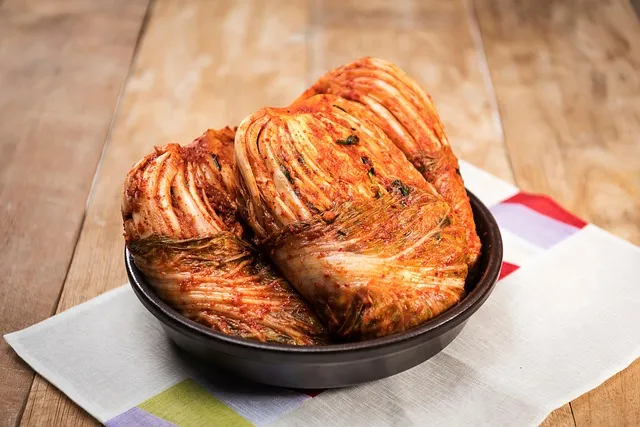
Kimchi and other lacto-fermented vegetables introduce different Lactobacillus and Leuconostoc species than dairy-based fermented foods, broadening the ecological diversity of the recovery inoculum. Korean research has documented that regular kimchi consumption significantly increases Lactobacillus, Bifidobacterium, and Faecalibacterium prausnitzii — three of the most clinically important beneficial genera — in gut microbiome analyses. Rotating through different fermented vegetables (sauerkraut, kimchi, beet kvass, fermented pickles) during the recovery period pulls in different species from each product, maximizing diversity in the recovery community.
Bone broth deserves mention specifically for gut barrier recovery — the intestinal lining compromised during antibiotic-associated dysbiosis. Bone broth is rich in glycine, proline, and hydroxyproline — the amino acids required for synthesis of the collagen matrix that gives the intestinal mucosa its structural integrity. L-glutamine from bone broth is the primary fuel for enterocytes, the epithelial cells that form the gut barrier. Research on bone broth specifically is limited, but the amino acid profile is mechanistically sound for mucosal repair, and anecdotal reports of improved gut symptoms with regular bone broth consumption during recovery are consistent with the proposed mechanism.
Green bananas and cooled cooked potatoes are two of the most concentrated sources of resistant starch — the prebiotic fiber that specifically feeds Bifidobacterium, Faecalibacterium prausnitzii, and other butyrate-producing bacteria, which are among the species most depleted by antibiotic treatment. Two to three servings of resistant starch per day during recovery provides significant substrate for these species to rebuild their populations. The butyrate these bacteria produce in turn promotes intestinal barrier repair — a virtuous cycle where feeding the right bacteria with resistant starch produces the short-chain fatty acid that heals the gut lining that keeps the bacteria in the right place.
Jerusalem artichokes (also called sunchokes) run extraordinarily high in inulin — up to 19g per 100g serving. Inulin is one of the most thoroughly studied prebiotic fibers and consistently increases Bifidobacterium levels, among the species most severely depleted after antibiotic treatment. The caution with Jerusalem artichokes is dose: they can produce significant gas and bloating in people with disrupted gut flora, since the bacteria aren’t yet adapted to ferment large amounts of inulin — start with small amounts (one to two tablespoons of cooked sunchoke) and increase gradually over two to three weeks as the recovery microbiome builds capacity to ferment inulin without excessive gas production.
The general principle for the dietary component of post-antibiotic recovery is diversity above all — diverse fiber sources, diverse fermented foods, diverse plant foods. The gut microbiome is an ecological system, and ecological recovery after disruption follows the same principles as any ecological succession: the broader and more diverse the recolonization, the more stable and resilient the recovered ecosystem. A diet providing thirty different plant foods, multiple fermented food sources, and meaningful prebiotic fiber creates the ecological conditions for rapid, complete microbiome recovery. A diet of white bread, processed meat, and pasteurized dairy provides none of that and actively impedes recovery regardless of what probiotics are taken alongside it.
When to Seek Additional Help
Most post-antibiotic gut disruption resolves with the protocol described in this article — a few months of consistent effort produces a meaningfully restored microbiome. Some situations warrant additional investigation and support.
Persistent, severe diarrhea for more than two weeks after antibiotic completion — particularly with blood, fever, or cramping — requires urgent medical evaluation to rule out C. difficile colitis or another infectious complication. This is not a situation to manage with more probiotics; it requires testing and potentially targeted antibiotic treatment.
Persistent bloating, gas, and digestive discomfort continuing beyond three months of restoration protocol implementation may indicate small intestinal bacterial overgrowth (SIBO), which can develop after antibiotic use when the balance between small and large intestinal bacterial populations gets disrupted. SIBO breath testing and, if positive, targeted SIBO treatment before continuing the standard restoration protocol is the appropriate next step.
Persistent fatigue, joint pain, and systemic symptoms following antibiotic treatment for specific infections (Lyme disease, dental infections, certain sinusitis presentations) may reflect post-treatment immune dysregulation rather than simple microbiome disruption. A more complex clinical picture, warranting evaluation by a physician familiar with post-infectious syndromes, alongside the standard microbiome restoration protocol.
The net assessment is that post-antibiotic gut restoration is a real clinical need — not a wellness trend, not supplement marketing, but a biologically necessary process of ecological reconstruction after a significant disruption. The protocol here gives the structure to do it correctly. Start with the antibiotics if they’re genuinely needed. Then do the work of putting the gut back together, deliberately, with the right tools and the right timeline. Future immune health depends significantly on whether that work gets done well or gets left to chance.
One last note on the broader context of antibiotic stewardship: taking the Post-Antibiotic Probiotic Protocol seriously has a small but real positive externality on the antibiotic resistance crisis. People whose gut microbiomes recover quickly and completely from antibiotic treatment are less likely to need repeat prescriptions for recurring infections — which reduces total antibiotic consumption. People with strong gut health are less susceptible to the infections that generate antibiotic prescriptions in the first place. The individual-level benefits of gut microbiome care contribute, in aggregate, to a healthier collective relationship between humans and the antibiotics that remain among the most essential medical tools available. Worth doing right.
The Practical Framework: Applying Probiotics After Antibiotics Which In Real Life
References
Editorial StandardsCorrectionsMedical DisclaimerAbout Our ContentAffiliate DisclosureSite Map