
The Pot That Fixed His Gut
Diego Reyes had IBS for eight years. Not “occasional digestive discomfort” IBS — the kind that made him plan his life around bathroom proximity, that made restaurant meals an anxiety event, that had cost him three different prescription medications that worked until they didn’t. His gastroenterologist was competent and had run every appropriate test. Everything structural was normal. The diagnosis was functional bowel disorder, which is another way of saying “your gut is dysfunctional but we can’t find a structural reason for it.”
Diego’s mother made bone broth soup every winter in the kitchen he’d grown up in. He hadn’t eaten it since childhood. A friend recovering from gut surgery mentioned that her nutritionist had recommended bone broth for gut lining repair. Diego made a batch on a cold Tuesday in November. He ate it for dinner three nights in a row.
By Thursday, something had shifted. Not dramatic. His digestion was quieter. The post-meal discomfort that had become background noise for a decade was notably reduced. He was not cured. But he was significantly better, in a way that felt different from temporary symptom management.
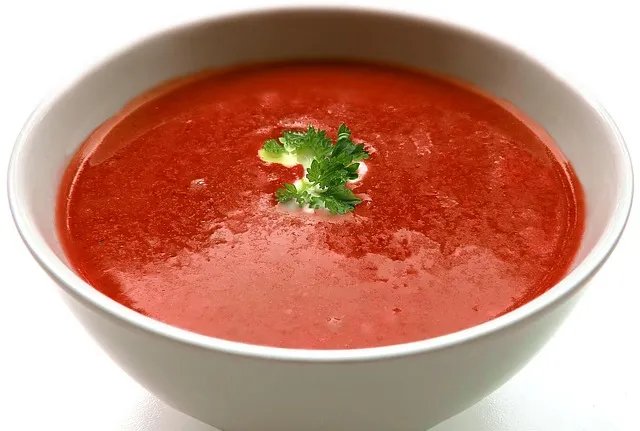
What “Gut-Healing” Actually Means
- Substrates for tight junction protein synthesis (zinc, vitamin A, L-glutamine)
- Anti-inflammatory compounds that reduce gut wall inflammation (butyrate, polyphenols, omega-3s)
- Prebiotic compounds that support beneficial bacteria (diverse soluble fibers)
- Direct energy for colonocytes (butyrate from short-chain fatty acids)
- Compounds that support mucus layer production (glycine, glucosamine from bone broth)
The gut wall — specifically the intestinal epithelium — is a single cell-thick barrier separating the interior of your gut from the bloodstream. These cells (enterocytes and colonocytes) turn over every 3-5 days, making the gut lining one of the most rapidly regenerating tissues in the body. This rapid renewal is both an advantage (damage heals quickly) and a vulnerability (anything that impairs cellular renewal affects gut barrier function rapidly).
When the gut lining is compromised — whether by NSAID use, alcohol, stress, dysbiosis, inflammatory disease, or nutritional deficiency — intestinal permeability increases. Tight junctions between cells loosen. Partially digested food particles, bacterial components (LPS), and other molecules that should stay in the gut lumen can pass into the bloodstream. This “leaky gut” state triggers systemic immune activation and chronic low-grade inflammation.
Gut-healing foods support this tissue by providing:
Soups are particularly well-suited for gut healing because: the cooking process breaks down food into more easily digestible forms; broth-based soups are inherently hydrating (dehydration impairs mucosal integrity); warm liquids soothe the gut motility that is often disturbed in irritable bowel conditions; and the combination of protein, vegetables, and liquid in a single vessel allows delivery of multiple gut-supportive nutrients simultaneously.
The Gut Healing Soup Protocol
Here are five soups with specific gut-healing mechanisms, the science behind each, and recipes that maximize their functional properties.
Soup 1: Classic Bone Broth Soup
The foundational gut-healing soup. Bone broth — made by simmering animal bones (beef knuckles, chicken feet, or chicken carcasses) for 12-24 hours with a splash of apple cider vinegar (to extract minerals from the bones) — provides the richest available food source of glycine, proline, hydroxyproline, and glucosamine.
Glycine is the most abundant amino acid in collagen and plays a specific role in supporting intestinal barrier function. A 2018 study in Cell Reports found that glycine supplementation restored intestinal barrier function and reduced gut inflammation in mouse models of colitis. Human research on glycine and gut health is limited but mechanistically consistent with the animal data.
Glutamine — found in high concentrations in good bone broth, and supplemented as the amino acid L-glutamine in clinical studies — is the primary fuel for enterocytes (small intestinal cells) and colonocytes. Clinical trials using L-glutamine supplementation in patients with IBS (including a 2019 RCT by Zhou et al. in Gut) found significant improvement in intestinal permeability and IBS symptom severity. Bone broth provides glutamine in food form.
The recipe: Roast 2 lbs of beef knuckle bones at 400°F for 30 minutes. Place in large pot with 1 onion (halved), 4 garlic cloves, 3 celery stalks, 3 carrots, 2 tbsp apple cider vinegar, 1 tsp black peppercorns. Cover with cold water (10-12 cups). Bring to boil, reduce heat, simmer 18-24 hours. Skim foam periodically. Strain, discard solids. Season with salt. The broth should gel when refrigerated — this indicates collagen content. Add noodles, vegetables, shredded chicken, or ginger for a complete soup.
Gut-healing mechanisms: Glycine for tight junction support, glutamine for enterocyte fuel, glucosamine for mucus layer support, collagen-derived peptides that have direct anti-inflammatory effects in the gut.
Soup 2: Miso and Ginger Soup with Bok Choy
Miso is fermented soybean paste — aged from weeks to years — that contains live beneficial bacteria (primarily Lactobacillus), bioactive peptides, and a complex fermentation-derived polyphenol profile. Adding miso to hot (but not boiling) water preserves the live bacterial culture; temperatures above 70°C kill the bacteria, converting miso from a probiotic food to simply a flavorful base.
Ginger (Zingiber officinale) contains gingerols and shogaols that have direct anti-nausea effects (through 5-HT3 receptor antagonism), gut motility-modulating effects (normalizing both underactive and overactive gut movement in different conditions), and anti-inflammatory effects in the gut wall. A 2015 meta-analysis in PLoS ONE found that ginger significantly improved nausea and vomiting in multiple clinical contexts. In IBS specifically, ginger’s motility effects are particularly useful for people with diarrhea-predominant IBS (reducing motility) and constipation-predominant IBS (stimulating motility in a normalizing direction).
Bok choy and other cruciferous vegetables provide glucosinolates (converted to sulforaphane and other compounds with gut anti-inflammatory effects), vitamin C (essential for enterocyte tight junction maintenance), and folate (rapidly dividing gut cells have high folate requirements).
The recipe: Make or use quality bone broth (or vegetable broth) as a base. Bring to 60-65°C (not boiling). Add 1 tbsp fresh grated ginger, 2 cups roughly chopped bok choy, 1/2 cup cubed silken tofu (optional protein), 2 scallions (sliced), shiitake mushrooms (prebiotic beta-glucan). Whisk 1-2 tbsp white miso into the broth after removing from heat. Top with a few drops sesame oil and nori strips.
Gut-healing mechanisms: Live probiotics from miso (temperature-preserved), gingerols for motility normalization and anti-nausea effects, glucosinolates from cruciferous vegetables, umami compounds that stimulate digestive enzyme secretion.
Soup 3: Lentil and Turmeric Soup
Red lentils are one of the prebiotic-richest foods available. Their soluble fiber (primarily galacto-oligosaccharides and fructans) specifically feeds Bifidobacterium and Lactobacillus species — the bacteria most consistently associated with gut health benefits in the literature. A 2021 study in Gut Microbes found that daily lentil consumption significantly increased Faecalibacterium prausnitzii, one of the most studied anti-inflammatory gut bacteria associated with IBD protection.
Turmeric provides curcumin, which has direct anti-inflammatory effects in the gut wall by inhibiting NF-κB (the master inflammatory transcription factor) and reducing inflammatory cytokine production in intestinal epithelial cells. Multiple small clinical trials in Crohn’s disease and ulcerative colitis have found benefit from curcumin supplementation or turmeric-enriched diets. The bioavailability issue (curcumin is poorly absorbed without fat and piperine) is addressed by cooking with fat (olive oil) and black pepper, as is traditional.
The recipe: Sauté 1 large onion and 4 garlic cloves in 3 tbsp olive oil until soft. Add 1 tbsp turmeric, 1 tsp cumin, 1/2 tsp coriander, 1/2 tsp black pepper, 1/4 tsp cayenne. Toast spices 1 minute. Add 1.5 cups red lentils (rinsed), 1 can diced tomatoes, 6 cups bone or vegetable broth. Simmer 25-30 minutes until lentils dissolve into a thick, silky base. Finish with lemon juice and a swirl of quality olive oil. Top with fresh cilantro and a drizzle of extra olive oil.
Gut-healing mechanisms: Prebiotic fiber for Bifidobacterium/Lactobacillus feeding, curcumin for NF-κB inhibition in gut wall, olive oil polyphenols, vitamin C from tomatoes for tight junction maintenance.
Soup 4: Chicken and Vegetable Broth with L-Glutamine Rich Additions
The classic gut-healing soup in most functional medicine traditions. Chicken broth — the traditional “healing” food across virtually every culture — provides many of the same glycine and glutamine compounds as beef bone broth in a gentler, more easily digestible format. Adding foods specifically high in glutamine (cabbage is notable here: cabbage juice has clinical evidence for peptic ulcer healing dating from the 1940s) and zinc-rich foods (pumpkin seeds, beef from the stock) maximizes the gut-healing properties.
Cabbage contains L-glutamine and S-methylmethionine (vitamin U), a compound investigated for its gastroprotective effects. The 1950s research by Stanford physician Garnett Cheney found that cabbage juice consumption healed peptic ulcers faster than standard treatment. This research preceded clinical trials and lacks modern methodological rigor, but the mechanism (glutamine delivery to gut epithelium, direct anti-inflammatory effects in the stomach lining) is biologically plausible and consistent with later research on glutamine supplementation.
The recipe: Place chicken carcass (or 3-4 chicken bone-in pieces) in pot with 1 onion, 4 garlic cloves, 3 carrots, 4 celery stalks, 1 inch fresh ginger, 1/4 head green cabbage (roughly chopped), 1 tbsp apple cider vinegar. Cover with water, bring to boil, reduce to gentle simmer for 2-3 hours. Strain, shred any remaining chicken meat. Add back chicken, 1 cup cubed zucchini, 1 cup sliced bok choy, rice noodles if desired. Season with sea salt and white pepper. Finish with a squeeze of lemon and fresh dill.
Gut-healing mechanisms: Glutamine from chicken broth and cabbage (enterocyte fuel), glycine from connective tissue, vitamin U from cabbage (gastroprotective), ginger for motility normalization, zinc from chicken bones.
Soup 5: Moroccan Vegetable and Chickpea Harira
The Moroccan harira — traditionally eaten to break the Ramadan fast — is a masterpiece of gut-supportive nutrition. The combination of tomatoes, lentils, chickpeas, fresh herbs, and aromatic spices creates a complex prebiotic matrix that is among the most microbiome-supportive single dishes in any culinary tradition.
The chickpea-lentil combination provides galacto-oligosaccharides (GOS) and inulin-type fructans — two of the most well-studied prebiotic compounds. A 2016 meta-analysis in the Journal of Human Nutrition and Dietetics found that prebiotic supplementation significantly increased Bifidobacterium species while reducing pathogens and improving gut permeability markers across multiple conditions.
The harira’s spice profile — cumin, coriander, cinnamon, black pepper, saffron, ginger — provides an unusual density of polyphenol compounds that synergistically modulate gut inflammation. Saffron contains crocetin and safranal with direct anti-inflammatory effects. Cinnamon provides cinnamaldehyde with prebiotic-like effects on gut bacteria. The herb finish — fresh cilantro and parsley — provides chlorophyll compounds that have direct antimicrobial effects against certain gut pathogens.
The recipe: Sauté onion and celery in olive oil. Add 1 tsp cumin, 1 tsp coriander, 1/2 tsp cinnamon, 1/2 tsp ginger, 1/4 tsp saffron (soaked in warm water), 1/4 tsp black pepper. Add 1 can chopped tomatoes, 1 cup cooked lentils, 1 can drained chickpeas, 6 cups rich broth, 2 tbsp tomato paste. Simmer 30 minutes. Stir in handful of vermicelli or orzo. Finish with lemon juice, fresh cilantro, and fresh parsley. Adjust consistency (thick is traditional). Serve with lemon wedges.
Gut-healing mechanisms: Dense prebiotic fiber from legume combination, multi-compound spice polyphenol profile, saffron anti-inflammatory compounds, chlorophyll from fresh herbs, vitamin C from tomatoes and lemon.
The Soup Protocol: How to Use These for Gut Healing
These five soups are most effective not as isolated interventions but as the foundation of a broader gut-supportive approach. The protocol for using them:
- Phase 1 — Inflammation Reduction (Weeks 1-2): During periods of active gut distress, the miso ginger soup and bone broth soup are the gentlest starting points. The bone broth provides glutamine and glycine without requiring the gut to process significant fiber. The miso soup provides live bacteria and anti-inflammatory compounds without the fermentation byproducts from high-fiber soups that can temporarily worsen gas and bloating in sensitive guts.
- Phase 2 — Rebuilding (Weeks 3-4): Introduce the chicken and vegetable soup and the lentil turmeric soup. The increased fiber from lentils is introduced gradually as the gut barrier has begun to stabilize. The chicken soup’s glutamine content supports continued epithelial repair. Start with small portions of the lentil soup (1 cup) and increase over several days to allow the gut microbiome to adapt to increased prebiotic fiber.
- Phase 3 — Maintenance (Ongoing): The harira and the full versions of all five soups become regular components of a gut-supportive dietary pattern. Aim for 3-5 servings of these soups per week, rotating through the different recipes to provide diverse prebiotic substrates and anti-inflammatory compounds. Make large batches and portion for the week — soups improve with time as flavors develop.
- What soups don’t replace: Medical evaluation of serious gut symptoms, prescription therapies for diagnosed conditions, and the broader dietary architecture that supports gut health (30+ plant foods per week, fermented foods daily, adequate sleep, stress management). Soups are a component of a gut health strategy, not a complete solution. But they’re a component with genuine mechanisms and an unusually high ratio of pleasure to effort — which matters for sustainability.
What People Ask About GutHealing Soups Recipes About Gut-Healing Soups
A: The mechanisms are real — glycine, glutamine, and collagen-derived peptides have documented effects on gut epithelial cells in research models. However, the human clinical trials specifically on bone broth for gut disorders are limited. The strongest evidence is for L-glutamine supplementation (pharmaceutical grade, much higher dose than food provides) in conditions like IBS and post-chemotherapy gut damage. Bone broth provides these compounds in lower concentrations through a food matrix that may have additional synergistic effects. It’s genuinely functional food, not fiction — but its effects are in the “supportive” category rather than the “therapeutic dose” category.
Q: Can I use store-bought bone broth?
A: Commercial bone broths vary enormously in quality. A genuine bone broth should gel when refrigerated (indicating collagen content). Many commercial “bone broths” are essentially flavored water with minimal collagen. Look for brands that gel at room temperature or refrigerate to confirm gelation. Kettle and Fire, Pacific, and Bonafide Provisions are commercial options with higher collagen content. Homemade will always be superior in nutrient density, but quality commercial options work when time is limited.
Q: Is it better to eat these soups warm or hot?
A: Warm rather than extremely hot for most applications. Extremely hot foods (above 65°C/149°F) are classified as “probably carcinogenic” by the WHO for esophageal cancer — the WHO recommendation is to avoid drinking very hot beverages. For practical purposes, allow soup to cool slightly before eating so it’s pleasantly warm rather than scalding. This is also important for the miso soup specifically, where very high temperatures kill the probiotic bacteria content.
Q: How often should I eat these soups for gut benefit?
A: Daily during periods of active gut distress or gut-healing focus; 3-5 times per week as a sustainable maintenance pattern. The cumulative effects of regular bone broth and prebiotic-rich legume soups build over weeks and months. Sporadic consumption produces fewer sustained benefits than regular, consistent intake.
Q: Can these soups help with inflammatory bowel disease (Crohn’s, ulcerative colitis)?
A: They can be supportive during remission phases, but active IBD flares require medical management. The anti-inflammatory compounds in these soups (curcumin, polyphenols, glutamine) have shown benefit in clinical trials for IBD, but as adjuncts to — not replacements for — conventional therapy. During flares, even prebiotic-rich foods may aggravate symptoms; the bone broth soup (minimal fiber) is the most appropriate starting point if eating at all during a severe flare.
Diego’s Outcome
Diego continued making bone broth soup every week. He added the lentil turmeric soup to his rotation six weeks later when his gut had stabilized enough for lentils. He now makes a large pot of soup every Sunday — alternating between the five recipes — and eats it as his primary lunch most weekdays.
His IBS is not cured. He still has bad weeks. But the baseline has shifted. The constant background noise of digestive discomfort that defined his days for eight years is intermittent rather than constant. Multiple things get credit: he also reduced his NSAID use, improved his sleep, added the Low-FODMAP protocol under a dietitian’s guidance, and started a probiotic.
The soups were part of an ecosystem, not a single intervention.
But the soups were the easiest part of the ecosystem to maintain. Affordable, satisfying, easy to batch-prepare, and genuinely pleasurable to eat. When the gut is giving you trouble, you want food that’s gentle, warm, and nourishing. These five soups are exactly that — plus the mechanisms to justify calling them something more than comfort food.
His mother was pleased to learn he’d rediscovered her soup. She was less pleased to learn he was attributing the healing to “L-glutamine and prebiotic fiber.” Some things translate better in the language of biology, and some things translate better in the language of a winter kitchen. Both are right.
The Gut Lining Biology: Why Soups Work Better Than Many Supplements
Understanding why these five soups produce genuine gut-healing effects requires understanding the biology of the cells they’re supporting. The small intestinal epithelium is lined with finger-like projections called villi, each covered by microvilli (the “brush border”) that dramatically increase the absorptive surface area. The cells that line these villi — enterocytes — turn over every 3-5 days, making them among the most rapidly dividing cells in the body.
This rapid turnover is energy-intensive. Enterocytes preferentially use L-glutamine as their primary fuel — not glucose, as most other cells do. A healthy gut requires a reliable glutamine supply to power this continuous cellular regeneration. When glutamine availability is limited — during critical illness, after surgery, during prolonged stress, or in inflammatory bowel disease — enterocyte turnover is impaired, villi shorten, and gut barrier function degrades. This is why parenteral and enteral nutrition formulations for hospitalized patients typically include L-glutamine supplementation.
The colonocytes (large intestinal cells) use butyrate — a short-chain fatty acid produced by gut bacteria from fiber fermentation — as their primary fuel. This is why fiber is so critical for colon health: its fermentation byproduct literally powers the cells that line the colon. A low-fiber diet starves colonocytes of their primary fuel, compromising colon wall integrity and increasing colorectal cancer risk.
The soups in this article supply these critical fuels from food rather than supplements: bone broth provides glutamine for small intestinal cells; legume-based soups provide prebiotic fiber that gut bacteria ferment into butyrate for colonocytes. The meal matrix — the combination of compounds in the food — may allow better delivery and utilization than isolated supplements, both because the food provides synergistic supporting compounds and because gut cells evolved to extract nutrients from whole food matrices rather than pharmaceutical isolates.
The zinc aspect is also worth highlighting. Zinc is critical for tight junction protein expression — the molecular fasteners that hold enterocytes together and maintain the barrier’s selectivity. Zinc deficiency, which is common in people with inflammatory bowel conditions (both because dietary intake is often reduced and because inflammation increases zinc excretion), directly impairs tight junction function. Bone broth from bones provides bioavailable zinc. The mineral-rich cooking liquid from long-simmered bones is a genuine dietary source of zinc in a food context — not the only or primary source, but a meaningful contribution to daily intake.
The Vagus Nerve and Warm Soups: The Mind-Gut Connection
There’s an additional mechanism by which warm, nourishing soups may support gut health that goes beyond the molecular biology of specific nutrients: the vagus nerve response to warmth and relaxation.
The vagus nerve is the primary conduit of the gut-brain axis — the bidirectional communication pathway between the enteric nervous system (the gut’s own neural network, sometimes called “the second brain”) and the central nervous system. Vagal tone — the baseline activity level of the vagal nerve’s parasympathetic signaling — directly regulates gut motility, digestive enzyme secretion, gut immune function, and gut barrier integrity. Low vagal tone (characteristic of chronic stress states) is associated with slower gut motility, impaired gut immune responses, and increased gut permeability.
Eating warm, pleasurable food in a relaxed setting activates the parasympathetic (“rest and digest”) branch of the autonomic nervous system via vagal pathways. The sensory experience of warmth, aroma, and the social or meditative ritual of soup preparation and eating may itself stimulate vagal tone in ways that improve digestive function. Not mysticism — neurophysiology. The reason chicken soup has been used as comfort food across virtually every culture is partly because the warm, savory, fatty experience of eating it activates vagal pathways that relax the gut, improve motility, and create the physiological conditions for optimal digestion.
This means that the manner of eating soups may matter alongside their composition. Eating bone broth quickly while standing over the sink produces different vagal signaling than sitting down, letting the aroma reach you, and eating slowly in a relaxed posture. The ritual is not separate from the medicine. For people with stress-driven gut dysfunction — which includes many IBS patients — the parasympathetic activation of mindful soup eating may be a meaningful component of the healing process.
Building the Soup Habit: Practical Architecture

- The Sunday batch cook: Choose one soup per week. Double the recipe. A large pot of lentil turmeric soup takes 45 minutes and provides lunch for 5 days. A batch of harira provides 6-8 portions. The time investment is front-loaded on one day so the rest of the week requires only reheating.
- The freezer protocol: All five of these soups freeze exceptionally well. Make a double or triple batch when time allows and freeze portions in glass containers or freezer bags. A well-stocked freezer with four different soups means a gut-healing meal is always available even when time is zero. Defrost overnight in the refrigerator or quickly in a pot of warm water.
- The bone broth habit: If making bone broth from scratch feels daunting, start with a commercial quality broth (that gels when chilled) and use it as the base for the other soups. The leap from commercial broth to homemade is significant in quality but not required to start the habit. Start with commercial, upgrade to homemade when the habit is established.
- The work lunch rotation: These soups travel well in insulated containers. Make soup on Sunday, pack for Monday through Friday lunches. The consistency of gut-healing food at midday — when the previous night’s fast has been broken, the morning’s cortisol spike has subsided, and the parasympathetic nervous system is more available — is an optimal timing for gut-supportive nutrition.
The soup habit is, ultimately, a cooking habit dressed in scientific justification. The scientific justification is real, and the habit’s value persists regardless of whether all the mechanisms are known. Cultures that have eaten soups as daily staples throughout history — Japanese miso soup at every meal, French pot-au-feu, Moroccan harira — were optimizing gut health without knowing what Faecalibacterium prausnitzii was. The wisdom preceded the science. The science just explains why the wisdom was right.
Adapting the Soups for Specific Gut Conditions
Different gut conditions require slightly different soup approaches. Here’s how to adapt the five protocols for the most common conditions.
IBS-D (diarrhea-predominant IBS): The miso ginger soup and bone broth soup are the first choices. Avoid high-FODMAP ingredients — large quantities of onion, garlic, and legumes can worsen IBS-D symptoms in the acute phase. In the miso soup, keep garlic minimal or use garlic-infused oil (the fructan in garlic is water-soluble, so the oil contains flavor but not the problematic FODMAP). In the bone broth soup, avoid large servings of vegetables initially. Build up slowly. The lentil soup and harira are better tolerated in remission phases after FODMAP reintroduction has identified individual tolerance levels.
IBS-C (constipation-predominant IBS): The harira and lentil turmeric soup are priority choices. Their high soluble fiber content — primarily the galacto-oligosaccharides from legumes and the beta-glucan from lentils — draws water into the colon and promotes regularity. The ginger content in the miso soup also stimulates gut motility. Start with moderate portions and ensure adequate hydration (the colonic water-drawing effect of soluble fiber requires adequate fluid intake to work properly).
Post-antibiotic recovery: The miso ginger soup becomes the highest priority after a course of antibiotics, which dramatically reduce gut microbiome diversity. The live bacteria in properly prepared miso (temperature-preserved below 70°C) provide immediate reseeding of beneficial species. The lentil and harira soups’ prebiotic fiber provides food for whatever beneficial bacteria survived the antibiotic course and are attempting to repopulate. Start the miso soup the day after completing antibiotics; introduce the prebiotic soups over the subsequent week.
Inflammatory bowel disease (remission phase): All five soups are appropriate during remission, with attention to individual tolerances. The bone broth and chicken soups provide glutamine that specifically supports the mucosal healing that characterizes remission in Crohn’s and UC. Some IBD patients have sensitivities to specific FODMAP compounds or nightshade compounds; adjust recipes accordingly. During active flares, bone broth alone (no additional vegetables or fiber) is the most gut-gentle option.
SIBO (small intestinal bacterial overgrowth): This condition requires special caution with the legume-based soups, as the prebiotic fiber that feeds the colon’s bacteria also feeds the overgrown bacteria in the small intestine. During active SIBO treatment, the bone broth soup and miso soup (minimal fermentable fiber) are the safest options. After successful SIBO treatment and rebalancing of gut flora, the legume soups can be reintroduced gradually as part of rebuilding a healthy colonic microbiome.
The Nutrition Science of Long-Simmered Broths
The longer bone broth simmers, the more minerals get extracted from the bones — this is the rationale for 18-24 hour simmers rather than quick 2-3 hour broths. But the specific mineral content deserves examination.
Calcium: bone broth contains meaningful but modest amounts of calcium — a 2017 study analyzed multiple homemade bone broth recipes and found 44-72 mg per cup, compared to the 300 mg in a cup of milk. A non-trivial contribution, not a primary calcium source. The apple cider vinegar traditionally added to bone broth is supposed to increase mineral extraction; controlled empirical evidence reveals a modest effect on calcium and phosphorus extraction.
Magnesium: bone broth provides 10-30 mg per cup — again modest but not negligible. Combined across multiple servings per week, bone broth contributes meaningfully to a diet that tends to be magnesium-deficient.
Potassium and phosphorus: present in meaningful amounts from the bone marrow and connective tissue. Potassium from bone broth supports electrolyte balance and is particularly useful during fasting periods when kidney potassium losses increase.
Heavy metal concern: lead is stored in bone alongside calcium, and some advocates of bone broth have raised concerns about lead leaching during the extended simmer. A 2017 study in Medical Hypotheses measured lead in homemade chicken bone broths and found levels of 9.5 mcg/L — below most safety thresholds and comparable to the lead content of tap water in many regions. The risk appears manageable, but sourcing bones from organic, pasture-raised animals (which have lower heavy metal accumulation) is a reasonable precaution for regular bone broth consumers.
The complete mineral picture of bone broth is best understood as a meaningful but modest contribution to daily mineral intake — worth having regularly, not worth treating as a mineral supplement. Its greatest value lies in the amino acid profile (glycine, glutamine, proline) and collagen-derived peptides, not the mineral content, which gets most of the marketing attention.
Together, these five soups form a comprehensive gut-healing rotation that addresses every level of digestive function: the epithelial barrier (glutamine from bone broth), the tight junctions (zinc from mineral-rich broths), the mucus layer (glycine and collagen peptides), the gut microbiome (prebiotic fiber from legume soups), direct gut wall inflammation (curcumin, gingerols, polyphenols), gut motility (ginger), and the probiotics that seed the microbiome (miso bacteria). No single supplement provides all of these mechanisms simultaneously. A good soup, made well and eaten regularly, does.
The Practical Framework: Applying GutHealing Soups Recipes In Real Life
Evidence-Based Gut Healing Soup Recommendations
Men come to this topic having already consumed the surface-level information — the blog posts, the podcast clips, the social media summaries — wanting to know what actually works when the marketing and the wishful thinking get stripped away. The answer is almost always the same: it depends on the individual’s specific starting point, specific biology, and willingness to measure rather than guess.
The research reflects this — effect sizes in studies of guthealing soups recipes vary enormously based on participant characteristics, baseline health status, and concurrent interventions. Universal recommendations offered without knowing individual context are selling simplicity at the expense of accuracy.
The remaining twenty percent — supplements, advanced protocols, biohacking interventions — only becomes meaningful once the fundamentals are genuinely dialed in.
This identity shift is what the discipline library and learning paths are designed to facilitate.
For a personalized starting point, one of the interactive assessment tools is the place to start. They identify specific gaps and point toward the most relevant content for a given situation. For the broader evidence base behind everything discussed here, the complete topic directory covers the rest.
References
Editorial StandardsCorrectionsMedical DisclaimerAbout Our ContentAffiliate DisclosureSite Map