
Kevin had type 2 diabetes for four years before he decided to do something about it beyond swallowing the pill. His A1C sat at 7.8 at diagnosis, dropped to 6.9 on Metformin, and then just stopped moving. Plateaued. His doctor’s answer was a second medication. Kevin asked if there was anything else worth trying first. The doctor looked mildly surprised, said “diet and exercise help,” and handed him a pamphlet that looked like it had been designed in 2003. Because it had been.
The pamphlet said to watch carbohydrate intake and exercise 30 minutes most days. It did not mention that a single session of resistance training can improve insulin sensitivity for 24-72 hours. It did not mention that cold exposure activates GLUT4 translocation through mechanisms independent of insulin. It did not mention berberine’s head-to-head clinical comparison to Metformin. It did not mention that a mere 5% loss of visceral fat produces insulin sensitivity improvements that medication can’t fully replicate.
This is what Kevin needed and didn’t get: the full spectrum of evidence-backed interventions for rebuilding insulin sensitivity, why each one works at the mechanistic level, and how to combine them into a coherent protocol that produces measurable A1C and fasting insulin improvements. Not at the expense of medication when medication is needed. In addition to it. Or, under physician supervision, sometimes instead of it.
What Insulin Sensitivity Is and Why It Matters
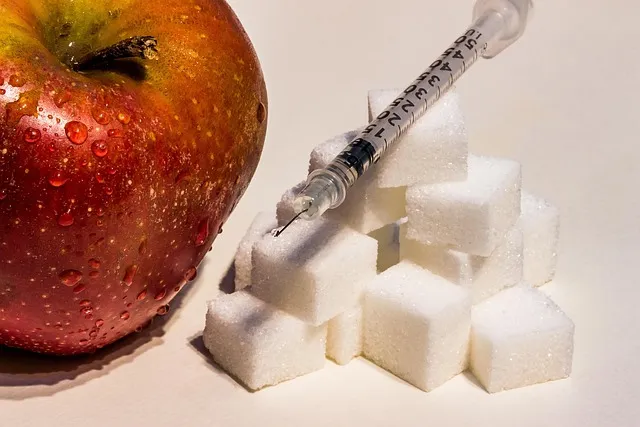
At the cellular level, several things break at once: reduced GLUT4 transporter translocation to the cell surface (GLUT4 is the primary glucose transporter in muscle and fat cells, and insulin normally tells it to move from intracellular vesicles to the membrane), impaired downstream insulin receptor substrate (IRS-1) signaling, reduced glycogen synthase activity (which impairs glucose storage as glycogen in liver and muscle), and mitochondrial dysfunction that limits the cell’s capacity to actually burn the glucose for fuel.
Why does this matter beyond diabetes itself? Because insulin resistance is the central metabolic dysfunction driving the so-called “diseases of civilization” — type 2 diabetes, metabolic syndrome, polycystic ovary syndrome, non-alcoholic fatty liver disease, elevated cardiovascular risk, accelerated aging, and possibly increased cancer risk through elevated IGF-1 signaling. It’s also tied to cognitive decline; insulin resistance in the brain (sometimes called “type 3 diabetes” in Alzheimer’s research) impairs the glucose metabolism neurons need to function well. This is not just a blood sugar problem. It’s a whole-body cellular energy crisis wearing different masks in different tissues, all traceable back to the same upstream dysfunction.
The diagnostic picture: fasting glucose above 100 mg/dL signals prediabetes; above 126 mg/dL on two occasions signals diabetes. But fasting glucose is a late-stage marker — the pancreas can compensate by cranking out more insulin for years before glucose ever budges. Fasting insulin (target below 8 uIU/mL, ideally below 5 for optimal sensitivity) catches the problem before glucose dysregulation shows up. A two-hour glucose tolerance test catches post-meal impairment that fasting testing misses entirely. HOMA-IR — the homeostatic model assessment of insulin resistance, calculated from fasting glucose and insulin — gives a composite score more sensitive than either number alone. Plenty of people with “normal” fasting glucose and A1C are carrying measurable insulin resistance that only shows up on fasting insulin or post-meal testing.
Exercise: The Most Potent Insulin Sensitizer
Exercise is the single most potent intervention for improving insulin sensitivity available outside significant weight loss, and it works through mechanisms medication cannot fully replicate.
A single session improves insulin sensitivity for 24-72 hours through GLUT4 translocation that doesn’t need insulin at all. During muscle contraction, AMP-activated protein kinase (AMPK) and calcium-calmodulin kinase fire, and they signal GLUT4 to the cell surface directly. No insulin required. This is why people with type 2 diabetes can see dramatic glucose reductions from one workout — the broken machinery (insulin signaling) gets bypassed entirely by a parallel pathway that muscle contraction switches on regardless.
Chronic training goes further, building structural adaptations: increased mitochondrial density (better glucose oxidation capacity), more GLUT4 protein expressed at baseline (more transporters on hand even without a workout to trigger them), improved lipid oxidation in muscle (which reduces the intramyocellular lipid buildup mechanistically linked to insulin resistance through ceramide and diacylglycerol pathways), and greater glycogen storage capacity.
Resistance versus aerobic — both help, through partly different routes and different magnitudes. Snowling and Hopkins (2006) found resistance and aerobic training produced similar glycemic improvements in type 2 diabetics. More recently, the HERITAGE Family Study and multiple intervention trials have shown combination training — resistance plus aerobic, same program — beats either alone. That’s the practical takeaway that actually matters: you need both. Not either/or.
The prescription: at minimum 150 minutes weekly of moderate-to-vigorous aerobic work (brisk walking, cycling, swimming) plus two to three resistance sessions targeting the major muscle groups. And don’t skip the cheap trick — a 10-15 minute walk after the largest meals of the day blunts post-meal glucose spikes through immediate GLUT4 activation in the legs. Costs nothing. Requires nothing but the willingness to walk after dinner instead of collapsing on the couch.
Weight Loss and Visceral Fat: The Structural Fix
The relationship between visceral fat and insulin resistance is one of the strongest in metabolic medicine. Visceral fat — the kind wrapped around internal organs, not sitting under the skin — is metabolically distinct from subcutaneous fat. More active. More prone to breaking down (lipolysis). It dumps free fatty acids and inflammatory cytokines directly into the portal circulation heading straight for the liver.
That portal delivery is what drives hepatic insulin resistance — the liver stops responding to insulin’s signal to suppress glucose production, and glucose output stays inappropriately elevated even while fasting. This “portal hypothesis” explains why visceral fat is so much more dangerous than subcutaneous fat: it’s the physical proximity to the liver, not just the total fat mass, that does the damage.
How much weight loss actually moves the needle? Here’s the encouraging part: even modest loss — 5-7% of body weight — produces substantial gains, often 25-40% improvement in insulin sensitivity measures, along with meaningful drops in fasting insulin and A1C. The Look AHEAD trial, the largest lifestyle-intervention trial ever run in type 2 diabetes, found that a 5-7% weight loss goal combined with exercise produced significant glycemic improvement and reduced medication needs in many participants. The gains scaled with the weight lost, but they started showing up at the very first modest reductions.
Composition matters too. Caloric deficit is the mathematical requirement for fat loss, but what makes up that deficit shapes where the fat actually comes off. Reduced refined carbohydrate intake preferentially targets visceral fat across multiple studies — plausibly because refined carbs are the most direct driver of the hyperinsulinemia that promotes visceral deposition through its anti-lipolytic effect on visceral fat cells. Very-low-carbohydrate diets show a disproportionate hit to visceral fat relative to subcutaneous fat on CT imaging.
Sleep and Insulin Sensitivity
The sleep-insulin relationship is direct, potent, and badly underappreciated in standard diabetes management. It deserves its own section, not a footnote.
Spiegel and colleagues (2004) restricted healthy young adults to four hours of sleep for two nights and found a 25% drop in insulin sensitivity — comparable, in magnitude, to gaining 30 pounds of body fat. Several mechanisms stack up here: elevated cortisol from sleep deprivation directly antagonizes insulin at the receptor and post-receptor level; elevated norepinephrine from sympathetic activation impairs insulin-stimulated glucose uptake; elevated IL-6 and TNF-alpha interfere with insulin receptor signaling through serine phosphorylation of IRS-1; and disrupted growth hormone pulsatility alters fat and carbohydrate metabolism on top of all that.
Even a milder cut — seven hours instead of nine, a difference most people wouldn’t call a big deal — consistently shows measurably worse glucose tolerance in short-term studies. Which means: anyone stacking dietary changes, exercise, and supplements on top of six hours of sleep a night is fighting one of the most potent drivers of insulin resistance while simultaneously trying to fix insulin resistance. Fix sleep first, or at least alongside everything else. It’s not a peripheral consideration. It’s a core metabolic variable.
Berberine: The Supplement That Outperforms Expectations
Berberine is an alkaloid pulled from Berberis plants — barberry, goldenseal, Oregon grape — used in traditional Chinese medicine for centuries. Its entrance into evidence-based medicine as a glucose-lowering agent came through a run of randomized controlled trials that produced genuinely surprising results.
The landmark study, Zhang and colleagues (2008), randomized 116 type 2 diabetic patients to berberine (500mg three times daily) versus Metformin (500mg three times daily) head-to-head. Both groups showed comparable reductions in A1C — berberine went from 9.5% to 7.5%, Metformin from 9.3% to 7.4% — along with comparable drops in fasting and post-meal glucose. In a second arm of the same study, berberine plus Metformin beat either alone. A natural compound matching a pharmaceutical gold standard, head-to-head. That doesn’t happen often.
The mechanism is AMPK activation — the same pathway exercise triggers. Berberine gets there through mitochondrial complex I inhibition, similar to how Metformin works, resulting in GLUT4 translocation, increased glucose uptake, reduced hepatic gluconeogenesis, and improved lipid metabolism. That mechanistic overlap with both exercise and Metformin is exactly what makes berberine’s clinical effects plausible and well-supported by the underlying pharmacology.
Additional effects documented in the literature: reduced total cholesterol and LDL-C (possibly through PCSK9 inhibition), reduced triglycerides, modest anti-inflammatory effects, and potential gut microbiome modulation — berberine has real antimicrobial properties and shifts gut bacterial composition in ways that may contribute to its metabolic effects.
Form and practicalities: the trials split it across meals rather than giving it all at once, because bioavailability is limited by first-pass metabolism and a single large dose mostly goes to waste. Berberine dihydrochloride is the most common clinical form. It’s also a CYP3A4 inhibitor and can raise blood levels of cyclosporine, certain statins, and other CYP3A4-metabolized drugs — check interactions before starting if already on medication. GI side effects (diarrhea, constipation, cramping) show up in a meaningful minority, and easing into it rather than starting at full strength usually minimizes them.
Dietary Vinegar and Post-Meal Glucose
Apple cider vinegar and other dietary acids have evidence for blunting post-meal glucose spikes through a mechanism that’s simple and well-characterized: acetic acid inhibits salivary and pancreatic amylase, the enzymes that break starch down into glucose. Slower starch digestion means a more gradual glucose release and a flatter post-meal curve.
Johnston and colleagues (2004) found that two tablespoons of apple cider vinegar taken before a high-carbohydrate meal reduced post-meal glucose by up to 35% and improved insulin sensitivity by 34% in insulin-resistant subjects. Multiple later studies replicated the glucose-blunting effect. It’s not dramatic enough to replace medication or lifestyle change — but it’s real, cheap, and stacks on top of everything else.
Most practical application: one to two tablespoons of apple cider vinegar diluted in a large glass of water — diluted specifically to protect the esophagus and tooth enamel from direct acid exposure — taken before the day’s highest-carb meal. Vinegar-based dressing on a salad eaten before the main course does the same thing, more palatably. This isn’t a supplement. It’s a food habit with a specific mechanism and measurable glucose effects.
Cold Exposure and Insulin Sensitivity
van der Lans and colleagues (2013) found that 10 days of cold acclimation in type 2 diabetic patients produced a 43% increase in insulin sensitivity — described as comparable to six months of exercise training. Later studies found smaller but consistent effects. The protocol used in the research involved prolonged mild cold exposure (clothing inadequate for the ambient temperature for six hours a day), which isn’t practically equivalent to a cold shower or plunge. Still, even brief cold exposure — five to ten minutes of immersion — produces acute BAT activation and AMPK activation that may meaningfully contribute to insulin sensitivity when practiced consistently.
The Insulin Sensitization Protocol
The Insulin Sensitization Protocol is a structured, evidence-graded framework for rebuilding insulin sensitivity through several complementary mechanisms at once. Organized as a hierarchy of impact and evidence strength.
Tier 1 — Highest impact, foundational (everyone with insulin resistance should implement these): Caloric deficit sufficient for 5-10% body weight loss if overweight or obese (this alone can produce 25-40% improvement in insulin sensitivity). Exercise combining resistance training three times weekly with 150+ minutes weekly aerobic activity. Sleep optimization to seven to nine hours, consistently — skipping this significantly limits everything else. Reduced refined carbohydrate and sugar intake, specifically targeting the drivers of hyperinsulinemia — bread, pasta, white rice, sugary beverages, processed snacks.
Tier 2 — Strong evidence, additive to Tier 1: Post-meal walking, 10-15 minutes after each main meal, for immediate GLUT4 activation. Berberine with meals, split across the day, if there’s no medication interaction concern (discuss with a physician if on anything else). Apple cider vinegar, one to two tablespoons before the largest carbohydrate meal. Mediterranean dietary pattern as the overall macronutrient framework.
Tier 3 — Moderate evidence, reasonable additions: Time-restricted eating (16:8 or 14:10), which reduces hyperinsulinemia through extended fasting windows. Cold exposure — cold shower daily, or cold water immersion two to three times weekly — for AMPK activation and BAT stimulation. Magnesium supplementation as the glycinate, since deficiency impairs insulin receptor signaling. Chromium picolinate, which carries modest but consistent evidence for improved insulin receptor binding affinity.
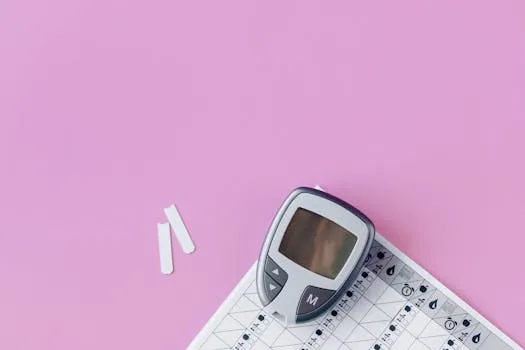
Monitoring: Fasting insulin and glucose quarterly during active intervention. A1C every three months until stable, then every six months. Post-meal self-monitoring glucose testing (finger-stick or CGM) to identify personal high-glycemic foods and quantify how much meal responses are improving. Continuous glucose monitoring for two to four weeks gives the most comprehensive real-world glucose data available, and it’s increasingly accessible and affordable even for non-diabetics chasing metabolic insight.
Insulin Sensitivity Rebuild: Your Questions Answered
- Can insulin resistance be fully reversed? In many people — especially those who are overweight or obese with relatively recent-onset insulin resistance — meaningful reversal is achievable with sustained lifestyle intervention. The DiRECT trial, Look AHEAD, and several other studies have documented complete type 2 diabetes remission (A1C below 6.5% without medication) through intensive lifestyle intervention including weight loss. For longer-duration disease with significant beta-cell dysfunction, partial reversal — better sensitivity, lower medication needs — is the more realistic target. Reversal requires sustained effort. Not a temporary push.
- Is a low-carb diet the best approach for insulin resistance? Low-carbohydrate diets produce faster initial improvements in post-meal glucose and fasting insulin, because they directly cut the glucose load requiring an insulin response. Long-term A1C outcomes are roughly comparable between low-carbohydrate and low-fat caloric-deficit diets — both improve glycemic control once the deficit produces weight loss. The best diet is the one that actually gets followed. A strict low-carb diet abandoned after two months produces less benefit than a moderate Mediterranean-style pattern maintained indefinitely.
- How does berberine compare to Metformin? Head-to-head trials show comparable glucose-lowering efficacy. Berberine has some potential edges — additional lipid-lowering effects, no long-term vitamin B12 depletion the way Metformin causes. Metformin has decades more safety data and guideline endorsement behind it. The two can be combined under physician supervision for an additive effect. Berberine suits people with prediabetes or mild type 2 diabetes who want a non-pharmaceutical option, or as an adjunct to medication — not as a substitute when A1C or glucose levels make medication clinically necessary.
- How long does it take to see insulin sensitivity improvements with exercise? Acute effects kick in after a single session (24-72 hours of improved sensitivity). Measurable A1C improvement usually shows up within six to eight weeks of consistent training. Structural adaptations — more mitochondrial density, more GLUT4 expression, more muscle mass — take three to six months to fully build. Maximum benefit from combined resistance and aerobic training typically shows up within six to twelve months of consistent implementation.
- Does intermittent fasting help insulin resistance? Yes, through several mechanisms: extended fasting windows produce low-insulin states that promote receptor resensitization, AMPK activation during the fast, and autophagy that clears out cellular machinery damaged by chronic hyperinsulinemia. Time-restricted eating — confining intake to a consistent 8-10 hour window — has produced improvements in insulin sensitivity, fasting glucose, and triglycerides across multiple RCTs, independent of caloric restriction. The effect is most reliable when eating stays aligned with daytime hours; no late-night eating brings circadian benefits beyond fasting duration alone.
- What role does fiber play in insulin sensitivity? Dietary fiber — particularly the soluble and fermentable kind — slows glucose absorption in the gut, flattening post-meal curves, feeds microbiome bacteria that produce short-chain fatty acids (butyrate especially, which has direct anti-inflammatory and insulin-sensitizing effects), and boosts satiety, which helps with caloric deficit. High fiber intake is consistently tied to better insulin sensitivity, lower diabetes risk, and better glycemic control in observational data. The target is 35+ grams of total fiber daily from diverse plant sources — which takes deliberate planning in most modern Western diets, since it doesn’t happen by accident.
- Is a CGM worth using for non-diabetics? A two-to-four-week CGM trial hands over more useful personal data than any single blood test: which foods spike glucose, how exercise moves the numbers, how sleep quality changes overnight fasting glucose, whether the interventions are actually working. CGMs are increasingly affordable and available without a prescription for personal monitoring. For anyone with insulin resistance or metabolic concerns, the real-time feedback can drive behavior change that a static blood test never will.
Insulin resistance is a lifestyle disease that responds to lifestyle intervention. Medication manages the blood sugar symptoms. Exercise, weight management, sleep, and strategic diet work on the underlying cellular dysfunction. The evidence base for non-pharmacological insulin sensitivity improvement is as strong as any area in metabolic medicine. The question isn’t whether these interventions work. It’s whether they get implemented consistently enough to work for you.
Given a proper protocol instead of a pamphlet, Kevin got his fasting insulin tested — 18 uIU/mL, significantly elevated despite “controlled” diabetes. He started strength training three times weekly, added a 15-minute walk after dinner, cut back hard on bread and pasta, and took berberine with meals. Six months later his A1C had dropped from 6.9 to 6.1. Fasting insulin came down to 9. His physician halved the Metformin dose. Kevin was never noncompliant with his treatment plan. He was actively improving the disease instead of just maintaining it.

A final note on measurement: implement the protocol without tracking fasting insulin, post-meal glucose, or A1C and there’s no way to know whether any of it is working. The improvements are real and measurable. Measure them. Nothing reinforces consistent behavior like watching fasting insulin drop from 18 to 11 to 7 over twelve months of effort. The number on the lab report is the evidence the work is working. Collect it. That’s the feedback loop that actually makes sustainable metabolic change happen.
The insulin-sensitive version of anyone isn’t a different person. It’s the same person with a cell-level physiological environment that responds normally to hormonal signals the body is already sending. Every piece of the protocol converges on restoring that normal responsiveness. Exercise does it through AMPK. Weight loss does it by cutting fatty acid interference. Sleep does it by removing cortisol from the equation. Berberine does it through AMPK independently of exercise. All roads lead to the same cellular outcome: insulin receptor signaling working the way it was built to work.
Four words for anyone who’s been treating insulin resistance as a maintenance problem instead of a reversibility project: it is reversible. The research says so. The outcomes of people who commit fully to the protocol say so. The job is deciding that managed decline isn’t the goal — and then implementing the evidence like it’s meant.
Nutrition Specifics: What to Eat for Insulin Sensitivity
Beyond the macronutrient framework — reduced refined carbohydrates, adequate protein, quality fats — specific food choices within a balanced diet have their own evidence for supporting insulin sensitivity through distinct mechanisms.
Legumes: Beans, lentils, and chickpeas carry the lowest glycemic index of any carbohydrate-containing food despite their carb content — because the combination of fiber, resistant starch, and protein produces an extremely slow, gradual glucose release. Multiple meta-analyses confirm legume consumption tracks with improved insulin sensitivity and reduced diabetes risk. They also deliver substantial prebiotic fiber feeding the butyrate-producing gut bacteria that have direct insulin-sensitizing effects in liver tissue.
Vinegar and fermented foods: Vinegar’s already covered above. Fermented foods more broadly — kimchi, sauerkraut, kefir, miso — shift the gut microbiome in ways that improve short-chain fatty acid production and reduce intestinal permeability, both of which improve the metabolic environment for insulin signaling. Kim and colleagues (2011) found kimchi consumption improved insulin sensitivity and reduced fasting glucose in a controlled study, with the effect partly attributed to microbiome changes.
Cinnamon: A consistent pattern of small-to-moderate glucose-lowering effects across clinical trials, most likely through improved insulin receptor signaling — specifically, the type A proanthocyanidins in cinnamon appear to activate insulin receptor kinase and GLUT4 translocation. Anderson and colleagues (2004) found 1-6g of cinnamon daily for 40 days significantly reduced fasting glucose, triglycerides, LDL cholesterol, and total cholesterol in type 2 diabetics. Effect sizes are modest but consistent. Half to one teaspoon daily is a practical, zero-risk dietary addition.
Omega-3 fatty acids: Beyond the anti-inflammatory effects, omega-3s improve insulin sensitivity specifically through incorporation into cell membrane phospholipids — improving membrane fluidity and insulin receptor function. Saturated fatty acids in cell membranes reduce fluidity and impair receptor function; polyunsaturated omega-3s improve it. A structural improvement in insulin signaling capacity, not just a biochemical one. Two to three servings of fatty fish weekly, or three to four grams of combined EPA+DHA supplementation daily, shows measurable effects on fasting insulin in insulin-resistant populations.
Green leafy vegetables: Spinach, kale, Swiss chard and their relatives are among the most insulin-sensitizing foods available. They deliver magnesium (required for insulin receptor signaling — deficiency impairs the ATP-magnesium complex insulin receptor kinase needs to activate), alpha-lipoic acid (a mitochondrial energy production cofactor with direct antioxidant and insulin-sensitizing effects in type 2 diabetes research), and diverse polyphenols that reduce inflammation along insulin-signaling pathways. Eating leafy greens at every main meal is one of the most consistently evidence-backed habits in metabolic health.
Medications and Insulin Sensitivity: What They Do and Don’t Do
Understanding what a diabetes or prediabetes medication actually does — and doesn’t do — to insulin sensitivity helps contextualize where lifestyle interventions fit, and why they matter even when medication is appropriate and necessary.
Metformin activates AMPK (same pathway as exercise and berberine), reduces hepatic glucose production, and modestly improves peripheral insulin sensitivity. It does not replace lost beta-cell function, doesn’t meaningfully reduce visceral fat, and doesn’t reverse the mitochondrial dysfunction in muscle cells driving the resistance in the first place. It manages the numbers while the disease can still progress underneath if lifestyle isn’t addressed. Long-term use also depletes vitamin B12 through impaired ileal absorption — testing B12 annually in long-term Metformin users is important and frequently skipped.
GLP-1 receptor agonists — Ozempic/semaglutide, Victoza/liraglutide — are increasingly prescribed for type 2 diabetes and now for obesity. They produce genuine improvements in insulin sensitivity through several mechanisms: real visceral fat reduction (via appetite suppression and indirect metabolic effects), reduced hepatic fat content, and direct GLP-1 receptor effects in muscle and liver that improve insulin action. The SUSTAIN and LEADER trials showed cardiovascular outcome benefits beyond simple glucose management. These are the medications with the strongest evidence for actually changing the underlying disease state, not just its readouts.
SGLT-2 inhibitors — empagliflozin, dapagliflozin — remove glucose through the kidneys, cutting blood glucose numbers without touching insulin resistance directly. They do, however, produce modest visceral fat reduction through caloric loss and carry significant cardiovascular and renal protective effects in high-risk populations. They’re increasingly first-line in people with established cardiovascular disease or CKD, because of outcome benefits that seem partly independent of glucose-lowering at all.
None of this medication overview is meant to recommend or discourage any specific drug — that’s a conversation for a physician. The point is context: medications manage downstream glucose levels with variable effects on upstream insulin resistance. Lifestyle interventions hit the upstream mechanisms directly. Combined, the two produce better outcomes than either alone, because they work through different, complementary pathways. Understanding that difference is what lets anyone advocate for themselves in a medical conversation about adding lifestyle approaches alongside medication rather than instead of it.
Stress Management and Insulin Sensitivity
The HPA axis dysfunction described elsewhere has direct insulin sensitivity implications that standard diabetes management rarely emphasizes. Cortisol is one of the most potent anti-insulin hormones in human physiology — it promotes gluconeogenesis (liver glucose production), cuts glucose uptake in muscle and fat cells through direct interference with insulin receptor signaling, and ramps up lipolysis, raising free fatty acid levels that further impair insulin signaling downstream.
Chronic psychological stress that keeps cortisol elevated therefore worsens insulin resistance directly — and does so in a way that persists regardless of diet, exercise, and medication until the stress-cortisol elevation itself gets addressed. Epidemiological studies consistently find work stress, relationship stress, financial stress, and perceived stress generally are independent predictors of diabetes incidence and glycemic control in existing diabetics, even after controlling for lifestyle and demographics.
The clinical implication: if A1C isn’t responding to reasonable dietary, exercise, and medication interventions the way it should, unmanaged chronic HPA axis hyperactivation is a legitimate biological explanation worth investigating. A four-point salivary cortisol test can identify whether it’s a contributing factor. Effective stress reduction — whatever form actually fits the person, exercise-based, social-connection-based, mindfulness-based, or simply strategic boundary-setting around work — is a legitimate insulin sensitivity intervention. Not a soft lifestyle suggestion tacked on at the end.
The full Insulin Sensitization Protocol — exercise, sleep, berberine, dietary modification, cold exposure, stress management, and strategic monitoring — is a comprehensive approach to the multiple parallel mechanisms driving insulin resistance. No single piece produces what the combination produces. The power comes from hitting the problem from several mechanistic angles at once, which is exactly what the disease requires, since insulin resistance is itself a multi-mechanistic problem no single lever fully solves.
The biology of insulin resistance is tractable. Unlike some age-related changes that are largely one-way, insulin sensitivity responds to the right inputs with documented, measurable improvement that translates directly into lower disease burden, fewer medications, better body composition, sharper cognition, and reduced long-term cardiovascular risk. Every piece of the protocol works. The work is whether it gets implemented. Start with the highest-impact interventions — exercise, sleep, weight loss if needed — layer in the additive ones — berberine, vinegar, dietary specifics — monitor with actual lab testing, and adjust based on the data. The biology will respond. It always does, when it’s given what it needs.
Kevin’s story ends well: two years into the full protocol, his A1C is 5.7 (down from 7.8 at diagnosis), his fasting insulin is 6 (down from 18), he’s off Metformin entirely under physician supervision, and his body composition has shifted meaningfully — 22 pounds lighter, considerably more muscle from the resistance training. Is that typical? Not for everyone. But it’s achievable for a larger share of people with type 2 diabetes and prediabetes than passive medication management would suggest. What separated Kevin from most patients carrying a similar diagnosis wasn’t genetics or unusual willpower. It was getting actual information about what works and implementing it with genuine consistency. The protocol is available. The evidence is clear. What’s left is execution.
The Practical Framework: Applying Insulin Sensitivity Rebuild In Real Life
References
Editorial StandardsCorrectionsMedical DisclaimerAbout Our ContentAffiliate DisclosureSite Map